



Rate Hike Odds Hit 88% and Gold Is Paying for It
Gold cannot get out of its own way. The metal dropped to $4,091 early Tuesday before stabilizing off the lows but the bounce has done nothing to change the tone. At 14:26 GMT, Spot Gold is trading $4,134.56, down $57.13 on the session.
The damage is coming from one place. The December rate hike probability jumped from 61% before last week’s Fed meeting to 88% as of Tuesday morning. Gold has sold off every session since the meeting and the repricing is getting faster, not slower.
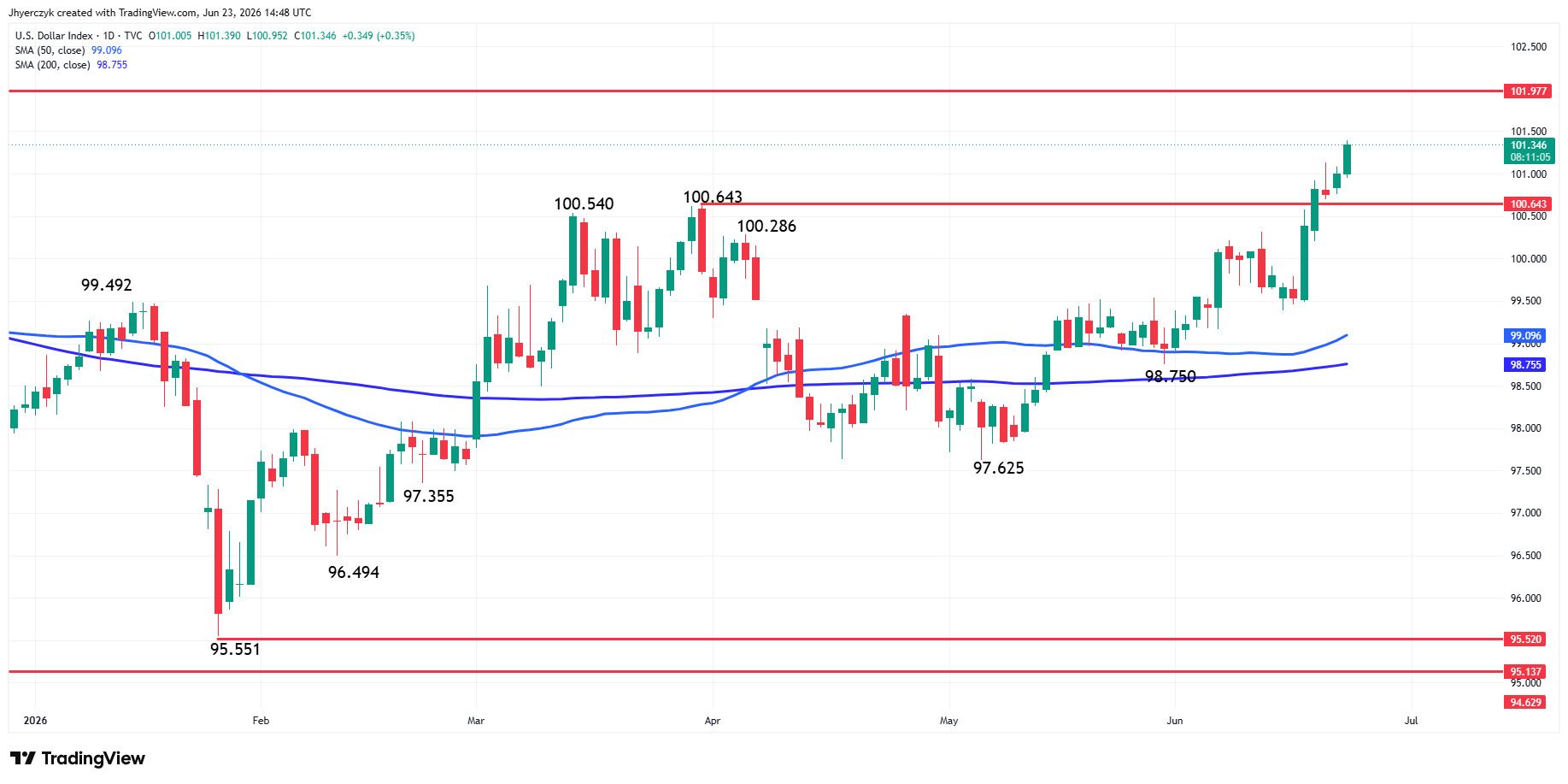
The dollar is firmer and real yields keep climbing. Gold is absorbing the full weight of a market that has gone from debating when cuts start to pricing in a hike before year-end.

Daily Spot Gold (XAUUSD) Technical Analysis
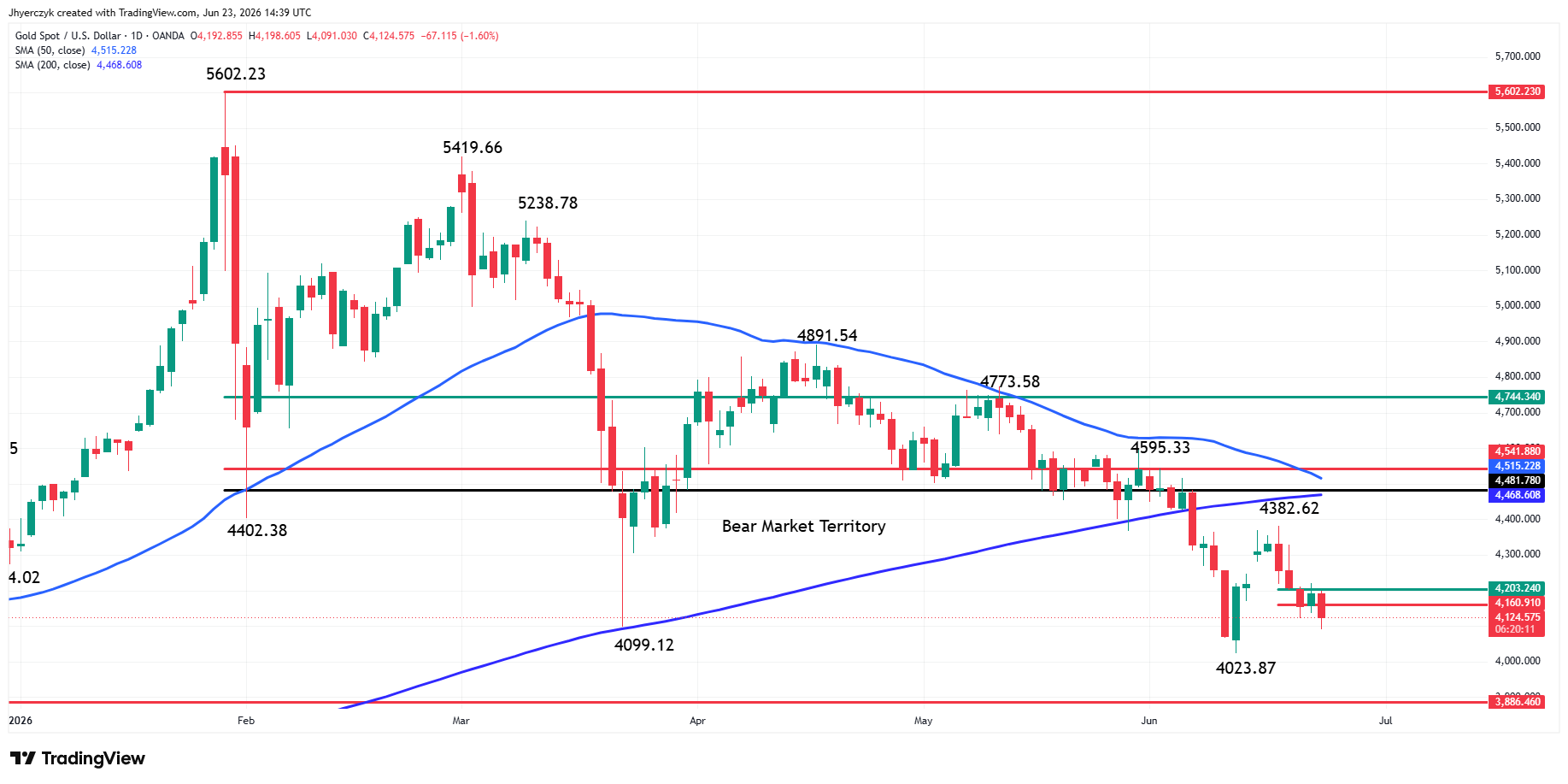
Spot Gold is lower on Tuesday after dipping to the weakside of a short-term retracement zone. The short-term range is $4023.87 to $4382.62. Its 50% to 61.8% zone at $4203.24 to $4160.91 is the area to watch.
Trading below this zone means a new secondary lower top has formed at $4382.62. A sustained move under $4160.91 will put the market on a path toward the swing bottom at $4023.87. Taking this out will reaffirm the downtrend with $3886.46 the next likely target.
Recapturing the 50% level at $4203.24 will be a sign of strength because it will mean that a secondary higher bottom is forming at perhaps $4091.03. This may create the momentum needed to challenge the main top at $4382.62 and the resistance cluster at $4468.67 to $4515.49.
The Committee Is Not Backing Down
Last week’s meeting under Chair Kevin Warsh delivered a hawkish hold that caught the market positioned the wrong way. The committee left rates unchanged but showed no interest in discussing cuts and left the door open to tightening if inflation stays elevated.
Gold Price Forecast
Every new Gold analysis as it publishes, today's technical signal and key levels, live price — on one page.
See all Gold forecastsChicago Fed President Austan Goolsbee reinforced that position Tuesday. Inflation remains the central concern. The labor market is stable enough to give the committee time to wait, which means there is no pressure to ease and no reason to walk back the hawkish stance. Goolsbee is not breaking from the committee. He is saying what the dot plot already showed. The Fed is looking up on rates, not down.
Gold traders spent most of this year positioned for cuts. That trade is being unwound in real time and every session since the meeting has added selling. Gold does not have an argument against a committee that is openly discussing tightening while the dollar strengthens and yields grind higher.
The speed of the repricing is the problem. A move from 61% to 88% in five sessions does not leave room for orderly repositioning. Funds that were long gold on the rate cut thesis are hitting the exits and the bids underneath keep dropping.
Iran Talks and the Equity Rout Changed Nothing
Washington waived sanctions on Iran for 60 days after initial talks under the peace framework. Vice President Vance called the discussions constructive. Iran pushed back on reports that nuclear issues were part of the conversation. The uncertainty is real but gold did not react to any of it.
A week ago that kind of diplomatic ambiguity might have produced a bid. Not with the hike probability where it is now. The rate trade is overriding every other input in this market.
The global equity rout told the same story. Nasdaq futures were sharply lower Tuesday morning. South Korea’s Kospi crashed during the Asian session. Semiconductor stocks sold off across Asia and Europe. None of that money went into gold.
The same force pushing stocks lower is pushing gold lower. Rate expectations are squeezing both trades at the same time. Gold is not trading as a fear asset right now. It is trading as a rate asset and the rate picture is getting worse every session.
Yields Fell Tuesday and Gold Still Could Not Rally
The 10-year Treasury yield dropped to 4.481% and the 2-year fell to 4.190%. Gold kept selling. A one-session dip in yields is not going to override the expectation that the committee hikes before December.
That is the tell. Yields ticked lower and gold did not even attempt a bounce. The market has decided what it cares about and it is not the daily yield move. It is the direction of Fed policy over the next six months. Until that changes, gold rallies are going to get sold.
What to Watch
Thursday’s PCE report is the next event that can change this trade. A hot print validates the hike expectation and gives sellers another reason to press. A soft number is the only thing that gives the buy side a reason to test whether the repricing has gone too far. But one data point may not be enough to reverse a move this aggressive. Goolsbee’s comments Tuesday showed no sign the committee is ready to soften and the market is going to need more than one friendly number to believe the Fed is backing off.
Gold broke below the retracement zone and a secondary lower top has formed. The swing bottom is the next downside target and losing it reaffirms the downtrend with lower levels in play. Reclaiming the 50% level is the first sign buyers are willing to build a base, but with the rate repricing accelerating, the burden of proof is on the bulls.
If you’d like to know more about how to trade gold, please visit our educational area.


