
The Bank of Japan kept its policy rate at 1% in July. It came after a 25 basis point hike in June. But the last meeting did not indicate that the tightening cycle was over. The BOJ placed more weight on the risk of the underlying inflation exceeding its 2% target.
The depreciating yen has increased the pressure for higher interest rates. It increases the costs of imported fuel, food and industrial materials. While currency intervention can slow the rate of decline, it may not eliminate the big interest rate spread between Japan and the United States. That could mean that the BOJ needs to tighten policy to counter the primary driver of yen weakness.
In my view, the BOJ may consider a policy rate increase to 1.25% in September/October. September is now the first realistic window while October remains possible if policymakers want more inflation and wage data.

BOJ Interest Rate Decision Keeps September Hike in Focus
The BOJ maintained the interest rates steady with 8-1 vote. But the board member Hajime Takata supported an immediate increase to 1.25%. This means that the tightening camp is beginning to grow within the bank as evidenced by his dissent. The bond yield of the 2-year Japanese bond also rose to 1.51% following the meeting. This suggests the bond market expects the interest rates to remain higher.
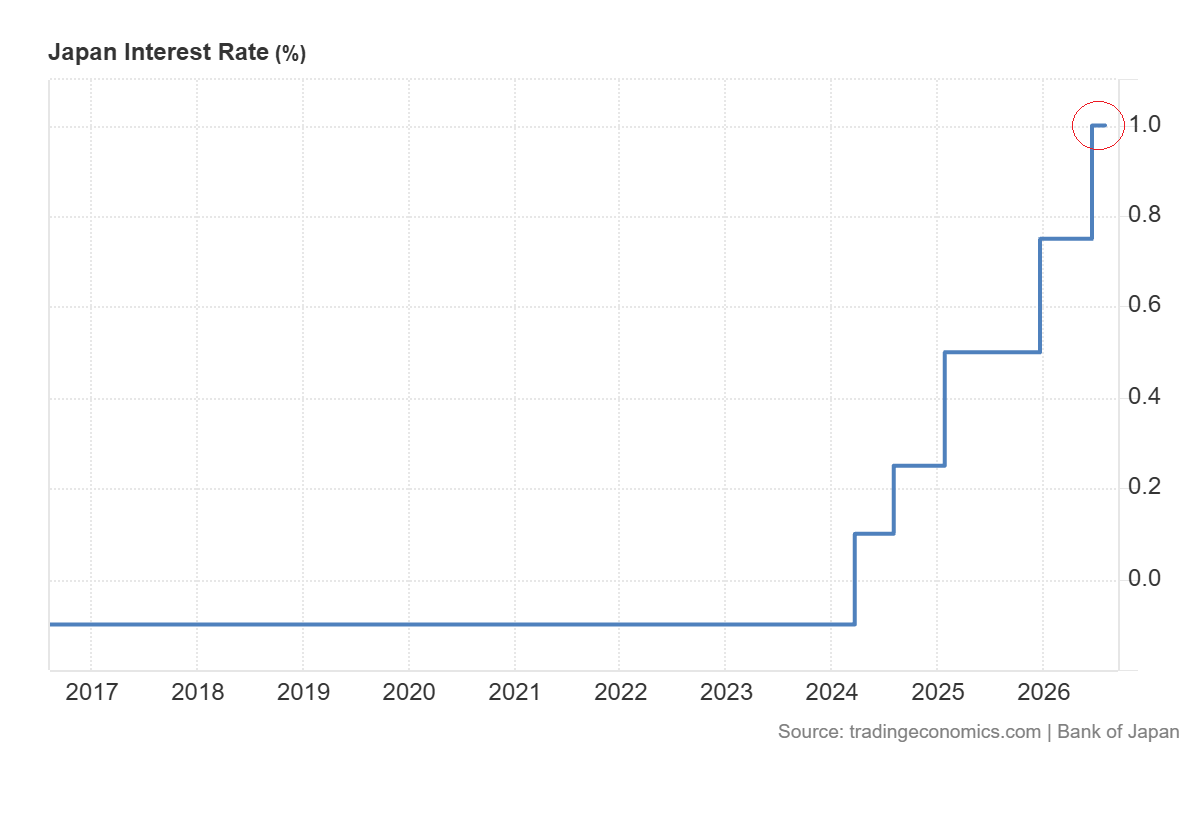
Governor Kazuo Ueda gave clear warning about the cost of waiting too long. He said that the lack of action could increase the risk of inflation. The bank would also begin to discuss these risks starting with its September meeting. This guidance opens the door for a potential rate hike in September.
This message was supported by the BOJ’s July forecast. The bank added that it would consider raising the policy rate if the economy and prices evolve in line with the bank’s expectations. The bank said that the financial environment is accommodative, as real interest rates remain negative. So, a 1% policy rate might still be too low if the inflation 2%.
The next move will depend on the upcoming data about inflation, wages and currency. The strong wage data and another increase in inflation expectations could warrant a September rate increase. The yen’s depreciation again may push the BOJ into a more urgent decision. The bank could hold off until October or December if these pressures ease.
US Dollar Index Price Forecast
Every new US Dollar Index analysis as it publishes, today's technical signal and key levels, live price — on one page.
See all US Dollar Index forecastsJapan Inflation and Wage Growth Support Further BOJ Rate Hikes
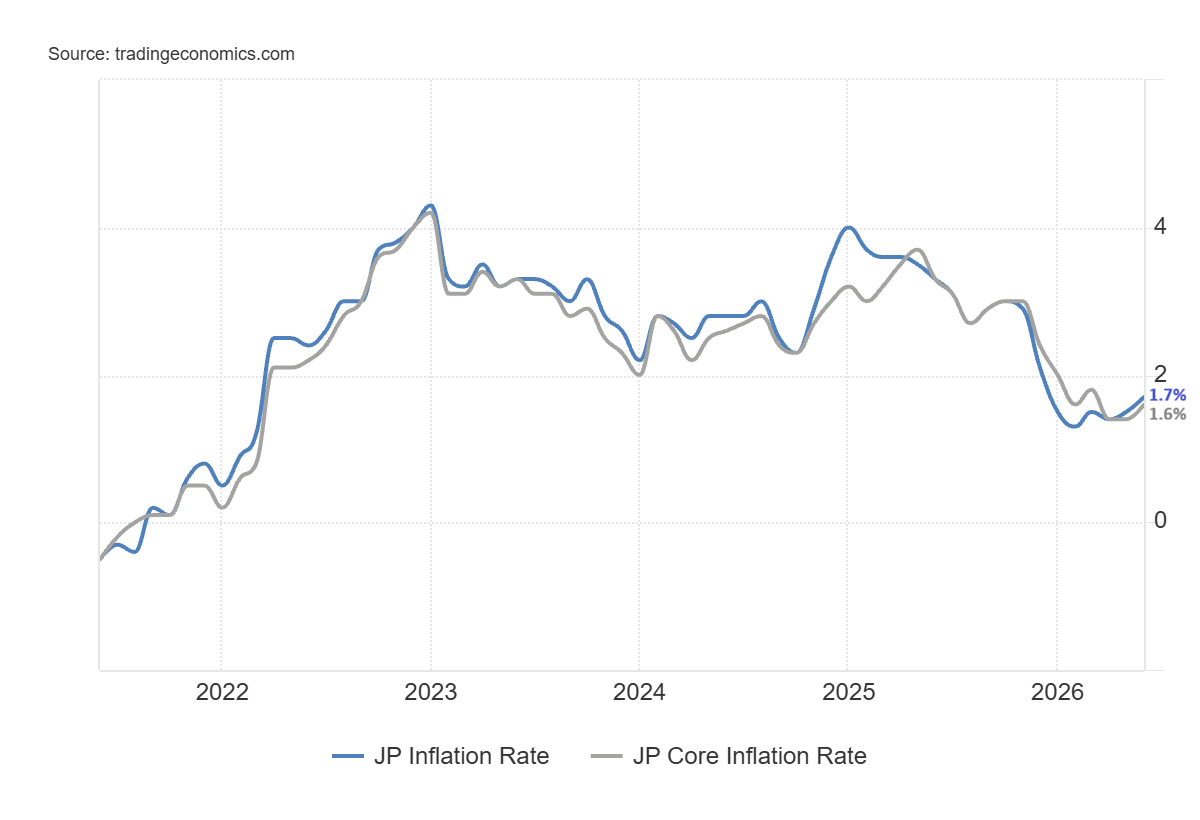
The annual inflation rate in Japan climbed to 1.7% in June and the core inflation rate to 1.6%. Both readings are below BOJ’s target. But they are not based on current prices and take into account government energy subsidies. The BOJ is expecting the core inflation to surge to above 2% in the second half of fiscal 2026.
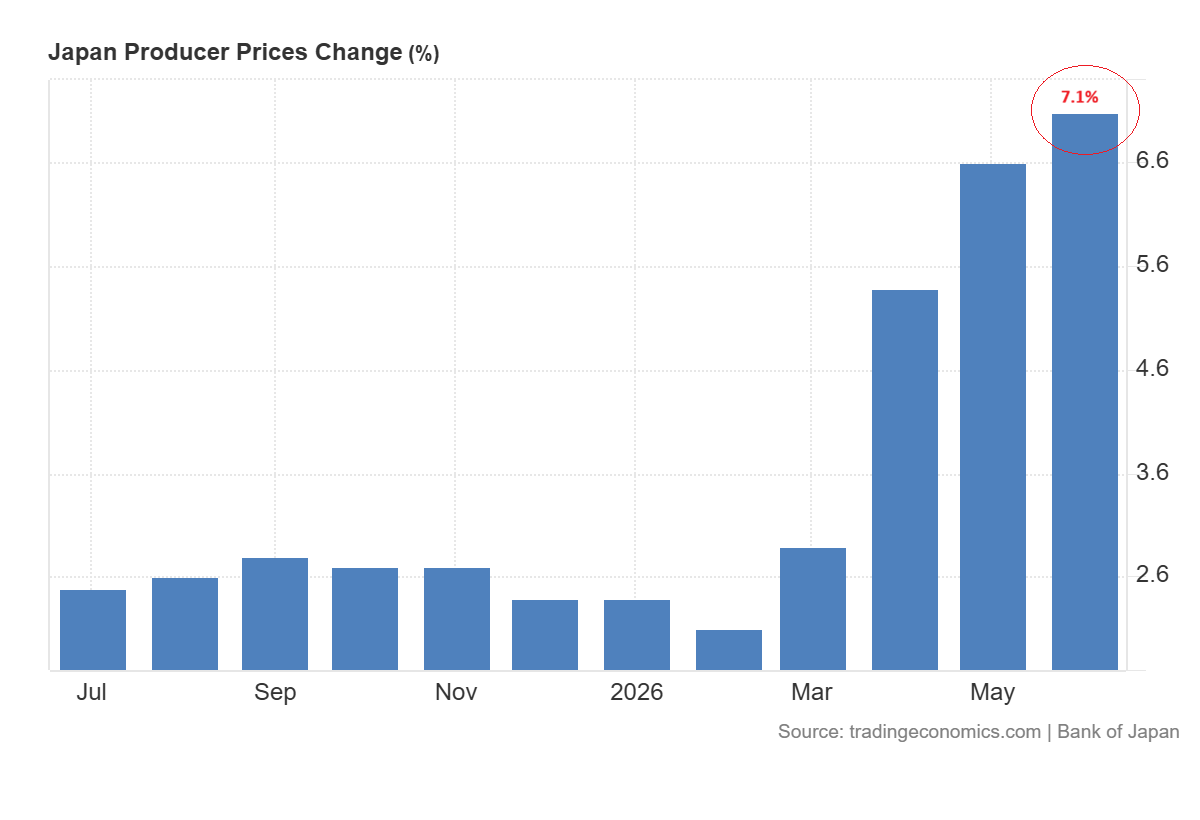
The producer prices suggest the future inflation. These grew 7.1% year on year in June, following 6.6% growth in May. The chart below shows a strong rise in producer prices since March 2026. Most of this increase was due to increased energy, chemical and petroleum prices. The companies could shift some of these costs back to consumers, making it more difficult for the BOJ to maintain the rates.
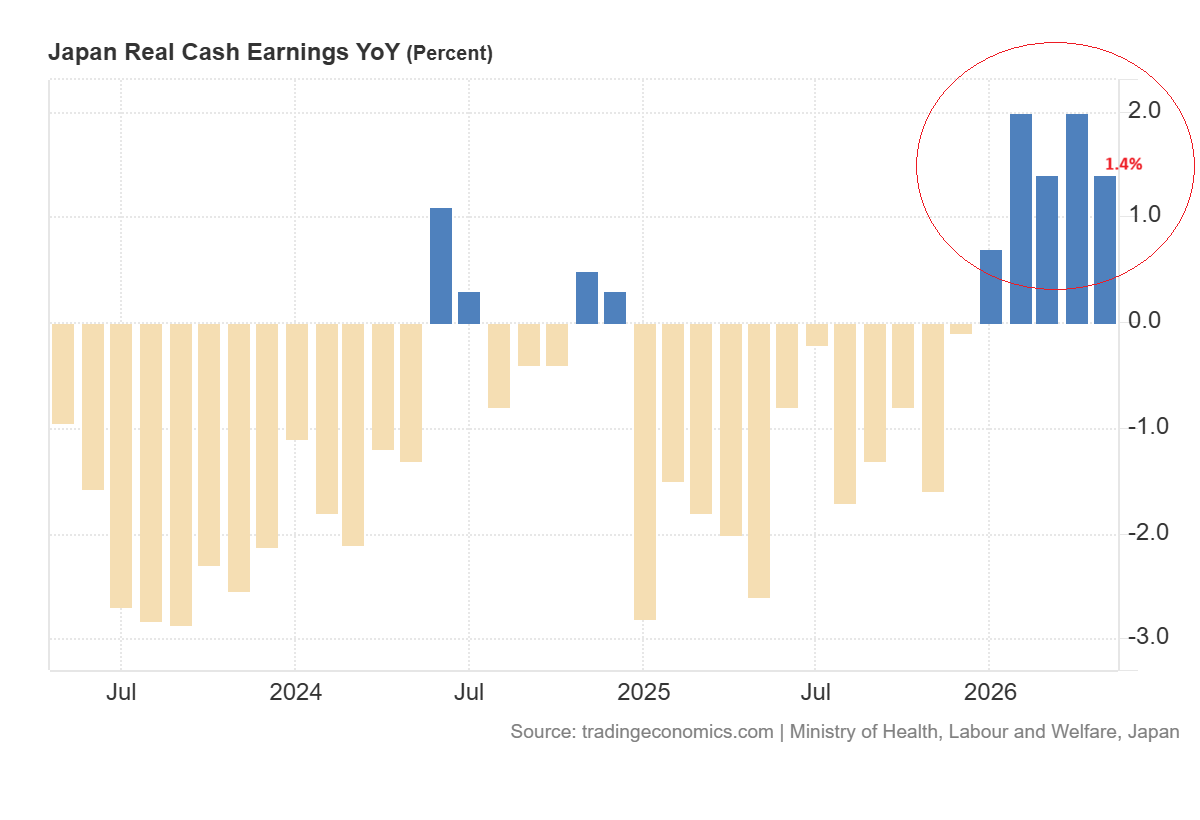
The wage data also indicates additional tightening. The average cash earnings grew 3.2% year on year in May.
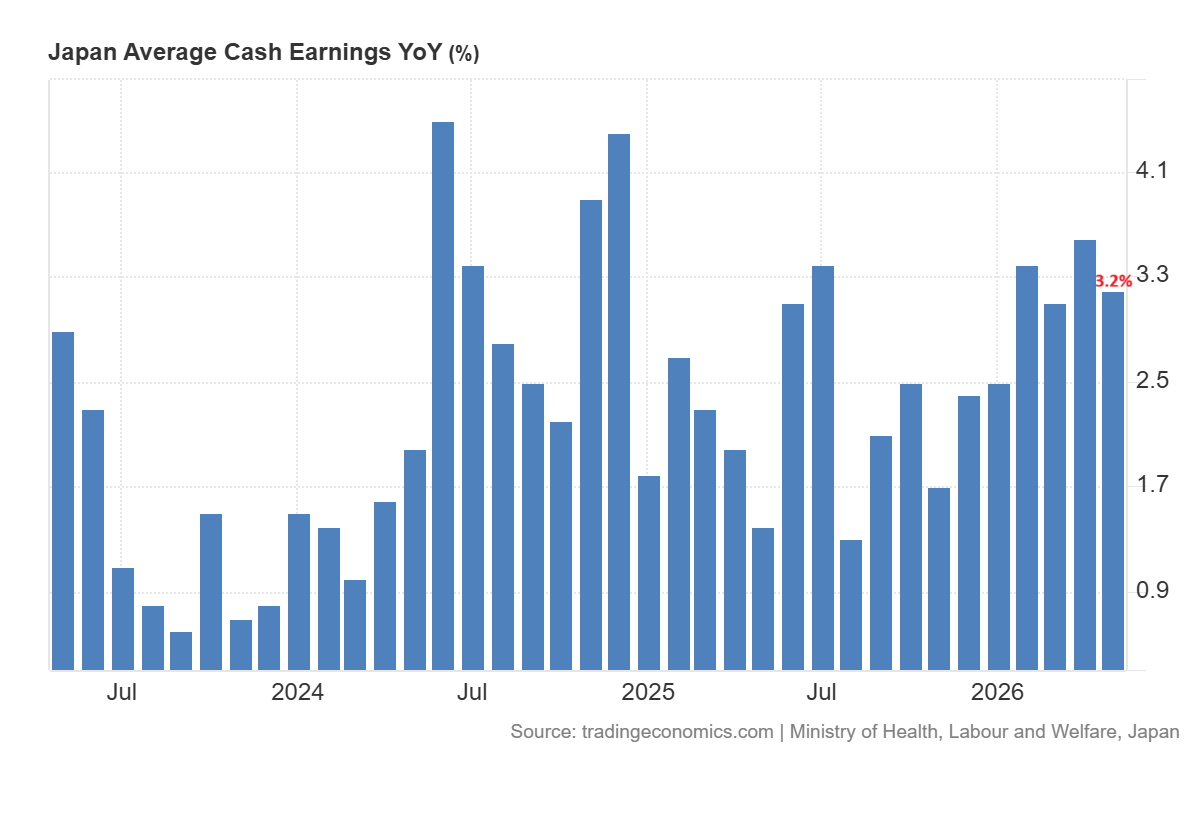
On the other hand, the real earnings grew 1.4% year on year and continue to grow in 2026 as seen in the chart below.
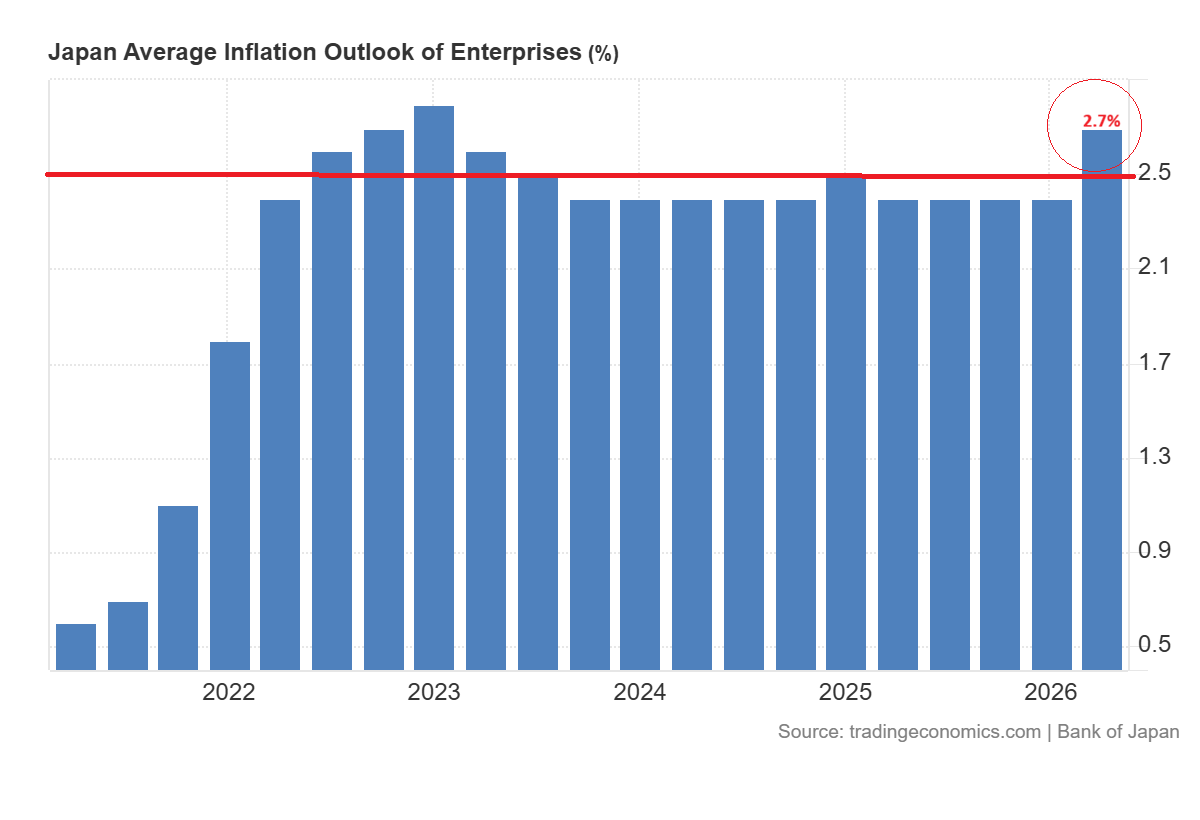
At the same time, business inflation expectations increased from 2.4% to 2.7%. When wages are growing, consumers can more easily afford higher prices and when expectations are increasing, inflation is more likely to continue.
Strong demand for semiconductors, high energy prices and the weak yen may continue to weigh on inflation. These forces are in favor of transitioning to 1.25% by the end of 2026.
If these factors remain positive and continue to grow, the BOJ could hike rates further to 1.5% in early 2027. But if the oil price drops and the yen continues to strengthen, the bank may be able to take a break after its next rate increase.
USDJPY Forecast as BOJ Rate Hike Supports the Yen
The hawkish BOJ and suspected currency intervention pushed the USDJPY lower. The strength in yen at the end of July has pushed USDJPY to close the month around 157.40. This is around 3% down for July and opens the door for further correction in August.
If the BOJ raises rates, then the US dollar will become less attractive relative to the yen. This may put more pressure on USDJPY on the downside.
But the difference in rates between the U.S. and Japan is still quite large. The 2-year yield in the United States was nearly 4.31%, while in Japan it was around 1.51%.
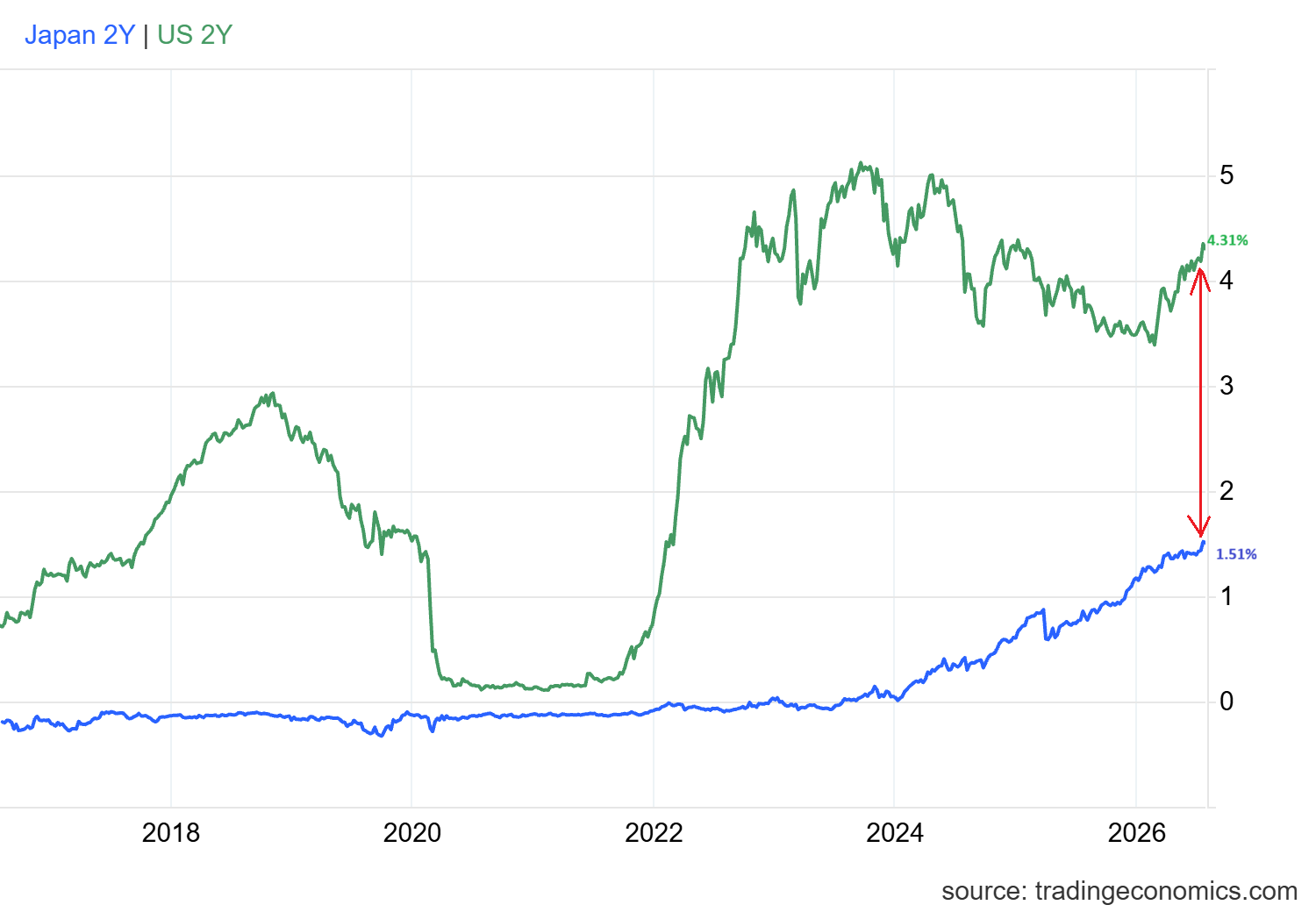
If the BOJ hikes rates and US yields drop, USDJPY may retreat to the 152-155 area. But a BOJ rate hike and another US rate increase would drag the pair back towards 160.
USDJPY Technical Analysis as Pullback Reaches Key Support
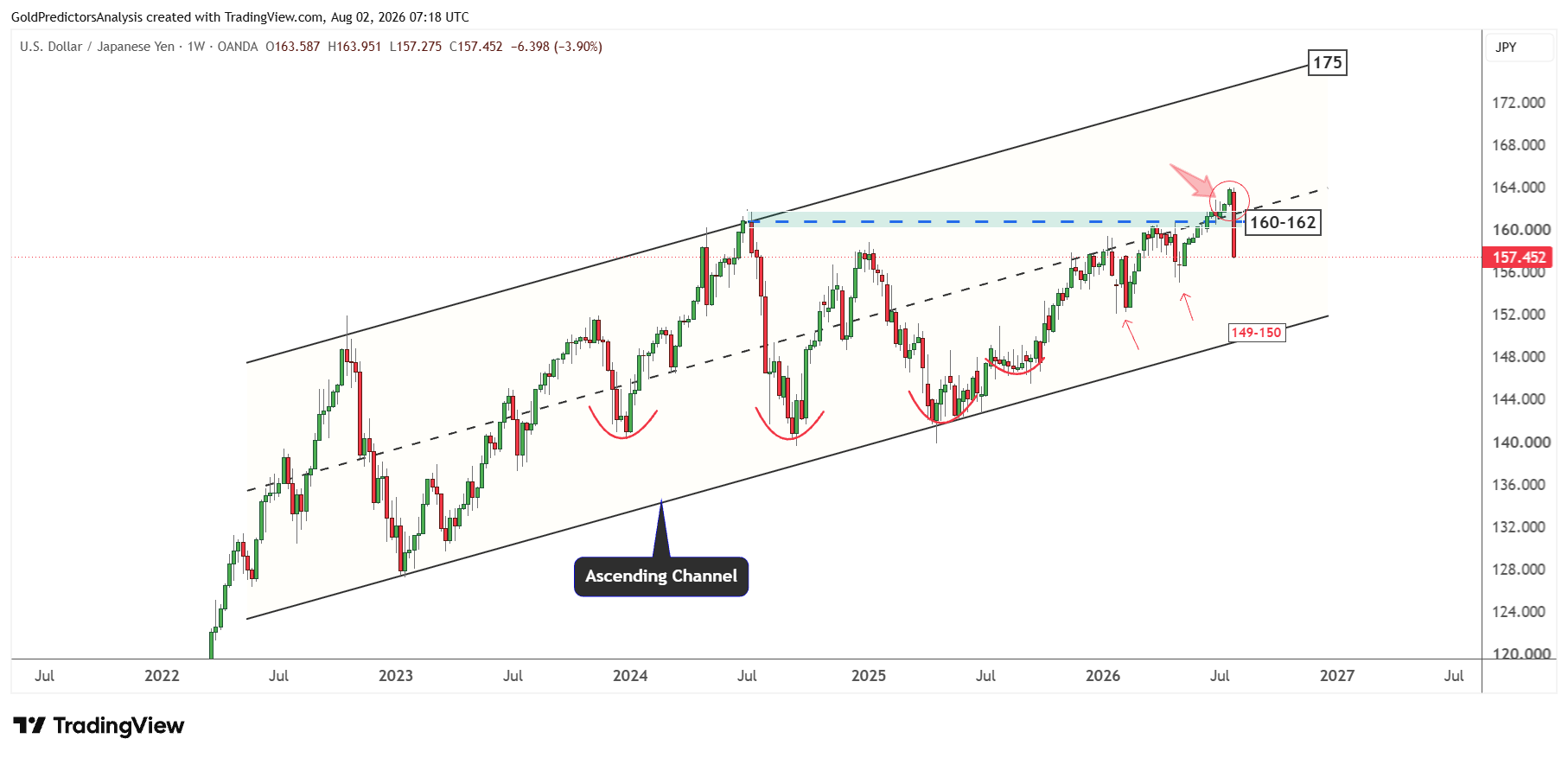
USDJPY dropped after marking a high at the 164 level and closed the month below the 157 level. This means that the breakout above the 160 level, which was triggered in June 2026, failed. USDJPY still needs to consolidate below the 160-162 area.
The weekly chart below shows that USDJPY has been trending within an ascending channel pattern since the January 2023 lows. If USDJPY continues to drop below 157 next week, it will likely continue its momentum toward the 149-150 area as seen by lower support of the ascending channel pattern.
The importance of the current support zone is highlighted on the daily chart, which shows that USDJPY closed slightly below the rising trend line and the 200-day SMA.
But this was the last day of the month, which triggered strong volatility in the financial markets. This means that a recovery above 158 next week and continued upside momentum may allow the pair to rally toward the 160 area.
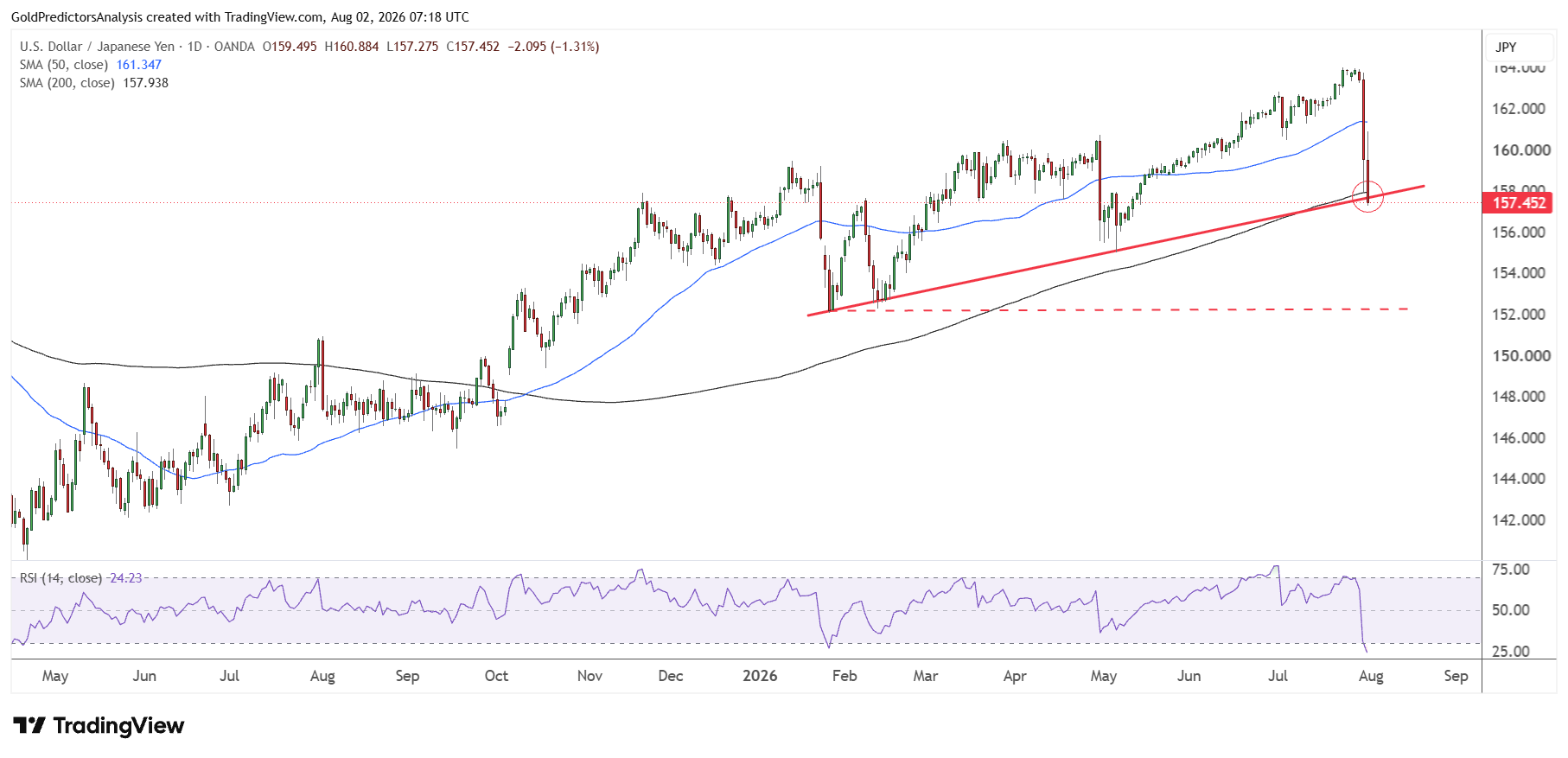
However, if the pair continues to drop below the 157 level, it will open the door for a continued decline toward the 152 area. This level is marked by the red dotted support line.
But the RSI indicator shows an extremely oversold condition in the short term and indicates a rebound before the next drop. A recovery above 161.50 will suggest that the bottom has formed. This bottom may allow the pair to continue upside.
In Closing
The BOJ has opened the door to another interest rate hike. Rising producer prices, strong wage growth and higher inflation expectations support the tighter policy. The weak yen also increases imported inflation. In my view, the BOJ may raise the policy rate to 1.25% in September or October. It could delay the move if inflation eases or the yen continues to recover.
The higher Japanese interest rates could place further pressure on USDJPY. A continued decline below 157 may push the pair toward the 150-152 area. But the oversold conditions could trigger the short term rebound first. A recovery above 161.50 would indicate that the bottom is confirmed and the pair is ready to move higher again.
Read more: BOJ Rate Hike to 1.25% Puts Japanese Yen in Focus