The interest rate outlook in the UK has shifted dramatically, as the Bank of England is under new pressure from higher energy costs, rising gilt yields and political turmoil. The earlier rate cut hopes have been lost as the market is now under fears of a new inflation wave from oil, gas and imported energy costs. Now the BoE has to maintain its credibility to prevent inflation, while keeping the faltering economy from further contraction.
GBPUSD is being weighed down by the strong U.S. dollar, while EURGBP is weighed down by the disparity in rate expectations between the BoE and ECB. This article outlines the BoE interest rate outlook and how inflation in the UK, gilt market stress and central bank policy could influence GBPUSD and EURGBP.

BoE Interest Rate Forecast: Inflation Risk Returns to the Center
Higher Energy Prices Lift Headline Inflation Risk
The prospects for interest rates in the UK have turned dramatically. The market was looking to cut interest rates previously due to weak growth, soft demand and household pressure. This view has now changed as the market is looking for a different setup.
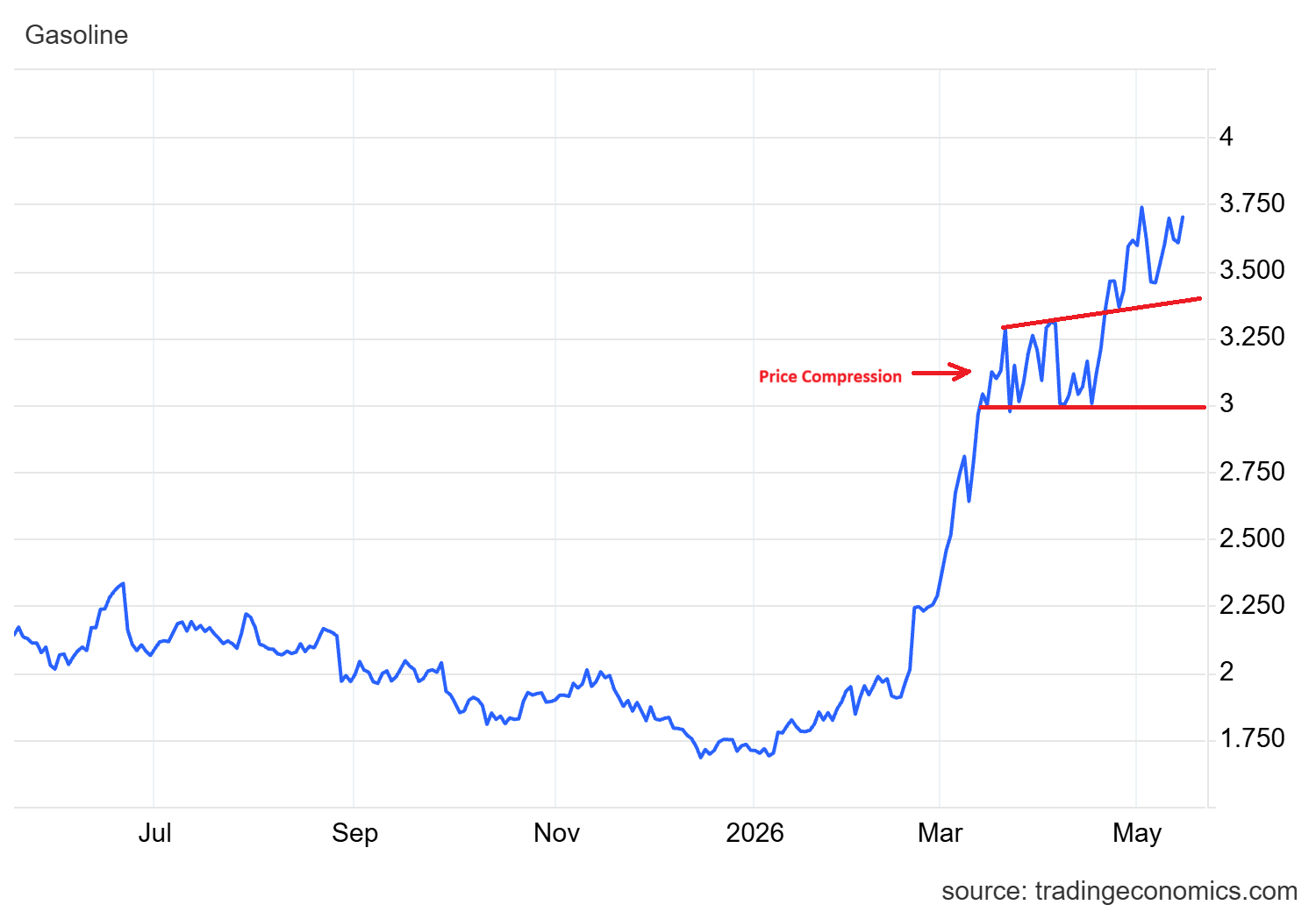
It matters more for the UK as it is a highly dependent country on imported energy. When energy prices rise, they can be added to electricity bills, transport prices and business input costs. That means the BoE’s inflation journey will be more challenging.
The BoE has already issued a warning that inflation could be worse if energy prices remain high. Before the war, the central bank was anticipating that inflation would return to its 2% goal. The danger now is that headline inflation starts to shoot up again and continues to strengthen wage demands.
Brent Oil Price Forecast
Every new Brent Oil analysis as it publishes, today's technical signal and key levels, live price — on one page.
See all Brent Oil forecastsWeak Core Inflation Limits the Case for Aggressive Rate Hikes
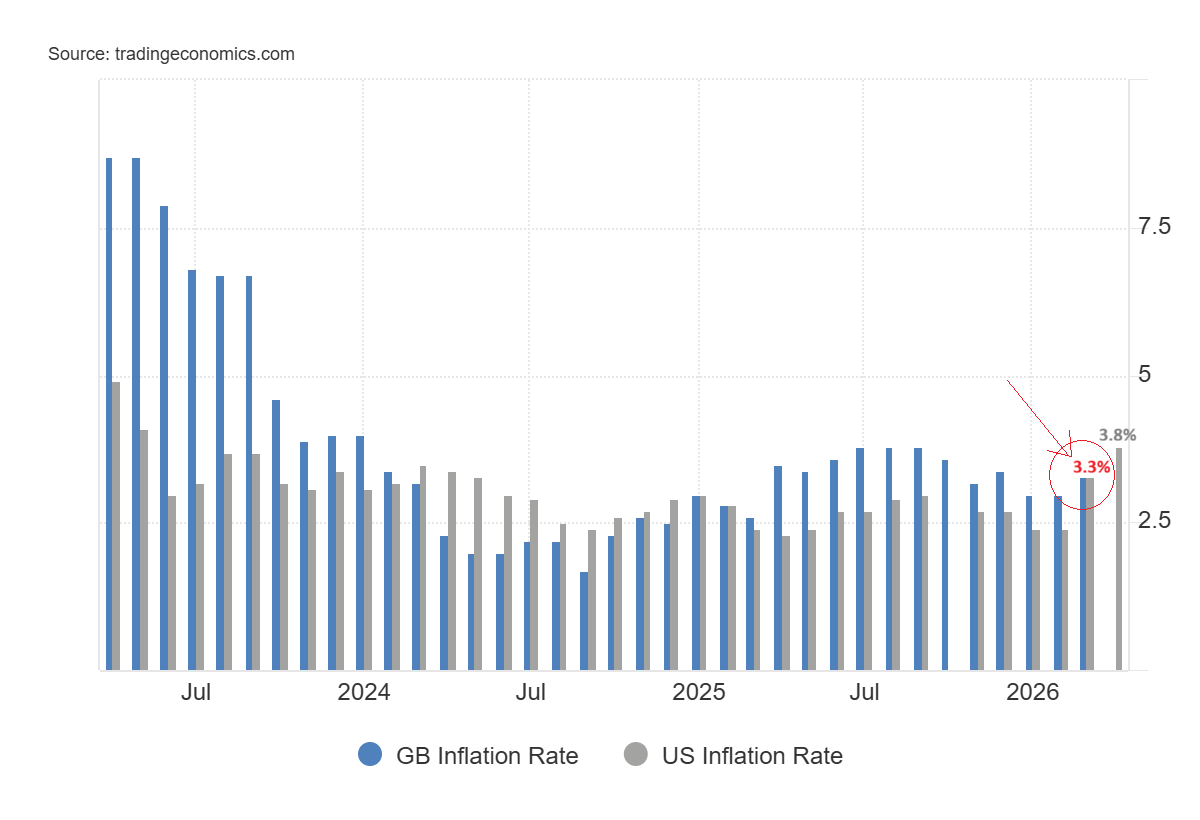
The chart below shows that the headline inflation for UK increased to 3.3% in March.
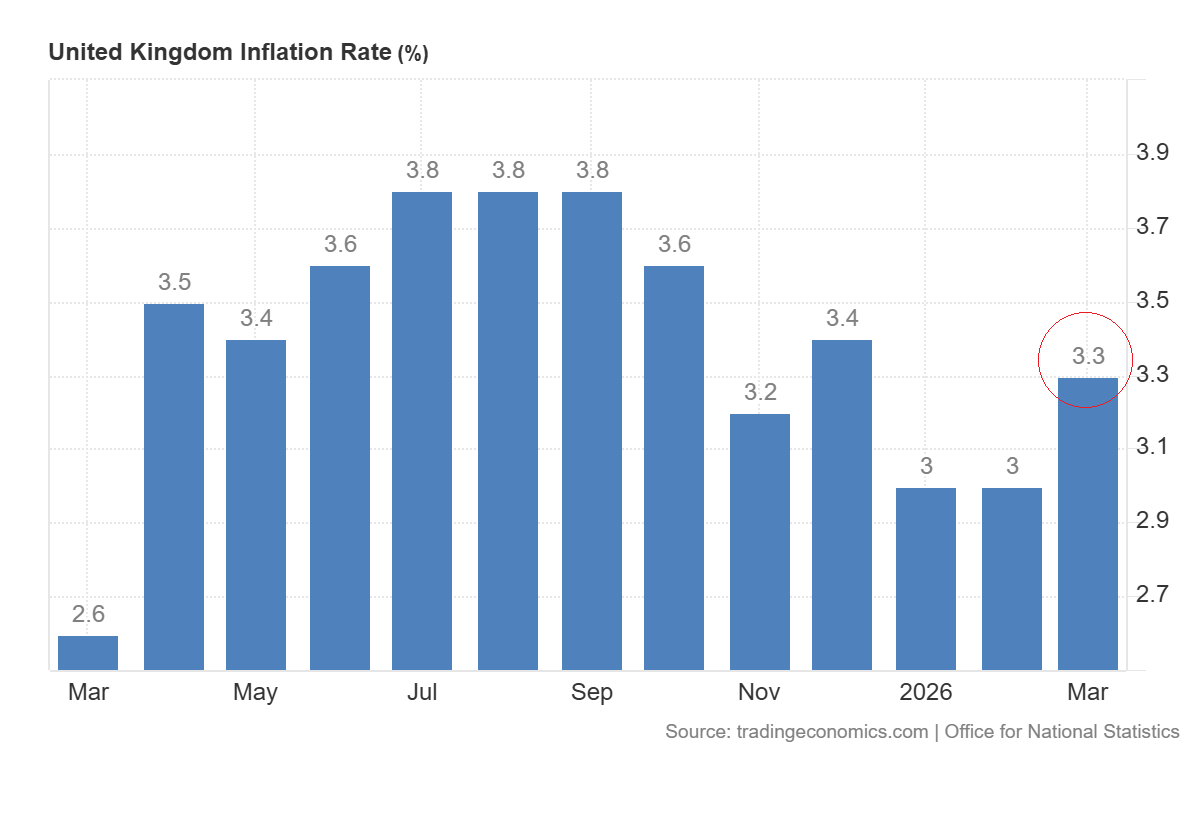
But the core inflation rate was 3.1%, slightly lower than the last month. This gap in the headline and core inflation indicates that the UK inflation in March was concentrated in energy and external costs and not the broad domestic demand.

The drop in core inflation figures indicates that the underlying price pressure is weaker, which suggests that the demand is not very strong and businesses have less pricing power. This also suggests that the economy may be slowing.
This suggests that the BoE policy now depends on the energy prices in May and June. If the energy prices remain high in May and June, the energy inflation will likely transfer to the broader inflation which will likely make it more difficult for the BoE to cut rates.
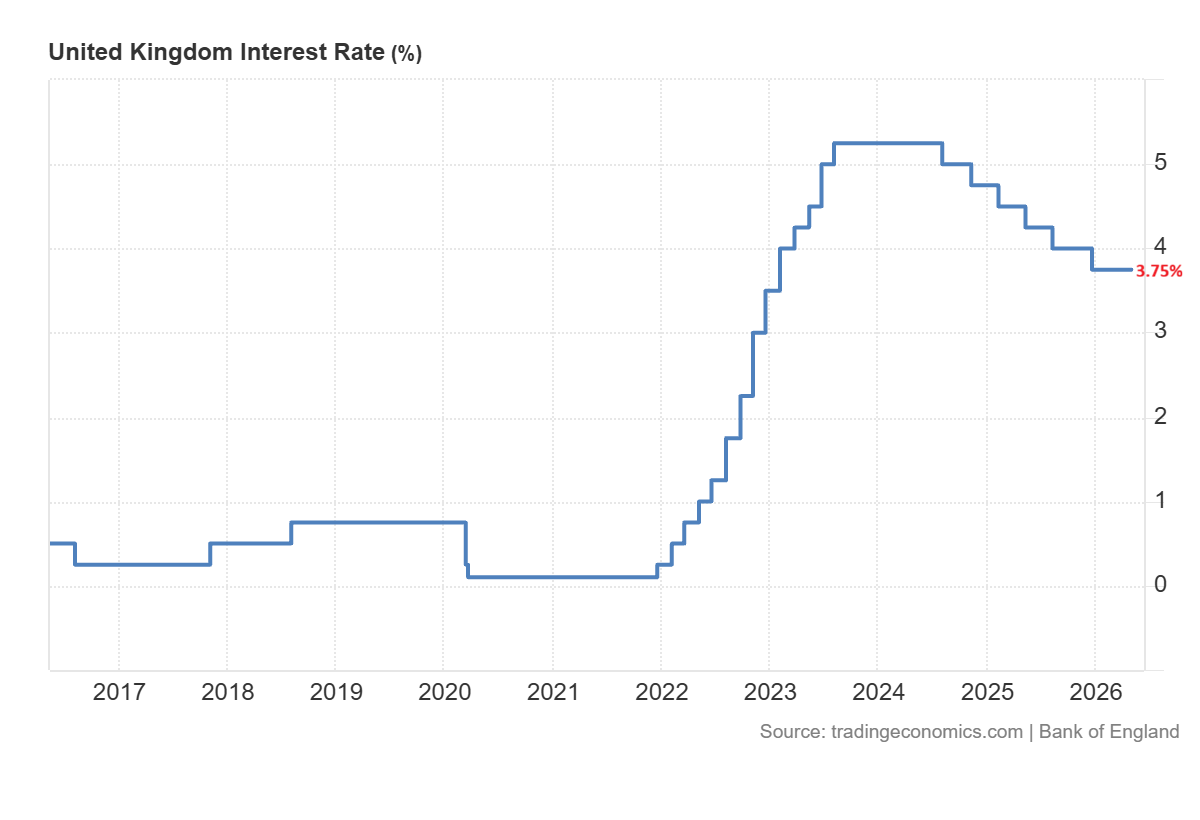
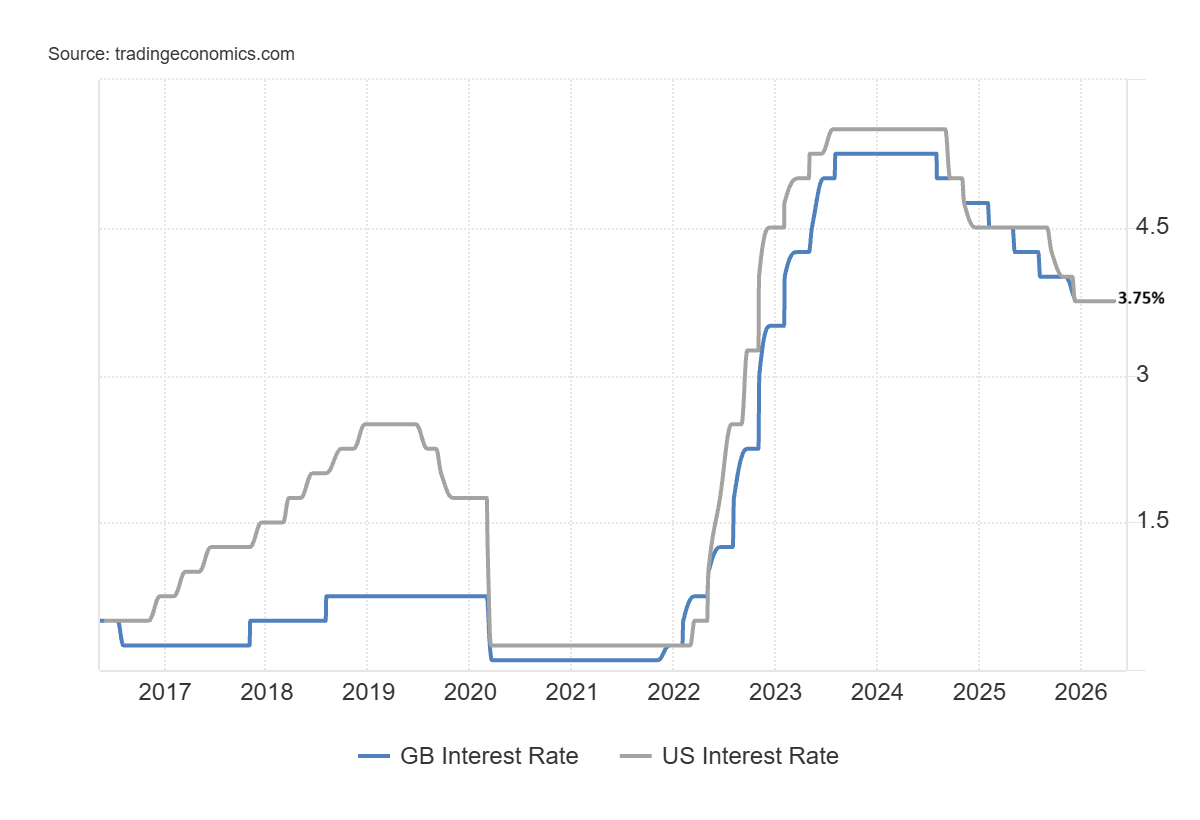
The market is not expecting further rate cuts this year due to higher energy prices. This has turned the market to more hawkish trajectory. The market expects the BoE to maintain its current rate of 3.75% this year.
Financial markets are more aggressive and have priced in multiple increases. This is a significant gap. It indicates investors are more worried about inflation than economists are about recession.
The BoE is now left with two risks. Rates that remain too low could lead to an increase in inflation and negatively affect credibility. If the rates increase significantly, the economy will decelerate further. This places the upcoming policy meetings as important policy meetings for UK assets.
Gilt Yields Show Why the BoE Cannot Turn Dovish Too Quickly
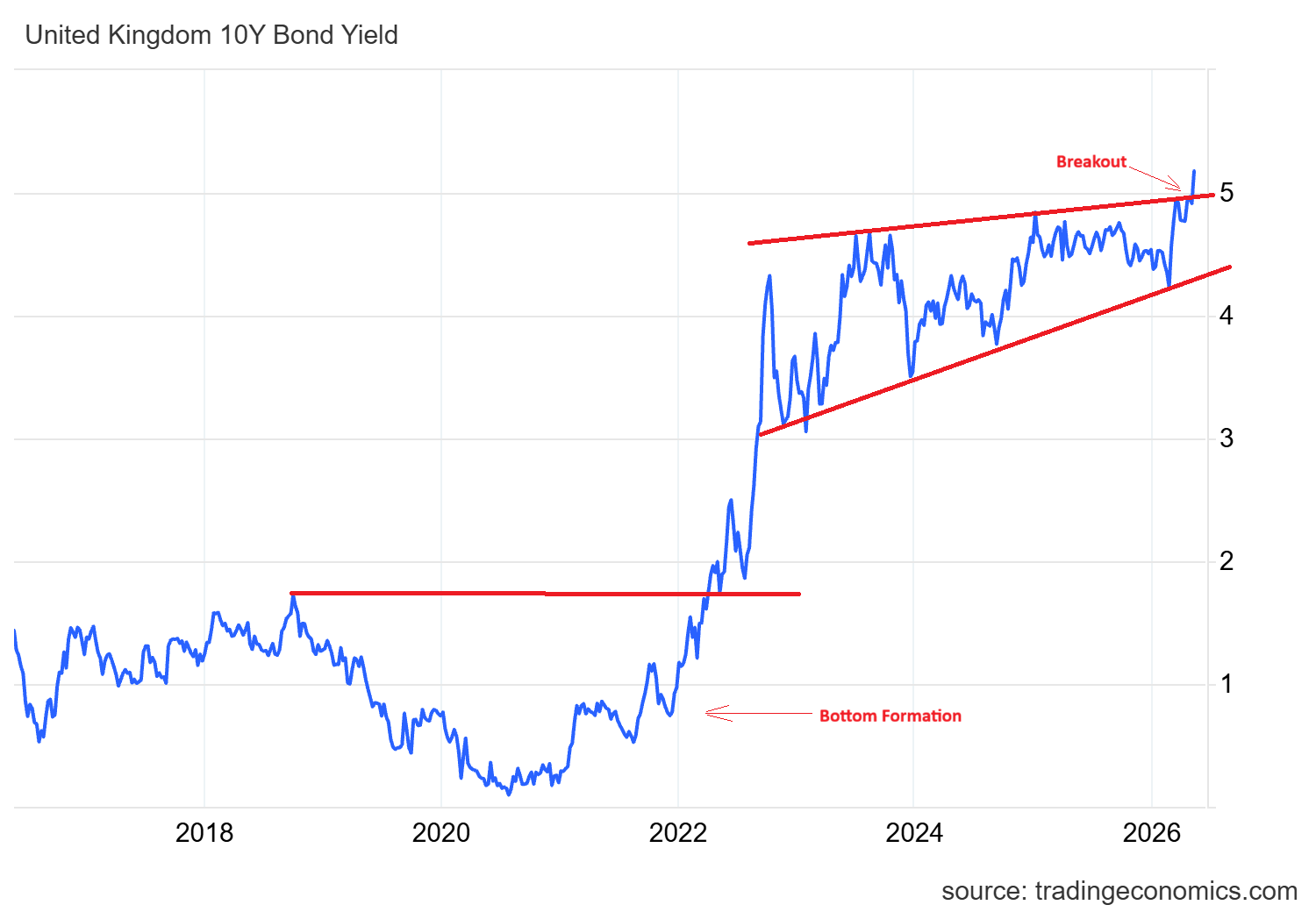
The gilt market is sending a clear message. The yield on the UK 10-year gilt recently spiked up to 5.18% which is the highest level since 2008. This is much greater than similar yields in the United States and Germany. It reflects a higher risk premium being demanded by investors on UK government debt.
Political uncertainty is a reason. Prime Minister Keir Starmer is under pressure and investors fear that if he does lose his leadership position, fiscal policy would loosen. The Liz Truss shock is still on the radar. Investors have long been reminded of unfunded plans to cut taxes which had a negative impact on gilts and caused the Bank of England to intervene.
But there is more to politics than meets the eye. The UK gilts also have a higher inflation risk, higher volatility and lower structural demand from long-term domestic buyers. In the past, pension funds and insurers bought long-dated gilts to match liabilities. Gilt prices are now more sensitive to shocks due to increased participation by more foreign and short-term investors in the gilt market.
This is important when determining the interest rate prediction. Before the BoE hikes rates, the tightening of financial conditions is caused by high gilt yields. The cost of mortgages, business loans and government interest payments increases. Higher gilt yields may be in prospect if the BoE is seen as too dovish amid an increase in the inflation threat. That’s why the central bank may need to maintain a hawkish stance, although it may not immediately hike rates.
Based on the chart below the US 10-year gilt has broken the triangle pattern at 5% and looks for further upside. The formation of base patterns and then the triangle breakout suggest continued upside.
GBPUSD Forecast: BoE-Fed Rate Gap Drives Sterling Outlook
BoE Hawkish Pressure Supports the Pound
GBPUSD fluctuates between the BoE hawkish pressure and the US dollar strength. In normal circumstances, a higher rate path should provide support to the pound. But if markets are anticipating the BoE will maintain higher rates for a longer period, then sterling may draw in the yield sensitive flows.
But the US dollar is also strong due to the Federal Reserve’s hawkish pressure. The market expectation of the Federal Reserve keeping interest rates higher has been factored into U.S. markets following robust inflation data. According to the CME FedWatch tool, the investors now expect 40.9% likelihood of Fed to increase rates by January 2027. This weakens the pound against the US dollar.
U.S. Dollar Strength Limits Sterling Recovery
The relative policy difference between the Fed and the BoE also impacts the GBPUSD. The chart below shows that the interest rates for both economies remain at 3.75%. If the BoE proves to be more hawkish than the Fed, GBPUSD could find a way to get back to its former glory. The pair could find themselves in a dilemma if both central banks become hawkish. If so, political risk and gilt volatility will continue to be a hurdle for sterling.
The chart below shows that the inflation for the UK and the US increased at the same pace in March 2026 at 3.3%. But the US inflation rate increased to 3.8% in April. Now, the UK inflation rate data this week will show the difference in inflation pressure in both economies.
There are three conditions for the bull market to be stronger for GBPUSD. Firstly, there needs to be some inflation in the UK that is high enough to keep the BoE rate hike expectations alive. Secondly, the gilt market needs to be normalised. Third, there has to be a slowdown in the U.S. dollar. If these conditions are not met, GBPUSD could continue to see sharp price movements.
A bearish outlook for GBPUSD may develop if political pressure increases significantly in UK and investors sell gilts and sterling. If this is the case, then a rise in UK yields will not have an impact on the pound. Instead, they would indicate stress.
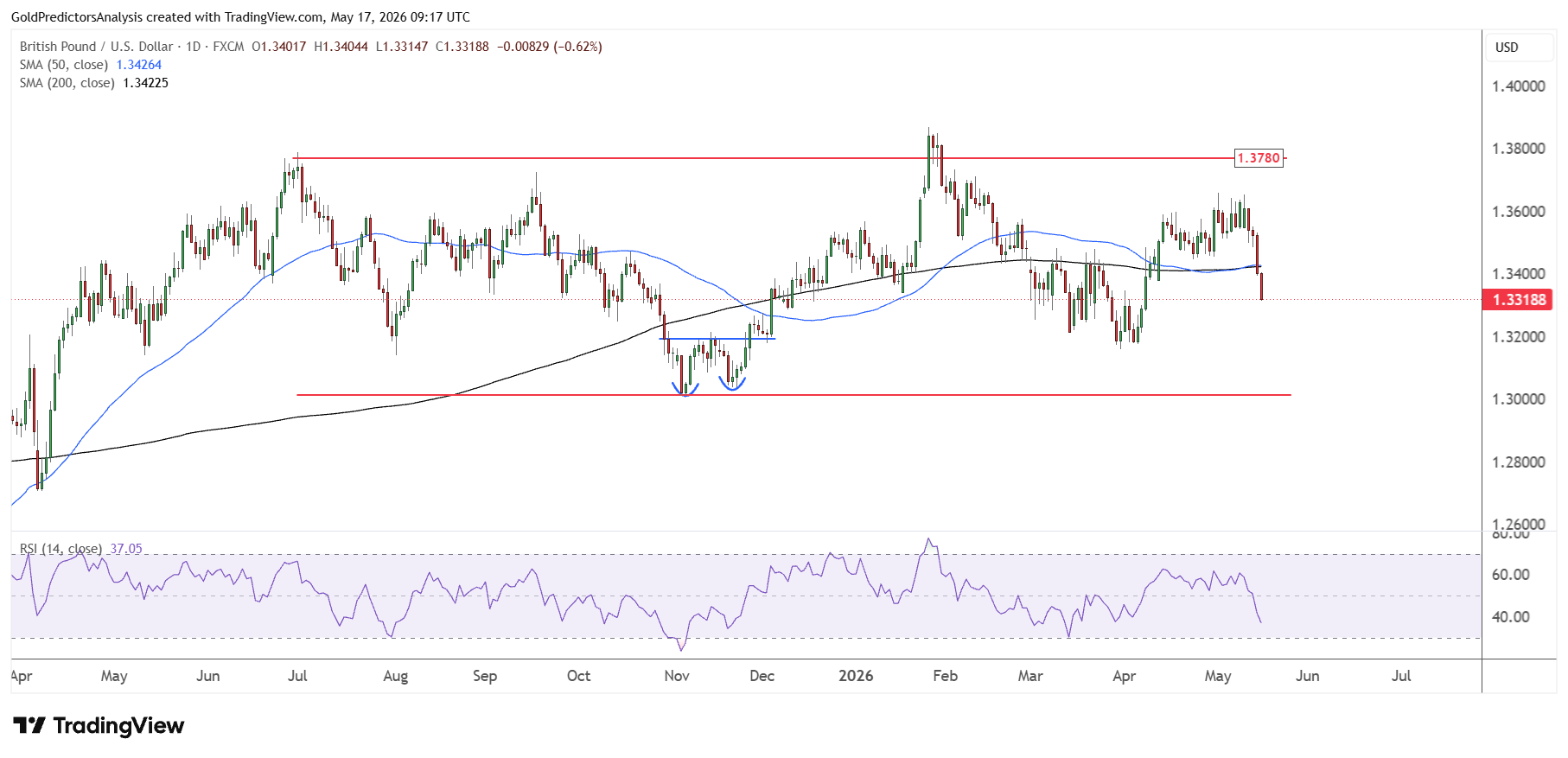
From technical perspective, the pair is consolidating between 1.3780 and 1.30 levels. A break of this range will define the next move. However, the strength in the US dollar index last week is pushing the pair to the lower range towards 1.30. The short-term direction has been tilted to the downside due to the US dollar strength.
EURGBP Forecast: BoE-ECB Rate Gap Drives the Pound
UK Inflation Gives Sterling a Rate Advantage
The EUR/GBP is more clearly on an interest rate theme. The UK has higher inflation pressures than the euro zone and UK yields are much higher than German yields. The chart below shows that the UK inflation has surged to 3.3% in March while the euro zone inflation was at 3% in April. This enables sterling to gain an interest rate edge over the euro.
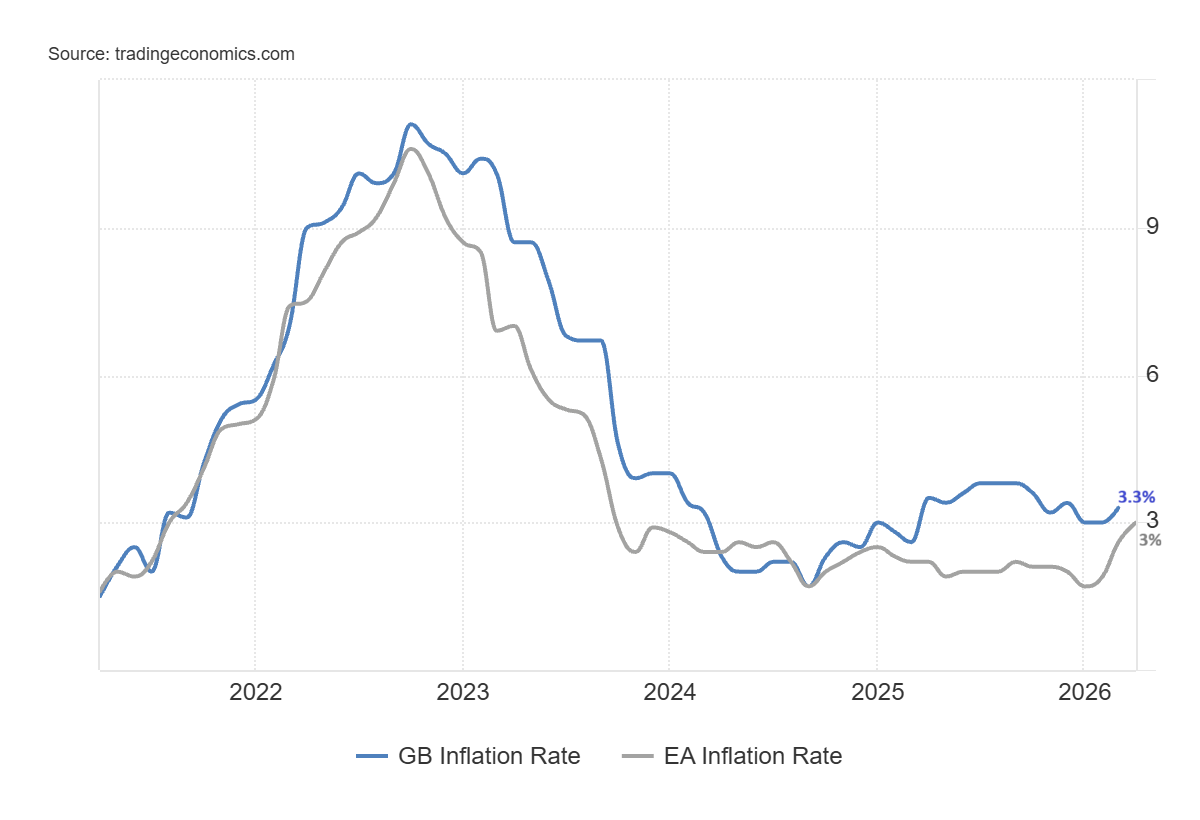
Earlier, the euro zone was on the path toward its inflation target without the impact of the Iran-related energy shock. The inflation in the UK increased because of regulated increases in utility prices and higher wage growth. This will make the BoE more cautious than the ECB.
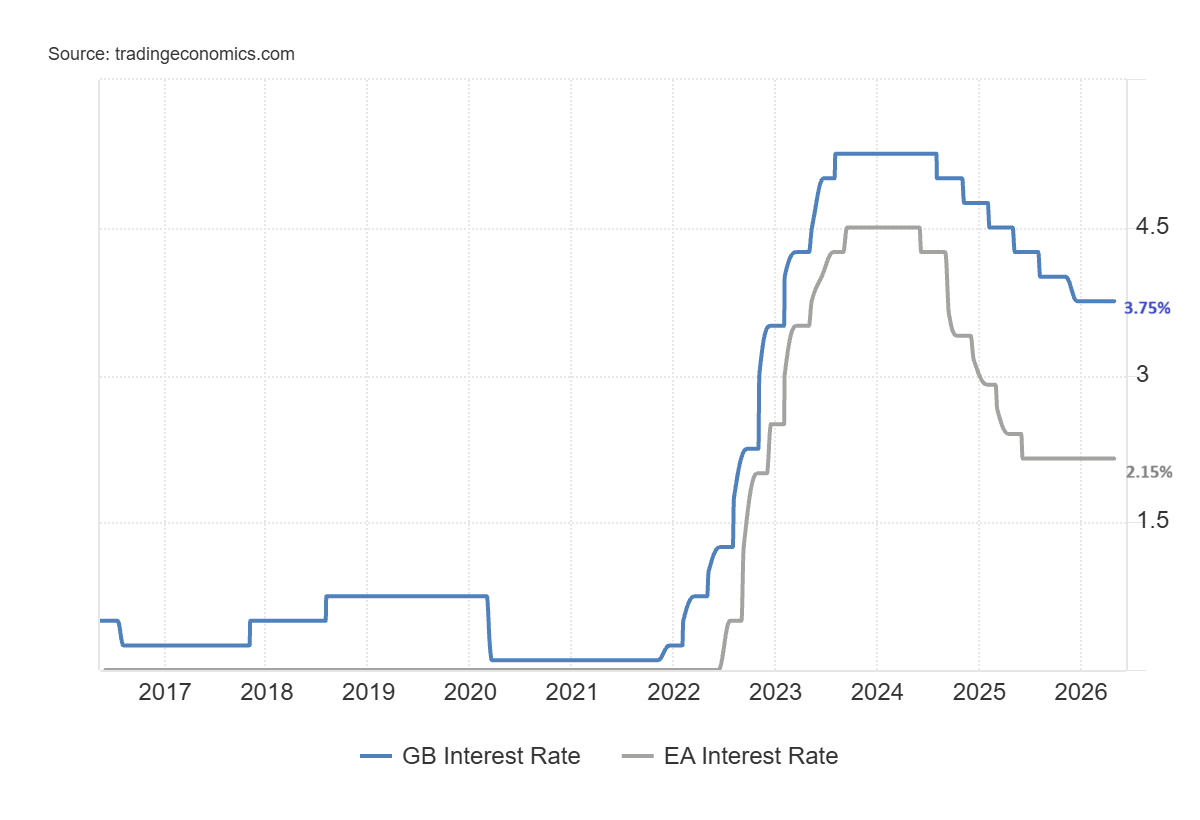
As markets persist in pricing in a BoE hike and the ECB is more neutral, EURGBP may be vulnerable to bearish pressure. But the market uncertainty after the US-Iran war has created volatility which is keeping the pair in a neutral zone. The chart below shows a big difference in the interest rate between the UK and the eurozone. The rate differential would have a positive impact on the pound if it remains steady and political worries in the UK abate.
Gilt Volatility Keeps EURGBP Breakout Risk Alive
But EURGBP isn’t just about rates. There is always the risk that the UK gilt market will become volatile, so investors might opt not to invest in sterling even when it offers a higher yield. In this case, the EURGBP can rise even if the rates remain higher in UK. This is the major risk.
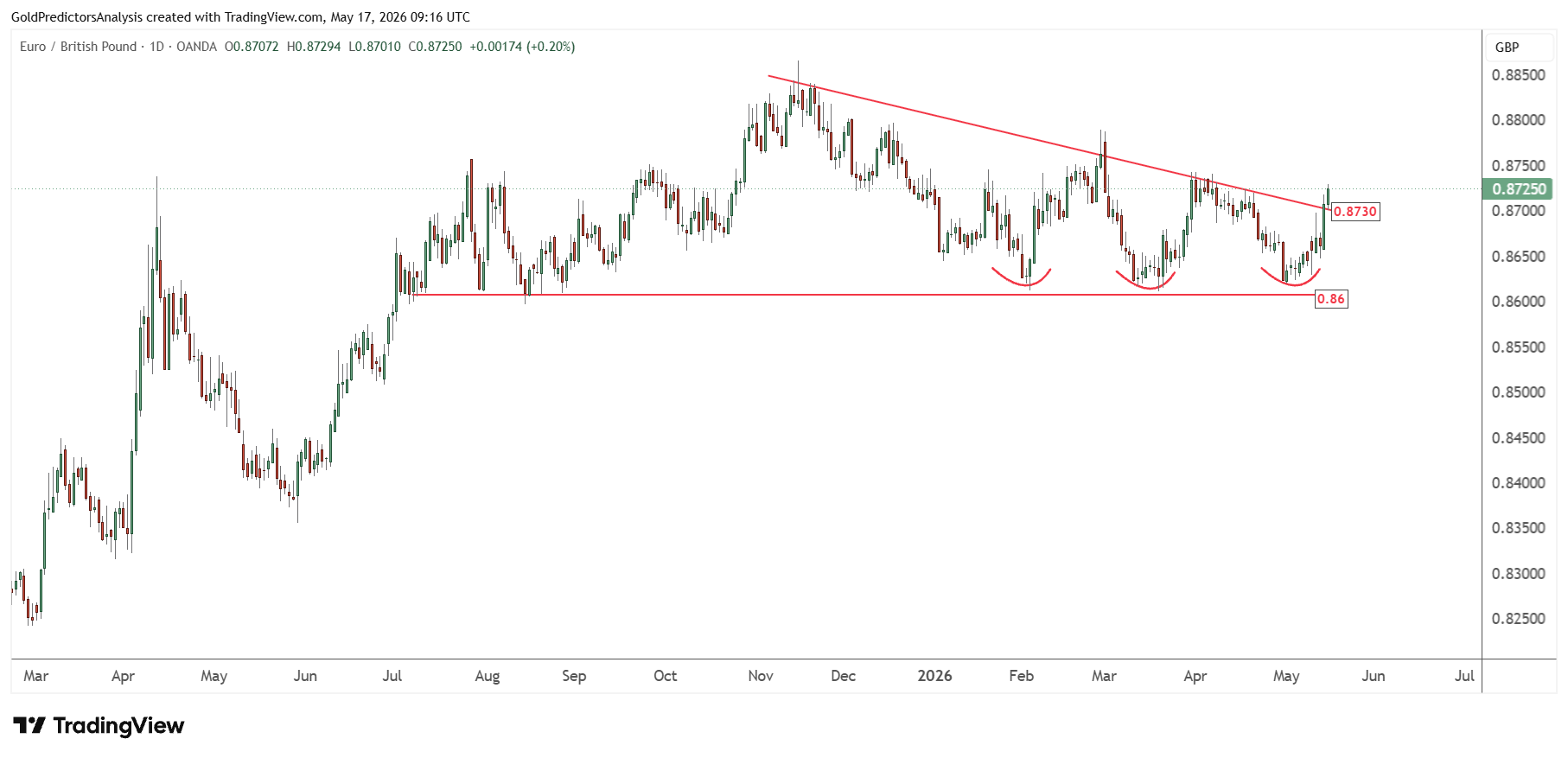
From the technical perspective, the EURGBP has broken the key level of 0.8730 which indicates a positive move towards 0.88. However, the pair is showing strong consolidation after the US-Iran war which increases the risk of further volatile moves in the pair. As long as the pair remains above 0.86, the likelihood of an upside breakout is higher.
In Closing
The BoE outlook on interest rates has changed from rate cut sentiments to rate hike risk. The road of policy is becoming more challenging given the higher energy prices, higher gilt yields and political uncertainty. The Bank of England can’t be dovish with the threat of high headline inflation, but it can’t move quickly either. This allows the UK yields to remain high and the sterling to be vulnerable to sudden changes.
GBPUSD requires support of the BoE and depreciation of the USD. EURGBP is dependent on the rate premium and volatility in the UK gilt market. Banks and energy companies could keep the FTSE 100 in check, but valuations are still under question as costs of borrowing increase. Overall, the markets in the UK now depend on whether inflation remains ‘energy-led’ or becomes ‘wage-led’ and whether it also spreads to services and broader prices.
Read more about RBA Interest rates: Oil, Inflation and China Shape AUDUSD and ASX 200