
The global interest rate market is facing a challenging time as inflation, energy crises and fiscal pressure collide across key economies. The Fed does not send a clear dovish message but the long term bond yields across the U.S., U.K., the eurozone and Japan signal growing worries about debt, deficits and inflation risk. This change is important for currencies, as the higher yields in the U.S. support the US dollar.
On the other hand, rising JGB yields, Europe’s fiscal problems and U.K. gilt pressure create mixed signals for USDJPY, EURUSD and GBPUSD. This article presents the interest rate outlook, pressure on long-term yields and the technical outlook for USDJPY, EURUSD, and GBPUSD.

Fed Policy Faces a Harder Choice as Inflation Risk Builds
The Federal Reserve kept benchmark rate unchanged in the 3.5% to 3.75% target range at the last meeting. But this decision was not easy. Four officials voted “no.” This is the largest number of “no” votes since the 1992. That indicates clear disarray within central bank.
The main global issue is inflation. The Iran war has pushed up energy prices and increased the likelihood that inflation will remain above the Fed’s 2% target in the near future. Some officials remain hopeful the Fed will lower the rates again when inflation slows or the job market weakens. But most cautioned that further policy tightening would be needed if the inflation rate remains high.
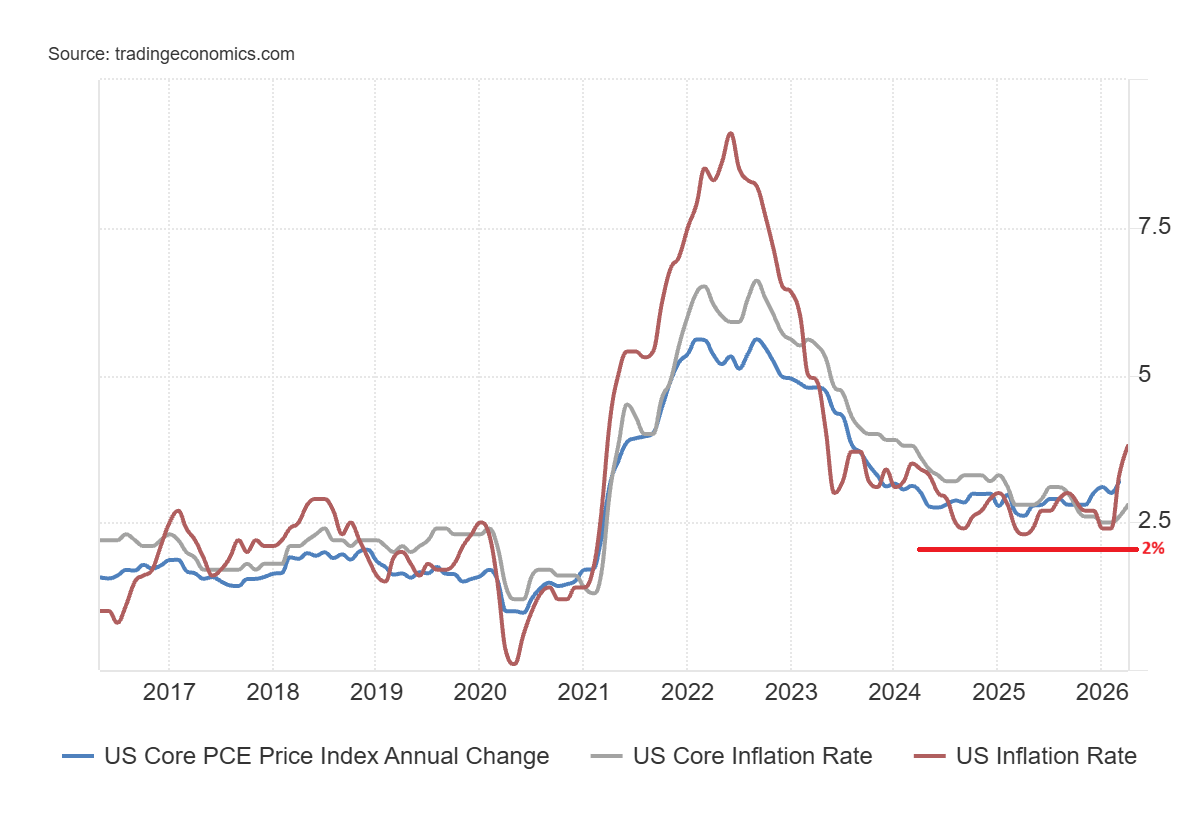
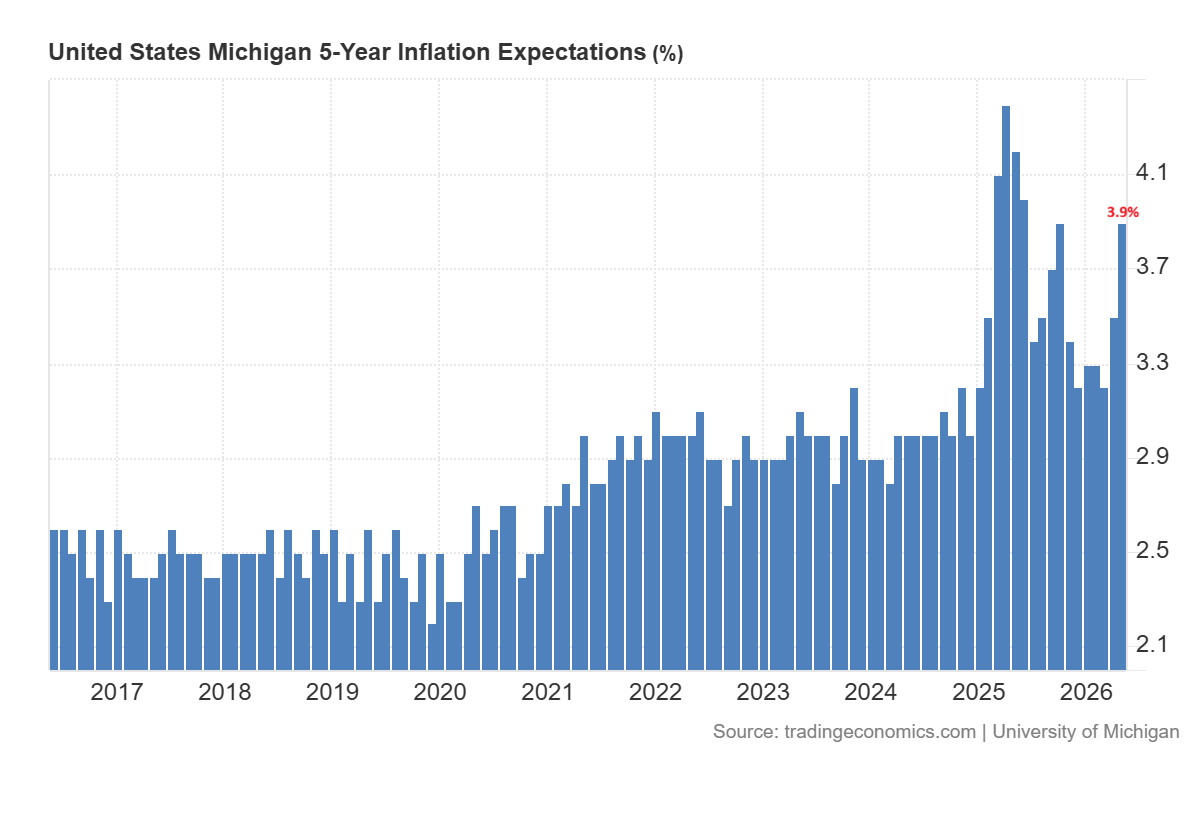
The Fed is not necessarily speedy, but the bias has now become less dovish. The market now does not expect a rate cut this year. If energy prices remain elevated and inflation continues to rise during late 2026, a rate hike could come the next year. According to the University of Michigan survey, the five-year inflation outlook in the United States has surged to 3.9% which is the highest since June.
New Fed Chairman Kevin Warsh now faces difficult situation. President Trump expects the rate cuts, but markets are discounting higher chance of rate hikes. Warsh will have to convince the committee that productivity gains from AI can offset the inflationary impact from increased energy costs. If inflation numbers continue to increase above 3%, it will not be easy.
EUR/USD Price Forecast
Every new EUR/USD analysis as it publishes, today's technical signal and key levels, live price — on one page.
See all EUR/USD forecastsTreasury Yields Signal Rising Fiscal and Inflation Stress
U.S. Treasury Yields Keep Pressure on Markets
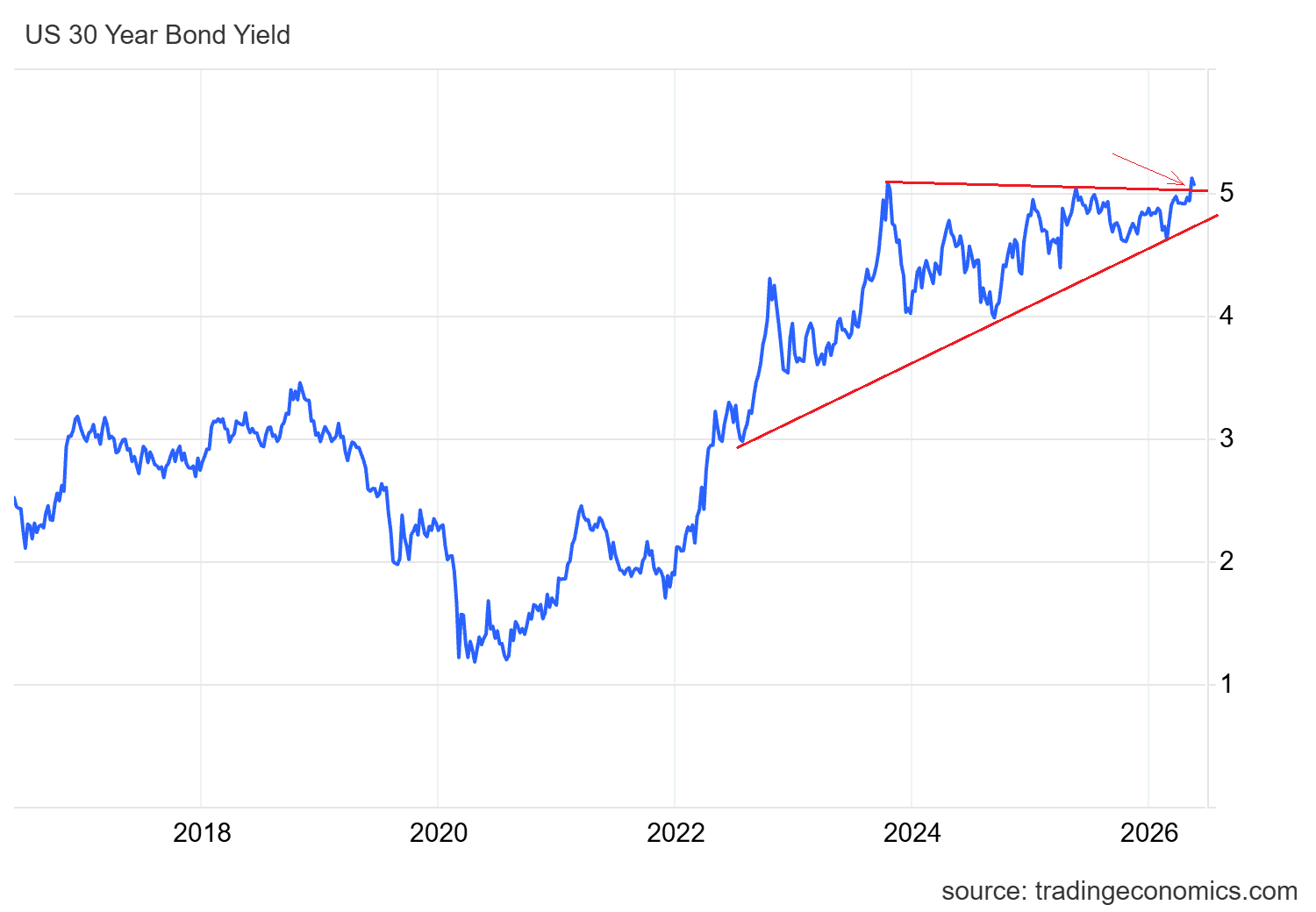
This pressure extends beyond the short term interest rates. The long term government bond yields are also increasing. The 30-year U.S. Treasury yield surged above 5.0% and hit 5.15%. After hitting 5.15%, it starts to correct. The Fed raised its rate risk to curtail inflation as the 30-year U.S. Treasury yield surged and settled above 5.0%. The gesture is significant because long-term yields are an indicator of fears of inflation, fiscal risk and investor confidence in government debt.
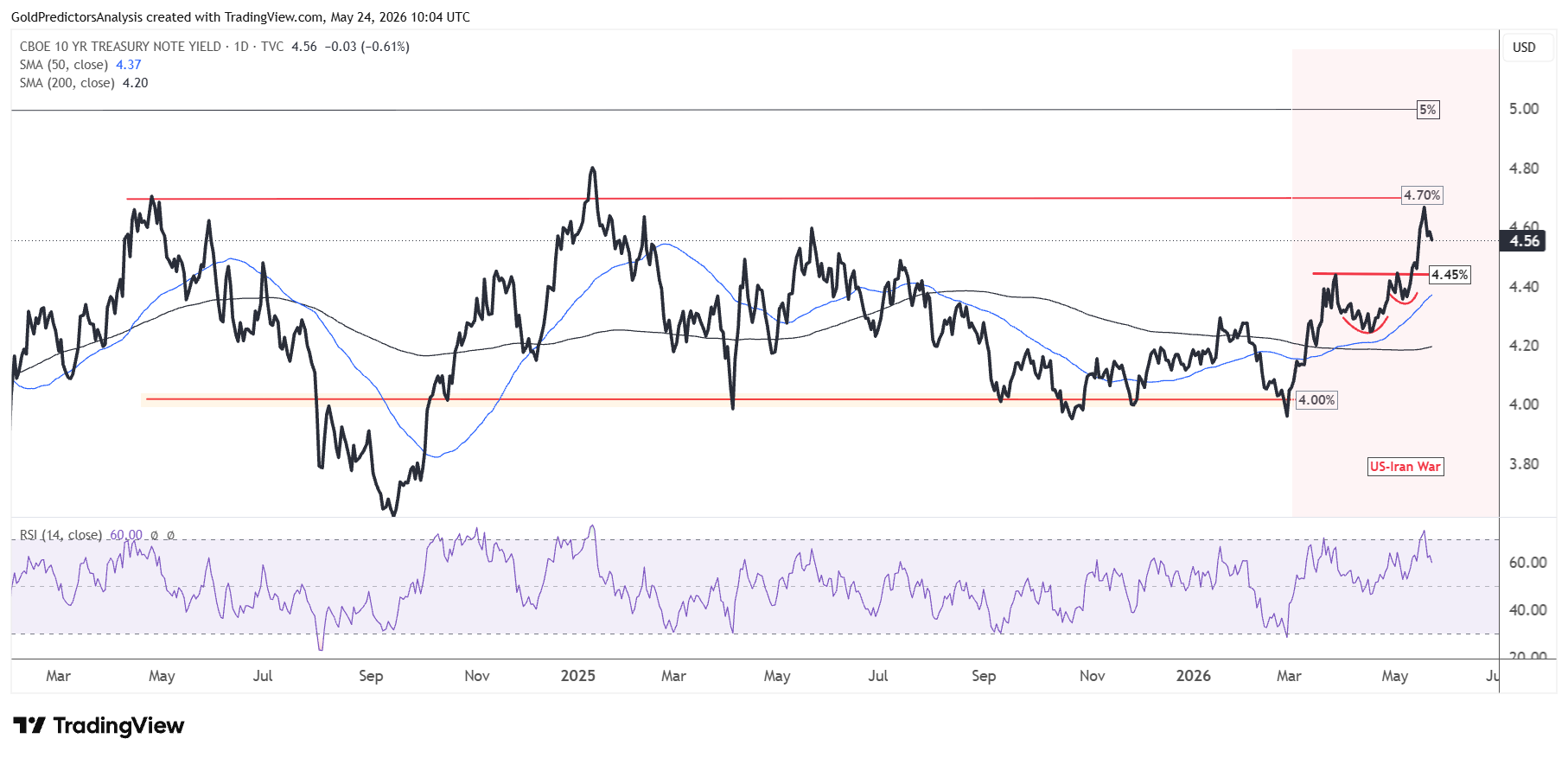
On the other hand, the 10-year US Treasury yields also hit my target of 4.70% and corrected lower. If the 4.45% holds, then the 10-year yields will target 5% in the near future.
Higher long term yields lead to a vicious cycle. Rising yields above inflation put governments under greater pressure with increased interest costs. If they issue more debt to cover those costs, that will increase the debt in the financial system. The debt to GDP ratio is already surging higher, and increased capital and war spending are already fueling pressure.
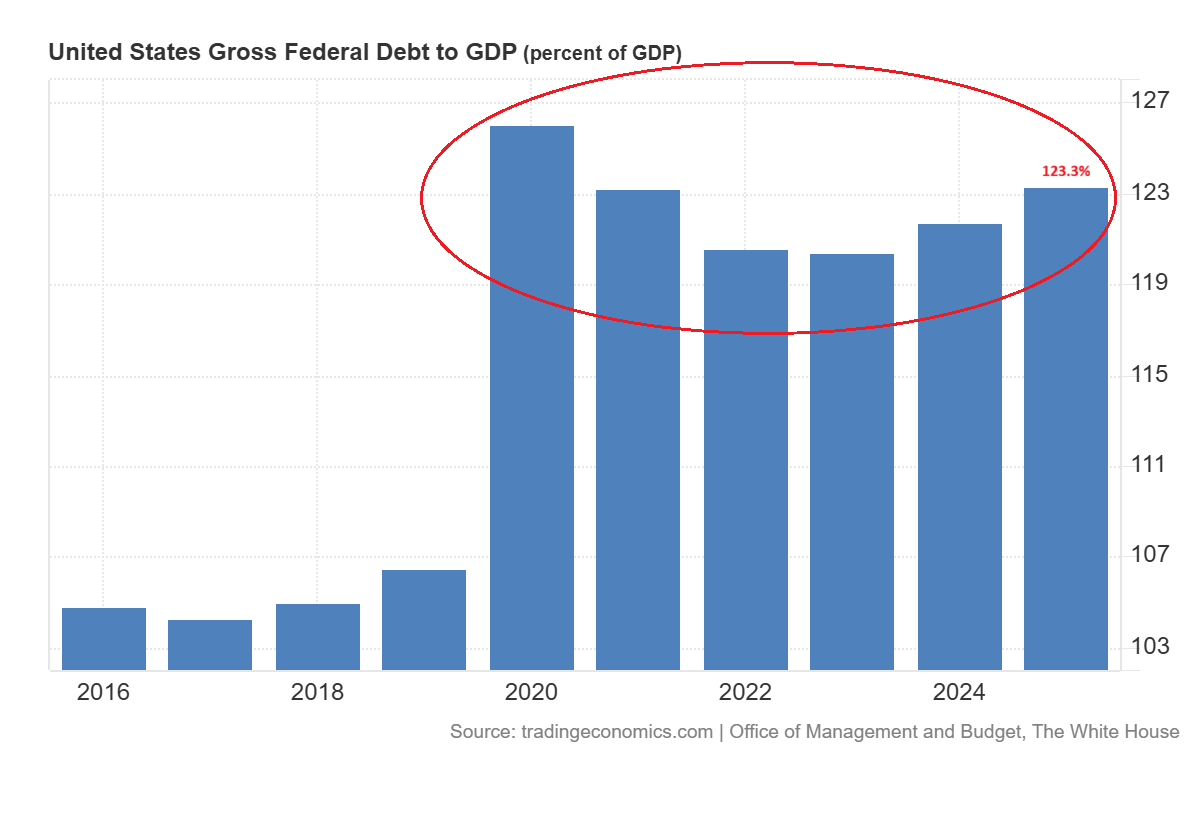
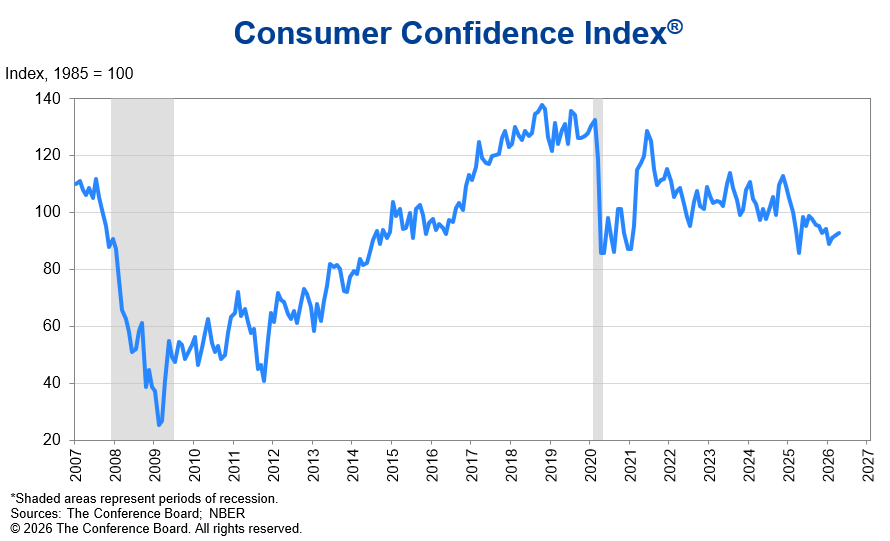
This can make people less confident in government finances and drive yields further higher. The higher yields feed into the real economy by raising borrowing costs for households and businesses. The chart below shows that the consumer confidence edged up by 0.6 points in April but remains in strong downtrend due to energy concerns.
Global Bond Stress Spreads to the U.K., Europe and Japan
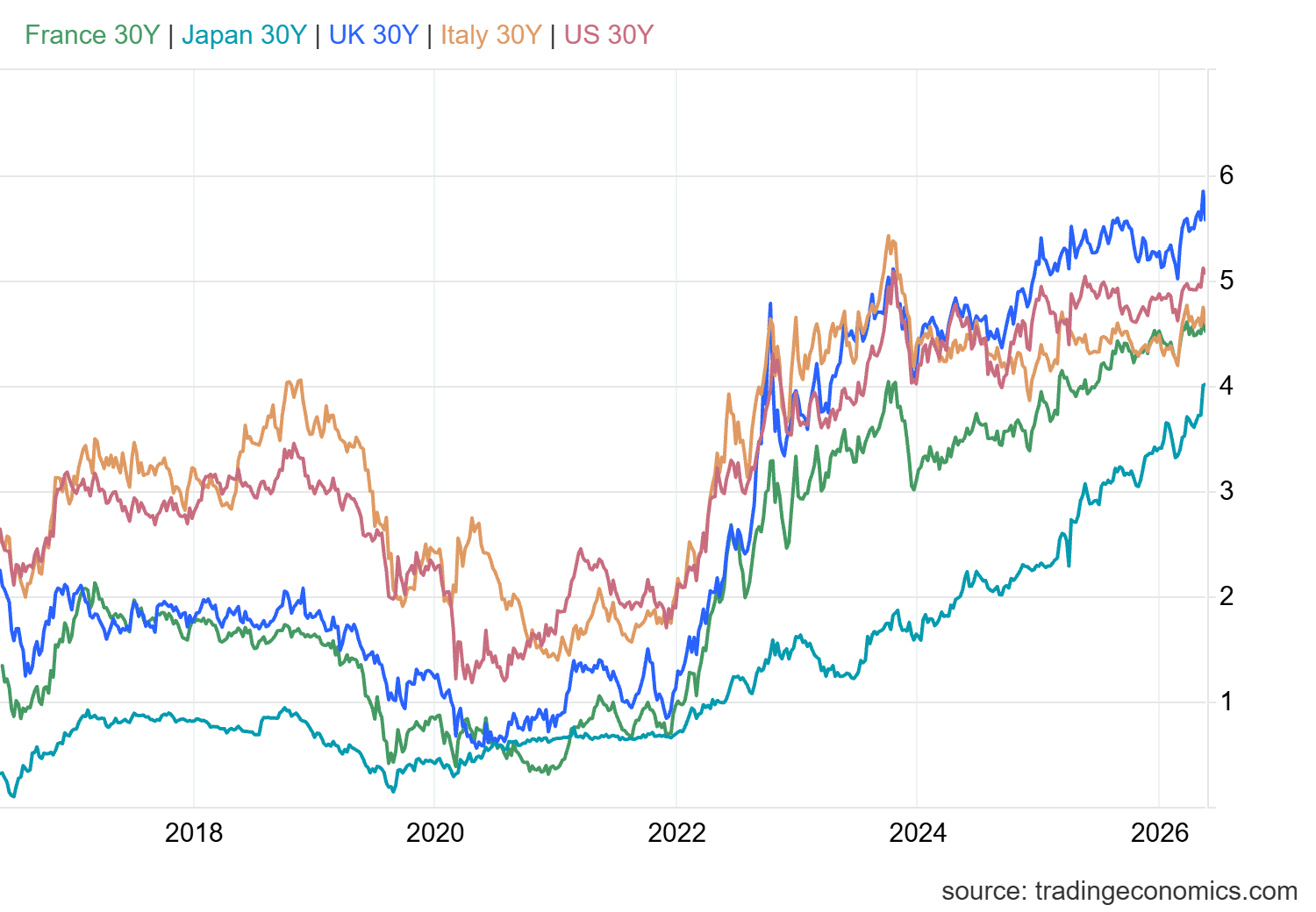
The same pressure is also observed in other key economies. The chart below shows that the U.K. 30-year gilt yield increased to 5.85%. The yields on French and Italian 30-year bonds also increased. The Japan 30-year JGB yields reached 4.20%.
Japan faces greater stress as the 30-year JGB yields surged by more than 1100% over the past decade as seen in the chart below. This is important because Japan is already highly leveraged and higher yields mean more pressure on public finances.
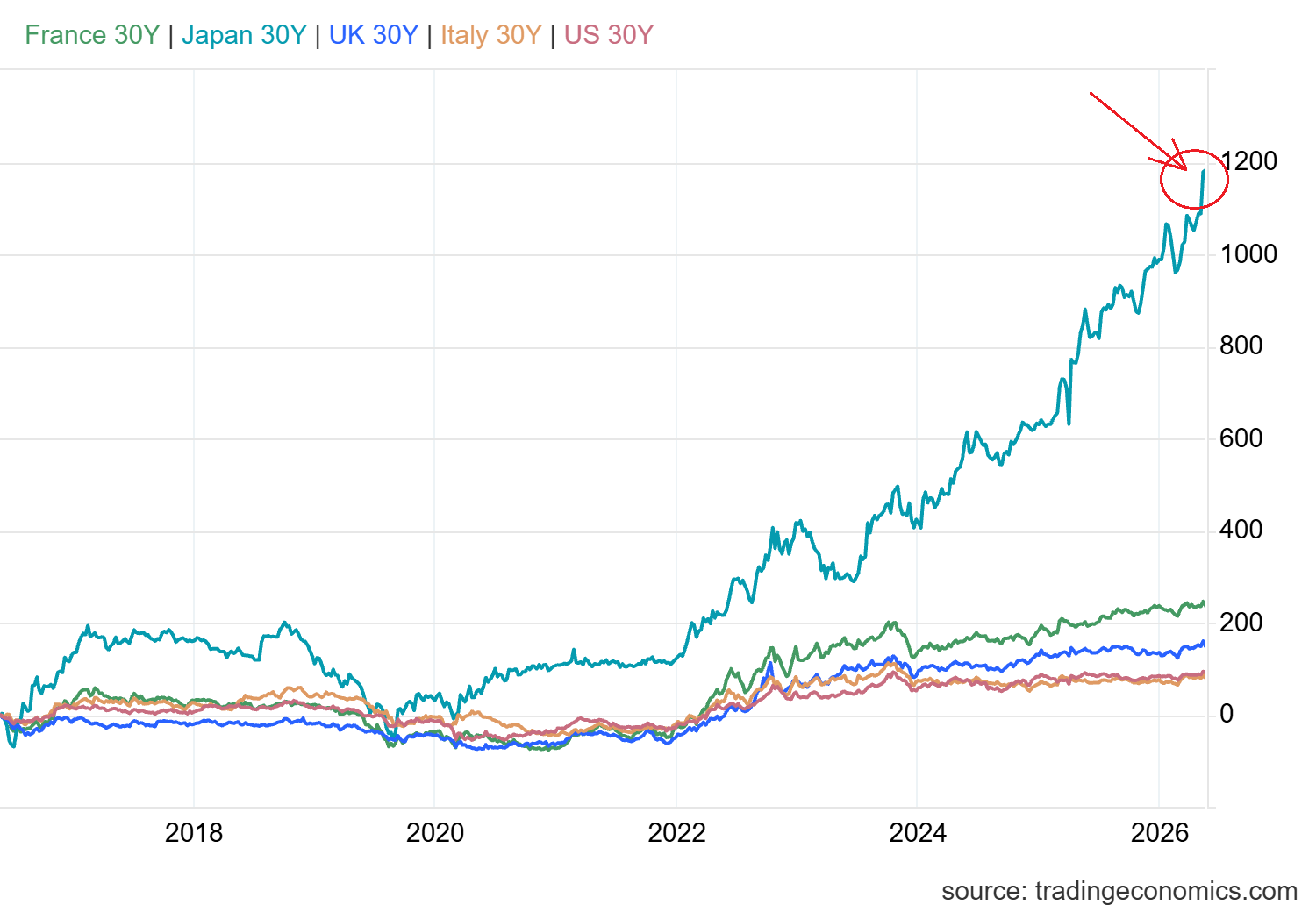
Japan has one of the highest Debt to GDP ratios in the world which is almost double that of the US Debt to GDP ratio.
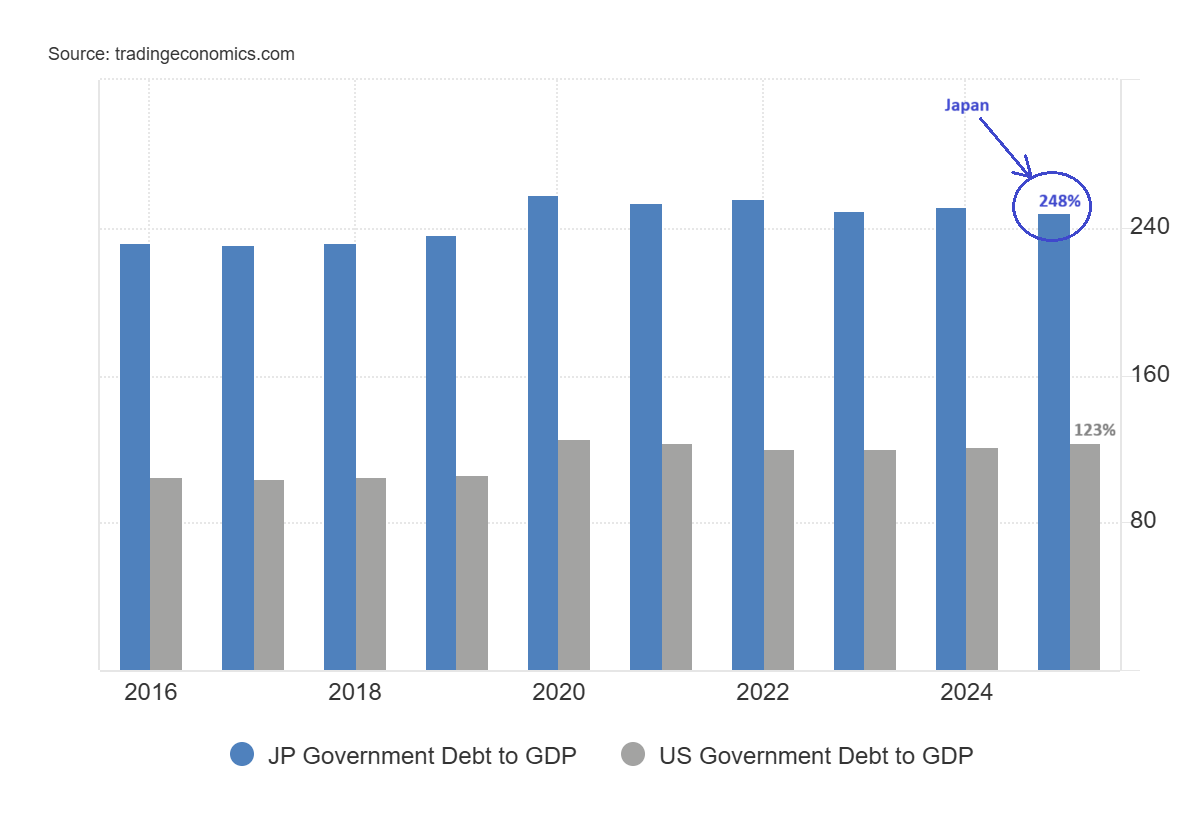
This increase in yields reflects investors demanding higher compensation to hold long term Japanese debt. All of this is contributing to the rising supply of long-term debt: defence spending, larger deficits, oil-induced inflation and high corporate borrowing from the AI boom. These factors increase long term borrowing needs and keep positive pressure on yields.
Interest Rate Forecast: Higher for Longer Remains the Base Case
The base case for the above discussion is that interest rates remain high globally for a longer period. The Fed might be steady in the near term, but the odds are growing that it will raise rates in the future. The pressure is mounting throughout bond markets as investors respond to inflation, fiscal deficits and increased debt supply.
The next Fed decision will be based on inflation data. If the core inflation remains above 3.3% and energy prices remain higher, the committee will have few arguments for rate cuts. A softer labour market may delay hikes but would likely not be enough to create a more obvious easing bias.
This makes a challenging market for risk assets. The greater the yields, the higher the amount borrowed. They also make investment in longer-duration growth assets less attractive. Meanwhile, high inflation limits the Fed’s ability to support markets by cutting rates.
The number to focus on is the 30-year Treasury yield. As long as the yields is above 5%, it sends warning signals to markets. It would indicate that investors are growing weary of deficits and inflation concerns. A move back below 5% in 30-year Treasury yields will ease some pressure, but it would not fully remove the higher for longer rate outlook.
USDJPY Forecast: Yield Pressure Supports the Dollar
The USD/JPY pair is very sensitive to rate differentials. The U.S. dollar appreciates against the yen as yields rise. This is due to the fact that investors can obtain higher returns from dollar assets than from Japanese assets. The chart below shows that the rate cuts by Fed since 2024 and the rate hikes by BoJ have reduced the differential of interest rates between Japan and the United States.
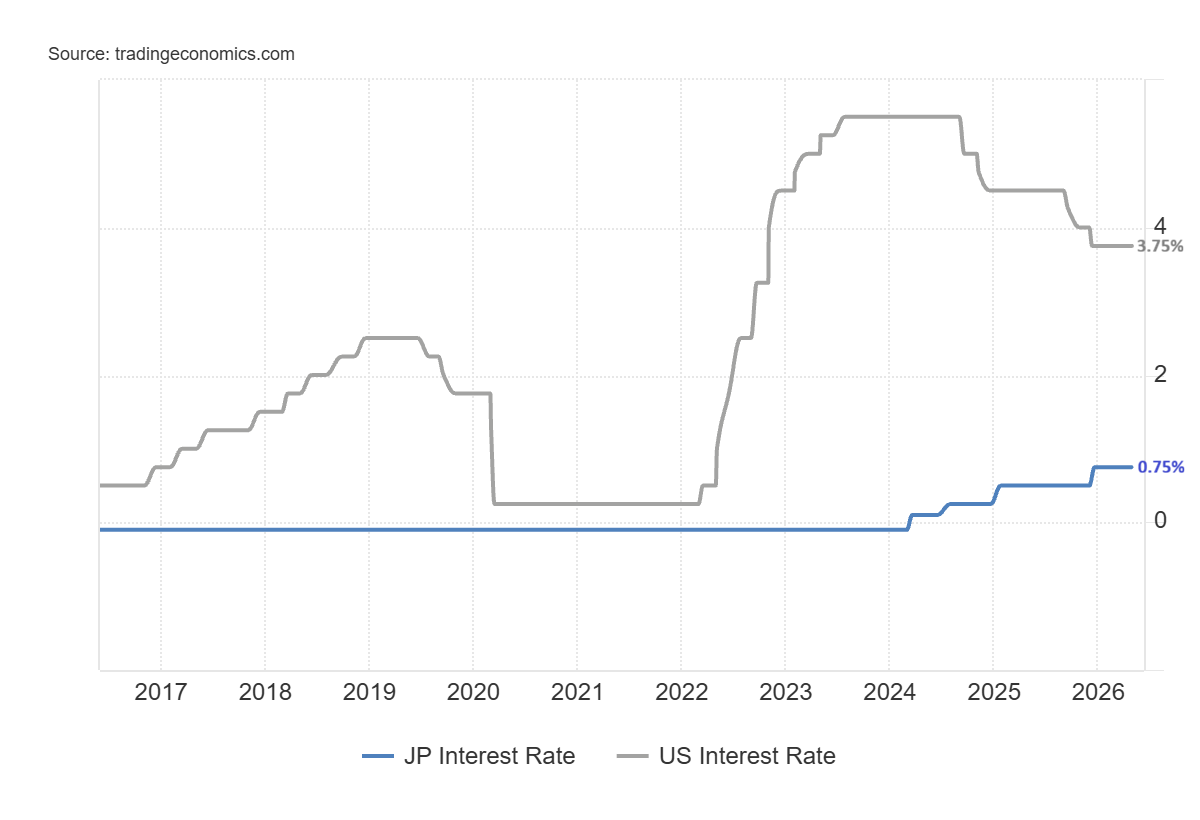
The situation in Japan is different. For years, the Bank of Japan has been keeping long-term yields low to support government finances. But the yields in Japan are now increasing at fastest rate compared to other economies. The 30-year JGB yield hit a record high and the 10-year yield hit its highest mark since 1996.
This may form a mixed configuration of USDJPY. Theoretically, higher Japanese yields could benefit the yen. But if those yields rise due to the fiscal problems, then the market may create a panic. This can cause the yen to lose value.
The USDJPY near-term bias is still tied to U.S. yields. But USDJPY could see further support if the 30-year Treasury yield remains above 5.0% and the Fed maintains hawkish tone.
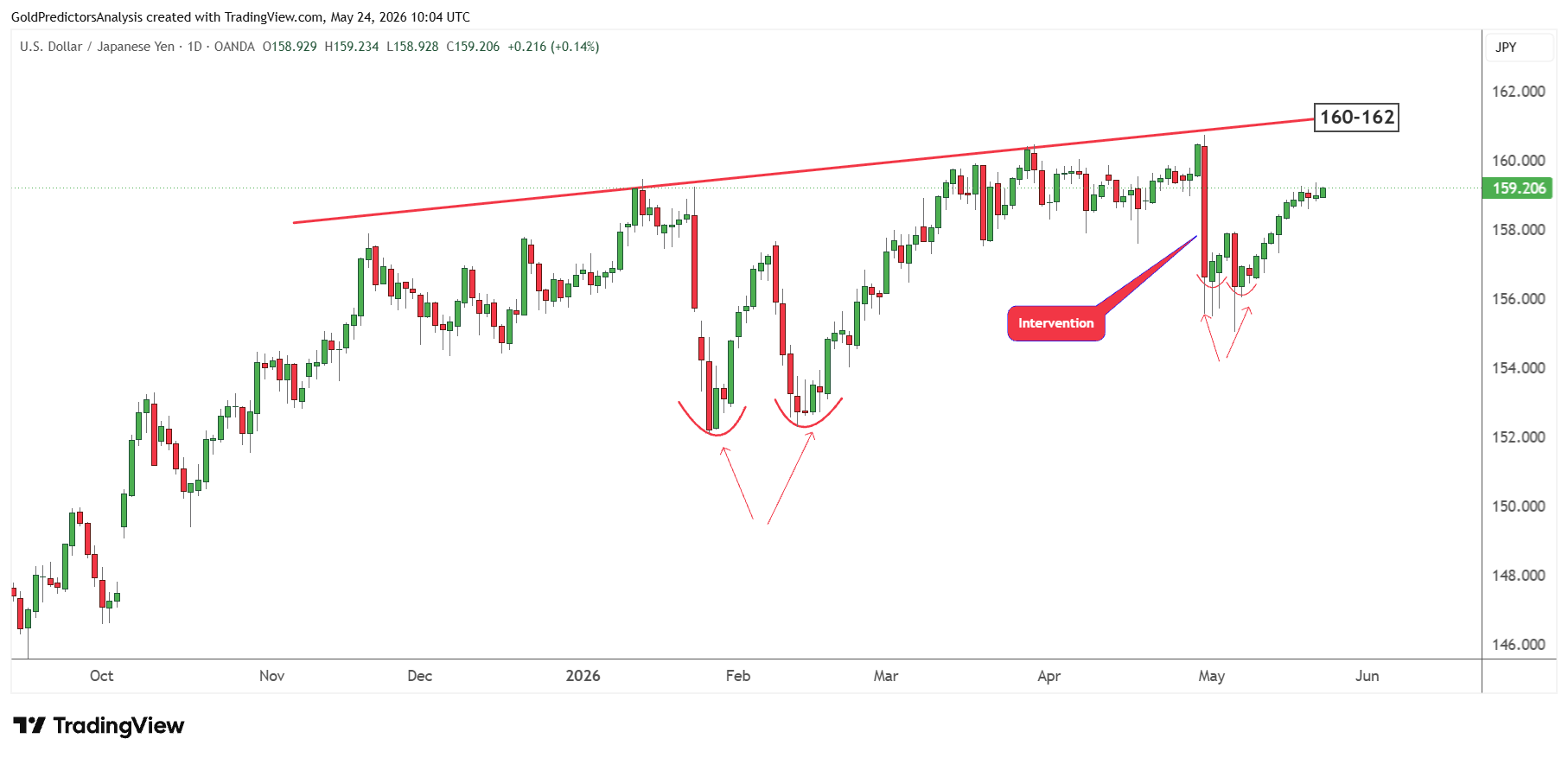
From technical perspective, USDJPY shows strong bullish momentum due to the strong rally in the US dollar index and weakness in the Japanese yen. The pair formed a double bottom pattern after the intervention on 30 April and continued to trade to the upside. The pair is now accelerating towards the 160–162 level, which is the long-term target for USDJPY.
EURUSD Forecast: Dollar Strength Limits Euro Recovery
The EURUSD is under similar pressure from the interest rate story. The US dollar benefits when markets price higher Fed rates or better U.S. yields. This is making it more difficult for the euro to achieve a sound recovery.
Europe is experiencing bond-market stress, too. Yields on French and Italian long-dated bonds have risen. Their debt levels are also higher than Germany’s which makes their bond markets more vulnerable to fiscal concerns. The European Central Bank could be under pressure to protect bond market stability if yields continue to rise.
That is a challenge for the euro. The ECB may be more cautious due to fiscal concerns while the Fed remains focused on inflation, allowing for the dollar to stay strong. The market will need a better economic report from Europe and a drop in U.S. yields to break EURUSD to the upside.
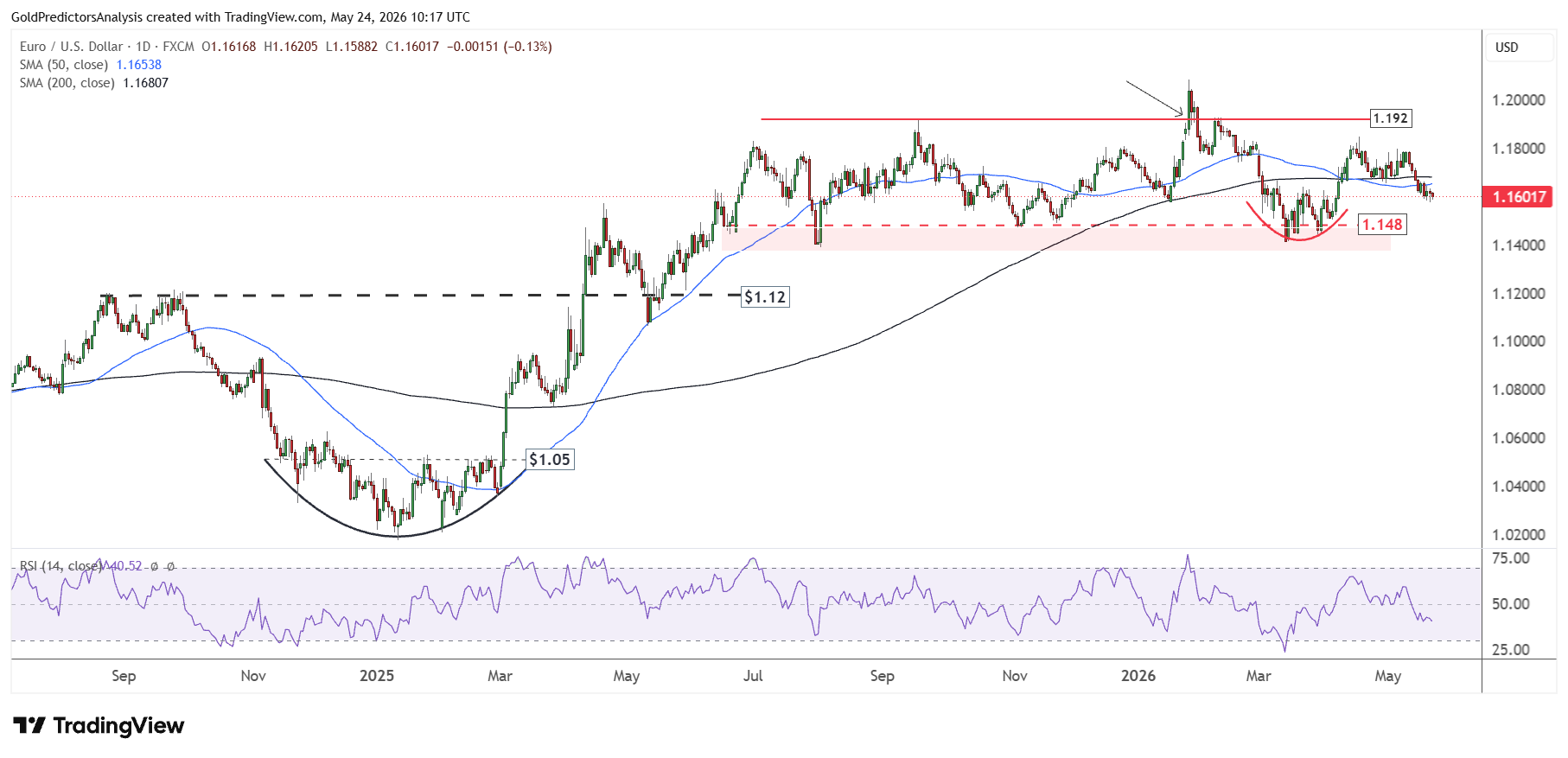
From technical perspective, the pair has been forming a broadening wedge since June 2025, which indicates high volatility. The failure to break above 1.19 indicates short term bearish pressure. The strong long-term support remains at 1.12. A correction in the pair will likely push the pair higher.
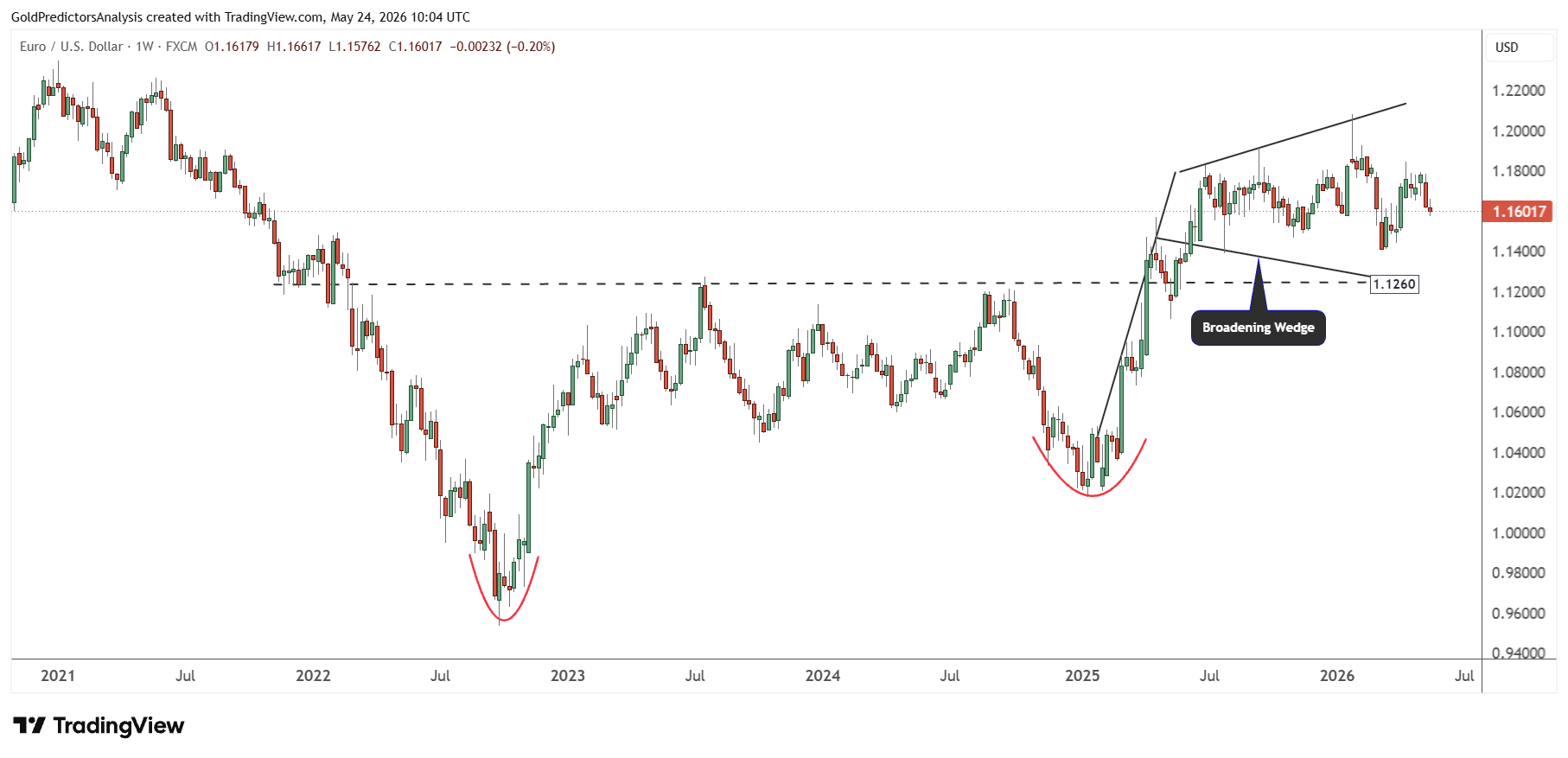
The correction in EURUSD is driven by the recent strength in the US Dollar Index. However, when the index forms resistance at 100.50 and then drops again, EURUSD may resume the upward trend.
The daily chart for EURUSD shows that the short-term direction for the pair remains negative, with support at the 1.142 to 1.148 zone.
GBPUSD Forecast: U.K. Yield Stress Keeps Sterling Under Pressure
GBPUSD also relies on rate expectations, but the U.K. has an issue with the rate outlook. The 30-year gilt yield has jumped to 5.85% that shows strong pressure in the long end of the bond market.
When yields are higher, they can support strong growth or higher return. But they can hurt the currency when they face fiscal risk. In the U.K., investors may be concerned that rising debt burden will put pressure on government finances and slow growth.
This makes sterling vulnerable. If inflation is likely to stay high, there is limited scope for the Bank of England to reduce interest rates further. However, it is not possible to overlook the economic effects of high interest rates. The equilibrium can create uncertainty for GBPUSD.
The outlook is mixed and uncertain. GBPUSD could benefit from the Bank of England’s cautious move on inflation. But a positive U.S. yield and U.K. fiscal issues could limit the gains. However, a better bullish environment would have to form lower U.S. yields, steady gilts and better U.K. growth data.
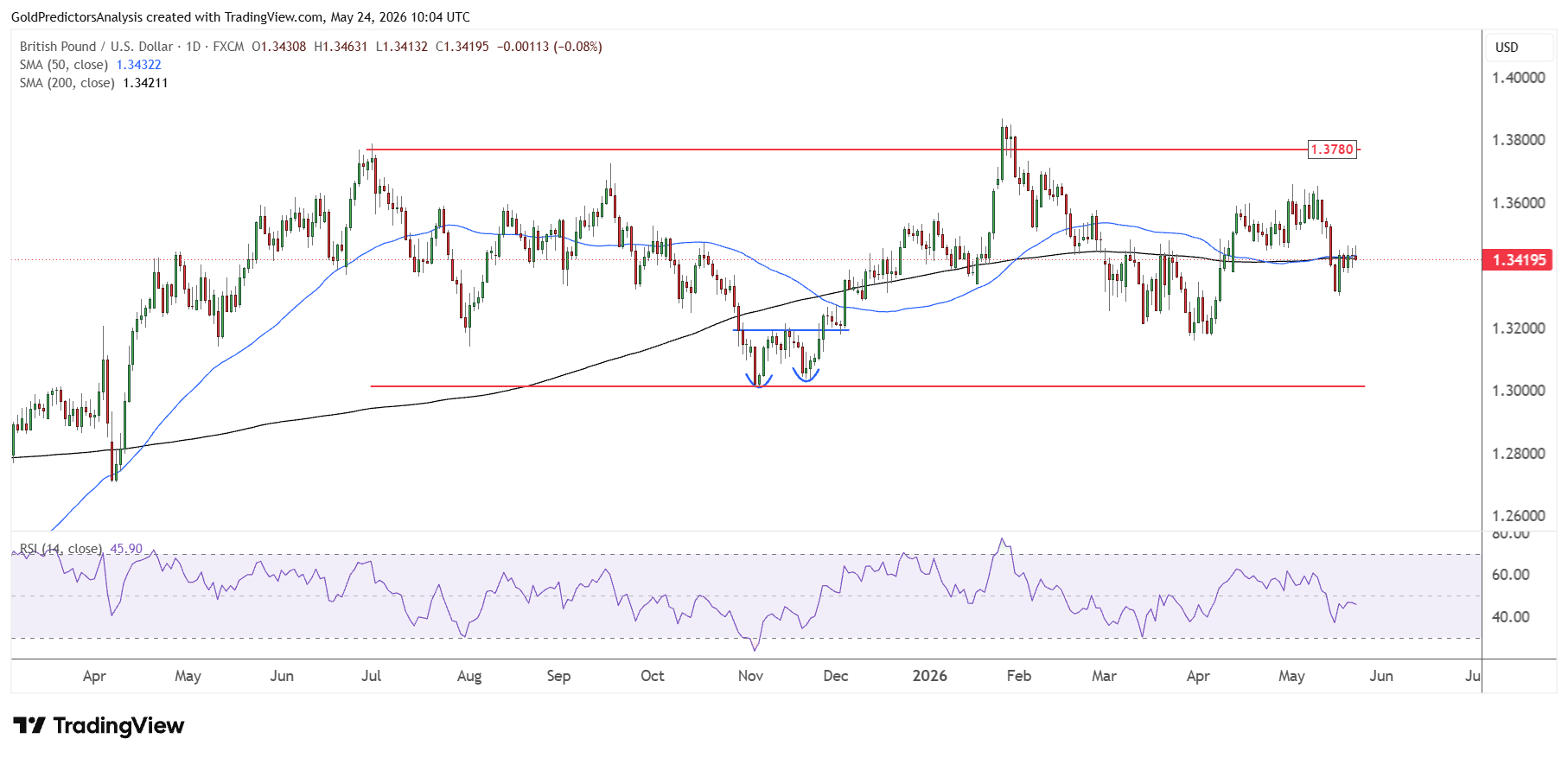
The chart below shows that the GPPUSD trades within the 1.30 and 1.3780. A break of this range is required to take the pair in any direction.
In Closing
The interest rate outlook remains tight as inflation, energy prices and fiscal stress keep pressure on global bond markets. The Fed’s near term outlook for rates remains unchanged, but the central bank has become less dovish. A higher-for-longer rate environment could be priced into markets as inflation remains above target and the 30-year Treasury yield is above 5%. This would put pressure on risk assets and support the U.S. dollar.
This formation continues to support USDJPY as U.S. yields remain elevated and the fiscal situation in Japan becomes more serious with the rise in JGB yields. EURUSD continues to be under pressure as the dollar is strong enough to cap euro recovery. On the other hand, GBPUSD is still waiting for a breakout from the current range. The important sign these days is the long end of the bond market. A sustained drop in long-term yields would ease pressure, but another move higher would confirm that global rate stress is not over yet.
Read more: UK Inflation Risk and Gilt Yields Drive GBPUSD and EURGBP