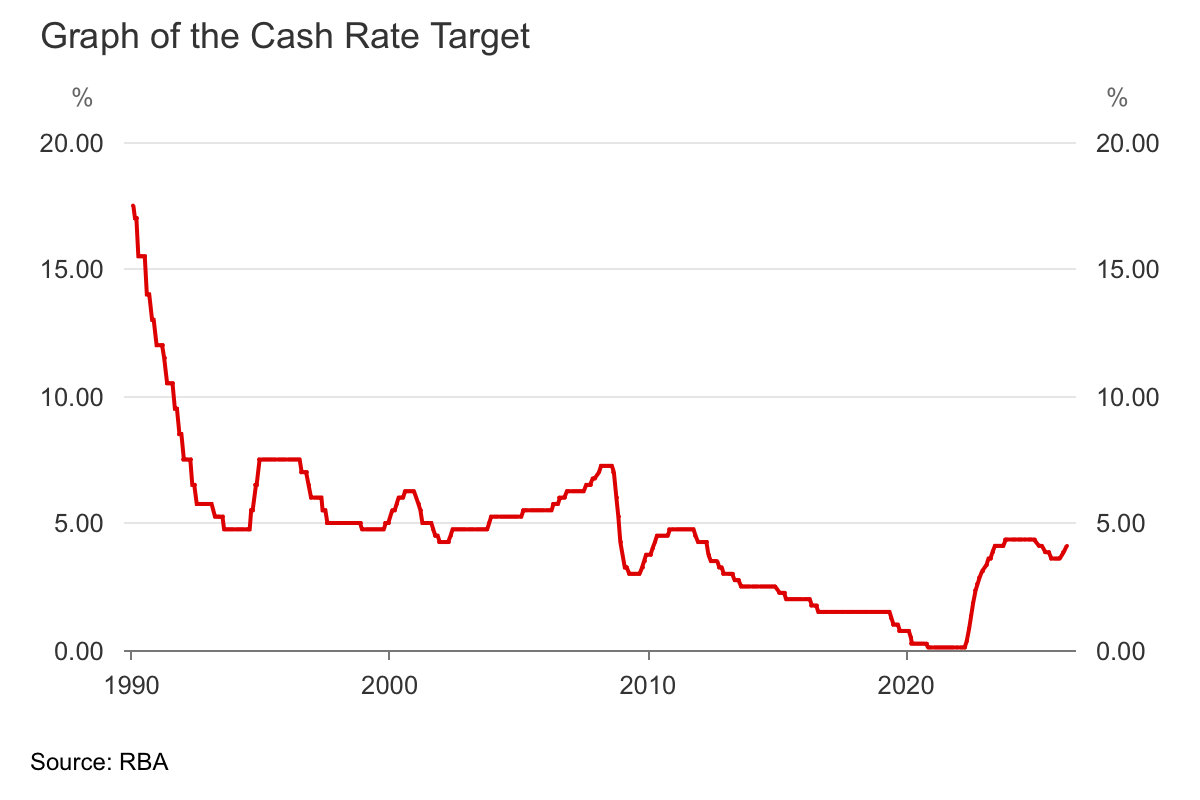
Following three consecutive rate cuts of 25 basis points each last year, and a pause through the final meetings of 2025, the central bank has now delivered two rate hikes since January. The latest move on 17 March brings the cash rate to 4.10%, marking its highest level since April 2025 and reflecting renewed concerns around inflation.
However, the decision failed to generate sustained upside in the Australian Dollar (AUD), probably because of the narrow voting split. With only five of nine board members supporting the increase, markets interpreted the outcome as lacking conviction. Rather than signalling the start of an aggressive tightening cycle, the decision was perceived as a cautious adjustment, closer in spirit to a hold than a decisive hike. Adding to the AUD’s headwinds is the persistent strength of the US Dollar, which continues to attract safe-haven flows as the conflict in Iran escalates.
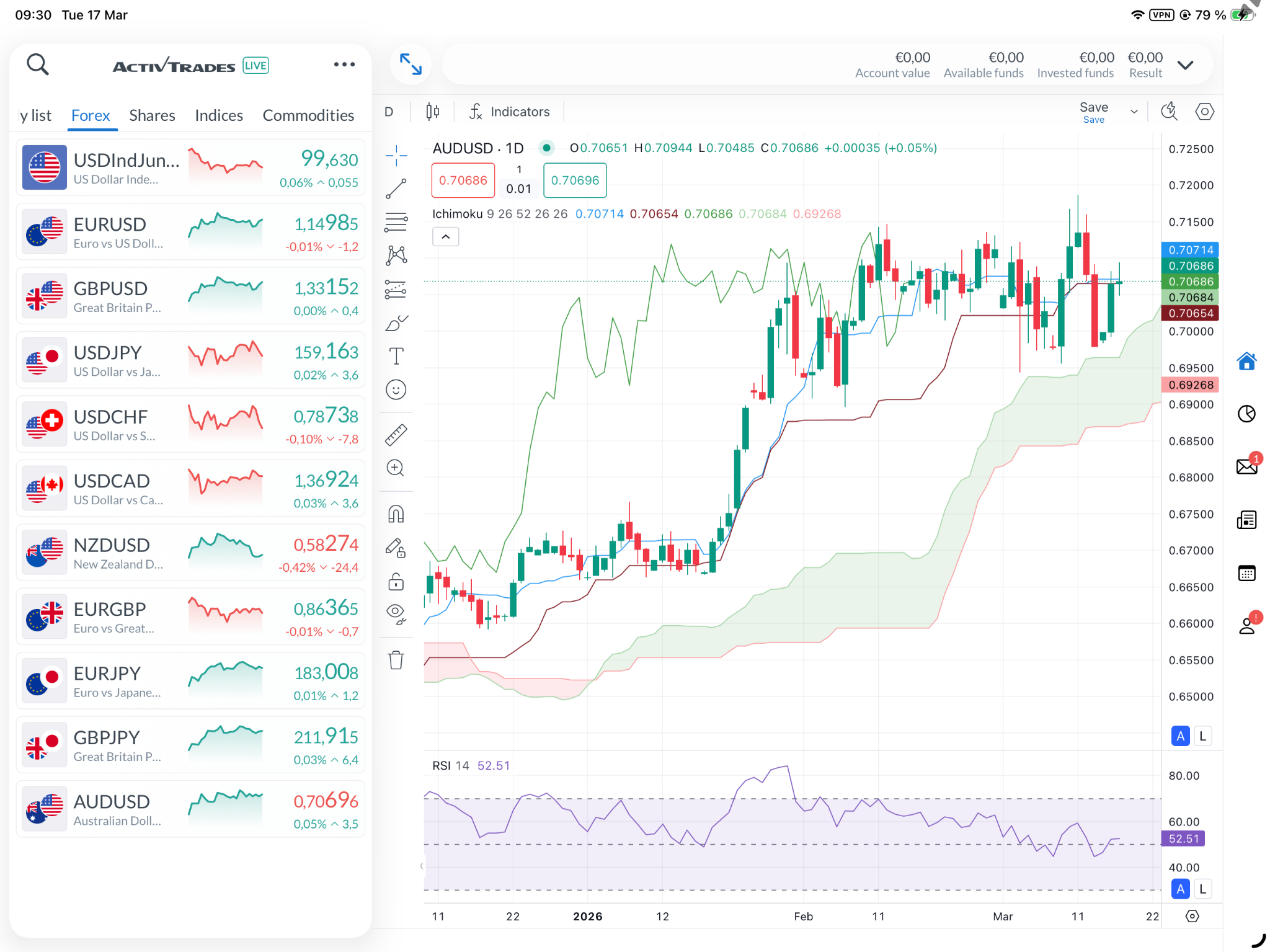
The immediate response saw AUD/USD spike above 0.7090 before quickly retracing toward the 0.7060 area. The pair briefly dipped near 0.7050 before stabilising, leaving the currency broadly unchanged at the time of writing in a volatile session. Policy moves alone are no longer sufficient to drive currencies higher when forward guidance appears uncertain or divided, especially in times of crisis.

AUD Under Pressure as ‘Dovish’ Hike Fails to Ignite Bulls
The limited impact of the rate increase also reflects a more complex macroeconomic backdrop. The escalation of the conflict involving Iran has introduced a significant external shock, particularly through energy markets. The effective disruption of flows through the Strait of Hormuz—a critical artery for global oil supply—has triggered a sharp surge in oil prices.
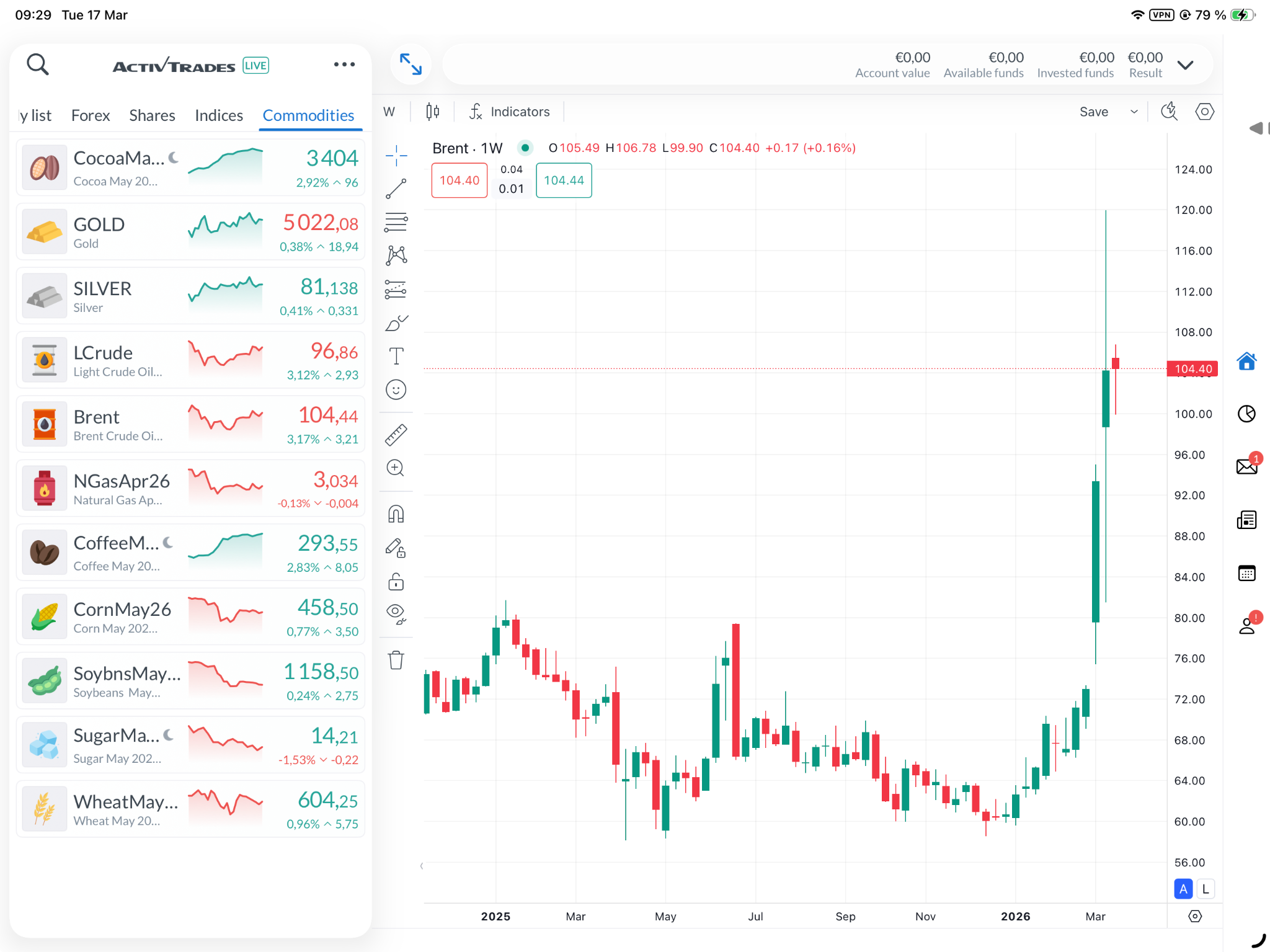
Brent crude oil has risen by roughly 65% since the start of the year, recently reaching a 12-month closing high above $100 per barrel and briefly touching $120 during the latest escalation phase. For Australia, this represents a direct inflationary shock. As a net importer of refined energy products, the country is particularly exposed to higher fuel costs, which feed quickly into transportation, production, and ultimately consumer prices.
The government has responded by releasing part of its strategic fuel reserves and temporarily relaxing fuel quality standards to increase supply. Energy Minister Chris Bowen indicated that allowing the release of up to 20% of minimum stockholding requirements equates to roughly 762 million litres of fuel. Additional regulatory adjustments could unlock around 100 million litres per month. However, logistical constraints mean that these measures will take time to filter through the system, given the complexity of Australia’s fuel distribution network.
This external shock is compounding domestic inflationary pressures. John Simon, former head of the RBA’s economic analysis division, argued that the oil price surge reinforces already elevated inflation dynamics. He has long criticised the central bank for prioritising labour market stability at the expense of price control, suggesting that a more gradual tightening approach has allowed inflation to reaccelerate.
AUD/USD Price Forecast
Every new AUD/USD analysis as it publishes, today's technical signal and key levels, live price — on one page.
See all AUD/USD forecastsInflation Outlook in Focus as Risks Tilt Higher
Prior to the escalation in the Middle East, Australia’s inflation rate was already running at 3.8% year-on-year, above the RBA’s 2%–3% target range. Last February, the central bank had projected inflation to peak at around 4.2% by mid-2026 before easing to slightly below 3% by mid-2027.
Those projections are now under scrutiny. Deputy Governor Andrew Hauser acknowledged that the previous forecasts did not incorporate the recent oil shock and may need to be revised upward. Simon expects inflation could approach 5% on an annual basis, with the risk of even higher readings if the conflict persists longer than anticipated.
The RBA itself reinforced this concern in its latest statement, stating that inflation is likely to remain above target for an extended period and that risks have shifted to the upside. This language has prompted markets to reassess the policy path, with some investors now pricing in the possibility of another rate hike as early as May.
Yet this expectation is tempered by the same uncertainty that limited the currency’s reaction. A divided board and an unpredictable external environment reduce the likelihood of a clear, sustained tightening cycle.
What the Middle East Conflict Means for Global Central Banks
The implications of the conflict extend well beyond Australia. The disruption to energy markets and global trade routes is forcing central banks worldwide to reassess their policy frameworks. Supply chains are once again under strain, with shipping routes affected and parts of the Middle East facing operational shutdowns, including airport closures and suspended container traffic.
For policymakers, the key question is whether the current inflationary impulse will prove temporary or evolve into a more persistent trend. This distinction is critical. A short-lived spike in energy prices might justify a wait-and-see approach, while sustained disruptions could require tighter monetary conditions to prevent inflation expectations from becoming unanchored.
This dilemma is particularly relevant for major central banks meeting this week. The Federal Reserve and the Bank of Canada are set to announce their decisions tomorrow, followed by the European Central Bank, the Bank of Japan and the Bank of England on Thursday.
Each institution faces a similar trade-off. On one hand, higher energy prices push inflation upward, arguing for tighter policy or at least a pause in rate cuts. On the other, the same shock can dampen economic activity by eroding purchasing power and increasing costs for businesses, which would normally justify a more accommodative stance.
At this stage, the prevailing trend suggests a shift toward caution. Central banks that were previously considering rate cuts could now be more likely to delay them, while others could be opting for pre-emptive tightening despite uncertain growth prospects. The lack of clarity around the duration of the conflict and the resilience of global supply chains reinforces this cautious bias.
Today, monetary policy decisions are increasingly being filtered through a lens of geopolitical risk and supply-side uncertainty. As long as these factors dominate the macroeconomic landscape, currency movements are likely to remain volatile.
Sources: CNBC, Reuters, The Wall Street Journal, RBA