The AI trade has spent the last two years rewarding almost everyone involved in it. Nvidia became one of the biggest winners in market history. Microsoft, Amazon, Alphabet and Meta committed hundreds of billions of dollars to artificial intelligence projects. Investors poured money into chips, data centers and infrastructure providers because that was where the growth was. The trade worked. The stocks moved higher. The spending accelerated and Wall Street rewarded nearly every step of the buildout.
Ahmed Yousre, Global Market Strategist at PU Prime commented:
While artificial intelligence remains a dominant long-term investment theme, recent market developments suggest that the sector could face increasing pressure from a less supportive macroeconomic environment.
The Federal Reserve’s latest policy guidance reinforced expectations that interest rates may remain elevated for longer, with policymakers becoming increasingly concerned about persistent inflation risks. Rising Treasury yields have already triggered selling pressure across growth-oriented sectors, particularly technology and AI-related stocks that rely heavily on future earnings expectations to justify current valuations.
From PU Prime’s perspective, the AI sector may be entering a more challenging phase. Over the past two years, investors largely focused on the growth potential of AI, rewarding companies for expanding infrastructure, increasing capital expenditure, and accelerating adoption. However, as funding requirements continue growing and more AI companies potentially seek access to public markets, investors may become less willing to support aggressive valuations without clearer evidence of sustainable profitability.
Higher interest rates also increase the cost of capital, making it more expensive for companies to finance data centers, chip development, cloud infrastructure, and other AI-related projects. At the same time, rising yields provide investors with more attractive alternatives in fixed-income markets, reducing the appeal of high-multiple growth stocks.
The combination of elevated valuations, growing capital requirements, and tighter monetary conditions could create additional pressure on AI-related equities in the coming quarters. While the long-term outlook for AI remains positive, investors may begin shifting their focus from growth narratives toward earnings quality, cash flow generation, and return on investment.
Overall, PU Prime believes that persistent inflation and a higher-for-longer interest rate environment could become significant headwinds for the AI sector, potentially limiting upside momentum and increasing the risk of valuation-driven corrections across technology markets.
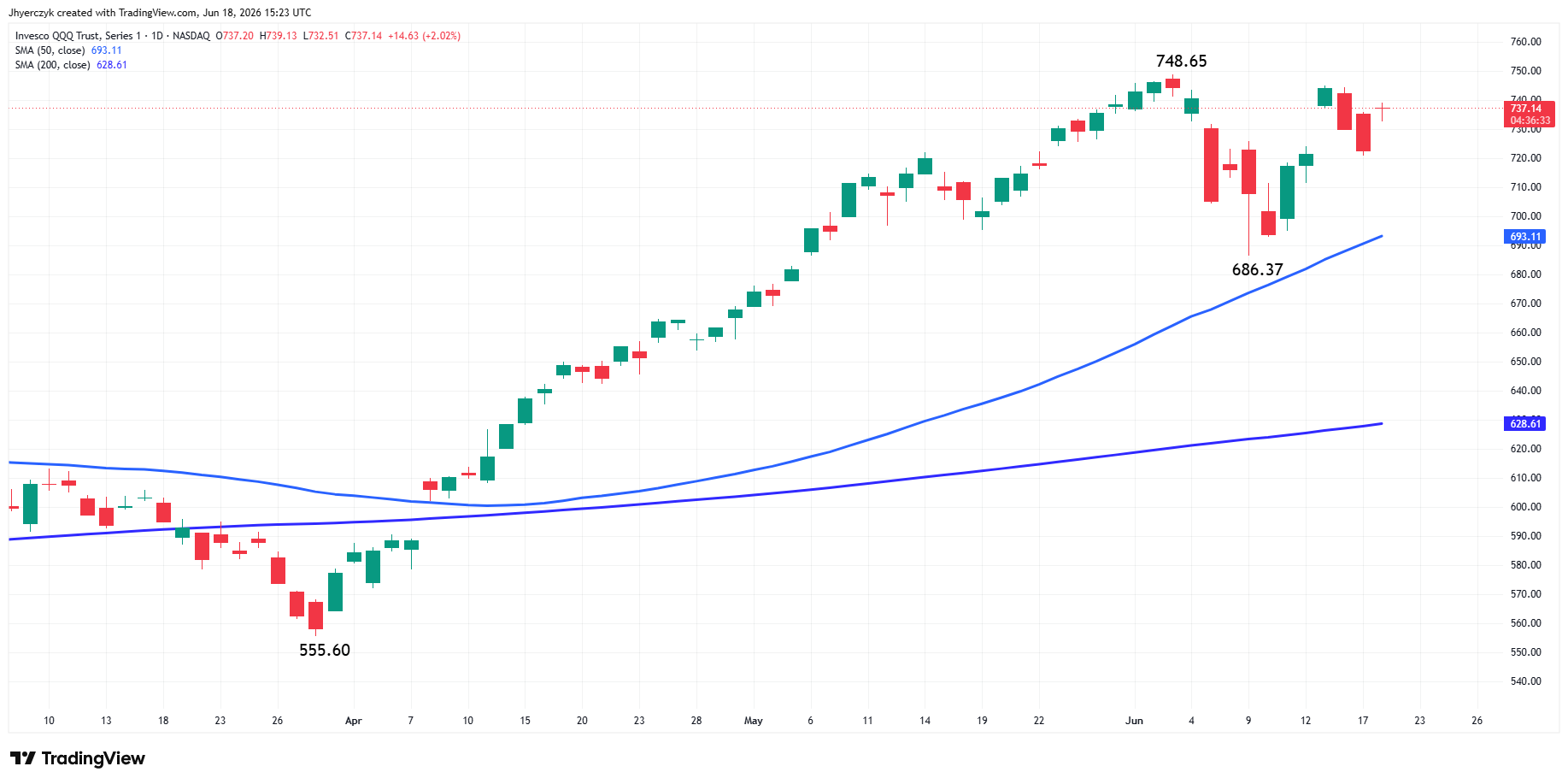
Invesco QQQ Trust daily price chart. Source: TradingView.
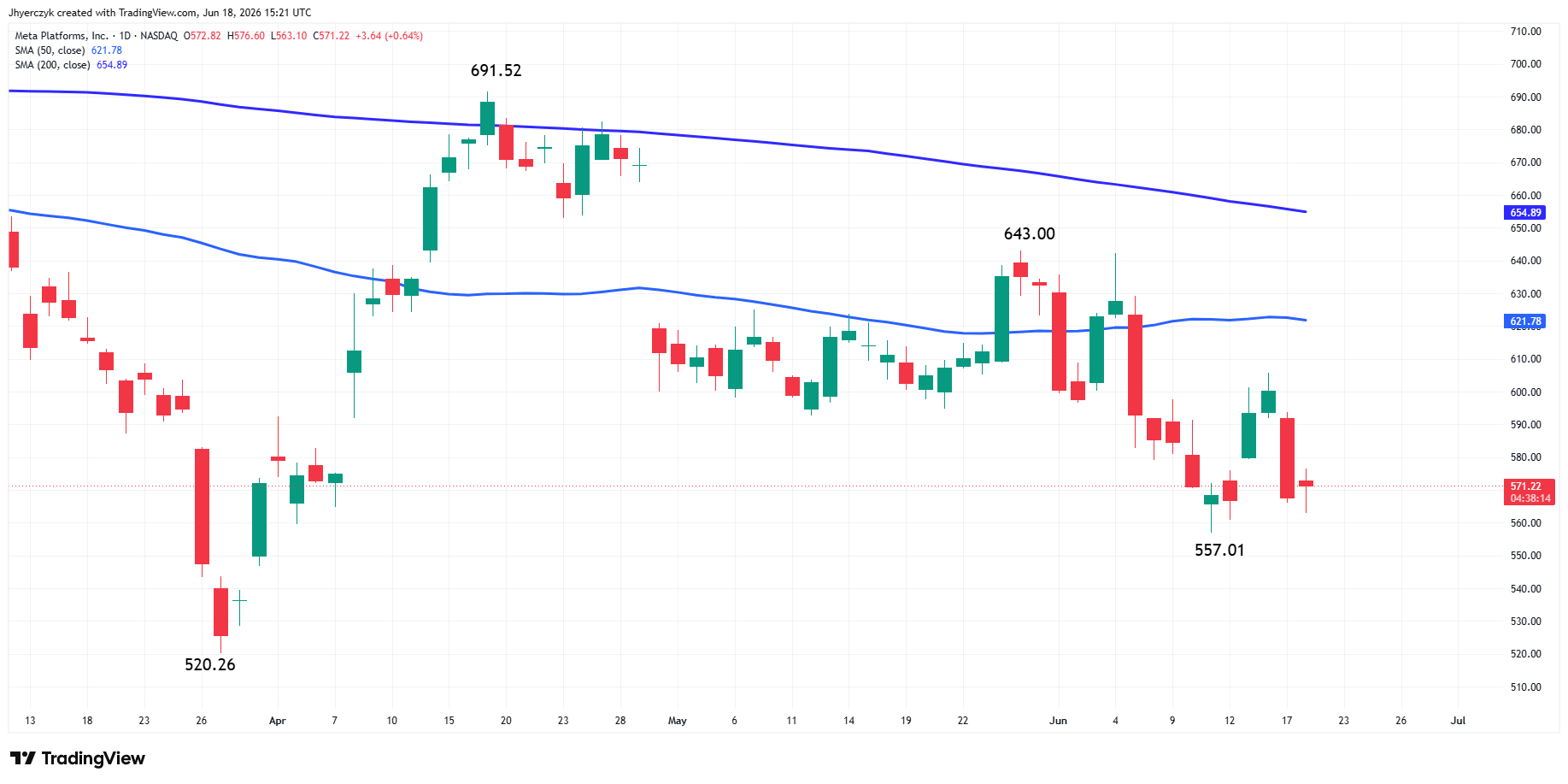
Meta daily price chart. Source: TradingView.
Now the market may be running into a different problem. The issue is not demand for artificial intelligence, competition or slowing growth. The issue may be supply. Jim Cramer warned this week that a wave of AI-related stock offerings could create pressure across the market. OpenAI is reportedly working toward a public offering. Anthropic is widely expected to follow. Other AI companies continue attracting enormous private valuations and investors are already looking ahead to who could be next.
Bull markets rarely run into trouble because of a single event. Sometimes the problem is economic data. Sometimes it is interest rates. Sometimes it is geopolitics. Other times it is simply too many shares arriving too quickly. That is the risk Cramer believes investors should be watching.

The IPO Calendar Is Starting to Fill
For most of the AI boom, investors had relatively few ways to participate. Nvidia became the obvious winner. The major cloud companies followed close behind. Software firms tied to artificial intelligence attracted money. Infrastructure companies attracted money. The list of public companies connected to AI remained fairly limited.
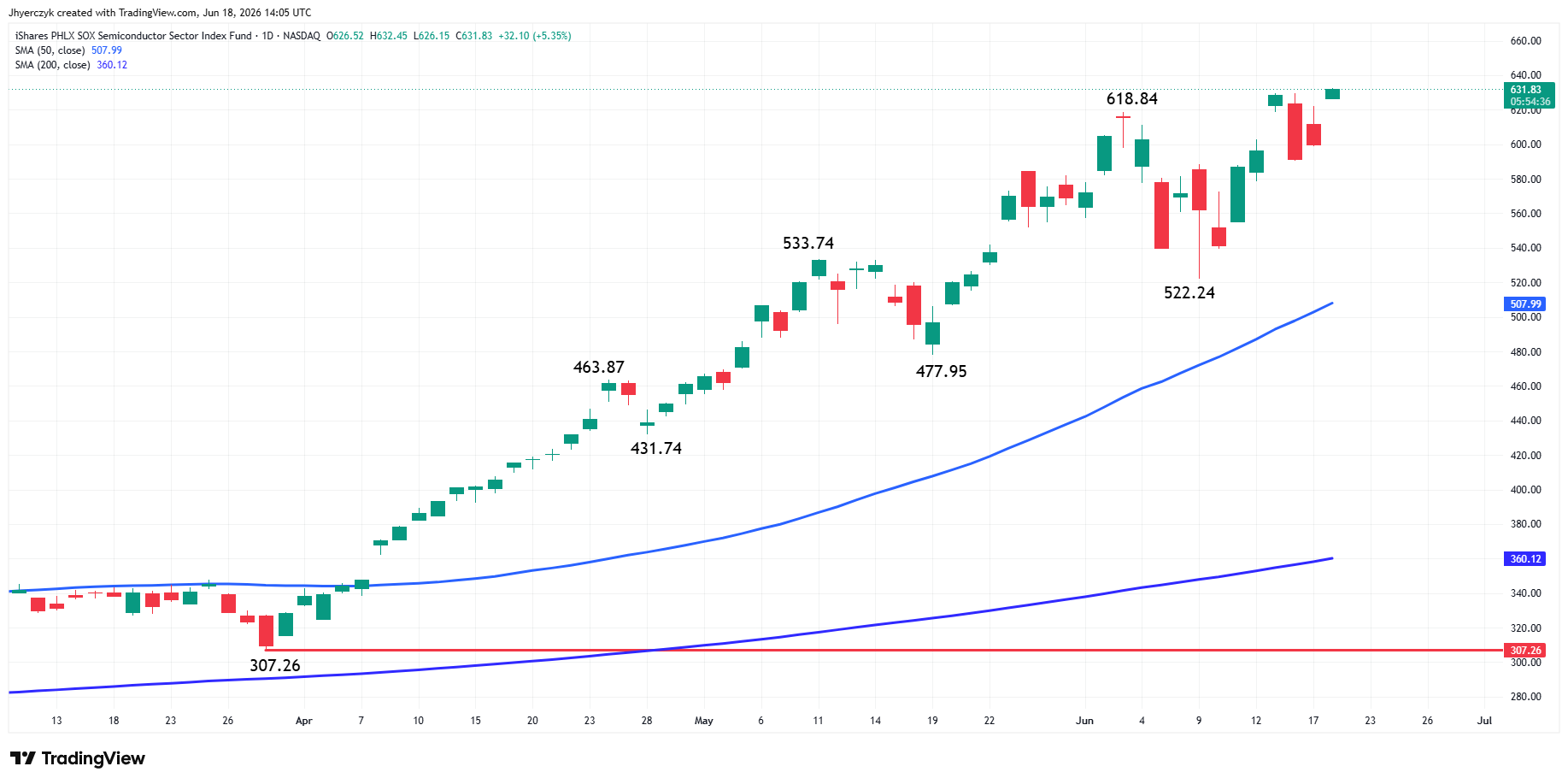
iShares Semiconductor ETF daily price chart. Source: TradingView.
That may be changing. OpenAI and Anthropic have become two of the most valuable private companies in the world. SpaceX continues appearing on investor wish lists whenever discussions turn toward future public offerings. Early investors are sitting on enormous gains and founders are looking at valuations that would have been difficult to imagine only a few years ago.
Every offering competes for the same pool of capital
The market can absorb new supply for a while. The challenge comes when multiple large deals arrive within a short period of time. Every offering competes for the same pool of capital. Every offering gives investors another place to put money to work. The calendar becomes crowded and competition for investment dollars increases. The AI story remains strong, but the funding story is becoming harder to ignore.
Nvidia Could Become the Funding Source
One of the more interesting risks facing AI leaders has nothing to do with earnings. It has to do with positioning. Nvidia became the face of the artificial intelligence boom because the company sits at the center of the infrastructure buildout. Demand for its chips exploded. Revenue exploded. The stock followed. Few companies benefited more from the rush into AI spending.
Investors looking to participate in future AI offerings may need cash
That success creates a different challenge. Investors looking to participate in future AI offerings may need cash and some of that money could come from positions that already have substantial gains. Nvidia fits that description better than almost any stock on Wall Street.
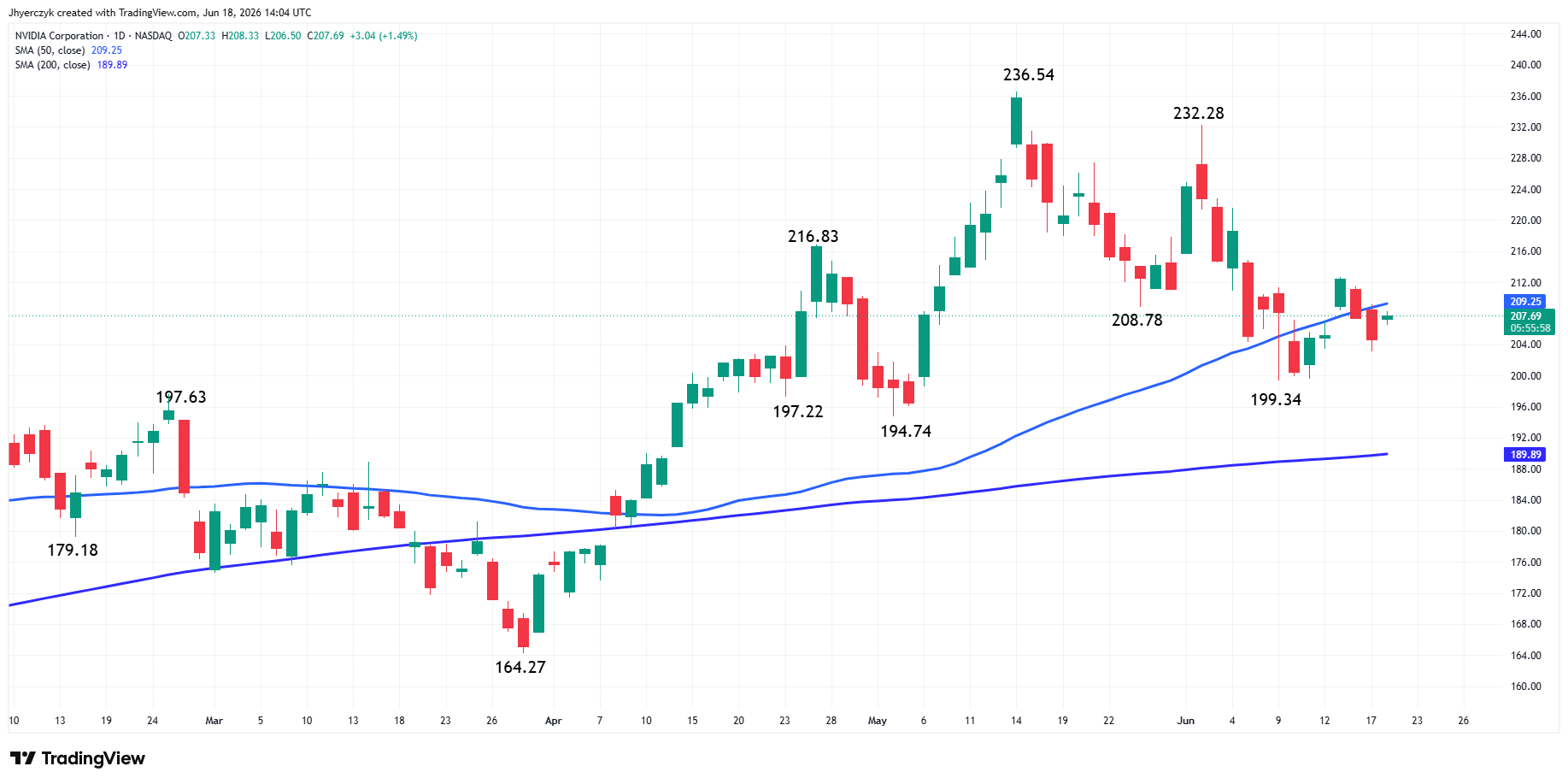
Nvidia daily price chart. Source: TradingView.
The company does not need disappointing earnings, weaker demand or a product problem to face pressure. Investors may simply decide to sell part of a winning position in order to participate in the next opportunity. The market has seen this before. During previous technology booms, traders frequently sold winners to fund new trades. The businesses remained strong. The stocks still faced pressure because money was moving somewhere else.
Wall Street Is Starting to Focus on Capital
Cramer is not alone in raising concerns. Jeremy Grantham has warned that artificial intelligence displays many of the characteristics seen during previous investment manias. Financial historian Edward Chancellor has pointed to familiar signs involving speculation, fundraising and capital flows. Different analysts use different language, but many are watching the same issue.
Money continues pouring into the sector. Companies continue spending aggressively. Private valuations continue climbing. Fundraising rounds continue attracting enormous interest. The spending keeps accelerating and the capital requirements keep growing with it. The concern is not whether artificial intelligence works. The concern is whether the market can continue funding that growth at the current pace.
The AI trade is no longer just a software story. The buildout now includes massive data centers, specialized chips, electrical infrastructure, cooling systems, networking equipment and enormous power requirements. Companies are committing hundreds of billions of dollars to projects that may take years to fully monetize. Investors have largely supported those plans because they believe future growth will justify today’s costs.
The issue is how that exposure gets financed
Research departments across Wall Street are watching the same issue. High valuations, record capital spending and a growing pipeline of public offerings continue appearing in analyst reports. When multiple large offerings arrive together, institutional investors often need to make room for them. Existing positions are trimmed, capital is reallocated and money moves from one opportunity into another. The issue is not whether investors want exposure to artificial intelligence. Most already do. The issue is how that exposure gets financed when new opportunities continue appearing.
Most analysts raising concerns about fundraising pressure remain optimistic about artificial intelligence itself. Businesses continue adopting AI tools, companies continue investing in infrastructure and demand for computing power continues growing. The long-term opportunity remains intact. The near-term question is whether investors can absorb a growing wave of capital raises while waiting for those investments to generate returns.
What to Watch
The AI trade is entering a new phase. For the last two years, investors focused on chips, data centers and earnings growth. The next chapter may involve capital raises, public offerings and where the money comes from. OpenAI and Anthropic are drawing most of the attention today, but they are unlikely to be the only companies looking for public market capital.
For most of the AI boom, investors did not spend much time worrying about costs, valuations or returns. New users kept showing up. Spending kept rising. Data centers kept getting bigger. The stocks kept moving higher and that was enough for most investors.
The conversation is starting to change. OpenAI, Anthropic and other AI companies are moving closer to public markets at a time when Wall Street is already heavily invested in the theme. The technology story remains intact, but the market may soon have to absorb a much larger supply of AI-related stock. The next phase of the trade may depend less on excitement and more on where investors decide to put their money.