Two weeks into earnings season, something interesting happened. The market showed us that beating expectations isn’t the win it used to be.
Intel made that clear. Last week, the company reported better earnings and revenue than analysts expected—15 cents per share versus the 8 cents predicted, and revenue of $13.7 billion when Wall Street was looking for $13.4 billion. Normally, that would send the stock higher.
Instead, it dropped 17 percent the next day.
The reason? Intel’s outlook for the next quarter disappointed. When management said they expect between $11.7 billion and $12.7 billion in revenue next quarter—and analysts were hoping for $12.51 billion—investors decided not to stick around. The message was clear: we care more about where you’re going than where you’ve been.
Jaime Martinez Medina, Global Market Strategist at PU Prime commented:
Two weeks into earnings season, markets have delivered a clear message: beating expectations is no longer enough. Intel’s latest results crystallized this shift. Despite reporting earnings and revenues above consensus, the stock fell sharply after management issued a weaker-than-expected outlook. The reaction was unequivocal; investors are far more focused on forward visibility and growth momentum than on backward-looking results.
This dynamic sets the tone for a critical week ahead, as Microsoft, Meta, Tesla, and Apple report earnings alongside a Federal Reserve policy decision. In each case, the spotlight will be less on headline numbers and more on guidance, particularly around artificial intelligence spending and its ability to generate tangible returns.
AI investment has become the central debate. Markets are increasingly impatient with promises and long-term narratives. Companies that have already demonstrated clear monetization, particularly in cloud services, have been rewarded. Those that continue to spend aggressively without showing measurable impact on revenues or margins have faced sharp pullbacks. The message is simple: capital expenditure alone no longer inspires confidence; execution does.
This raises the bar for the mega-cap technology sector, which now represents more than a third of the S&P 500’s market capitalization. With valuations elevated, these companies must justify their premiums by showing that AI spending is translating into real demand, pricing power, and earnings growth. Any disappointment, especially in outlooks for 2026, could weigh heavily on broader market sentiment.
Early earnings data remains encouraging in aggregate, with profit growth strong and the majority of companies beating estimates. However, growth remains highly concentrated among a small group of large firms, leaving the market vulnerable to negative surprises from these leaders.
The takeaway is clear. Markets are no longer rewarding stability or reassurance, they are demanding proof of future growth. Intel’s reaction was not an anomaly, but a warning. As earnings season intensifies, the difference between confidence and credibility will define market direction.
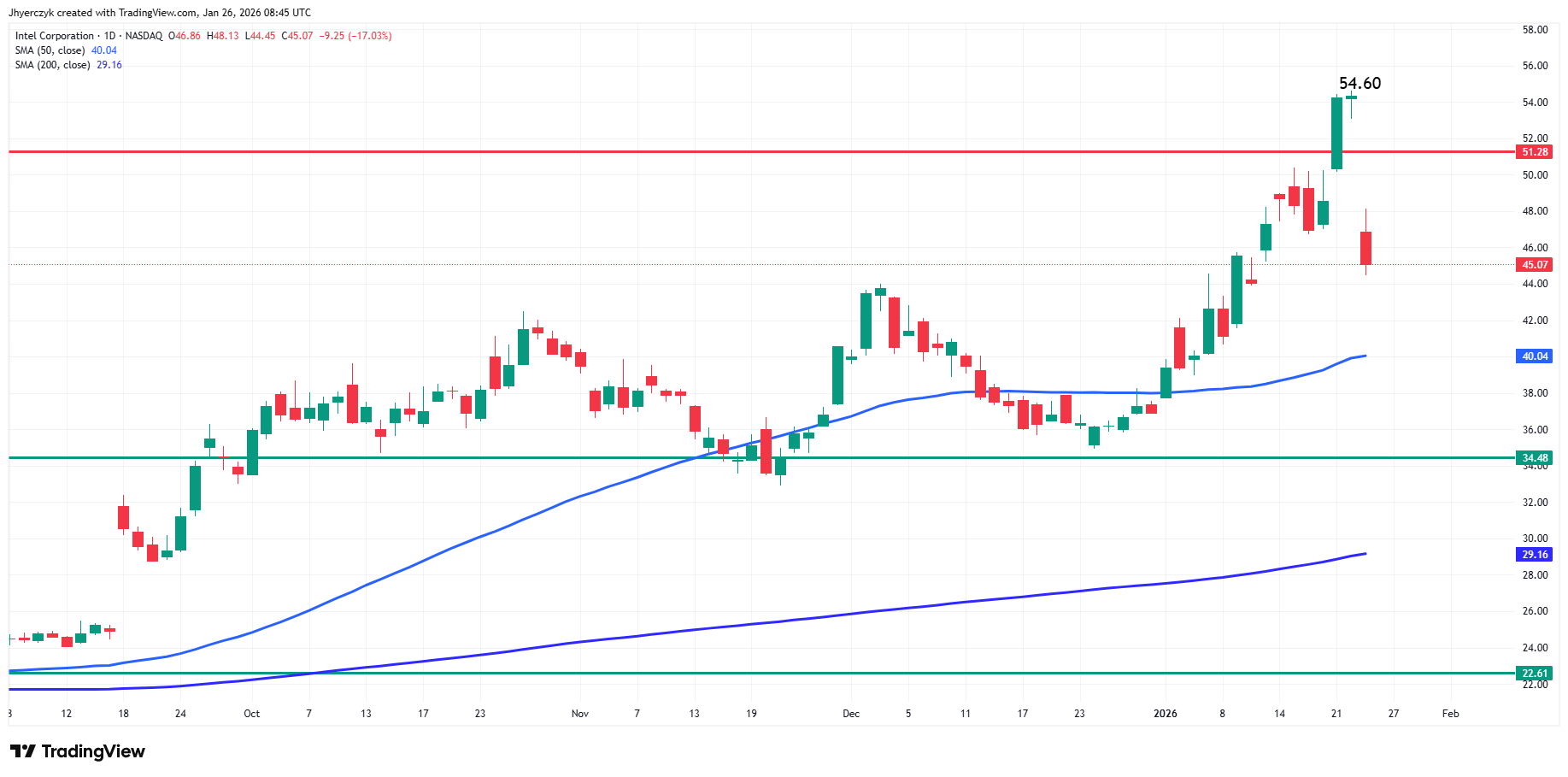
Figure 1. Intel Corp (INTC) price chart. Source: TradingView.
That’s the backdrop for this week. Microsoft, Meta, Tesla, and Apple all report earnings between Wednesday and Thursday. Investors will be looking at their fourth quarter results, sure. But the real focus is on what these companies say about the future, especially when it comes to all the money they’re spending on artificial intelligence.
There’s also the Federal Reserve meeting on Wednesday afternoon. Most people expect interest rates to stay the same, but there’s active speculation that President Trump might announce a replacement for Fed Chair Jerome Powell that same day—with Kevin Warsh and Christopher Waller reportedly among the finalists. If that happens, it could matter more to the market than the interest rate decision.

The Big Question Everyone’s Asking About AI
Here’s what’s on everyone’s mind: the biggest tech companies have been spending huge amounts of money on artificial intelligence this year. We’re talking about things like data centers, computer chips, and cloud infrastructure. And investors want to know—when does this actually start making money?
By October, investors were getting impatient. Meta announced it would spend between $70 billion and $72 billion in 2025, and even more in 2026. Even though the company reported good revenue, the stock fell 17 percent. People weren’t satisfied with hearing “just trust us, this will work out eventually.”
But look at the companies that showed actual results. When Google’s parent company Alphabet reported strong growth in its cloud business, the stock went up 6 percent. When Amazon showed that its cloud division grew 20 percent because of AI, the stock jumped 11 to 13 percent. See the difference? Results instead of promises.
So this week, Microsoft and Meta need to show that their AI spending is actually helping their businesses grow—more cloud customers, better results, real numbers. Investors don’t want vision speeches anymore. They want proof.
Wednesday: Three Big Names Report
Microsoft: Azure and AI Monetization
Microsoft reports after the market closes. People will be watching Azure, Microsoft’s cloud business, to see if those AI investments are translating into more revenue. Some people worry AI could hurt Microsoft, but most analysts think the company is actually well-positioned to benefit. They just need to show the numbers.
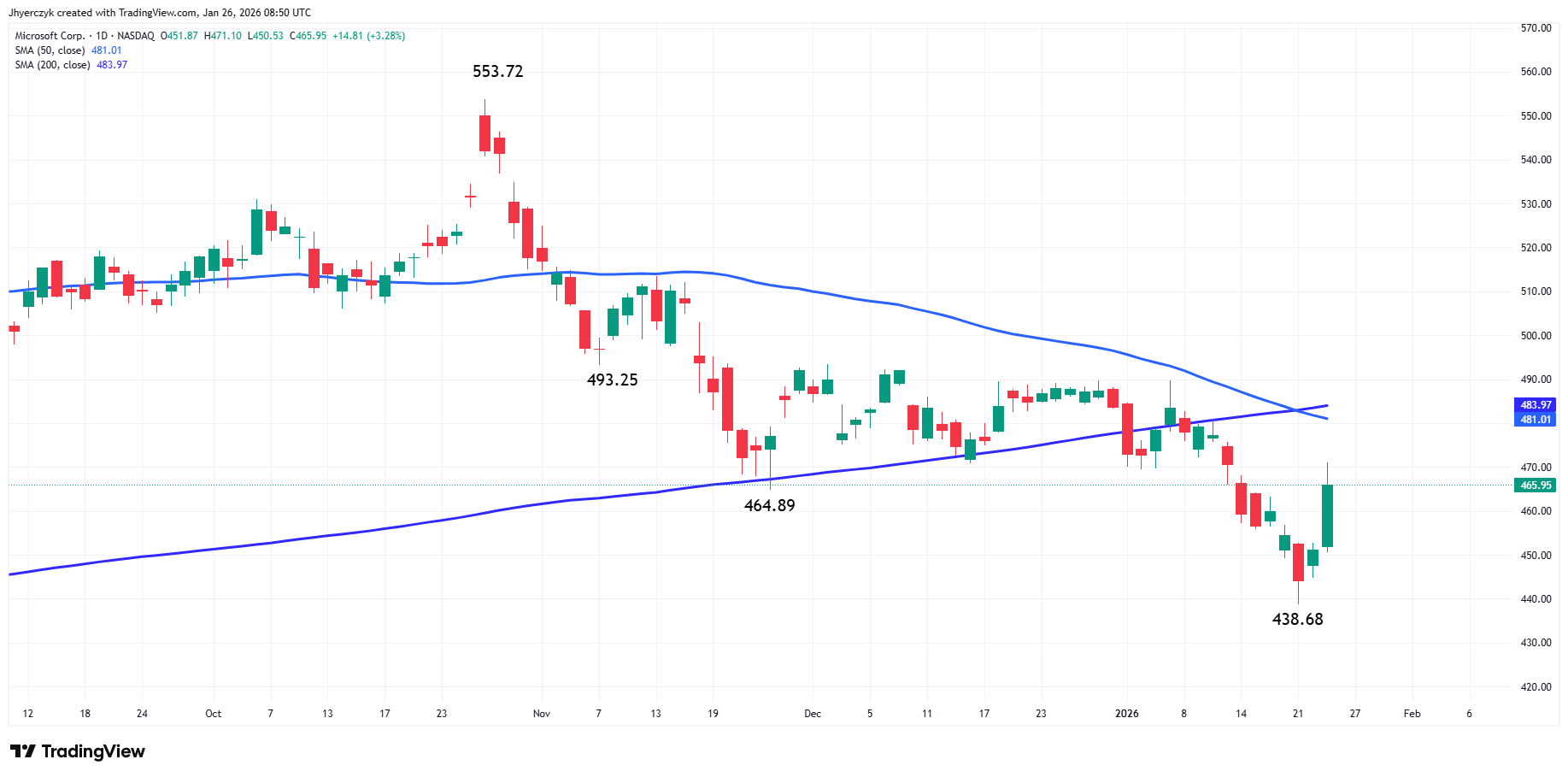
Figure 2. Microsoft Corp (MSFT) price chart. Source: TradingView.
Meta: AI Spending Meets Reality Labs Losses
Meta probably has the toughest situation. Analysts expect about $41.3 billion in revenue with strong profits from Facebook and Instagram. But Reality Labs—the virtual reality business—is expected to lose $4.5 billion in the fourth quarter alone. Since 2021, it’s lost more than $70 billion total.
CEO Mark Zuckerberg will need to answer directly: What’s the return on all that AI spending? Are ads working better? Are people using the apps more? And what about 2026 spending, which is supposed to be even higher?
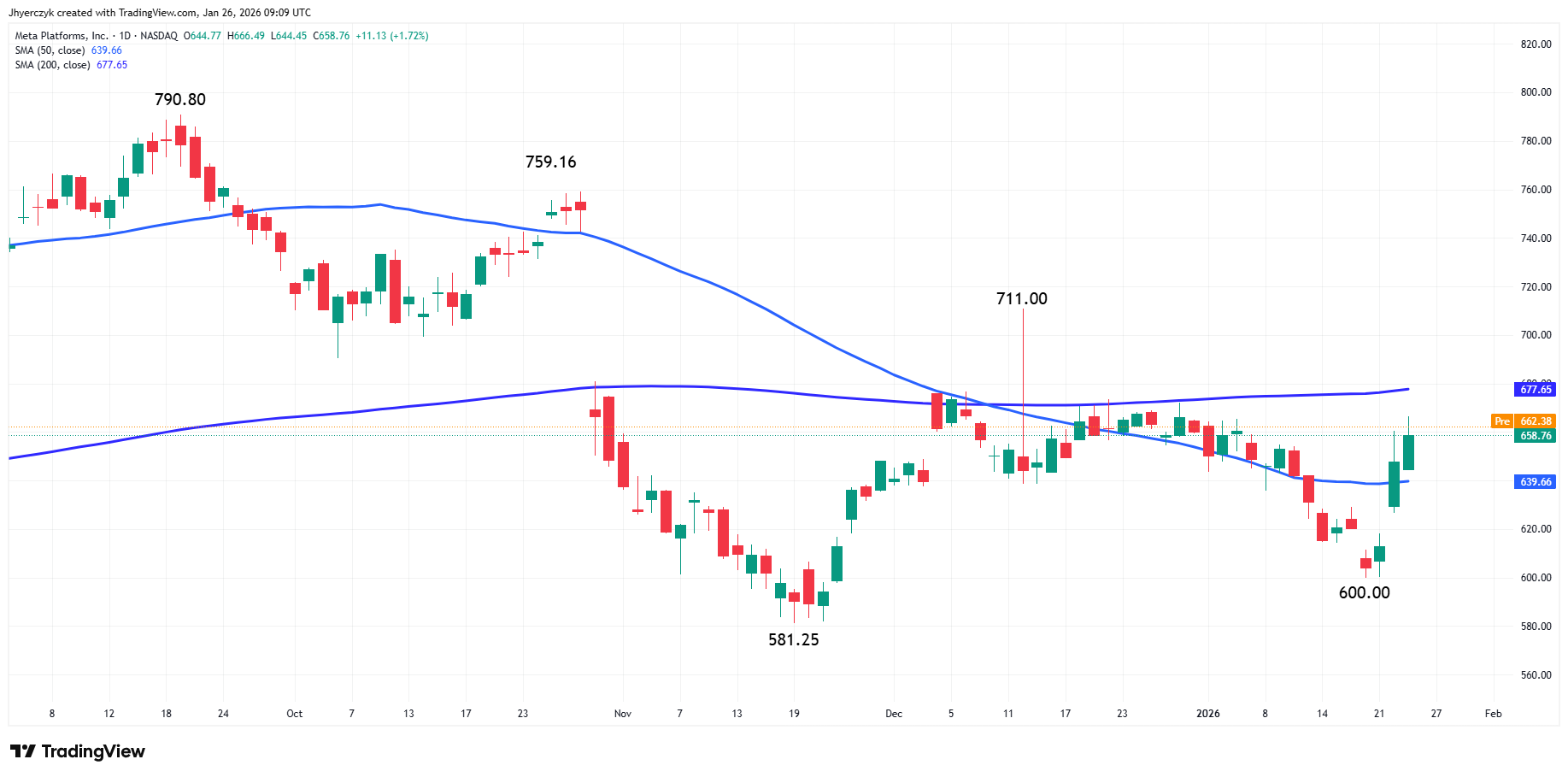
Figure 3. Meta Platforms (META) price chart. Source: TradingView.
Tesla: Delivery Questions and Robotaxi Progress
Tesla faces its own challenges. Analysts expect 45 cents per share on about $24.8 billion in revenue—both down from last year. The company is testing robotaxis in Austin, which shows progress on autonomous vehicles. But analysts are concerned about 2026 vehicle sales and profit margin pressure as the core auto business faces headwinds.
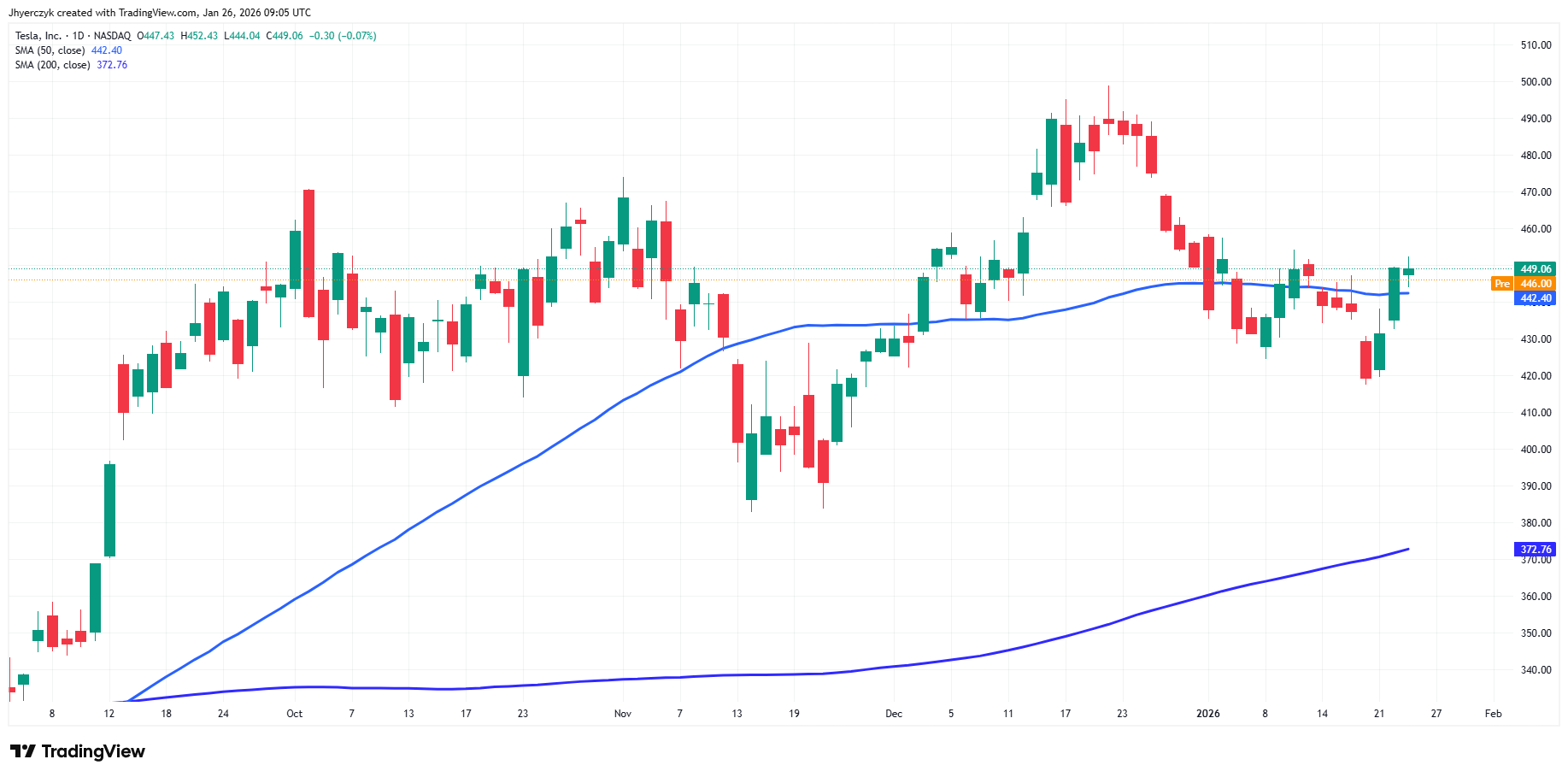
Figure 4. Tesla Inc (TSLA) price chart. Source: TradingView.
Thursday: Apple’s Turn
Apple: Margins, China, and the AI Narrative
Apple reports Thursday. Analysts are watching several concerns: rising memory chip prices that could hurt profit margins, questions about China (though production might have increased, suggesting decent demand), and concerns about falling behind on AI (though the Google partnership has helped).
Analysts expect $2.67 per share in earnings on about $138.38 billion in revenue.
Here’s an interesting pattern: Apple stock often drops right after earnings, even when results are good. But if the business is solid, it usually bounces back well. The services business keeps growing at double digits, and Apple customers tend to be loyal.
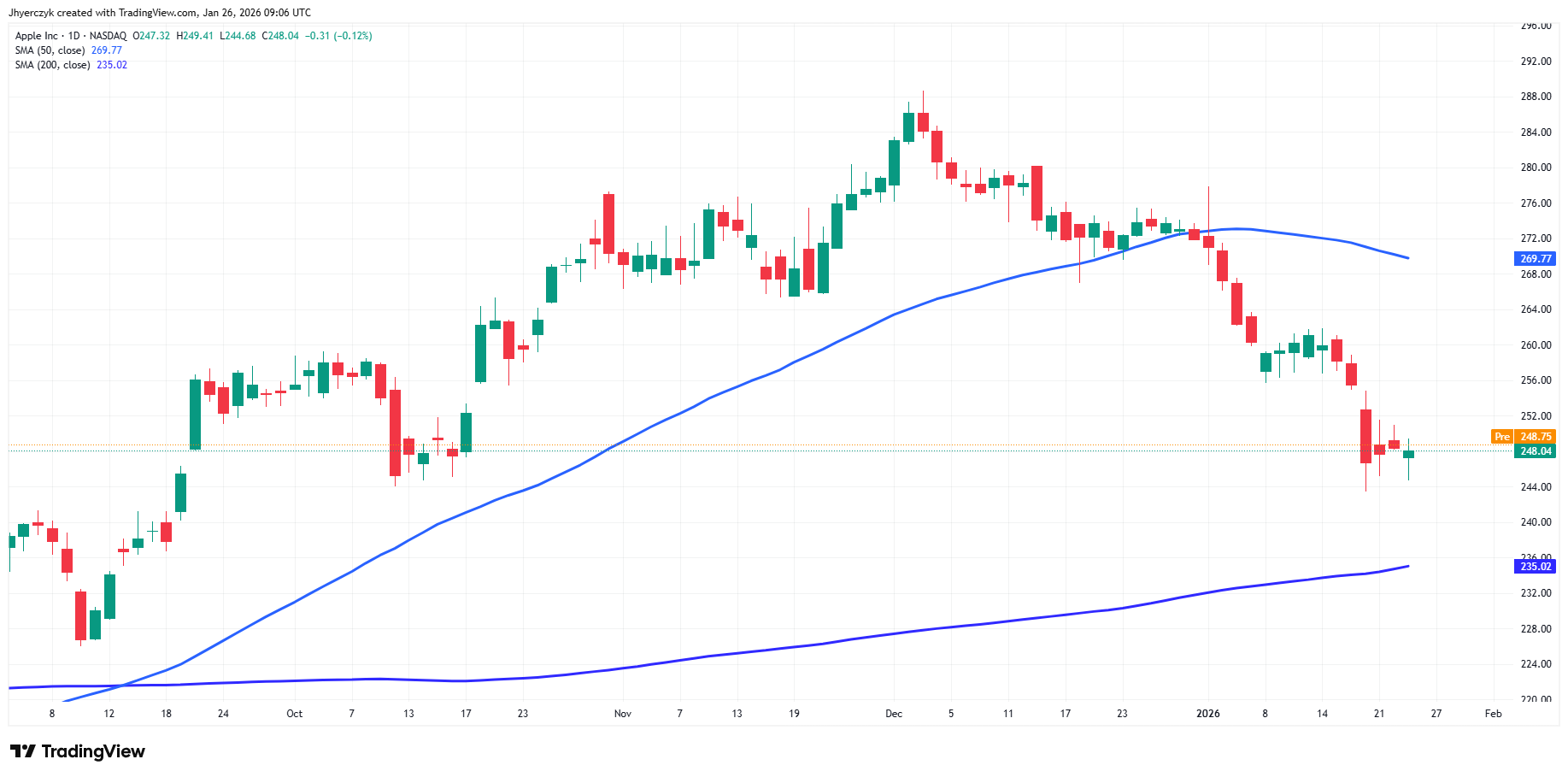
Figure 5. Apple Inc (AAPL) price chart. Source: TradingView.
Many analysts think Apple might announce a partnership with a Chinese company for AI—probably Baidu—plus strong iPhone sales from people choosing pricier models. What Apple says about consumer spending matters for more than just Apple investors.
How Things Are Looking Overall
So far, 78 companies in the S&P 500 have reported their fourth quarter results. The earnings are up 17.4 percent compared to last year, and 83.3 percent of companies did better than expected. If this keeps up, it’ll be the tenth quarter in a row of earnings growth—which is actually pretty impressive.
But there’s something to keep in mind. The biggest tech companies are growing their earnings at about 20.3 percent. The other 493 companies in the S&P 500? They’re only growing at 4.1 percent. So the growth is still really concentrated in just a few big names.
One surprise has been financial companies. Banks and investment firms are reporting earnings growth of 27.5 percent, and every single one has beaten estimates.
Looking ahead to 2026, analysts are predicting 14.7 percent earnings growth across the whole market. And for the first time since 2021, they expect all 16 sectors to grow. If that actually happens, it would mean we’re less dependent on just a handful of giant tech companies.
Why This Week Is Important
The S&P 500 has had three really good years in a row, with 2025 ending up 17 percent. Companies are approaching their ninth straight quarter of earnings growth—an impressive streak.
But stock prices are high relative to earnings. The market is trading at 22.3 times what companies are expected to earn, which is above the average of the last five years (21.2) and the last ten years (20.3). When prices are high like that, companies really need to deliver.
The biggest tech companies make up about 37 percent of the S&P 500’s total value. So when they do well or poorly, it affects the whole market. If several of them report disappointing results or weak outlooks, you’ll probably see pressure on the broader market. On the other hand, strong results with positive outlooks could get people feeling more confident again.
And remember, all of this is happening the same week as the Fed meeting. That’s a lot of big events packed into a few days.
The Bottom Line
Intel showed us something important. Just beating last quarter’s estimates doesn’t mean much anymore if your outlook for the future isn’t impressive. These days, it’s all about what’s coming next.
This week, artificial intelligence is going to dominate the conversation. Investors want to see actual results, not just promises about what might happen someday. The manufacturing and industrial companies will tell us whether the economy is holding up. And consumer companies will show us if people are still comfortable spending money.
With the Fed meeting happening at the same time, there’s a lot going on. Even if companies report good earnings, it might not be enough if they can’t paint a positive picture of what’s ahead.
Intel learned that lesson the hard way last week. Now we’ll see how the biggest companies in the world handle that same pressure.