The Federal Reserve is in a critical period. Inflation is picking up again, oil prices remain elevated and the job market is less certain. Meanwhile, it might be entering a transition period in its chairmanship as Kevin Warsh inches closer to replacing Jerome Powell. This is important because interest rates are now the center of the U.S. economic narrative. They impact loan costs, consumption, investment, deposit rates and the value of the U.S. dollar.
Inflation Pressure Keeps Fed Rate Cuts on Hold
The Fed is likely to hold interest rates steady at its next meeting. This is likely to be the case because the economic circumstances do not justify an early interest rate cut. The conflict with Iran has driven Brent crude oil prices up, and this affects the price of gas, transport and air travel. This means that inflation risk remains, despite some slowing in the economy.
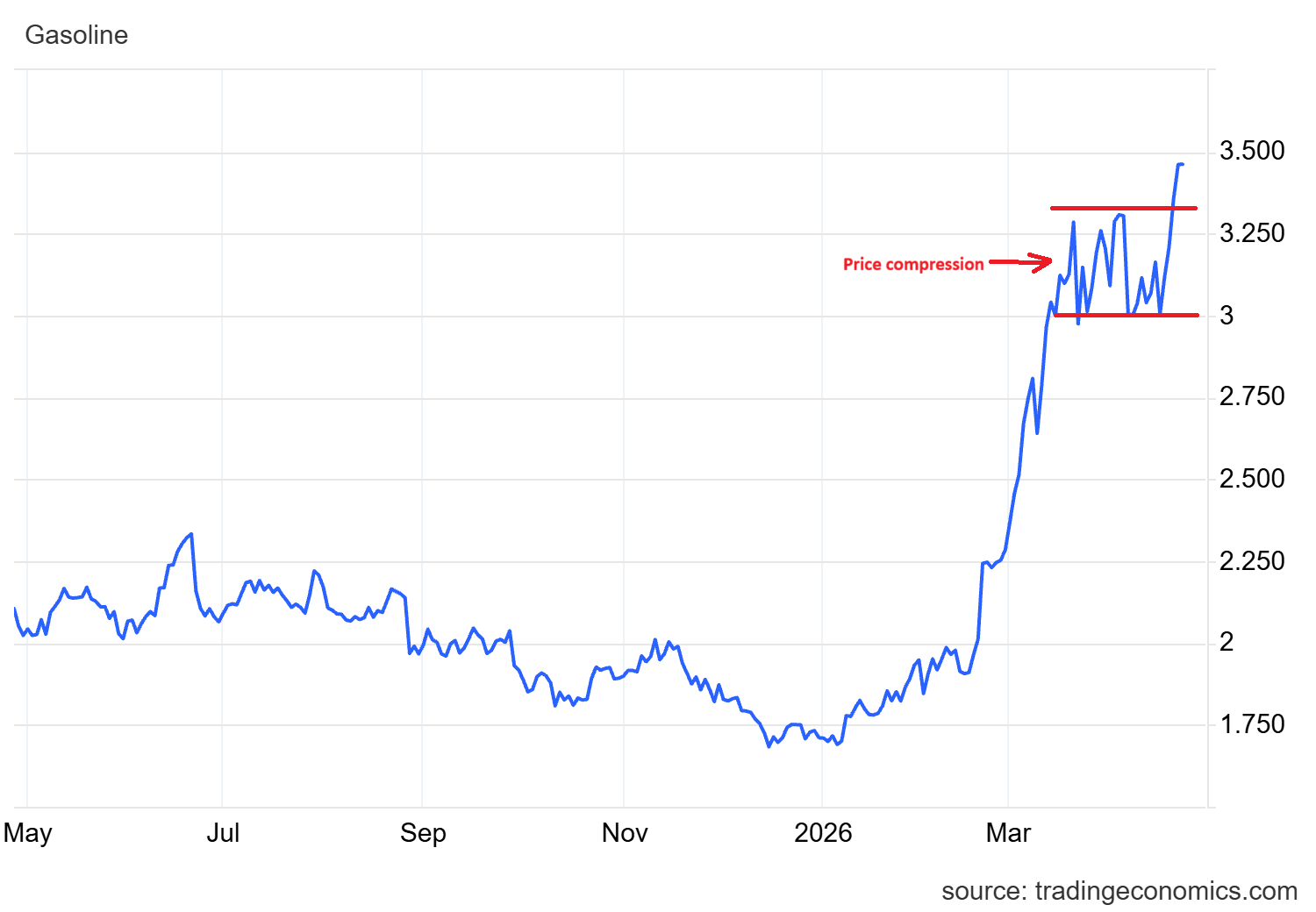
The chart below shows that the gasoline prices have surged over 50% since the start of US-Iran war. The price broke again last week after forming a price compression which indicates a strong rally in the coming weeks.
The surge in energy prices has increased inflation fears. The first wave of inflation is reflected in a spike in the consumer price index as seen in the chart below. The continued rally in energy prices will fuel further inflation in the next few months.
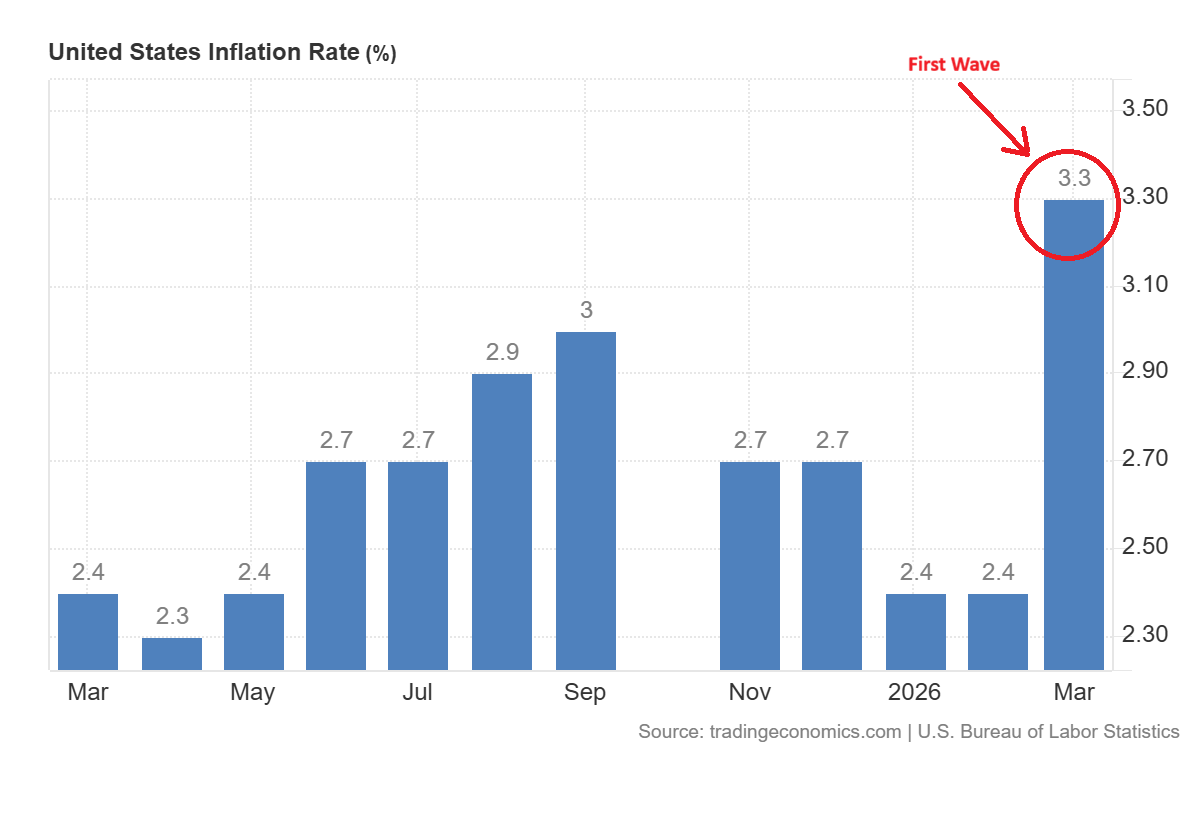
This is the reason why the Fed may hold off. The rate cuts this time may signal that the Fed is easing too soon. It might also undermine the effort to tackle inflation at a time when prices are already higher. While oil prices may decline from current levels, many prices may not quickly revert to pre-war prices. This makes inflation sticky and makes the Fed nervous.
EUR/USD Price Forecast
Every new EUR/USD analysis as it publishes, today's technical signal and key levels, live price — on one page.
See all EUR/USD forecastsHigh Interest Rates Keep Pressure on Borrowers and Housing
The Fed controls its interest rate, but this affects many other rates. Short-term rates tend to track the prime rate, which influences credit card rates, personal loans and some business loans. Until the Fed lowers rates, consumers will continue to pay high rates.
It’s worst for credit card borrowers because most credit cards have variable rates. Auto loan rates are also high, meaning some consumers need to extend the repayment period to afford their monthly payments. Mortgage rates move with long term Treasury yields but also respond to inflation and economic uncertainty. This means affordability could also be a problem even if the Fed does not increase rates.
This split economy is the result of high interest rates. Borrowers face higher costs due to high interest rates, but savers continue to receive better returns. Savings and money market accounts, and short-term deposit products tend to track the Fed’s rate. So, a flat Fed rate can keep savings yields higher.
This is a silver lining in the current interest rate situation. In some instances, savers can even earn a return above inflation. But it doesn’t completely compensate consumers with credit card balances, auto loans, student loans or mortgages. Rates are still a drag on many Americans despite the positive benefits for savers.
Fed Leadership Change Adds Uncertainty to Rate Outlook
The news about the chairmanship adds to the uncertainty. Kevin Warsh is moving a step closer to the job after the Justice Department stopped its criminal investigation of Jerome Powell. Powell’s chairmanship expires next month and the Warsh nomination is now in the Senate spotlight.
Warsh has vowed to keep the Fed independent. This is important because investors want to know whether the Fed will set future interest rates based on inflation and jobs figures or whether political factors could make the Fed more hawkish on rate cuts. Faster rate cuts could be good for stocks and loans in the short run. But it could also be a confidence killer if inflation persists.
U.S. Dollar Outlook: Higher Rates Support the Greenback
If rates in the U.S. remain high, the greenback can be supported as overseas investors seek to earn higher rates on dollar-denominated securities.
That can be negative for EUR/USD and GBP/USD if the European Central Bank or Bank of England appears more likely to ease monetary policy than the Fed.
But the dollar has two sides. If investors expect a new Fed to be more aggressive in cutting, the dollar might weaken. This could support a recovery in the major currencies. But for now, inflationary pressures, rising oil prices and lack of Fed rate cuts are keeping the greenback stronger.
The chart below shows that the US dollar index has been consolidating in between 96 and 100.50 levels for the past nine months. A break of this consolidation will result in the major moves in forex and commodities.
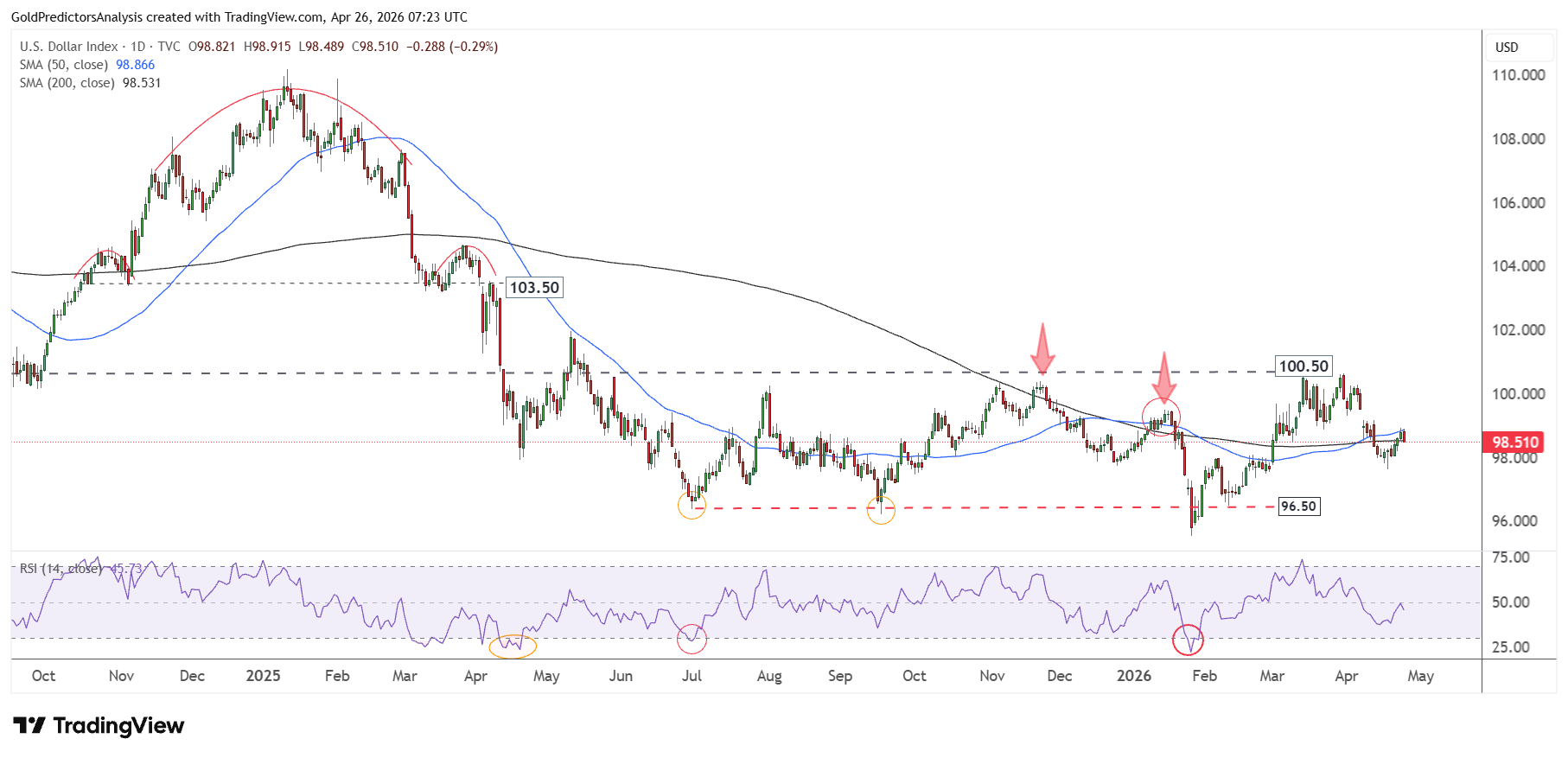
These consolidations have resulted in a consolidation in the EURUSD and GBPUSD pairs. However, there was a fake break higher observed in both pairs on 27 January 2026 but the pair failed to break higher as US dollar rebounded back to 100.50.
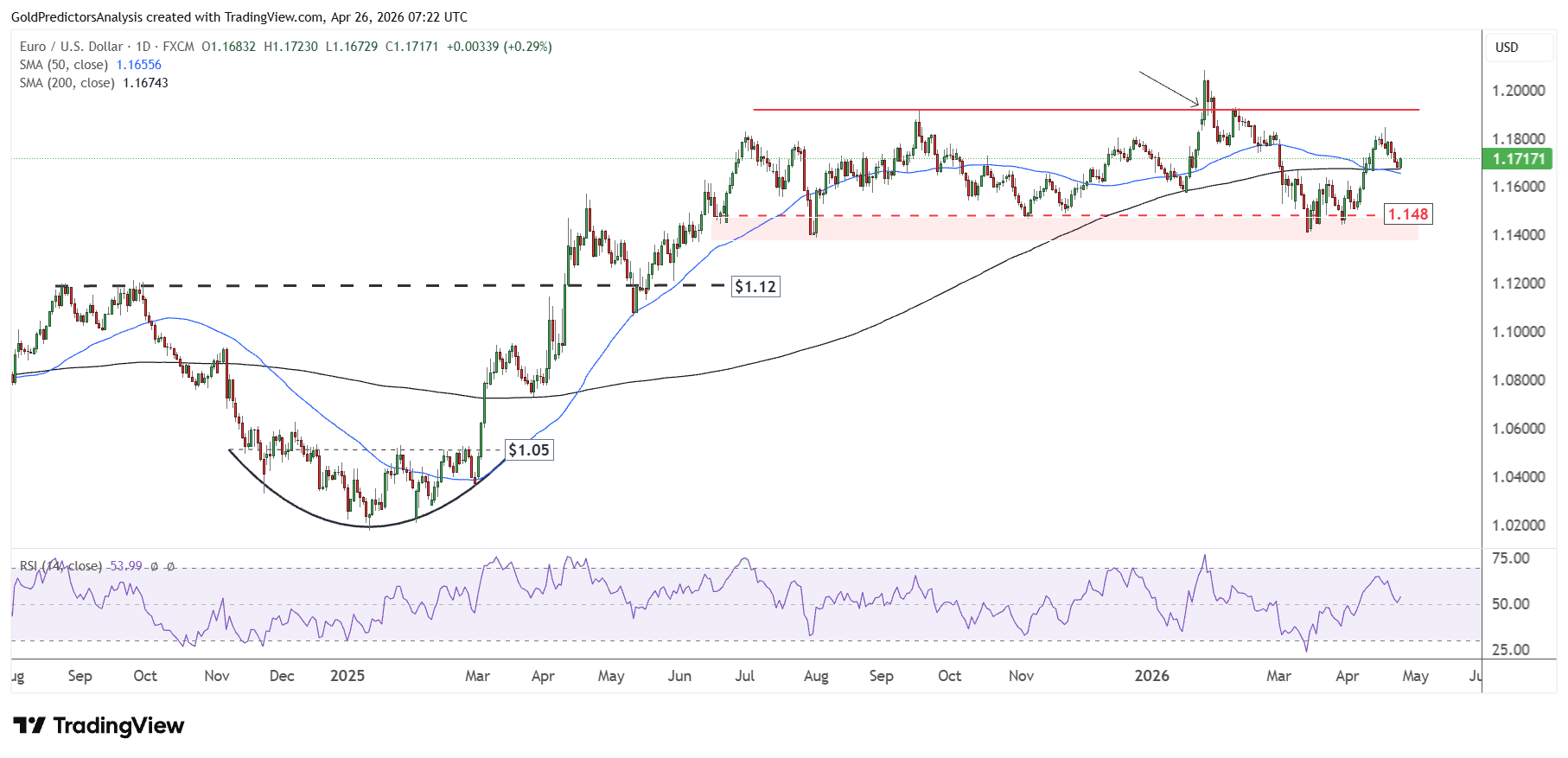
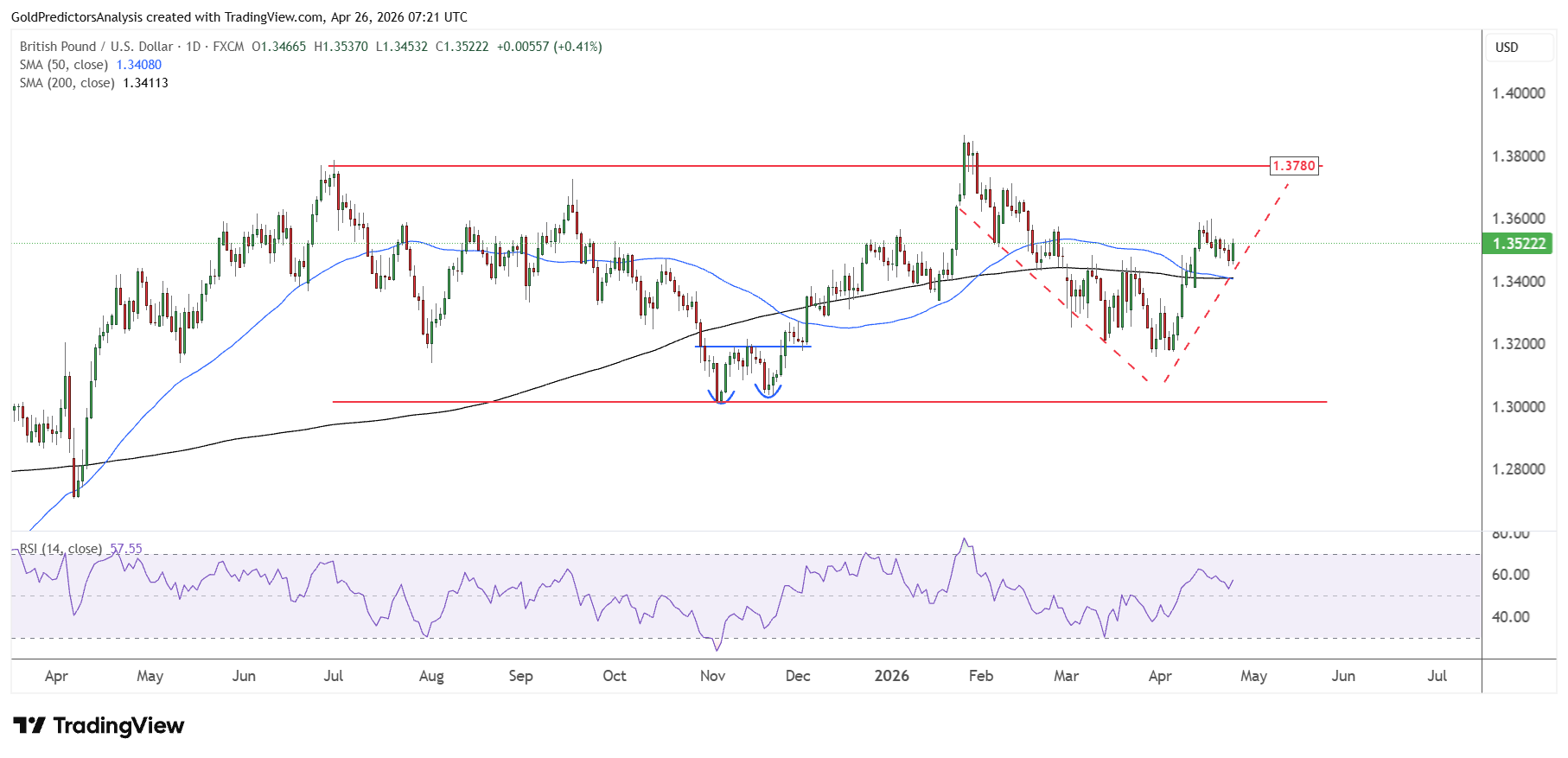
Therefore, a break of the range of 96 and 100.50 in US dollar index will define the next move in EURUSD and GBPUSD.
Bottom Line
The Fed is not facing a normal rate-cut cycle. It is under pressure from higher inflation, oil prices, lower confidence and leadership uncertainty. These all make it hard to cut rates early, despite signs of slowdown in parts of the economy. They will help savers, but also continue to burden borrowers, homes and businesses.
For the markets, all eyes are on the US dollar. A breakout from the current range may drive the direction of the next move in EUR/USD, GBP/USD and commodities. Until inflation cools more clearly, the Fed has strong reasons to stay cautious.