From Rate Cuts to Rate Hikes: Markets Reprice the Fed
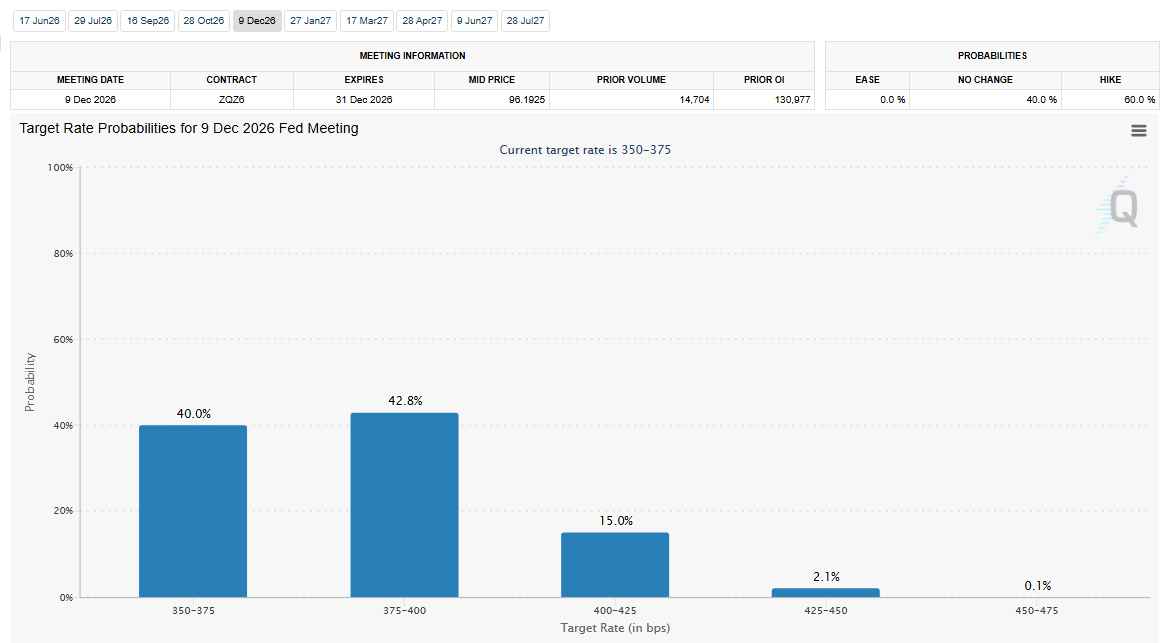
Investors walked into 2026 expecting two or three rate cuts before year-end, but that trade is dead. Essentially, the Federal Reserve dovish narrative flipped completely in six months. The CME FedWatch Tool now shows roughly 70% probability of a rate hike by December. So the widely expected rate cuts have been completely taken off the board. That is one of the sharpest reversals in Fed expectations in years. Investors went from pricing in relief to pricing in more pain. The June FOMC meeting is expected to deliver no change. The real question is what comes after and when.
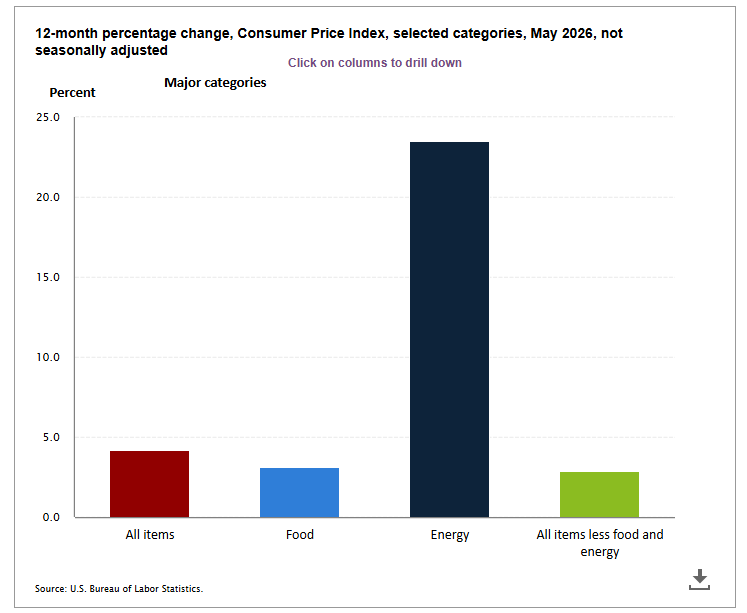
Two data points killed the rate cut trade. The May employment report came in strong. Then the Consumer Price Index confirmed that inflation is not cooperating. Together they forced a repricing across every asset class. Bonds, stocks, currencies, commodities. Nothing was spared. The Federal Reserve’s dual mandate says maximum employment and price stability. Employment is running hot. Prices are running hotter. Neither one gives the Federal Reserve a reason to ease.

The Jobs Report Took the First Argument Away
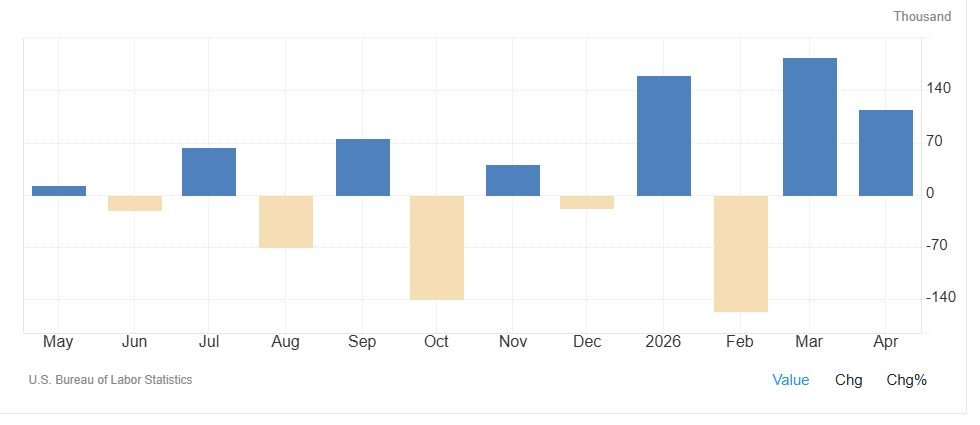
The U.S. economy added 172,000 nonfarm payroll jobs in May, which beat forecasts by a wide margin. Additionally, the unemployment rate held at 4.3% and wage growth stayed firm. The details of the report showed that health care, leisure and hospitality, and government kept hiring at a steady pace. The data showed the labor market is not cracking, it’s not even bending.
That resilience for nearly the first half of the year is one of the main reasons the rate cut argument has been taken off the table. My experience has me focusing on consumer spending power. Strong hiring means households still have spending power. Spending power keeps the economy running without cheaper credit and the Fed doesn’t have a history of cutting rates into a labor market this tight. It waits, assesses the data, or it hikes.
Inflation Made It Worse
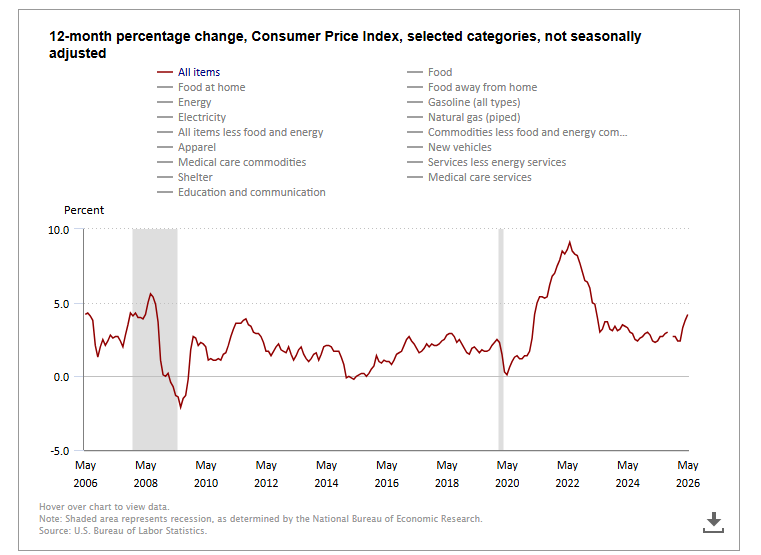
The May Consumer Price Index rose sharply on the month. Annual inflation hit its highest level in three years. Energy costs jumped on the back of the Iran conflict. Core inflation, stripping out food and energy, stayed elevated with services prices doing the most damage.
The Federal Reserve’s 2% target is nowhere close. Sticky prices in the categories that matter most, shelter and services, are not responding to restrictive policy fast enough. Cutting rates with inflation at these levels risks reigniting the problem. The data gave the hawks everything they needed. The case for higher for longer is no longer a debate. It is the base case.
Rate-Sensitive Sectors Are Feeling It First
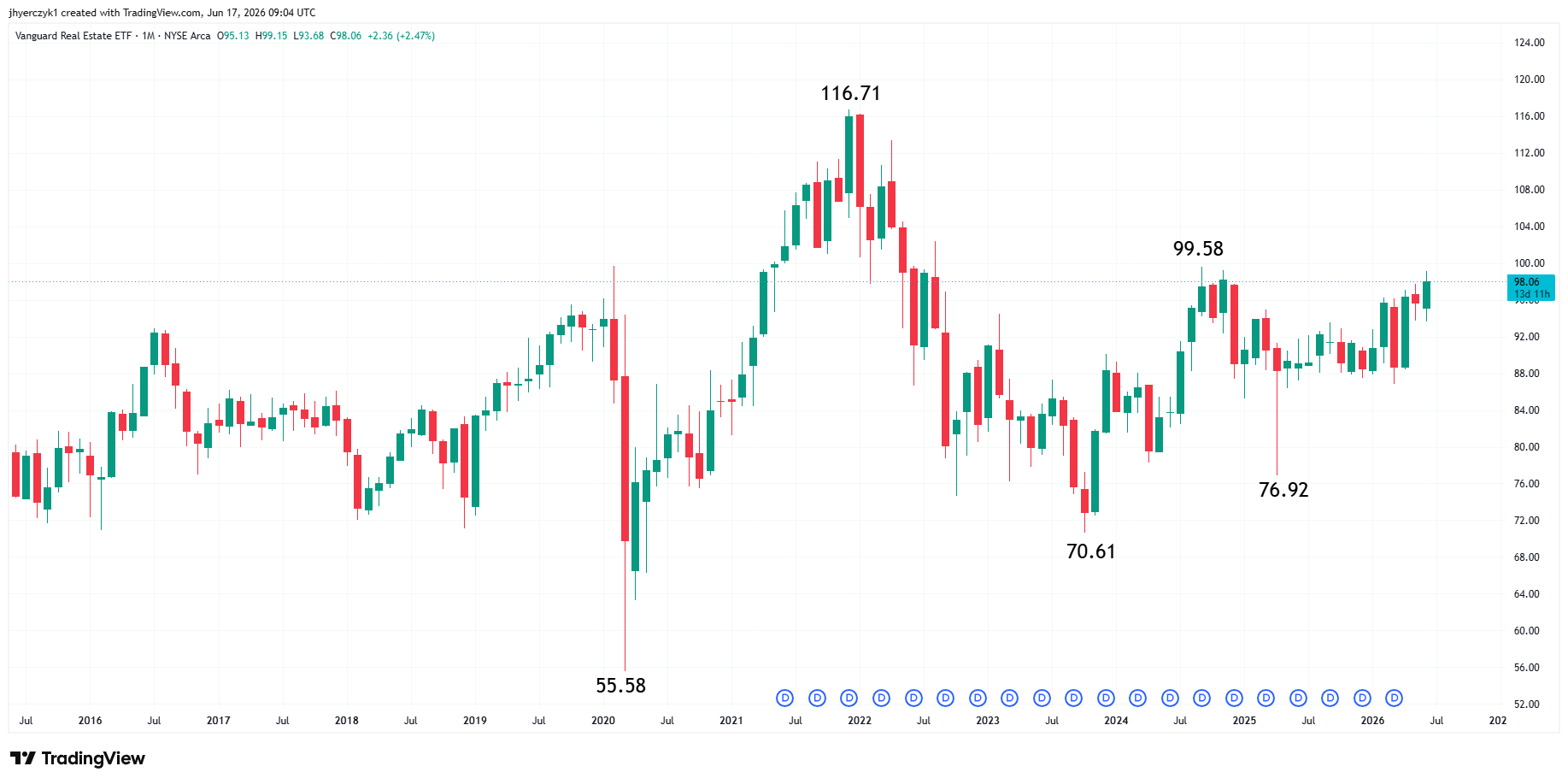
Utilities, REITs, and small caps are taking the hit directly. Higher borrowing costs squeeze margins on debt-heavy businesses. Dividend yields that looked attractive six months ago are competing with Treasury yields above 4.5%. The math does not work in favor of income stocks when risk-free rates keep climbing.
Housing and commercial lending are slowing. Mortgage rates are not coming down. Businesses looking to expand face steeper financing costs. The parts of the economy that need lower rates to function are adjusting to the reality that lower rates are not coming.
The bond market repriced fast. Existing holders are sitting on paper losses. New buyers are getting yields that have not been available in years. Capital is moving. The rotation out of rate-sensitive equities into fixed income started the moment the jobs report landed.
The Chip Trade Got Hit Hardest
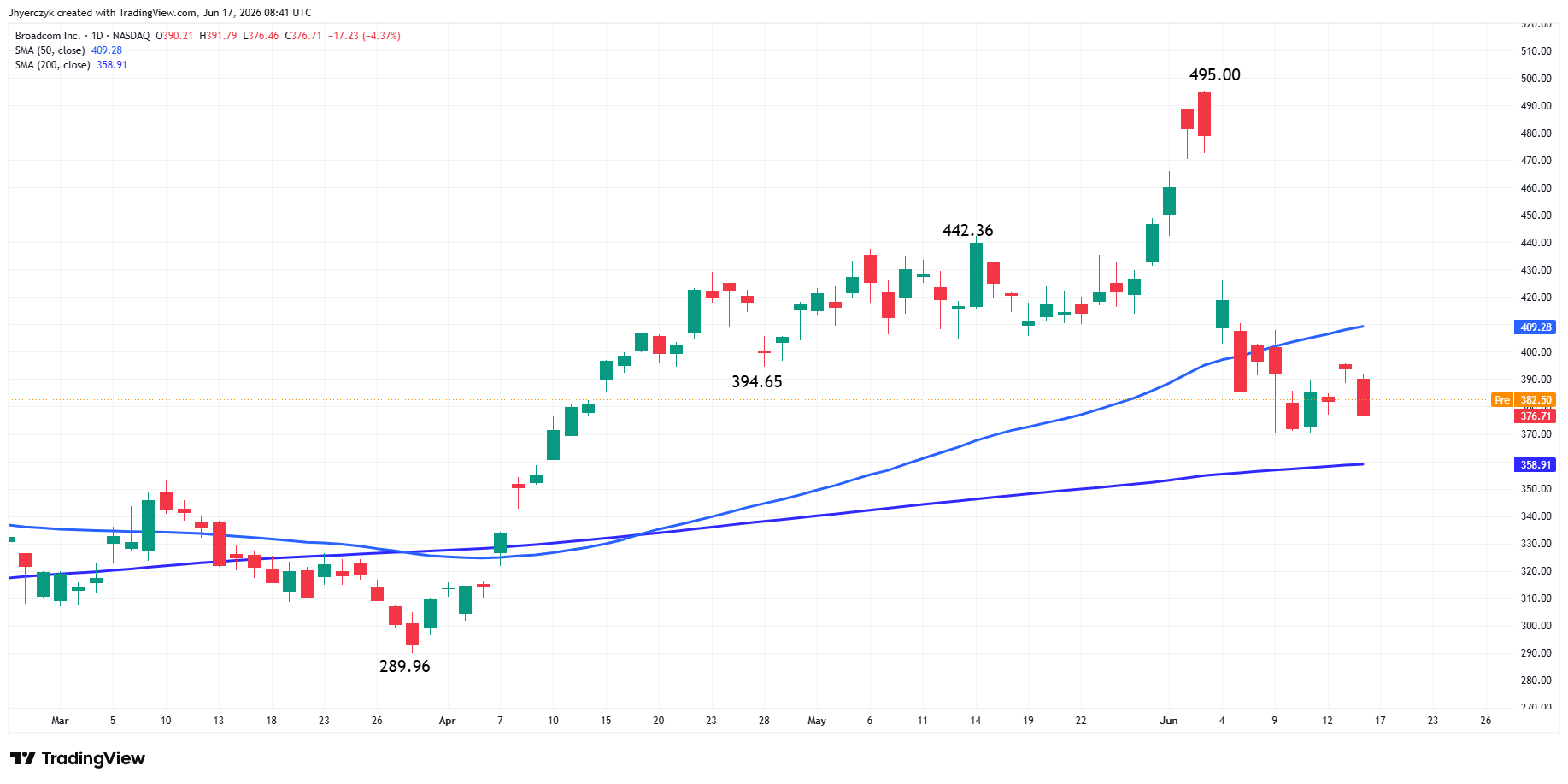
Semiconductor stocks powered the market for two years on the back of artificial intelligence spending. The entire trade was built on two assumptions. Artificial intelligence demand would keep accelerating. The Federal Reserve would eventually cut rates and support the valuations investors were paying.
The first assumption is holding. The second one just broke.
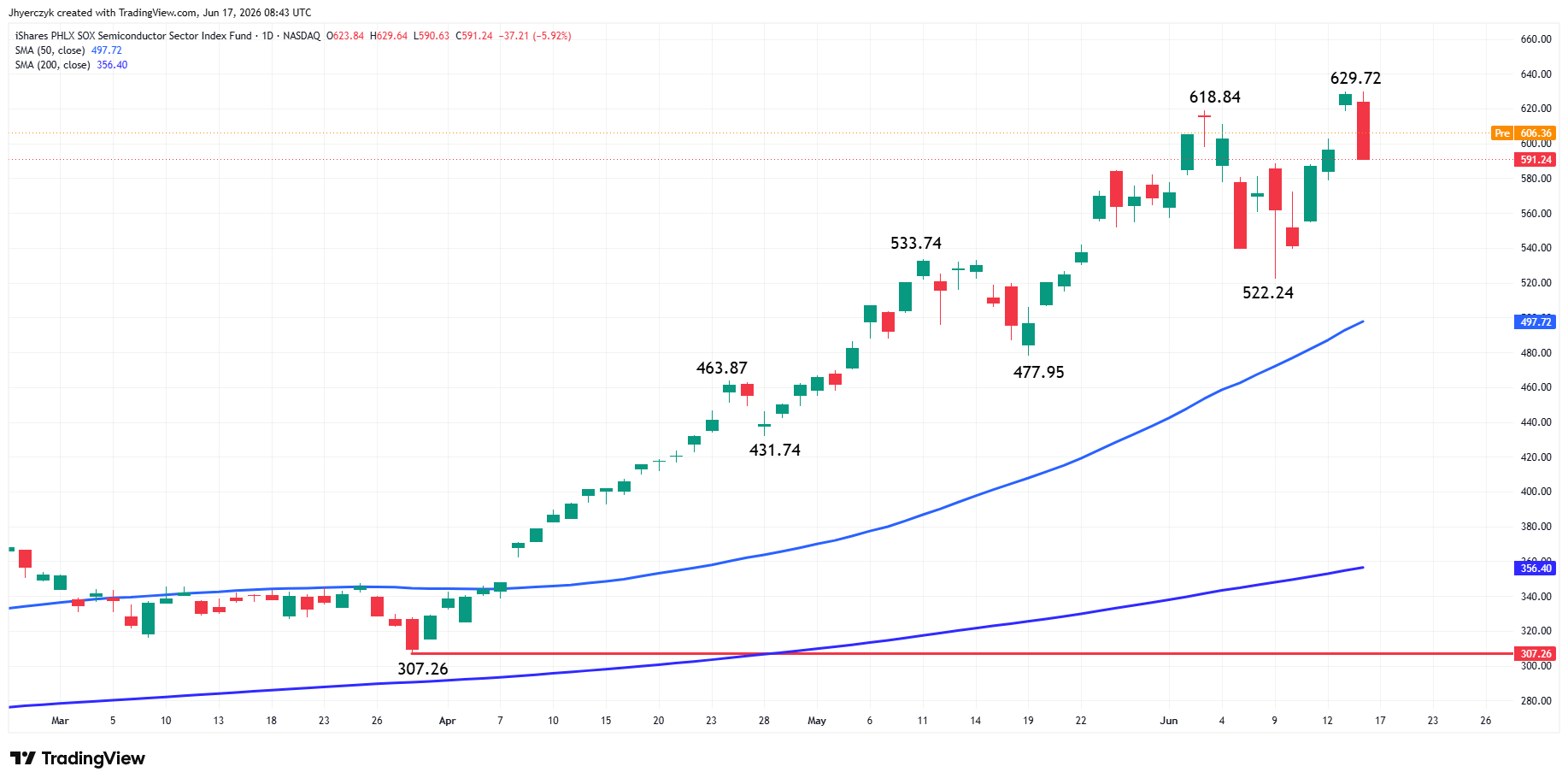
The Philadelphia Semiconductor Index entered correction territory between June 5 and June 11. The iShares Semiconductor ETF and VanEck Semiconductor ETF came under heavy selling pressure. NVIDIA, Advanced Micro Devices, Broadcom, and Micron Technology all got hit as investors questioned whether higher rates could slow the pace of artificial intelligence infrastructure spending. Elevated financing costs raise questions about how aggressively data center investment continues when borrowing is this expensive.
Megacap Valuations Need a New Framework
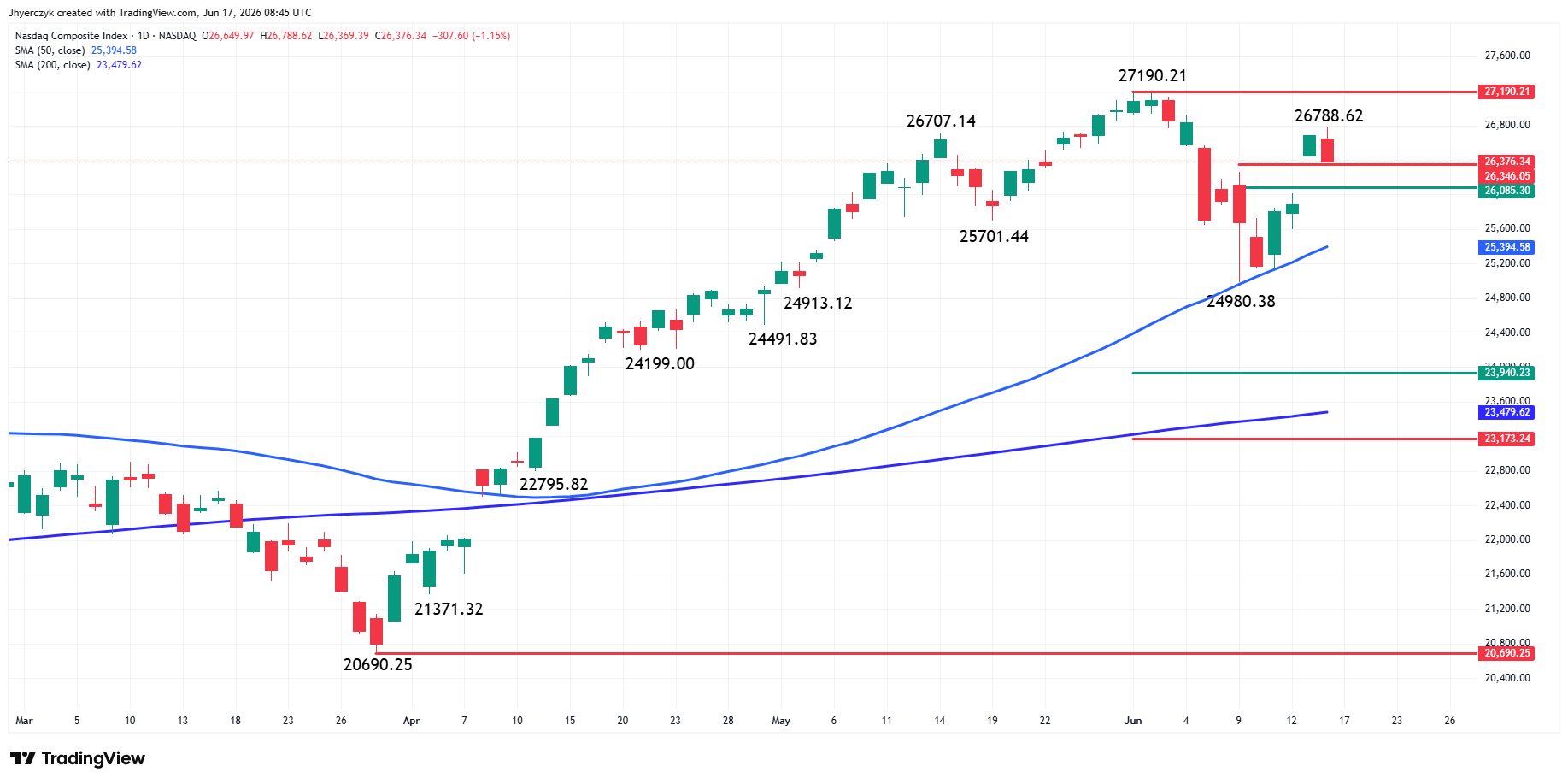
Microsoft, Amazon, and Meta came down with the semiconductor names even though most of them fund their artificial intelligence buildout from cash flow, not debt. But trillion-dollar market caps are not protected by strong balance sheets when the rate of return the market demands shifts higher. The Nasdaq dropped sharply after the jobs report and the Consumer Price Index confirmation. Artificial intelligence and semiconductor names led every leg lower.
The shift from “cuts are coming” to “hikes are possible” is forcing every growth investor to recalculate what they are willing to pay for earnings that are still years away.
The stocks that ran the furthest on rate cut expectations have the most room to give back, and some of them already have. The companies generating real revenue with clean balance sheets will come through this repricing in better shape than the names that were riding momentum and cheap money assumptions. That sorting started the week of June 5 and it is far from over.
What Comes Next
Nobody expects the June FOMC meeting to deliver a rate change and the market has known that for weeks. The meetings that matter come later in 2026, especially December where the CME FedWatch Tool already shows 70% odds of a hike. Between now and then, every jobs report, every inflation print, and every crude oil headline out of the Middle East feeds directly into the Federal Reserve debate. The central question has shifted. Investors are no longer counting rate cuts, they are trying to time the first rate hike.
My read on this is the repricing is not finished. The economy is too strong for cuts. Inflation is too sticky for the Federal Reserve to back down. The 70% probability of a December hike could go higher if the next round of data confirms what May already showed. Rate-sensitive sectors stay under pressure until yields come down and yields are not coming down on this data.
Semiconductor and artificial intelligence valuations need to find a floor based on earnings, not the rate cut hopes that built them up over the past two years.
The companies with real cash flow and real demand will come through this repricing intact. The ones that were trading on momentum and expectations will not. The noise about when cuts are coming is exactly that. They are not coming anytime soon.
More Information in our Economic Calendar.