The U.S.-Iran War, which began in late February 2026, has shaken up the world’s natural gas markets in big ways. Iran attacked energy sites in Qatar and tried to block the Strait of Hormuz, a narrow sea lane that carries about 20 percent of global liquefied natural gas (LNG). Qatar, the world’s second-biggest LNG exporter, lost 17 percent of its export capacity when missiles damaged key facilities at Ras Laffan. That created a sudden shortage of LNG heading to Europe and Asia. Prices there shot up fast. But in the United States, natural gas prices stayed much calmer.
This article explains why, what it means for Europe this summer and next winter, how long Qatar’s repairs might take, and what the U.S. must do to sell more LNG around the world. It also looks at how more oil drilling in places like Texas could add extra U.S. gas supplies. At the end, there’s a 90-day forecast from mid-May 2026.
Ahmed Yousre, Global Market Strategist at PU Prime commented:
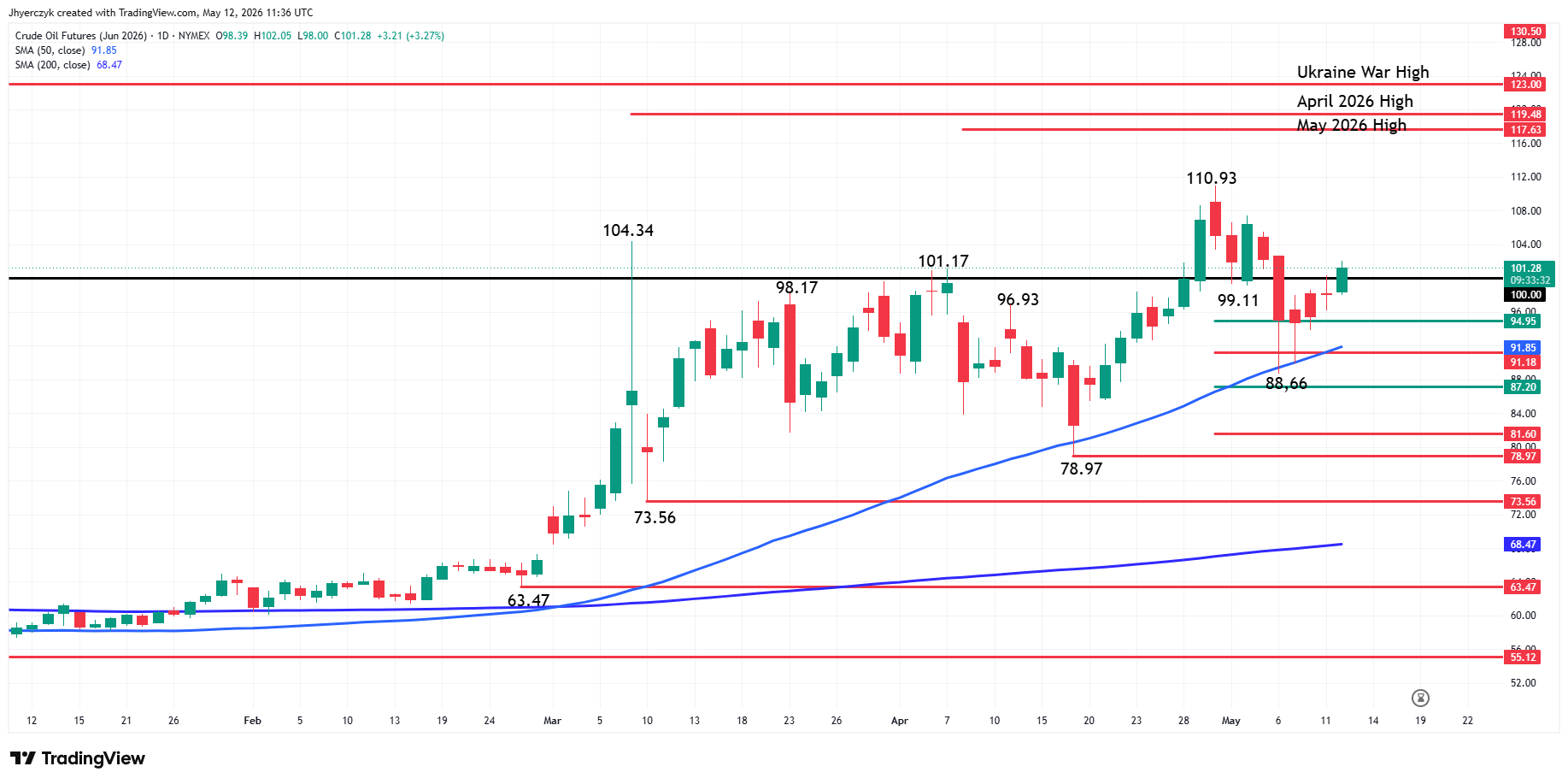
Oil prices remained broadly supported after President Donald Trump stated that China is interested in purchasing more U.S. oil, while continued concerns surrounding ship attacks and vessel seizures near the Strait of Hormuz kept geopolitical risks elevated. However, despite the initial rebound, crude prices later stabilized and edged slightly lower as market participants grew increasingly optimistic over the latest U.S.–China discussions.
From PU Prime’s perspective, the market is beginning to shift its focus away from immediate geopolitical fears toward the possibility of improving diplomatic cooperation between major global powers. China remains the largest buyer of Iranian oil despite ongoing U.S. sanctions pressure, making the latest U.S.–China discussions particularly important for global energy markets. Recent talks reportedly covered a wide range of issues, including Taiwan, the Iran conflict, bilateral trade prospects, energy cooperation, and agricultural purchases. Although no major breakthroughs were announced, both sides maintained a relatively calm and constructive tone, helping improve broader market sentiment.
At the same time, OPEC’s decision to lower its 2026 global oil demand growth forecast also helped limit upside momentum in crude prices, reinforcing expectations that inflationary pressures linked to energy prices may gradually moderate if supply conditions improve further.
Markets are increasingly watching whether diplomatic engagement between the United States and China could eventually contribute to broader progress involving Iran. Any meaningful improvement in U.S.–Iran relations or improved stability around the Strait of Hormuz could further ease global supply disruption concerns and reduce geopolitical risk premiums embedded in oil prices.
Overall, the combination of improving diplomatic sentiment, moderating oil demand expectations, and easing inflation concerns continues to provide a relatively supportive backdrop for broader risk assets and global equity markets in the near term.
Winners and Losers
First, let’s look at Europe. Natural gas prices there jumped sharply after the war started. Benchmarks like the TTF in Europe rose about 85 percent in the early weeks, while Asian LNG prices climbed even more—up around 143 percent at one point.
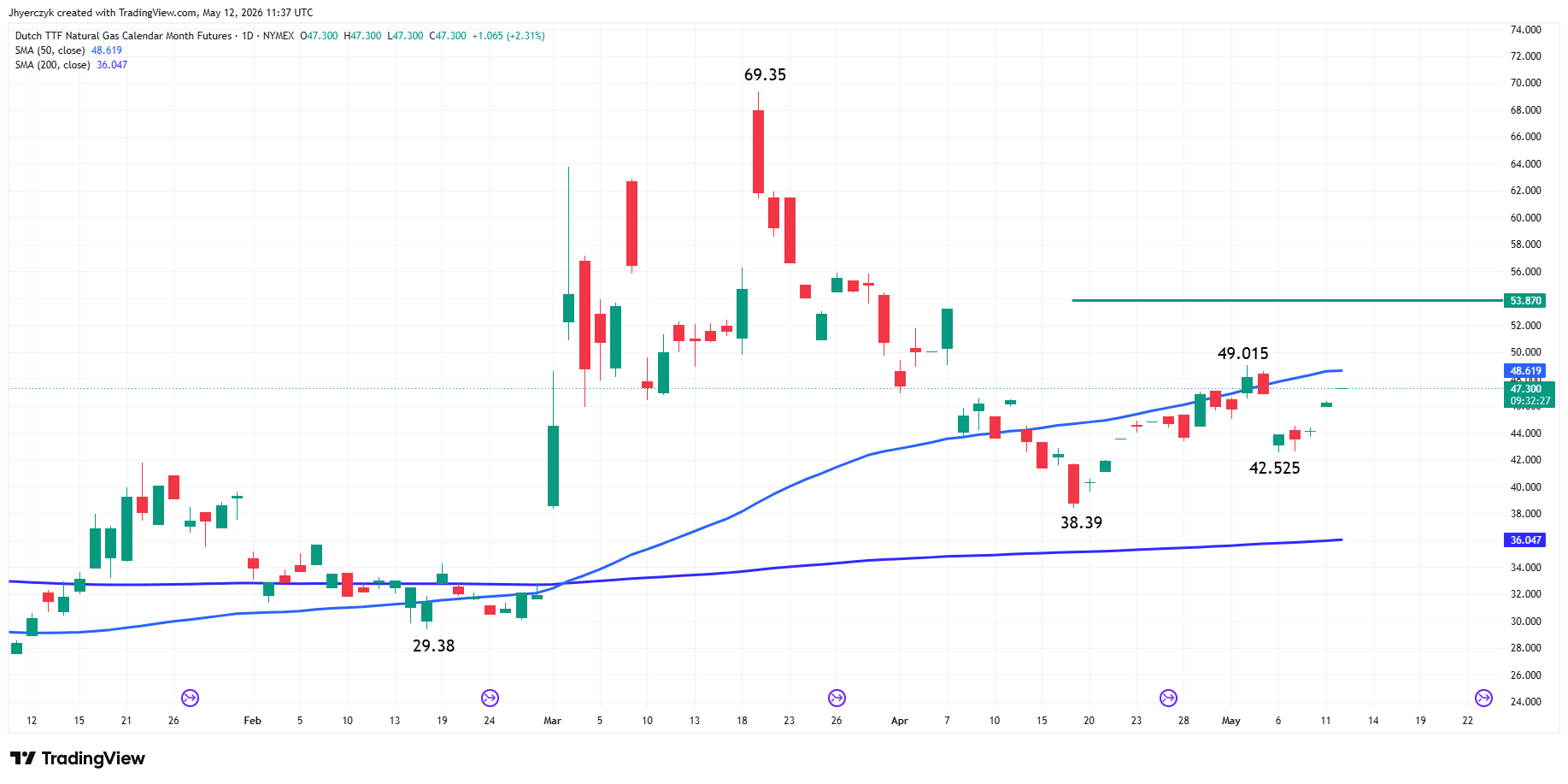
Why? Europe relies heavily on LNG imports now that Russian pipeline gas is mostly gone. With Qatar offline and ships struggling to get through the Hormuz area, buyers in Europe and Asia started bidding against each other for every available cargo. U.S. exporters stepped in and sold at much higher prices overseas. European families and factories are feeling the pinch through higher electricity and heating bills. Power plants that burn gas to make electricity have raised costs, too.
In the United States, though, prices at the Henry Hub—the main U.S. trading point—have not soared like they did overseas. Even with more demand for exports, domestic prices stayed around $3 to $3.50 per million British thermal units (MMBtu) in recent months.
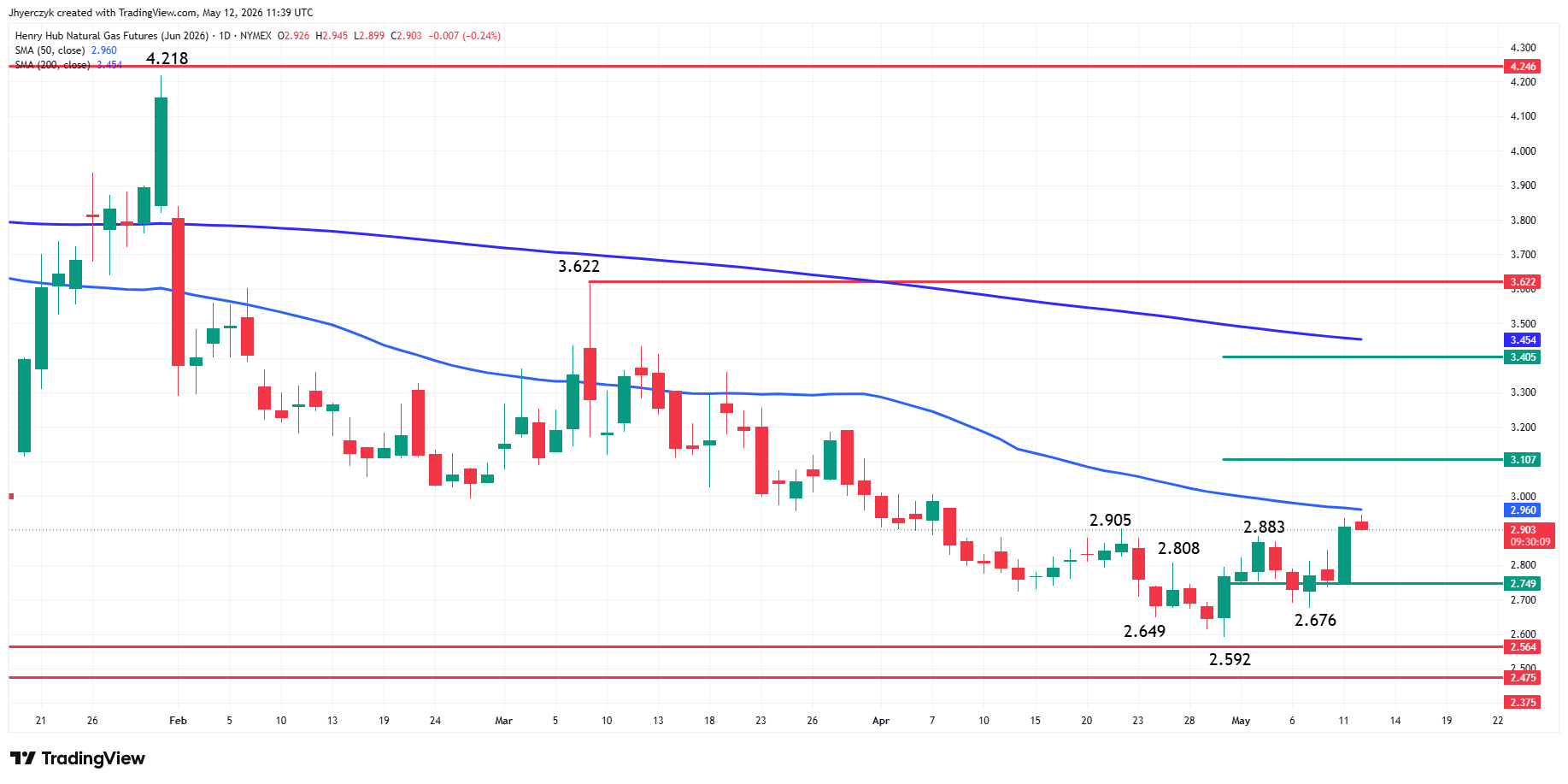
There are two main reasons. First, U.S. LNG terminals are already running 24/7 at nearly full capacity, exporting about 14 to 19 billion cubic feet per day. There simply are not enough terminals or pipelines to ship a lot more right now. Second, the U.S. produces huge amounts of natural gas at home—over 100 billion cubic feet per day. Most of it stays in the country for homes, power plants, and factories. Because gas is hard and expensive to move long distances unless it is turned into LNG, U.S. prices are set more by what happens inside the country than by global shortages. Producers buy gas cheaply here and sell it overseas for big profits, but that extra demand has not yet forced U.S. prices way up.
Natural Gas Price Forecast
Every new Natural Gas analysis as it publishes, today's technical signal and key levels, live price — on one page.
See all Natural Gas forecastsAn Opportunity The U.S. Cannot Miss
Experts say this setup gives U.S. companies a windfall. They can buy gas for around $3 at home and sell LNG for $15 to $20 overseas. But it also shows the limits. Without more export terminals, the U.S. cannot quickly become the world’s main backup supplier.
To become a bigger player in the international market, the U.S. needs to build faster and smarter. That means finishing the many LNG terminals already under construction along the Gulf Coast. Projects like Golden Pass in Texas, Plaquemines in Louisiana, and expansions at Corpus Christi are set to add several billion cubic feet per day in the next year or two. The government could speed up permits and approvals. Companies also need better pipelines to carry more gas from shale fields in Texas and Pennsylvania to the export terminals. Right now, some pipelines are nearly full, and bottlenecks keep prices low in some areas. If the war lasts, investors may pour more money into these projects because U.S. gas looks safer and more reliable than Middle East supplies.
Long term, the U.S. could double its LNG export capacity by 2029 or 2030 if it acts now. That would create jobs, bring in tax money, and make the country even more important for global energy security.
Europe and the Looming Energy Crisis
Is Europe in trouble for the summer of 2026? It depends on the weather, but there is reason to worry. Summer cooling needs electricity, and many European power plants still use natural gas when the wind and sun are not enough. If temperatures spike and air conditioners run hard, demand for gas could rise just as LNG supplies stay tight.
Storage levels are okay right now, but they are not as full as they could be after a mild winter. Governments are urging people to save energy and may bring back some coal plants as a backup. Still, if the war keeps disrupting shipments, Europe could face higher prices and possible rolling blackouts or factory slowdowns during heat waves. It is not a full crisis yet, but it is tighter than normal.
Looking ahead to winter 2026-27, the picture looks tougher if the war continues. Europe usually fills huge underground storage caverns during the summer for cold months. But with Qatar’s facilities down and the Hormuz route risky, new LNG will be expensive and harder to get. Analysts warn of possible shortages by late 2026 or early 2027. Prices could spike again, hurting families with heating bills and industries. The global LNG market will stay tight through 2027 because of the lost Qatari supply. Europe might have to ration gas or pay even more to outbid Asia. Peace talks are happening, but as of May 2026 they are stalled, so the risk is real.
Years of Imbalance, Not Months
How long will it take to rebuild Qatar’s facilities? QatarEnergy, the state company, says the damage to two LNG trains and related equipment will sideline about 17 percent of its output for three to five years. That is a long time. Repairs involve fixing or replacing huge, specialized equipment that was hit by missiles. New parts must be ordered, shipped, and installed safely. In the meantime, Qatar has declared “force majeure,” meaning it cannot deliver on some contracts. This loss equals roughly 12.8 million tons of LNG per year—enough to heat millions of homes in Europe or Asia. Full recovery could stretch into 2029 or 2030.
Another factor could help U.S. supplies: rising oil prices and more drilling in Texas. Many oil wells, especially in the Permian Basin, produce natural gas as a byproduct—called associated gas. When oil prices stay high because of the war, companies drill more oil wells. Each new well brings extra gas that flows to market. Texas and the Permian are already producing record amounts of this associated gas.
If oil stays above $80 or $90 a barrel, analysts say the Permian alone could add several billion cubic feet per day of gas in the coming years. That extra supply would flow to LNG terminals and keep U.S. domestic prices from rising too fast. It is a double win for producers: high oil profits plus steady gas sales. But it also means U.S. prices might stay lower even as the world pays more.
Conclusion
In short, the U.S.-Iran War has made Europe and Asia pay a lot more for natural gas while giving American producers a profit boost without big price hikes at home. The key difference is America’s huge domestic production and full-but-not-expandable export terminals.
To grow bigger globally, the U.S. must keep building terminals and pipelines quickly. Europe faces summer risks from cooling demand and bigger winter worries if the fighting drags on. Qatar’s repairs will take years, keeping markets tight. And more Texas oil drilling will likely add welcome U.S. gas supplies.