
Under normal circumstances, such a move would dominate market attention. This time, however, the rate decision may be only part of the story.
Investors are facing an unusual situation as Governor Kazuo Ueda is expected to miss the policy meeting and subsequent press conference due to hospitalization. While Deputy Governor Ryozo Himino will chair the meeting, Deputy Governor Shinichi Uchida will deliver the post-decision briefing.
The change is unlikely to affect the policy outcome itself. Yet for traders and investors trying to understand where Japanese monetary policy is heading next, the absence of the governor introduces an additional layer of uncertainty.
At a time when inflation risks are rising, the yen remains weak and financial markets are questioning how aggressively the Bank of Japan will tighten policy, communication may become just as important as the decision itself.

A Central Bank Under Pressure to Act
The expected rate increase reflects growing concerns within the Bank of Japan that inflation risks are becoming more persistent.
Policymakers are increasingly worried that rising energy prices, higher import costs and continued weakness in the yen could fuel broader price pressures across the economy. While a quarter-point increase alone is unlikely to offset the inflationary impact of higher oil prices, officials believe tighter policy can help address one of the underlying causes of imported inflation: currency weakness.
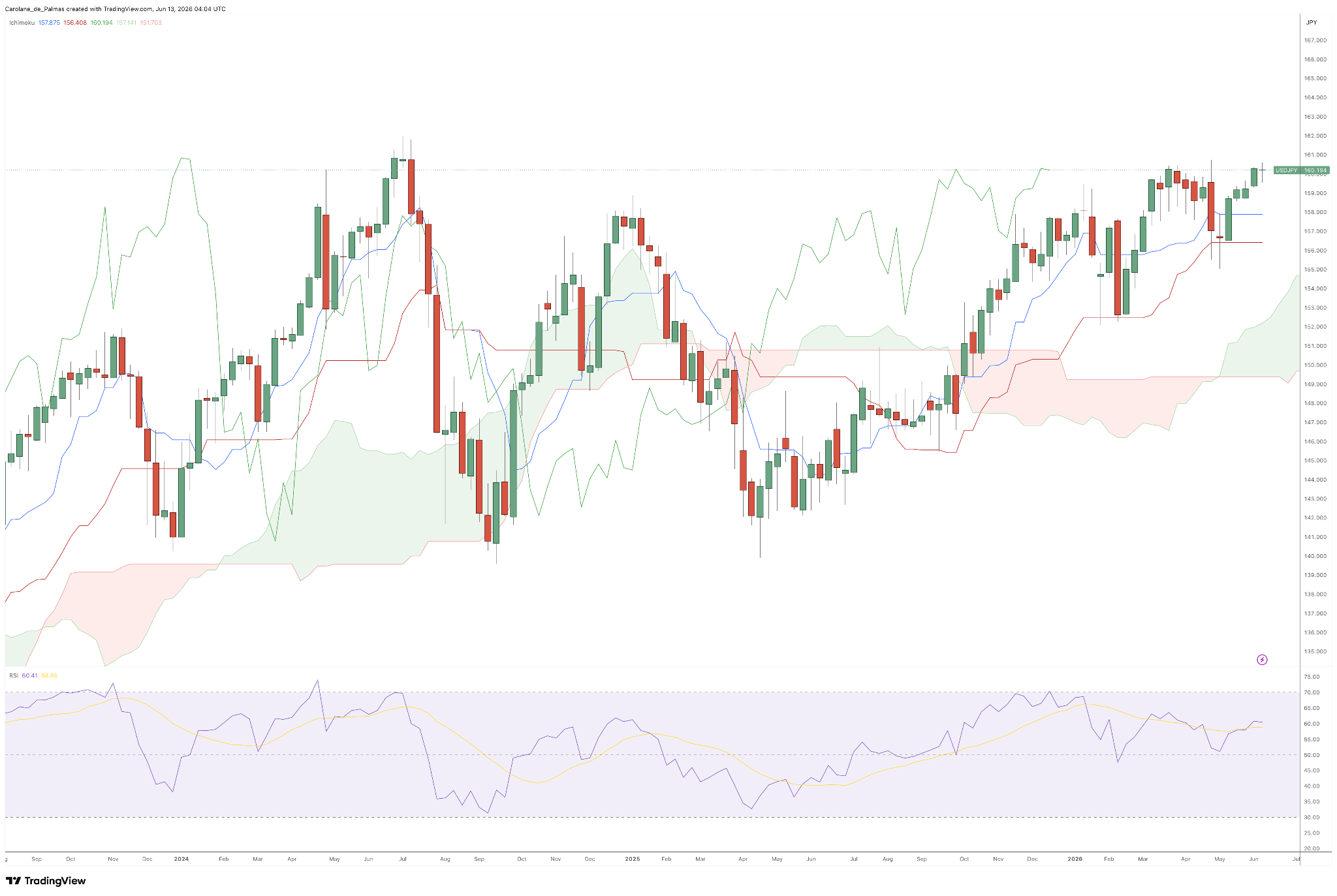
The yen’s depreciation has significantly increased the cost of imported goods and energy, adding pressure on both businesses and households. Raising rates could help narrow interest-rate differentials with other major economies over time and provide some support to the currency.
The central bank is also concerned that real interest rates remain deeply negative. Even after several rate increases, borrowing costs remain exceptionally low when adjusted for inflation. Policymakers increasingly view this as inconsistent with an economy facing persistent inflation risks.
Another factor is credibility. Some investors fear the BOJ may be falling behind the curve and reacting too slowly to inflation. Recent comments from Ueda have reinforced the idea that policymakers are becoming more alert to the risk that energy-driven inflation could eventually spread more broadly throughout the economy.
Meanwhile, rising government bond yields have introduced another challenge. Investors are paying closer attention to whether the BOJ can maintain its independence amid growing political scrutiny and concerns about Japan’s fiscal outlook.
All of these factors help explain why markets expect another rate increase. The bigger question is what comes after it.
US Dollar Index Price Forecast
Every new US Dollar Index analysis as it publishes, today's technical signal and key levels, live price — on one page.
See all US Dollar Index forecastsWhy the Press Conference May Matter More Than the Rate Decision
Financial markets rarely focus only on what a central bank does today. Instead, they are constantly trying to determine what policymakers are likely to do next. That is why forward guidance has become one of the most powerful tools available to modern central banks.
A rate increase to 1.00% is already largely priced into financial markets. As a result, the reaction in currencies, bonds and equities may depend less on the decision itself and more on the signals policymakers provide regarding future moves.
Normally, investors would listen carefully to Ueda’s press conference to assess how concerned the governor is about inflation, how policymakers view the yen and whether further tightening is likely later this year.
This time, however, the governor will not be present.
As a result, investors will have to interpret comments from Uchida, creating a unique challenge. Market participants will not only be analysing the message but also evaluating whether differences in tone reflect a genuine policy shift or simply a different communication style.
This distinction may seem subtle, but it can have major consequences for financial markets.
If Uchida sounds more cautious than Ueda, investors may interpret the remarks as a sign that future rate increases could be delayed. If he sounds more aggressive, markets may conclude that the BOJ is becoming increasingly concerned about inflation.
The problem is that neither interpretation may necessarily be correct. Investors will have to determine whether any differences reflect the deputy governor’s personal communication style or a genuine evolution in the central bank’s thinking.
In short, markets face an unusual “content versus messenger” dilemma.
Why Is Forward Guidance So Important to Traders?
Forward guidance refers to the signals central banks provide about the future direction of monetary policy.
While interest-rate decisions affect markets immediately, forward guidance shapes expectations for months or even years ahead. It influences borrowing costs, investment decisions, currency valuations and asset prices long before any future policy changes actually occur.
For traders, understanding forward guidance is often more important than understanding the current decision.
Consider two possible scenarios.
In the first, the BOJ raises rates to 1.00% but suggests it may pause for an extended period. Such a message could weaken the yen and support equities because investors would anticipate only limited additional tightening.
In the second, the BOJ raises rates and signals that inflation risks remain elevated, leaving the door open for another increase later this year. That could strengthen the yen, push bond yields higher and alter expectations across global markets.
The policy rate would be identical in both scenarios. The difference would be entirely due to forward guidance. This is why central bank communication has become such a critical market-moving tool.
The Challenge Facing Uchida Is Particularly Complex
On one hand, the BOJ wants to maintain flexibility. Policymakers do not want to commit to a specific timetable for future rate increases because economic conditions remain highly uncertain.
The conflict in the Middle East continues to create volatility in energy markets. Oil prices remain elevated and the economic consequences of higher energy costs are difficult to predict.
On the other hand, sounding too cautious carries risks.
The yen remains near levels that have previously raised concerns about potential government intervention. Although policymakers now appear more focused on the speed and volatility of currency movements rather than any specific exchange-rate level, a significantly weaker yen would further increase import costs and inflation pressures.
This creates a communication dilemma.
If Uchida emphasizes uncertainty too heavily, markets may conclude that additional tightening is unlikely. That could trigger renewed yen weakness and undermine the central bank’s efforts to contain inflation. If he sounds excessively hawkish, investors may begin pricing in a faster pace of tightening than policymakers actually intend.
The BOJ, therefore, needs to maintain its inflation-fighting credibility without creating unrealistic expectations about future rate increases.
Sources: Reuters, The Wall Street Journal, BoJ