EUR/USD Technical Analysis
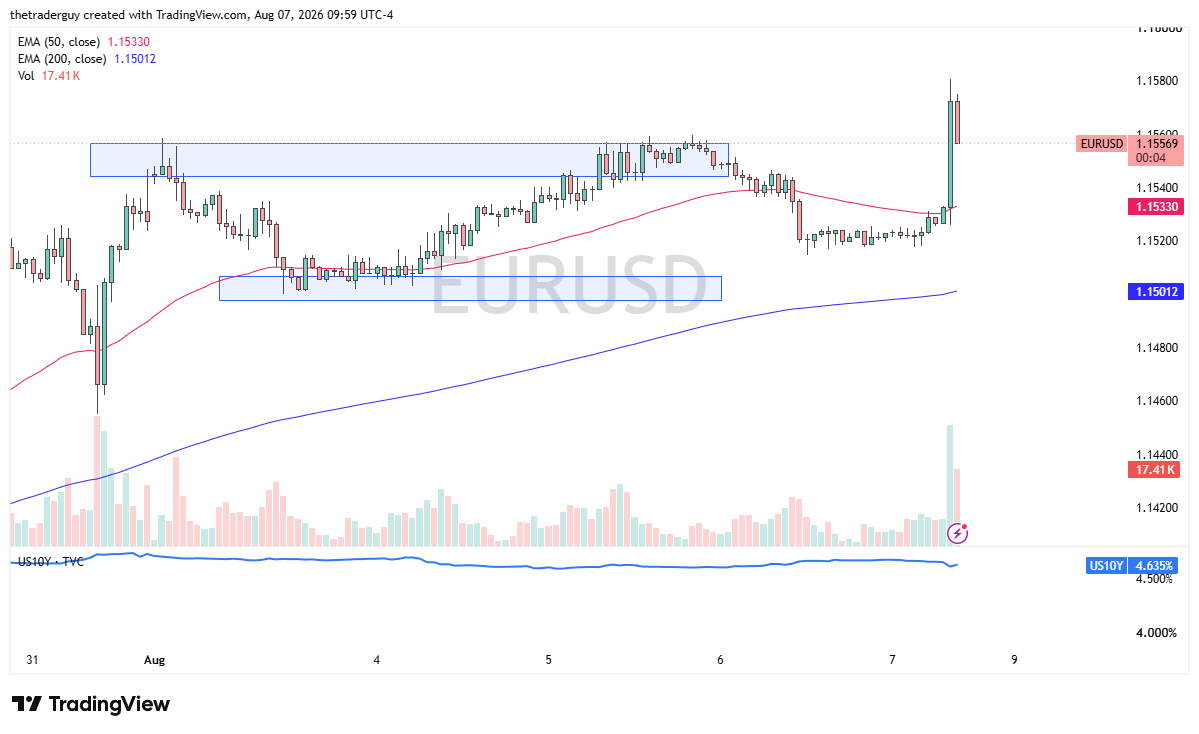
The U.S. dollar has taken a bit of a hit early during the trading session on Friday as the jobs report came out negative. That was in contrast to the expectations of an addition of about 85,000 jobs. That of course had the markets going crazy for a moment, but when we look at the overall reaction in the euro, it made sense as we pierced the most recent resistance barrier.
But it looks like the market is revisiting that 1.1550 level. If it were to break down below there, that would, more likely than not, bring more questions than answers.

USD/CAD Technical Analysis
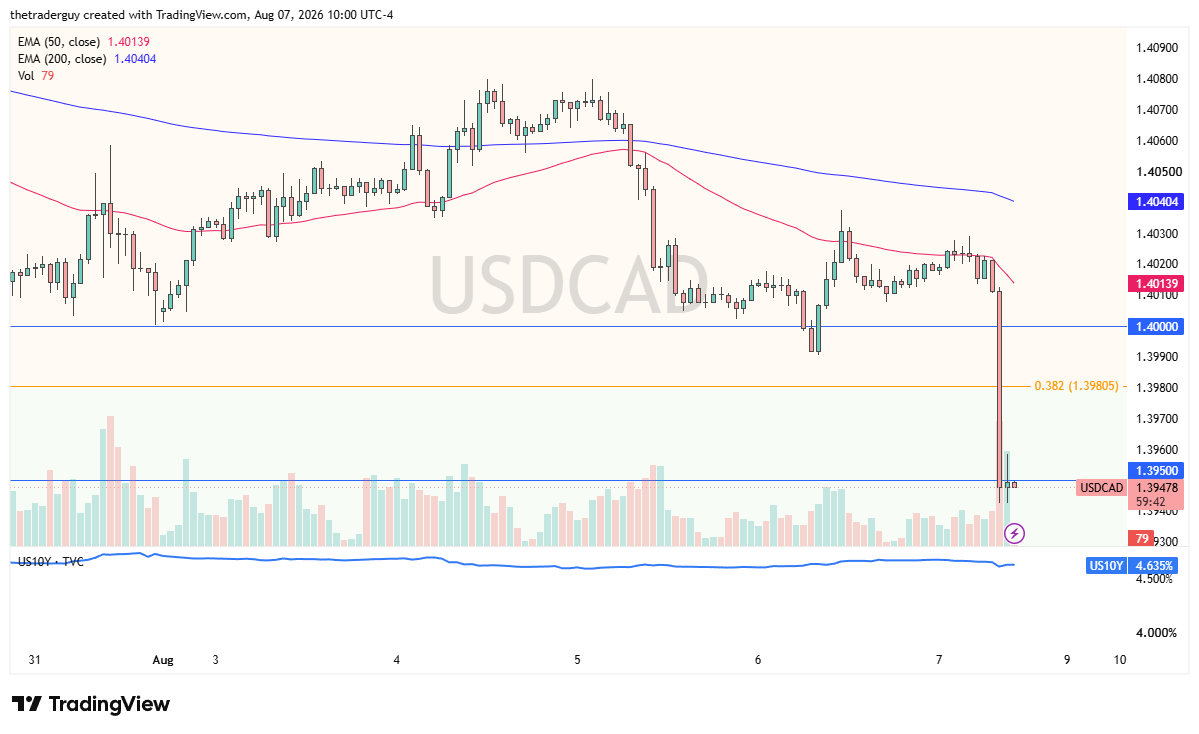
The U.S. dollar has fallen pretty significantly against the Canadian dollar, and that does make a certain amount of sense because they’re moving in two different directions from the employment standpoint. That being said, a huge part of Canada’s economy is very dependent on the U.S., so that is important.
The market is breaking below the 1.3950 level, and that could signify that perhaps things are starting to turn around a bit. But when looked at from the prism of the longer term, it is not until we get to the 1.39 level that we even have a 50% pullback. So, the recent rally higher and then the slow decay from here is typical behavior in this pair. Not much to look at other than it’s just more larger rangebound trading between the U.S. dollar and the Canadian dollar.
USD/JPY Technical Analysis
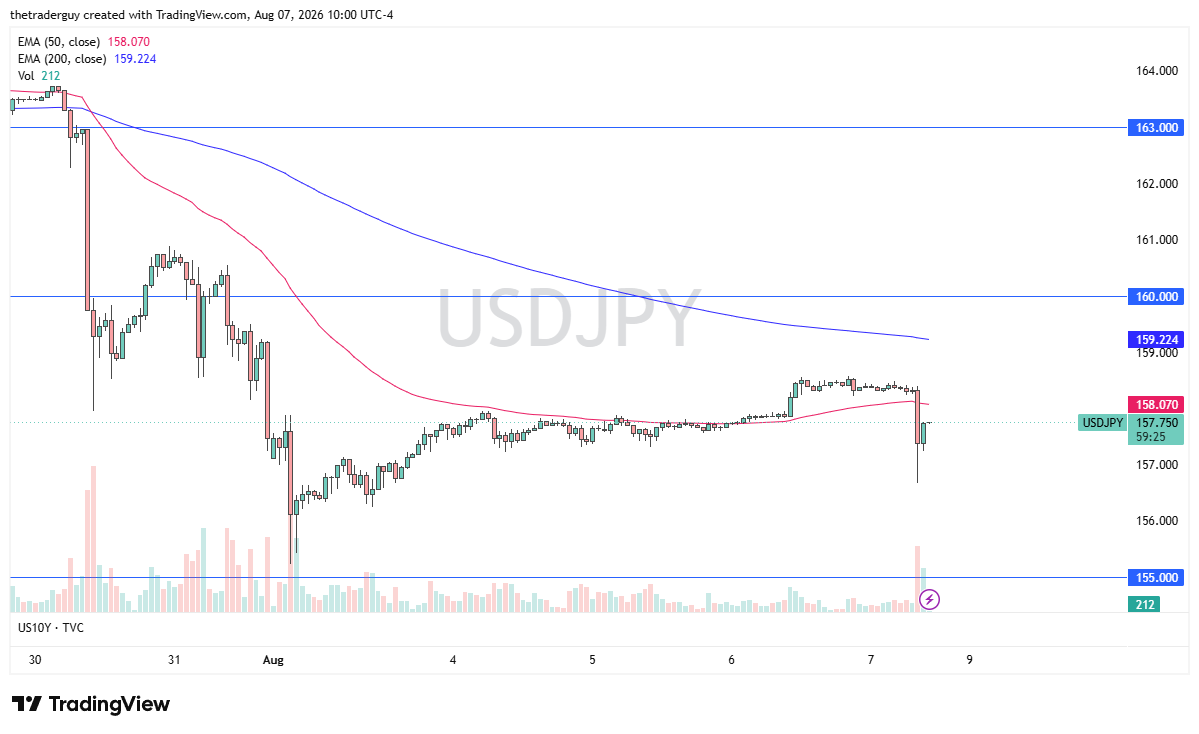
The Japanese yen has rallied against the U.S. dollar initially, but we’ve seen a turnaround of some significance. It looks like traders are still willing to take the bet on that interest rate differential, and this, of course, has been a big pair as of late due to those interventions coming out of the United States and Japan.
It’s an interesting scenario that we find ourselves in as the market is trying to determine whether or not the intervention is something to fear, or if it just gave traders the opportunity to buy cheaper dollars. I myself have been long of this pair for a very long time, going back almost a year, and I looked at this as a potential buying opportunity when we broke down significantly. Whether or not that pans out remains to be seen, obviously, but the interest rate differential at the end of every day does attract traders.
EUR/USD Price Forecast
Every new EUR/USD analysis as it publishes, today's technical signal and key levels, live price — on one page.
See all EUR/USD forecastsIf you’d like to know more about how to trade forex, please visit our educational area.