Gold (XAU) prices will have an additional boost following the sharp rise in US-Iran tensions. These tensions heightened geopolitical risk and raised fears of disruption to global oil supply. In my view, this shock is likely to be supportive of higher oil prices, inflation expectations and safe-haven demand for gold. This article examines how the conflict-driven oil shock could have on a bullish outlook for gold and a broader rotation away from risk assets in the coming months.

Middle East Escalation Triggers Oil Shock and Risk-Off Shift
Geopolitical Shock Raises Global Uncertainty
The United States and Israel launched coordinated strike against Iran, including strikes on key leadership figures and military infrastructure. Iran retaliated with missile strikes throughout the region and raised fears of larger war. This rapid escalation took the world markets by surprise and immediately added geopolitical risk. Investors are now confronted by uncertain environment in which further retaliation is possible. These conditions make risk appetite lower and capital flow to defensive assets.
The conflict poses a direct threat to stability in the Gulf which is a vital center for the global oil supply. Markets are quick to discount the risk of the attacks spreading to energy infrastructure or shipping routes. This interruption has an inordinate effect on crude flows and cost of energy worldwide. Therefore, oil prices will increase sharply and impact inflation pressure on global economy.
Inflation and Risk-Off Sentiment Strengthen Safe-Haven Demand
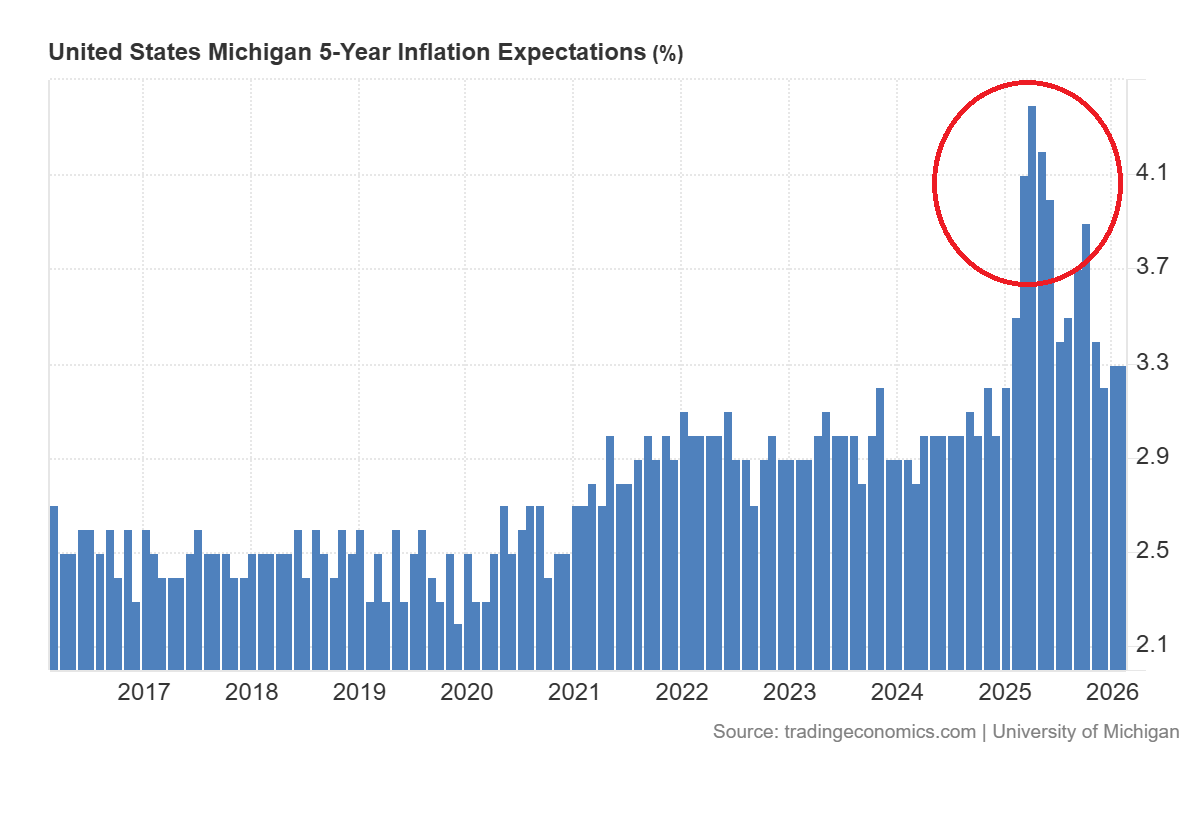
Higher oil prices lead to higher inflation and greater uncertainty about future growth. The geopolitical tensions have been rising since 2025 and have already increased inflation expectations. These expectations will increase further as market risk increases.
Gold Price Forecast
Every new Gold analysis as it publishes, today's technical signal and key levels, live price — on one page.
See all Gold forecastsThis environment tends to lead to lack of confidence in risk assets and a shift in positioning to defensive side. Investors react by adding more to their portfolios of safe haven assets in times of geopolitical instability. Gold is a direct beneficiary of this change as it serves as an inflation hedge and a protection asset in times of crisis. In this sense, the geopolitical shock turns into a larger risk-off macro environment that favors gold but puts pressure on equities.
Oil – Supply Shock Risk and Expanding Geopolitical Premium
Oil prices are likely to soar because of supply disruptions in the Strait of Hormuz. Any threat to production sites, pipelines or tanker movement immediately raises fears of supply disruptions. Even without a real loss of supply, the possibility that it could be impacted is sufficient to send oil prices soaring and make them more volatile.
A prolonged increase in oil prices would have larger macro implications. Higher energy prices can raise inflation expectations and make financial conditions more severe for the world’s economies. This dynamic exaggerates risk off sentiment across financial markets.
At the same time, volatility in oil can indicate that geopolitical stress is high and not temporary. If the conflict persists, there is strong potential for upside risk in oil. This strengthens the defensive move that favours safe-haven assets such as gold but weighs upon growth-sensitive equities.
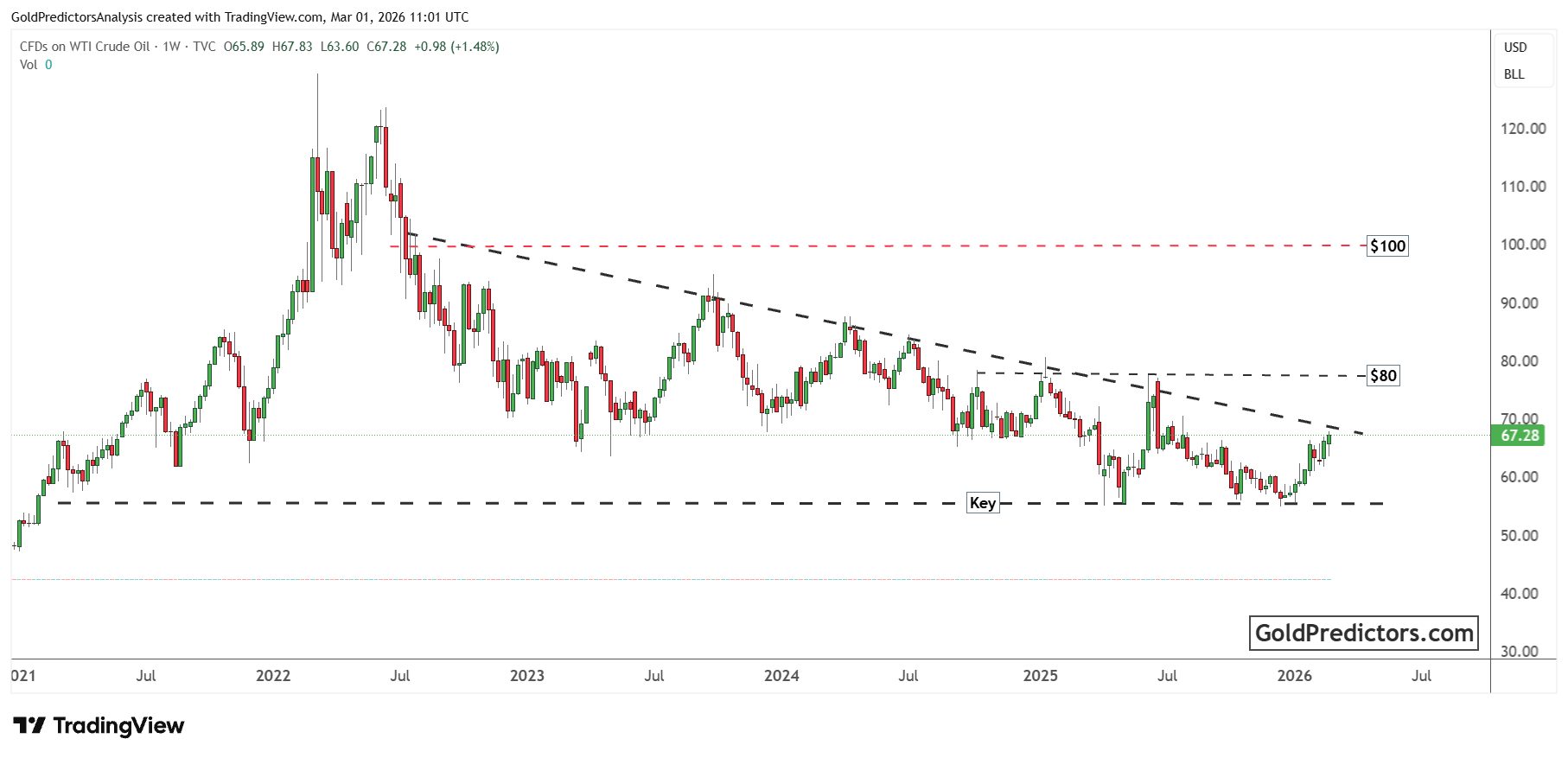
The chart below shows that WTI crude oil (CL) closed the week near the key level of $67-$69. This key level is defined by the resistance of triangle patterns. A break above this level will take the price towards $80. If tensions persist, the breakout of $80 will take oil prices to $100.
Gold – Safe Haven Demand Strengthens the Bullish Outlook
Gold reacts strongly when geopolitical tensions increase due to the investor’s need to protect themselves from sudden shocks. The escalation in the Middle East adds to the uncertainty of global stability and future economic conditions. In these types of environments, investors are likely to reduce their exposure to risky assets and move towards safe haven instruments. Gold benefits directly from this behaviour as it maintains its value during times of crisis and financial stress.
The increase in oil prices also adds to the bullish case for gold through inflation channel. Higher energy costs cause concern over persistent inflation which frequently lowers interest rates in real terms and enhances the attractiveness of gold as a store. At the same time, increased geopolitical risk favours long-term hedging instead of short-term speculation. This combination of inflation fears and risk off sentiment is a good backdrop for the upward trend of gold.
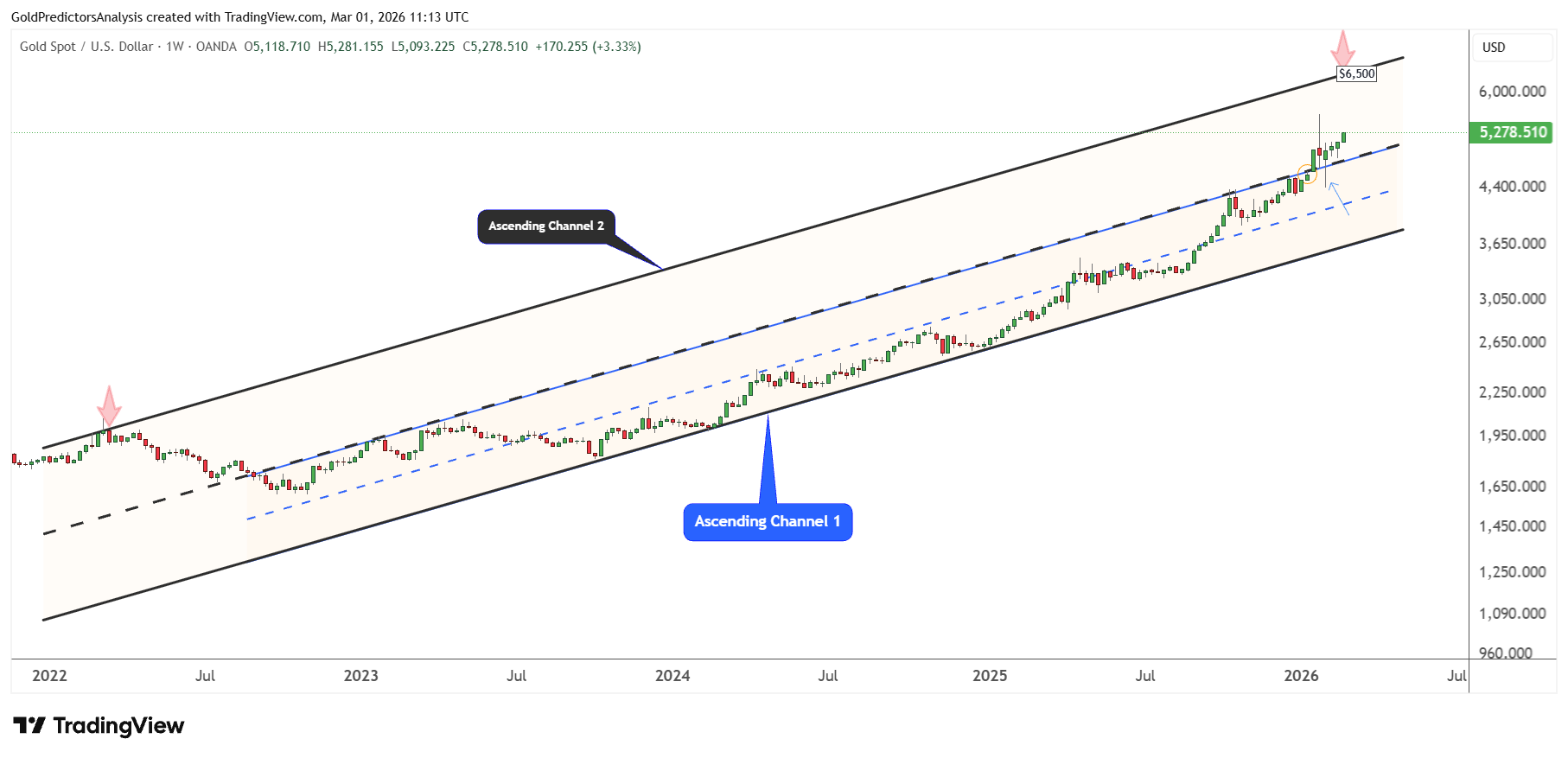
The chart below shows that the strong key reversal candle above the midline of the ascending channel followed by the bullish weekly candles, indicates a continued upside move above $6,000. The escalation of US-Iran tensions will likely help achieve this target in a short span of time.
Gold to S&P 500 Ratio Signals Defensive Rotation
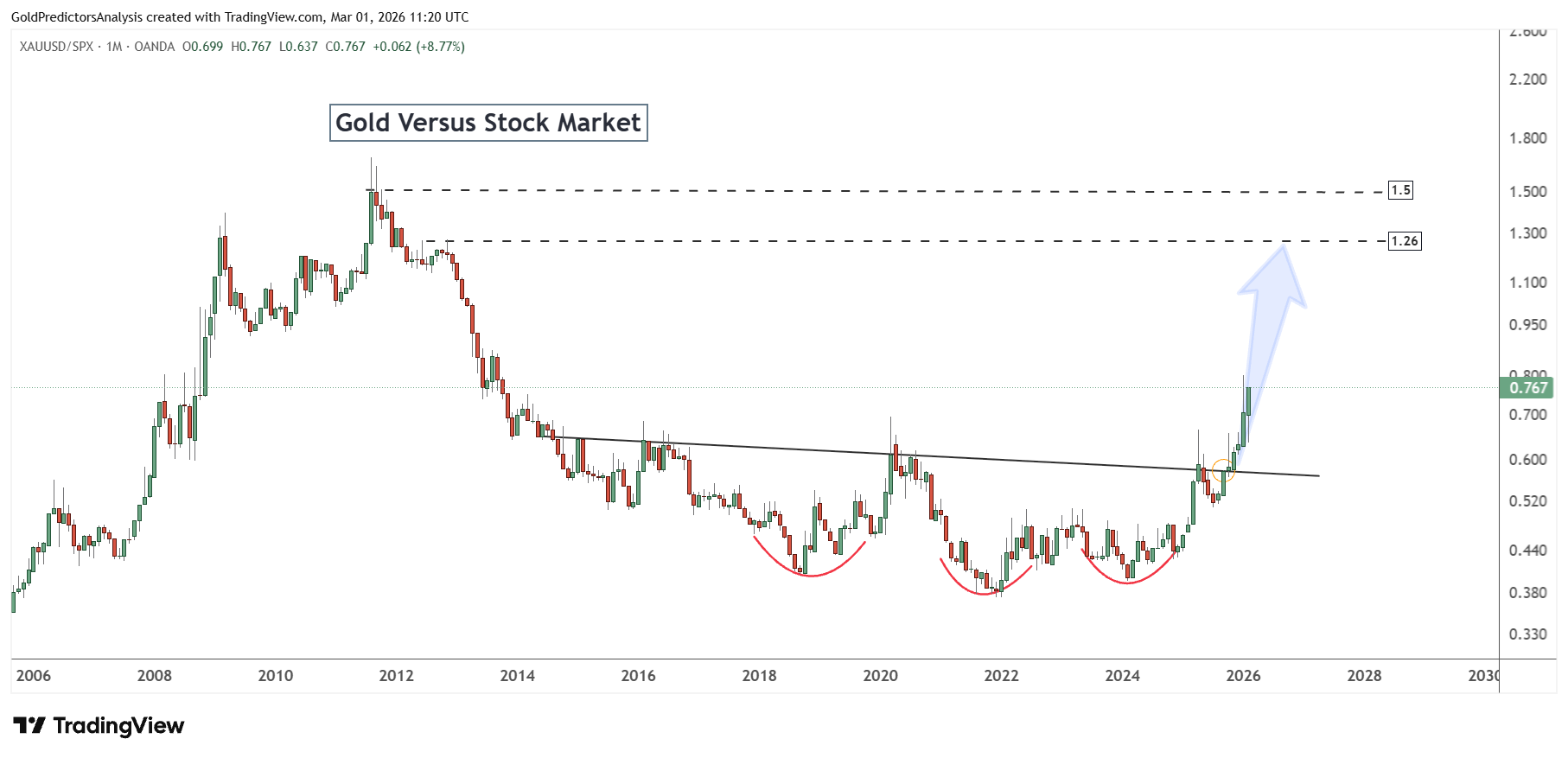
Other markets are also showing signs of a more cautious mood. The gold-to-S&P 500 ratio is moving higher which means money is shifting away from stocks and toward gold. This kind of move happens when investors worry about weaker growth and lower corporate earnings during geopolitical tensions.
At the same time, rising oil prices add pressure by increasing costs for businesses and making financial conditions tighter. Because of this, stocks could struggle while gold keeps drawing demand as a protective asset. This behaviour shows a clear shift from riskier markets to safer ones.
This rotation is also confirmed using the technical perspectives, as the ratio has formed triple bottom pattern with the lows in 2018, 2022 and 2024. The ratio broke the neckline of this pattern at 0.60 in October 2025. This breakout has introduced a strong surge in the ratio which will likely continue to 1.26 and 1.5 levels. These technical patterns suggest that gold will likely continue to rally during the next few months, and investors will shift their focus from stocks to gold.
Bottom Line – Gold and Oil Strength Signal Rising Risk for Equities
In my opinion, the recent escalation situation in the Middle East has opened a distinct macro path with view to higher oil and gold prices with downside risks for equities. The threat to energy supply routes increases the likelihood of a sharp oil spike which can lead to an increase in inflation expectations as well as financial conditions worldwide.
This environment decreases confidence in risk assets and prompts investors move to defensive positions. If geopolitical tensions are high, oil is likely to remain supported and gold should continue to attract strong safe-haven demand.
The technical structure supports this larger perspective as well. Oil is nearing an important breakout zone which could open the door to much higher levels if fears of supply grow stronger. At the same time, gold has already confirmed bullish momentum with strong reversal patterns pointing towards it moving above $6,000.
The increasing ratio of gold to the S&P 500 is another indicator that capital is moving out of equities and into safety. A clear de-escalation in tensions would be required to render this outlook invalid. Until that occurs, the overall trend looks to be in favour of strength in gold and oil and headwinds for equities.
If you’d like to know more about how to trade gold and silver, please visit our educational area.