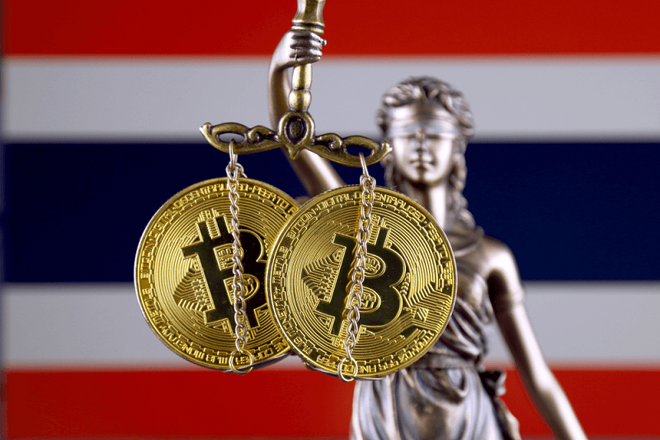
As more Asian countries seek to curb crypto trading activities within their territory, the Bank of Thailand has stated that commercial banks in the country should not be directly involved in crypto trading. This statement was made by the central bank’s senior director Chai-Anant on Tuesday.

Commercial Banks in Thailand Shouldn’t be Trading Crypto
According to the apex bank, the risks associated with crypto assets volatility are enough to discourage commercial banks who deal with customers’ money from getting involved.
Last week, another BoT senior director, Sakkapop Panyanukul, warned businesses against accepting crypto. According to him, the acceptance of other currencies will affect the Central Bank’s ability to regulate the economy. He described tokens without any asset backing as blank coins.
Despite the growing popularity of digital assets among individuals and institutions in the country, the country has been looking to impose strict regulations on cryptocurrencies.
Bitcoin Price Forecast
Every new Bitcoin analysis as it publishes, today's technical signal and key levels, live price — on one page.
See all Bitcoin forecastsThailand’s Crypto Adoption Strides
Lately, commercial banks in the country have been investing in local crypto exchanges. In November, the oldest bank in Thailand, Siam Commercial Bank, announced that it would acquire a 51% stake in Bitkub, the largest crypto exchange in the country.
In addition, another crypto exchange, Zipmex, raised $1.3 billion in funding from one of the largest lenders in the country, the Bank of Ayudhya.
The adoption of cypto assets has continued to increase in the country, with real estate developers and retailers now accepting these digital coins as payment options. Presently, the country has eight licensed exchanges and data from the Securities and Exchange Commission shows that crypto transactions were to the tune of 205 billion baht ($6 billion) in November.
The BoT warnings contradict the stance of the Tourism Authority of Thailand, which has been portraying the country as a crypto-friendly nation and encouraged those with crypto assets to visit the nation. Given how dependent the country’s economy is on tourism, the central bank’s stance is likely to harm the efforts to bring more tourists into the country.