This gives financial markets fresh evidence of a labor market struggling to generate momentum. Nonfarm payrolls increased by 29,000 in September, which also saw unemployment edge up to 4.2% from 4.1%. Economists surveyed by Reuters had anticipated 90,000 additional jobs.
The disappointment strengthens the argument for caution on interest rates from the Federal Reserve. Revisions added to the weaker picture. July payrolls now show a decline of 10,000, while August’s increase was reduced from 162,000 to 133,000. Together, those revisions have removed 60,000 jobs.
Average hourly earnings rose just 0.1% in September, bringing annual wage growth to 3%. The average private-sector workweek remained unchanged at 34.4 hours. These figures indicate that modest hiring and wage pressure are the fact, rather than renewed labor market acceleration.
Because of this, traders continue to look at this through the prism of a market that is struggling to sort out where to go next, as the noise continues to be deafening. Overall, this is a market that has seen quite a bit of volatility, and the lack of clarity with inflation and labor is causing major problems.

Labor Day May Have Distorted the September Payrolls Figure
Labor economists attributed some of the weakness to the Labor Day holiday, which can distort seasonally adjusted September payroll estimates. That explanation deserves some consideration, but it remains an interpretation rather than a confirmed accounting of the entire shortfall. Subsequent revisions in the next employment report will help determine whether September marked a lasting deterioration or an unusually weak monthly reading, which we have seen before.
Labor force participation increased to 61.8% from 61.6%, while household employment also rose. An expanding pool of people seeking work can lift unemployment even when employment increases, so keep that in mind.
Bitcoin Price Forecast
Every new Bitcoin analysis as it publishes, today's technical signal and key levels, live price — on one page.
See all Bitcoin forecastsWhat Softer Hiring Means for the Fed and Treasury Yields
For monetary policy, the analytical implication is that softer hiring and slower wage growth reduce one potential source of inflation pressure. When employers face less competition for workers, the risk of accelerating labor costs can diminish. However, earnings growth is not a complete inflation measure. Productivity, profit margins, imported goods, and energy costs can also influence prices.
This employment report, therefore, supports a more cautious policy assessment without independently proving that inflation is returning sustainably to target. This distinction will matter for Treasury markets because, if investors interpret the report as reducing the need for restrictive policy, this could see short-term yields decline as expectations for future rates adjust. Longer-term yields may respond less directly because they also reflect not only inflation expectations, but government borrowing and the compensation investors demand for holding longer maturities.
USD Yield Advantage Could Narrow, While Equities Weigh Mixed Signals
The dollar faces similarly conditional responses. Lower expected U.S. interest rates can reduce its yield advantage against other currencies, potentially supporting the euro/dollar and weighing upon the U.S. dollar against the Japanese yen. That being said, there are serious problems with French debt in the European Union, so the euro against the dollar may not behave as you would anticipate.
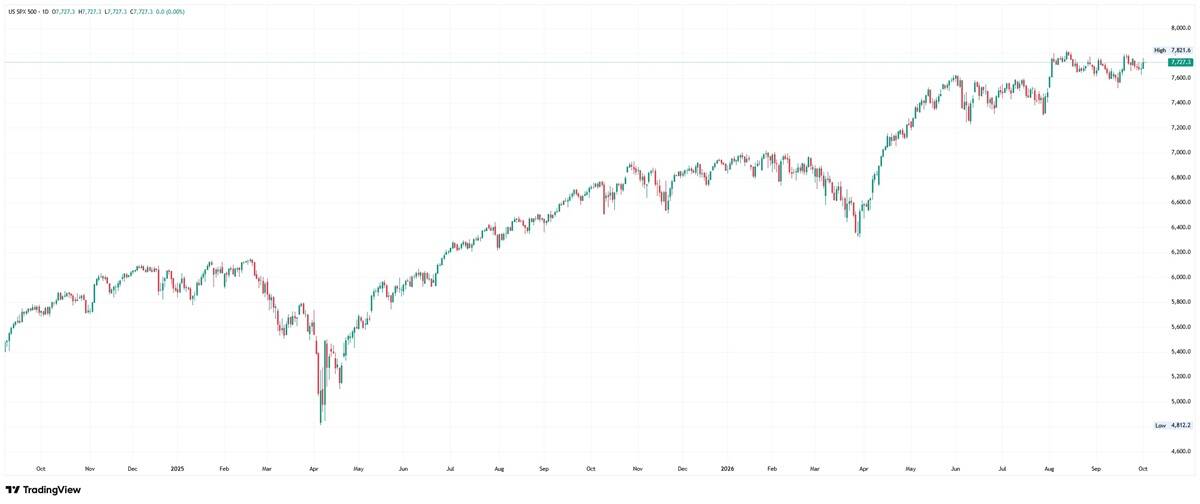
Equities must balance between the two competing interpretations. A less restrictive interest-rate outlook can support valuations, particularly for companies that have expected profits lying further out in the future. Conversely, persistent hiring weakness could eventually restrain household income and spending, affecting corporate revenue.
September’s report raises the burden of proof for expectations of stronger growth and renewed wage pressure. But you should also keep in mind that this is just one report.