
Stocks Are Higher Friday but the Week Belongs to the Bond Market
Wall Street is bouncing after Thursday’s selling drove the S&P 500 and Nasdaq lower for the week. Buyers are back in banks and materials. Technology is flat. The rotation is telling traders that money is moving into areas that can handle higher rates while avoiding the names that need yields to come down.
The weekly damage is already done. The S&P 500 and Nasdaq are headed for their first weekly declines in four weeks. The Dow is on track for a second straight weekly loss. The long bond has not settled down after Treasury’s buyback gave stocks one session of relief. Crude oil near multi-week highs is keeping the inflation risk in front of the Fed heading into next week’s PCE report, Jackson Hole and Nvidia earnings.
The Dow, S&P 500 and Nasdaq are all higher Friday.

Daily September E-mini Nasdaq-100 Index Futures Technical Analysis
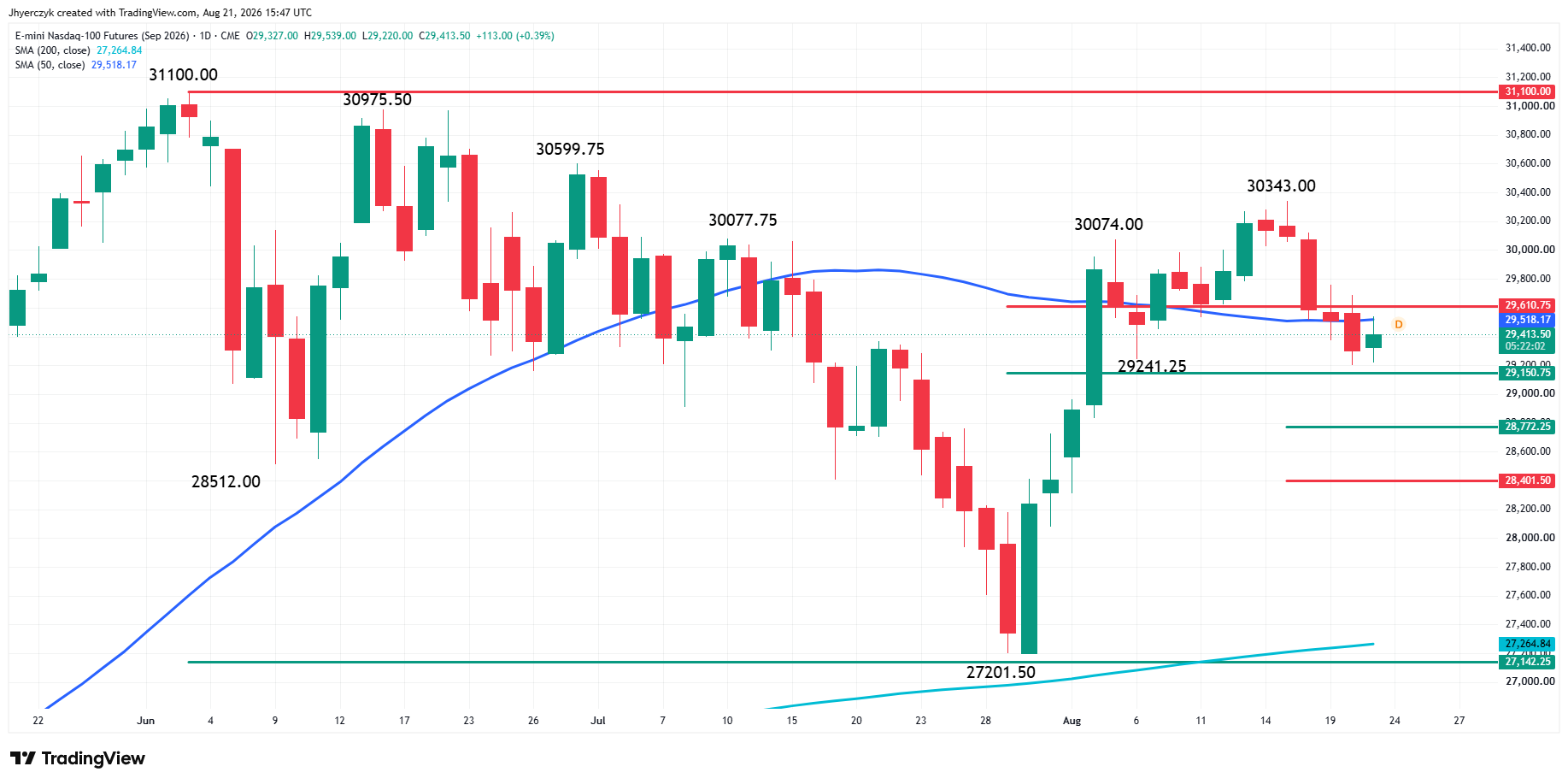
September E-mini Nasdaq-100 Index futures are slightly higher as we approach the mid-session on Friday. The market is posting an inside move, which suggests investor indecision and the potential for increased volatility.
The main trend is up but the minor trend is down. This is contributing to downside momentum.
The index is also trading under the 50-day moving average at 29517.00. This indicator is both resistance and a trend indicator. Trading below it has put the index in a weak position.
The E-mini futures contract is also trading inside an intermediate retracement zone at 29150.75 to 29610.75 and is limiting movement in each direction. Recovering 29610.75 could shift momentum to the upside, which would put the recent top at 30343.00 back on the radar. A sustained break under 29150.75 would signal the presence of sellers. If this generates enough downside momentum, the selling could extend into the short-term retracement zone at 28772.25 to 28401.50.
The current price action suggests traders are not buying strength at this time, which usually means they’re looking for value.
NASDAQ 100 Price Forecast
Every new NASDAQ 100 analysis as it publishes, today's technical signal and key levels, live price — on one page.
See all NASDAQ 100 forecastsThe Buyback Faded and the Long Bond Still Owns the Trade
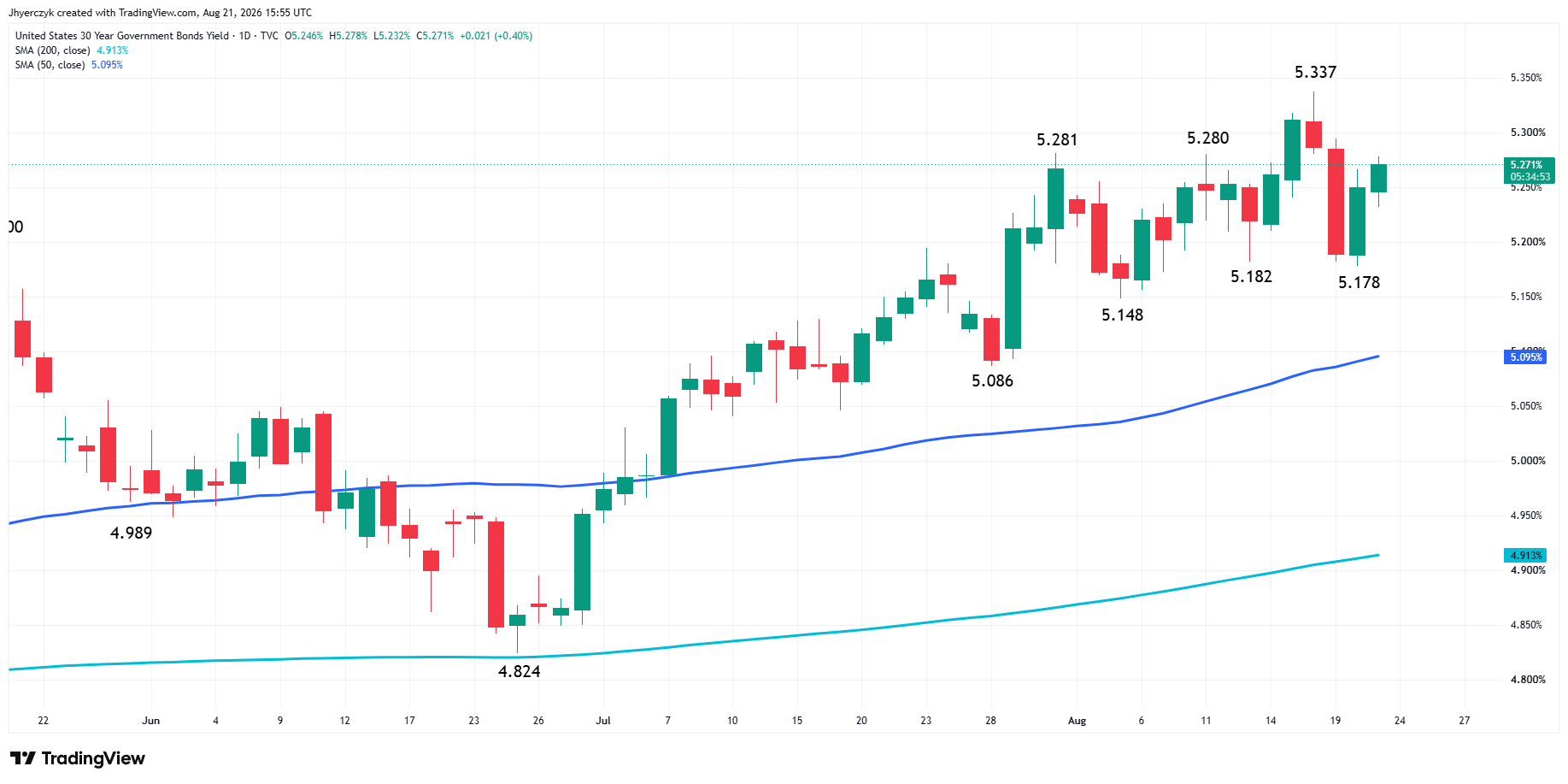
The 30-year Treasury yield reached a 19-year high Tuesday. Treasury’s buyback announcement pushed yields lower Wednesday. By Thursday the relief was gone. Secretary Bessent said the government could expand the repurchase program further, but the bond market has moved past the announcement. Treasury can buy older bonds. The government still has to sell new debt to finance deficits and future spending.
The 30-year yield remains near the levels that forced sellers into growth stocks earlier in the week. Friday’s rebound says sellers were willing to take money off the table after Thursday’s decline. It does not say the market has stopped worrying about the cost of capital.
Banks and Materials Are Leading Because They Can Handle the Yield
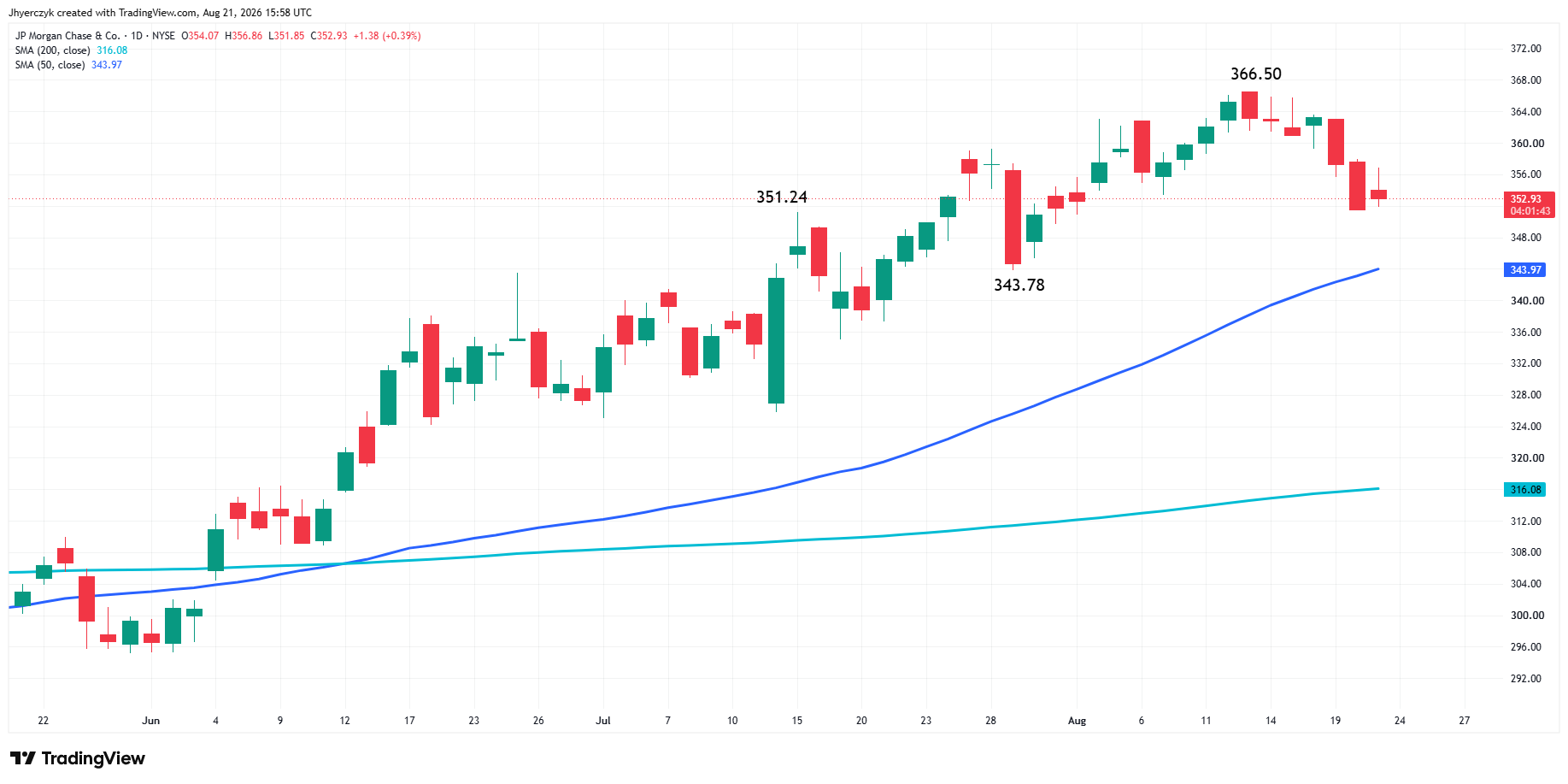
Financials are giving the S&P 500 its strongest sector support Friday. The sector rose 0.92%. The S&P 500 banks index gained 1.1%. JPMorgan Chase advanced 1.2%. Goldman Sachs rose 2.3%.
Materials are leading the broader sector board with a 2.31% gain. Health care is higher by 1.78%. Consumer discretionary shares are up 0.96%. Advancing stocks outnumbered decliners by better than two-to-one on both the New York Stock Exchange and Nasdaq. The market has buyers. They are being selective about where they put money.
Technology Is Flat and That Tells the Story
Technology is down 0.09% Friday. Utilities are lower by 1.37%. Real estate is also weaker. Those are the sectors showing what the rate trade is doing underneath the bounce.
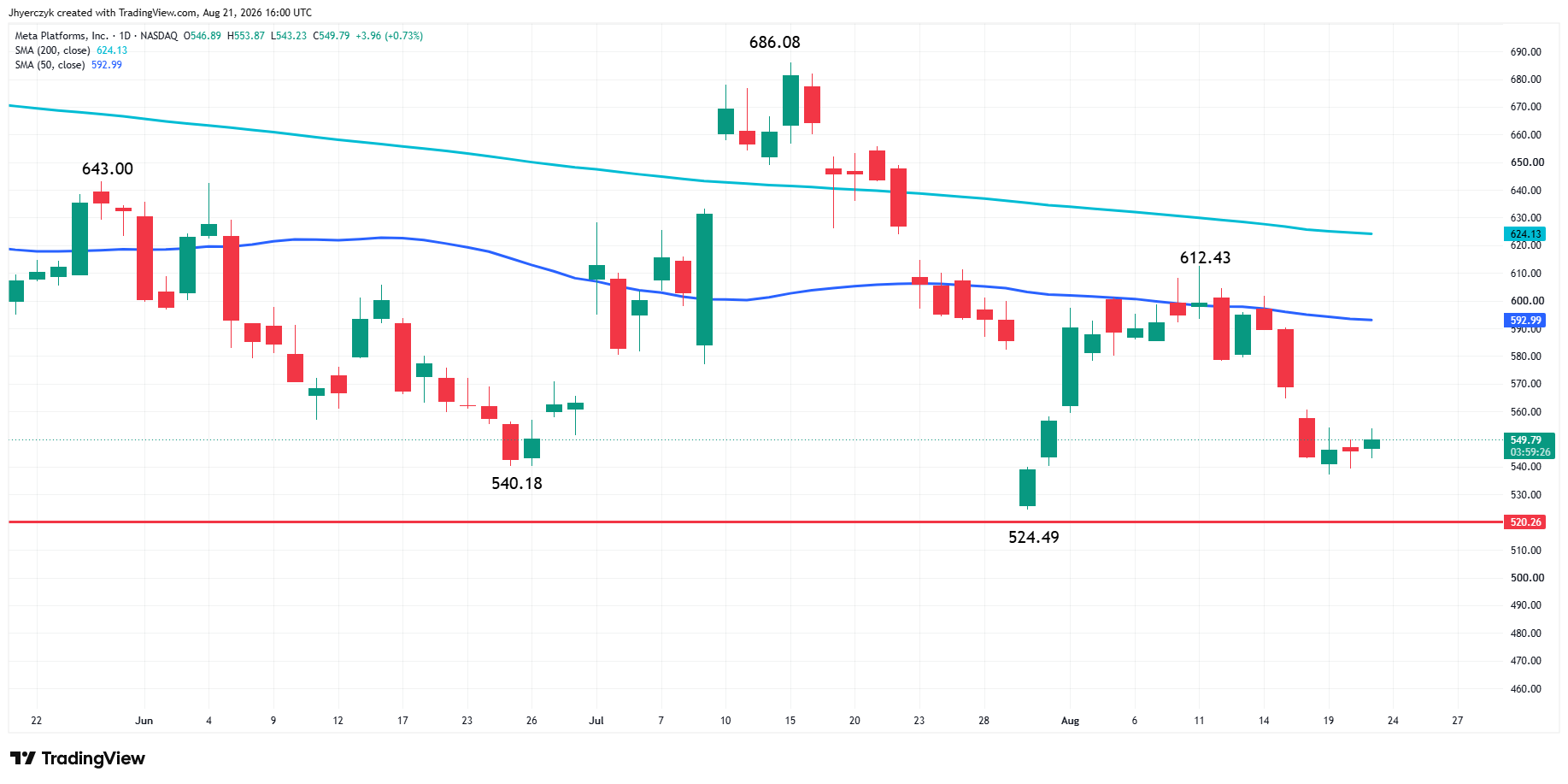
Meta and Tesla are both higher by more than 1%. The larger growth names have not been abandoned. The sector as a whole is still headed for weekly underperformance after the rise in long-dated yields. Energy is also slightly lower Friday despite crude holding near recent highs.
Crypto Is Running on Its Own Catalyst
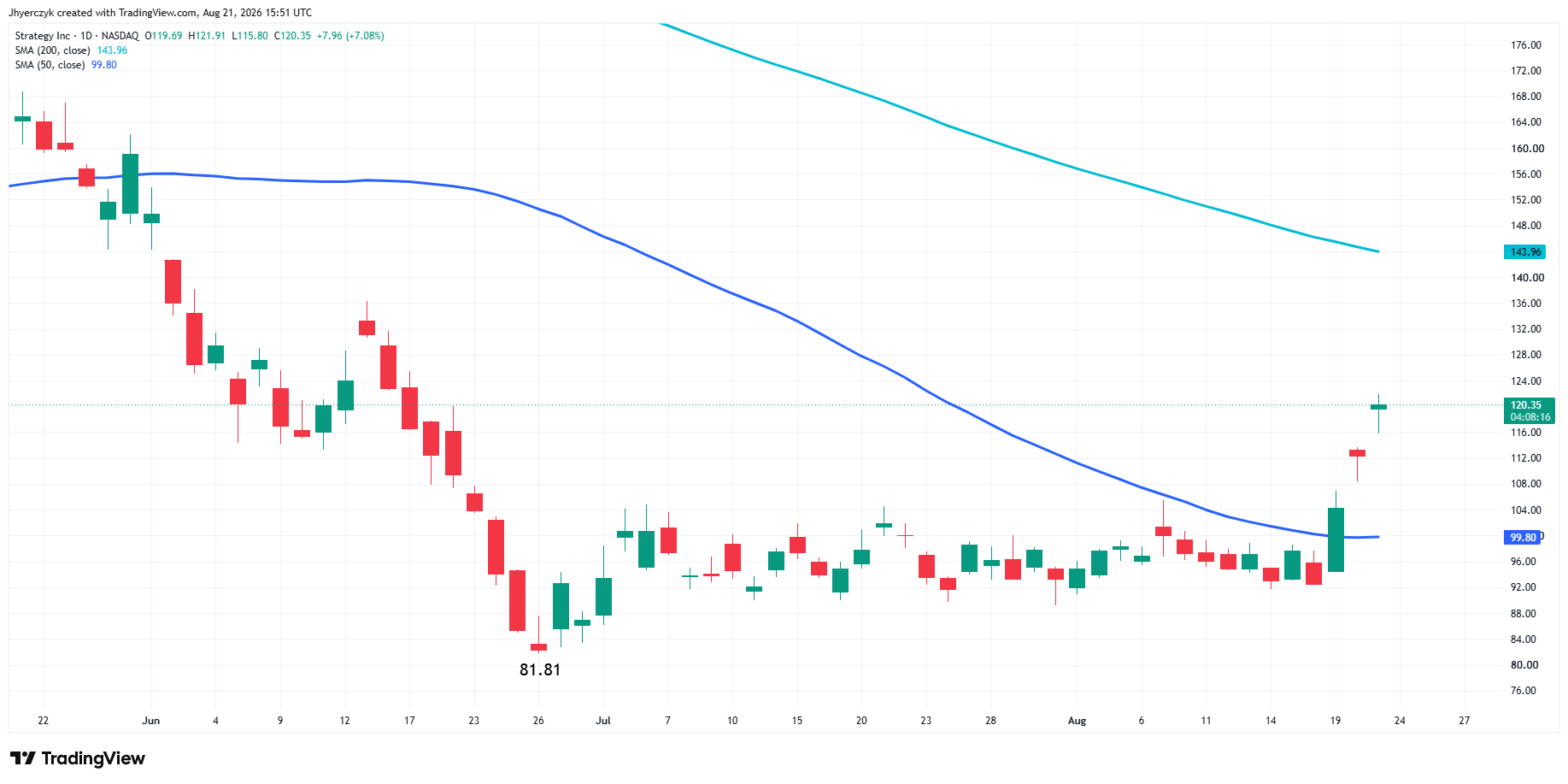
Bitcoin reached its highest level since late May. Robinhood jumped 12.4%. Coinbase gained 9.5%. Strategy rose 7.4%. The rally started on lower yields earlier in the week, accelerated on short-covering and picked up momentum from a friendlier policy discussion in Washington.
The crypto move is strong but it is separate from the bond-market problem still facing equities. Money is finding different places to express the same concern about the dollar, debt and the long end of the curve. Crypto, gold and stocks are all higher Friday. They are not all saying the same thing.
Crude Is Still Keeping the Fed in the Way
Oil slipped slightly Friday but remains elevated after the Iran conflict restricted shipping through the Strait of Hormuz. Washington is preparing new sanctions against Tehran. The diplomatic path remains stalled.
Brent above $93 keeps fuel costs and inflation risk in front of a Fed that spent the week making clear another rate increase remains possible. The market had started to reduce September hike expectations after contained inflation reports. Oil is the risk to that view heading into next week’s data.
Stocks in the News
Ross Stores added 4.2% after raising its annual profit outlook and reporting better-than-expected second-quarter results. The stock is giving the consumer sector a positive read after Walmart’s guidance shook confidence earlier in the week.
UBS raised its year-end S&P 500 target to 8,100 on stronger earnings expectations.
What to Watch
PCE, Jackson Hole and Nvidia earnings next week. The inflation report lands with crude still above $93. Warsh speaks after a week where the FOMC minutes kept the hike door open. Nvidia has to deliver while the Nasdaq is sitting below its 50-day moving average with the minor trend pointed lower. Those three events in that order decide whether Friday’s bounce holds into next week.
Friday’s breadth is better than the indexes suggest. Advancers led decliners by more than two-to-one. Banks and materials are carrying the rotation. Technology is flat. The Nasdaq-100 is trading inside its retracement zone with the 50-day overhead at 29517 acting as resistance. The recent top comes back into play above that level. Below, the lower end of the zone is where sellers get reinforcements. The bond market has owned this week. Next week’s calendar decides whether it keeps control.
More Information in our Economic Calendar.