WTI Crude Oil
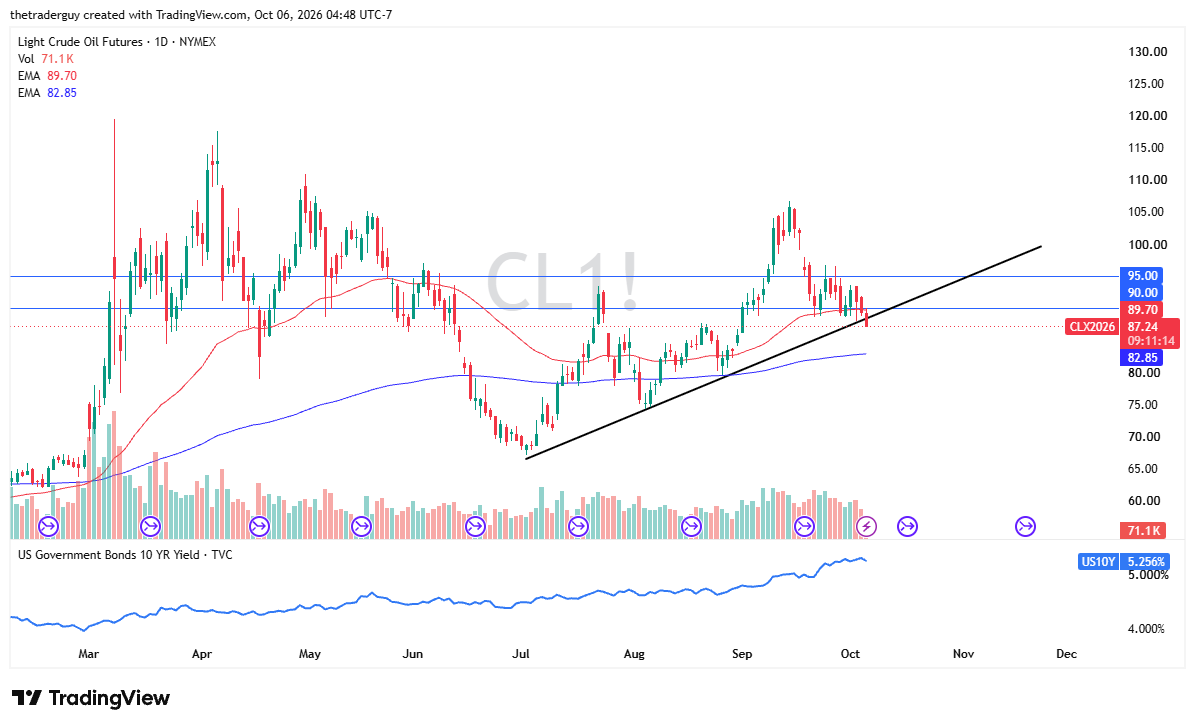
The light sweet crude oil market is facing competing pressures as governments accelerate emergency supply measures while depleted fuel inventories leave the market vulnerable to further disruption. The market has fallen roughly 2% over the last 24 hours, with the immediate question being whether available supply can produce sustained relief without a full restoration of reliable trade routes.
The most consequential development at the moment is the recent G7 energy statement.
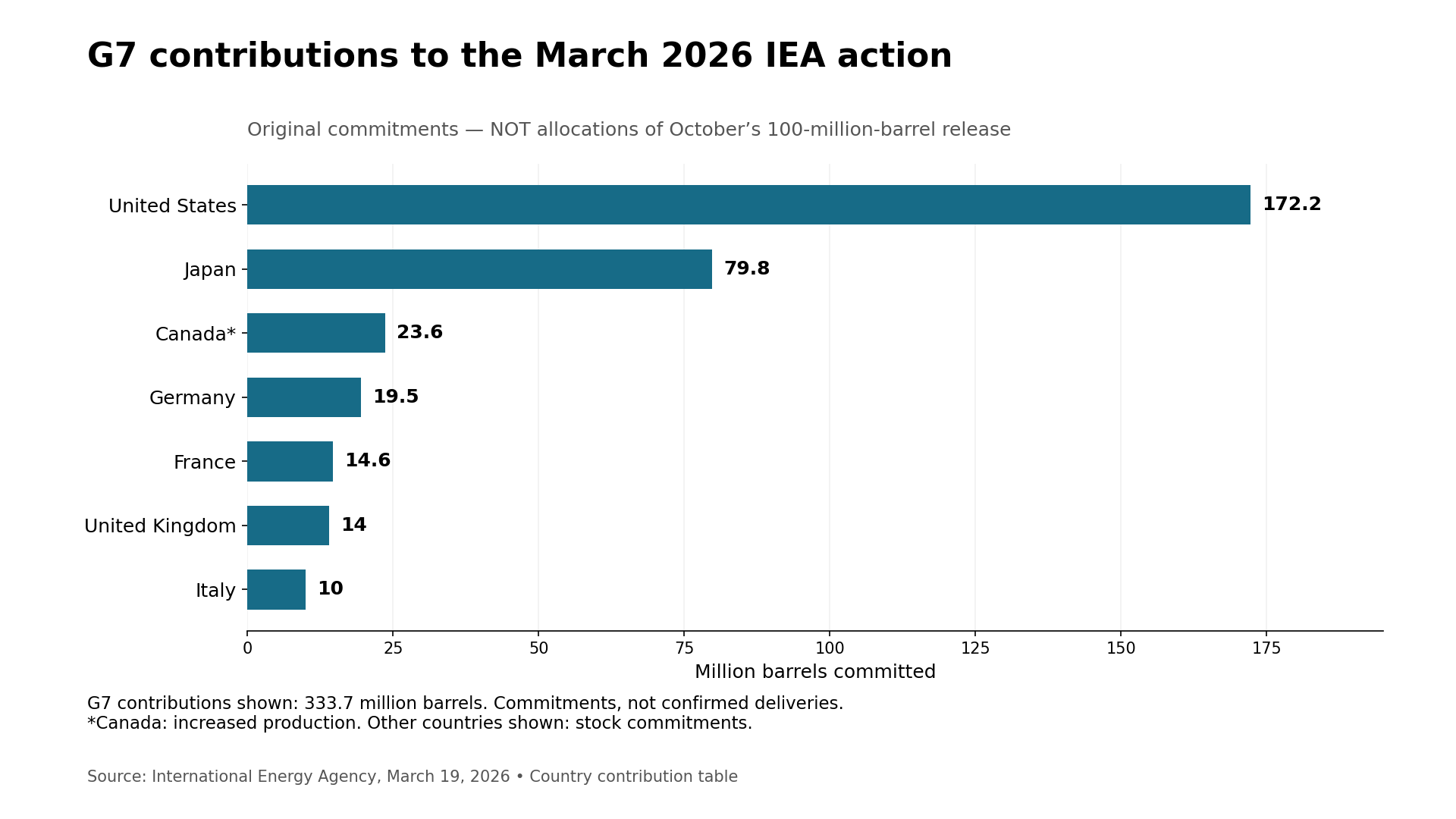
Leaders have committed to implementing their remaining obligations through a coordinated release of 100 million barrels over 4 months, including substantial diesel releases during the first 20 days. Importantly, the statement connects this back to the March commitment, meaning that leaders are sticking to their guns. So, it’s not that there’s a new 100 million barrels being released. It’s just that we’re fulfilling the previous measures.
There’s also coordination of refinery maintenance. Utilization being raised where feasible is starting to come into the picture as well. These are things that the global supply chain will probably have to address because so much has been laid bare by the conflict between the United States and Iran.
We can see that the light sweet crude oil market has broken through an uptrend line that goes back to July, and this could set up for a drop toward the 200-day EMA. Clearly, things are looking a little bit more bearish. There are multiple potential reasons for that, not the least of which is that despite the attack on a pumping station in Saudi Arabia yesterday, more crude is getting out of the Strait of Hormuz.

Brent Crude Oil
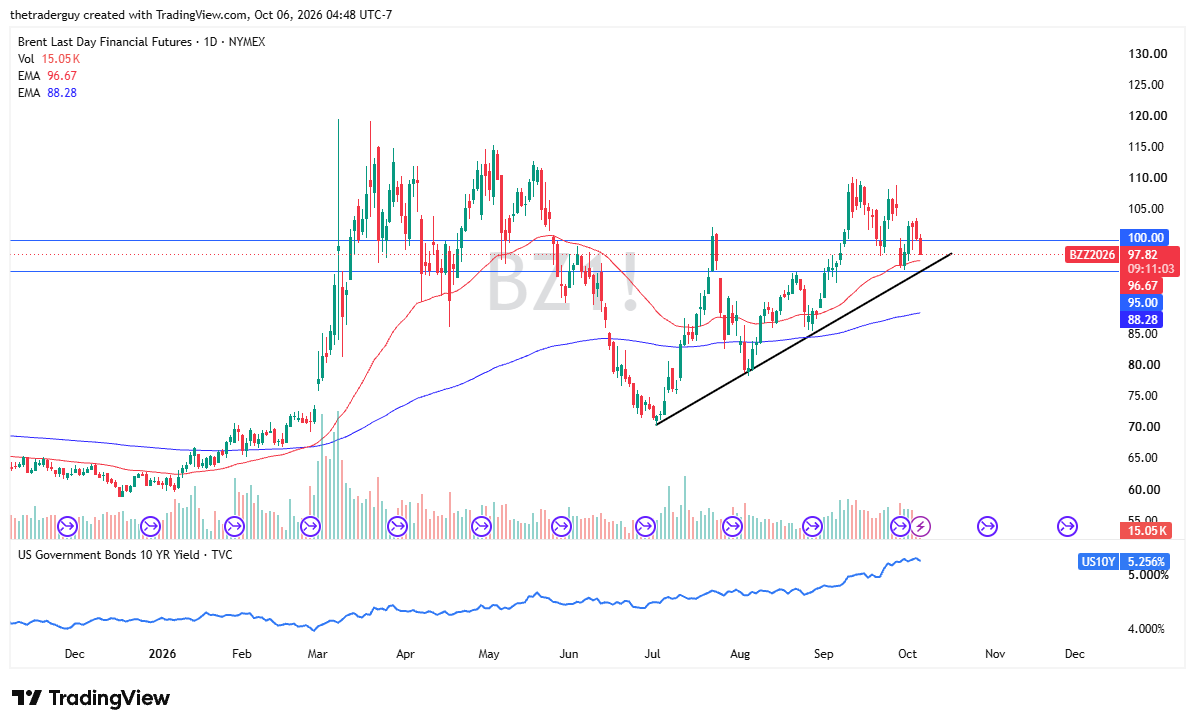
The Brent markets have also fallen a bit during the trading session, as we are now eyeballing the 50-day EMA, an indicator that a lot of people will be watching. There’s a lot of noise between $95 and $100 that I think could offer a potential buying opportunity if demand picks back up. Market memory certainly dictates here that there should be some type of action, one would think. However, with light sweet crude breaking through its trend line, we’ll see whether or not Brent does the same thing.
There is still a divergence at the moment between crude and finished fuels, and the biggest problem might not necessarily be a supply of crude. It might just be that we don’t have enough petroleum, diesel, jet fuel, etc.
The EIA’s latest weekly summary, covering the week of September 25, reported commercial crude inventories rising 0.9 million barrels to 427.3 million barrels. Gasoline stocks fell 1.7 million barrels in that same time frame, though, and that’s going to be the real problem, with distillates declining 2.3 million barrels. Gasoline inventories are 7% below their 5-year seasonal average, and distillates are 14% below.
Refinery utilization is at 92.5%, with crude processing falling 554,000 barrels per day. Total commercial petroleum inventories declined 7 million barrels at the moment. That combination argues that reading the crude build as evidence of broad energy oversupply is a mistake. There’s still a process that crude needs to come through, and with this, we’ll have to wait and see whether or not we can get the supply chain back to normal.
A longer-term warning does come directly from Aramco’s published October 5 speech. The rebuilding of inventories while meeting demand could take up to 2 years, and we may have some issues with the supply chain and the finished product. This could be almost 3 million barrels of gross supply being lost during the conflict, partly offset by the 1 billion being withdrawn from total stocks around the world. This is Aramco’s assessment rather than an independent inventory audit, but nevertheless, this is a major player.
Demand remains the counterweight to supply risk. Expensive fuel can squeeze household spending and business margins, eventually reducing consumption, so we’ll keep an eye on that.
As things stand right now, though, both crude oil markets look like they’re getting a little bit of relief. The WTI grade seems to be in a little bit more of a free fall in comparison to Brent, but that makes sense, as WTI is primarily driven by U.S. factors.
Brent Oil Price Forecast
Every new Brent Oil analysis as it publishes, today's technical signal and key levels, live price — on one page.
See all Brent Oil forecastsIf you’d like to know more about technical analysis and how traders use it, please visit our educational area.