


The S&P 500 and Dow Jones Industrial Average remain in a mixed state as tariff relief aids sentiment but inflation, oil volatility and a stronger U.S. dollar continue to present risks. The EU-US trade deal has reduced the risk of an abrupt and unexpected tariff shock. But there are still some pending matters that could generate new volatility, such as steel, aluminum, aircraft subsidies, and digital taxes. The decline in oil prices could offer some relief for consumers and may alleviate inflationary pressure, but stubborn Core PCE inflation may keep the Fed cautious. This article presents the significant trade risks, market catalysts and technical levels that could be driving the next move in the S&P 500 and Dow Jones.

EU-US Tariff Deal Reduces Market Risk but Trade Tensions Remain
The European Union has given its final approval to the US trade deal. This removes one major short-term risk from the market. The EU will drop the tariffs on US industrial goods and certain agricultural products as per the agreement. In return, the US will continue to maintain a 15% tariff cap on a majority of EU exports. It provides much greater clarity after nearly a year of uncertainty for companies.
The deal could provide a quick fix for transatlantic trade. But if the EU did not take action before the July deadline, President Donald Trump had warned of imposing new tariffs. That risk had weighed down industrial stocks, exporters, autos and companies with large global supply chains. The final approval reduces the chance of a sudden tariff shock in the near term.
But not all trade risks are removed by the deal. The US and EU remain at odds on steel and aluminum tariffs. They are also divided on digital tax and tech regulations. Trump has raised the possibility of imposing high tariffs on French wine and champagne in response to the French digital services tax.
Another big test is the aircraft subsidy dispute. The US and EU still need to extend the suspension of retaliatory tariffs before the current truce expires. If both parties fail to reach a new deal, the market may begin to price in a new strain for aerospace, industrials and exporters. That means the trade deal is sentimentally positive, but it doesn’t completely remove the risk premium in stocks.
S&P 500 Price Forecast
Every new S&P 500 analysis as it publishes, today's technical signal and key levels, live price — on one page.
See all S&P 500 forecastsPCE Inflation and Oil Prices Shape Market Sentiment
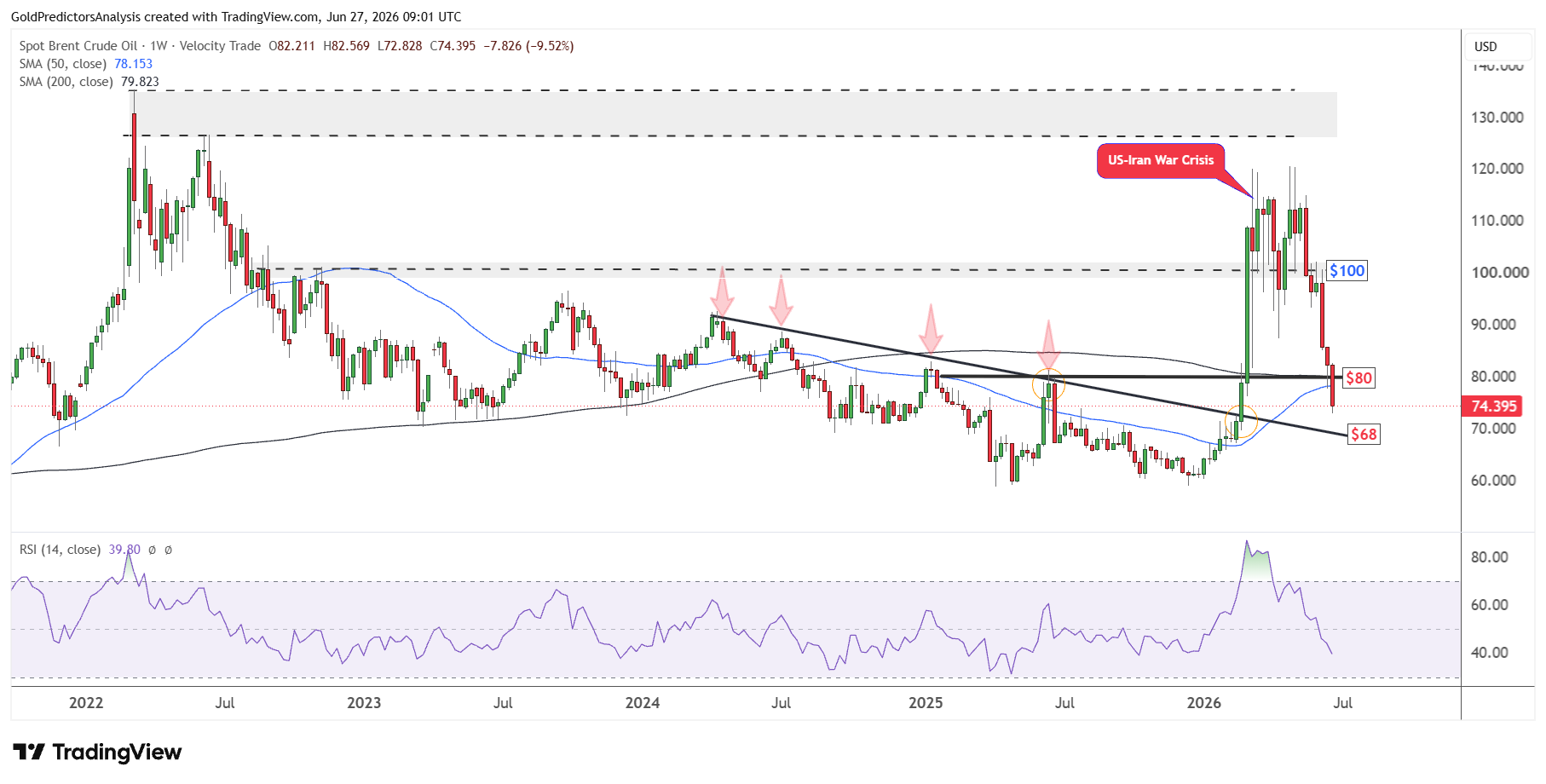
The lower oil prices are shaping the next move in equities. Brent crude oil dipped below $75 as traders priced in the smooth passage of traffic through the Strait of Hormuz. This has calmed inflation concerns and lowered the US Treasury yields. A drop in yields may have a positive impact on equities, but for the right reasons. The upside for stocks may be limited if yields decline due to the increase in growth concerns. The chart below shows strong bearish pressure in the oil market.
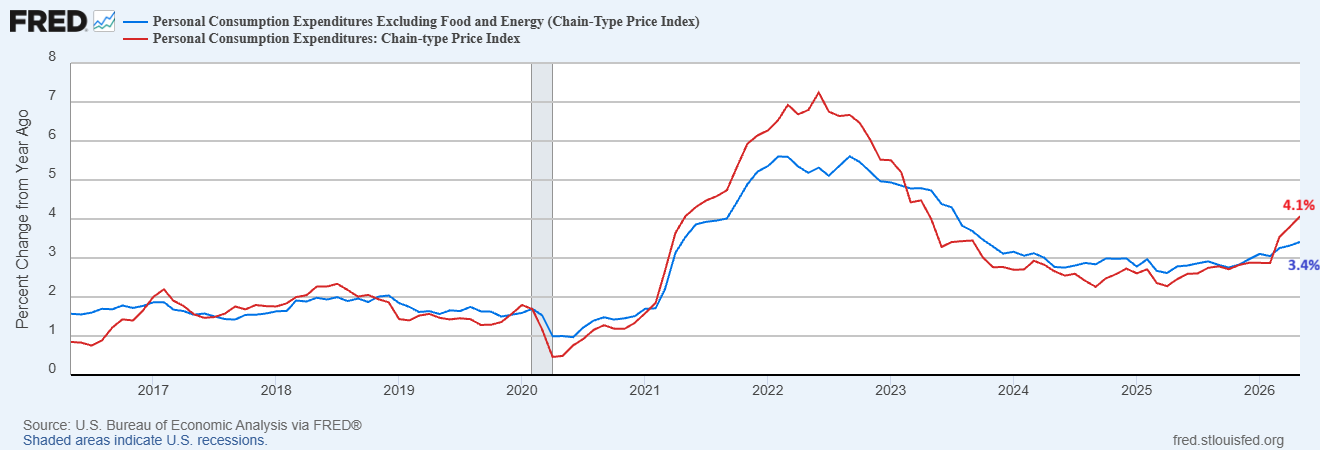
But the picture of inflation is incomplete. The chart below shows that the headline PCE inflation jumped to 4.1% in the 12 months to May 2026. On the other hand, the core PCE (less food and energy) increased to 3.4%. This suggests that the price pressure is not only about the energy. It is spreading throughout the economy. This could make the Fed hesitant despite the ongoing drop in oil prices. This forms a mixed picture for stocks. Sentiment could be aided by falling oil prices, although core inflation could cap gains.
But the reopening of the Strait of Hormuz is not necessarily as green as the market had hoped. It can take weeks for tanker flows to even out. Moreover, it also takes time to conduct minesweeping operations and security checks after the ceasefire. That could lead to renewed volatility in energy markets if tensions get worse.
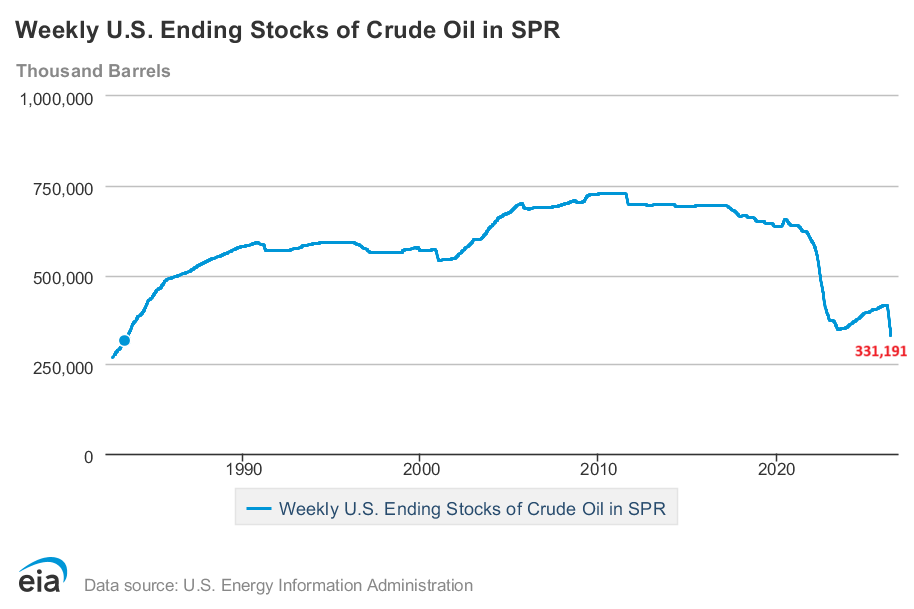
The US Strategic Petroleum Reserve also remains a concern. Crude stocks continue to drop at the rate of 9 million barrels a week and fall to 331,191 thousand barrels on June 19. This sets up a mixed situation for equities. The lower oil prices are good for consumers and reduce inflation pressure. But the relief can be short-lived as a fresh bout of energy strain may again push volatility higher.
Strong Dollar and Weak Risk Sentiment Pressure Stocks
The risk sentiment is also weakening. Bitcoin (BTC) is still testing a major support level at $60,000. A break below this level would indicate that traders are exiting the risk assets.
The same message is being given by the weakness in high growth stocks. The Magnificent 7 have lost their steam as seen in the chart below. This is because these stocks have been driving the broader market rally.
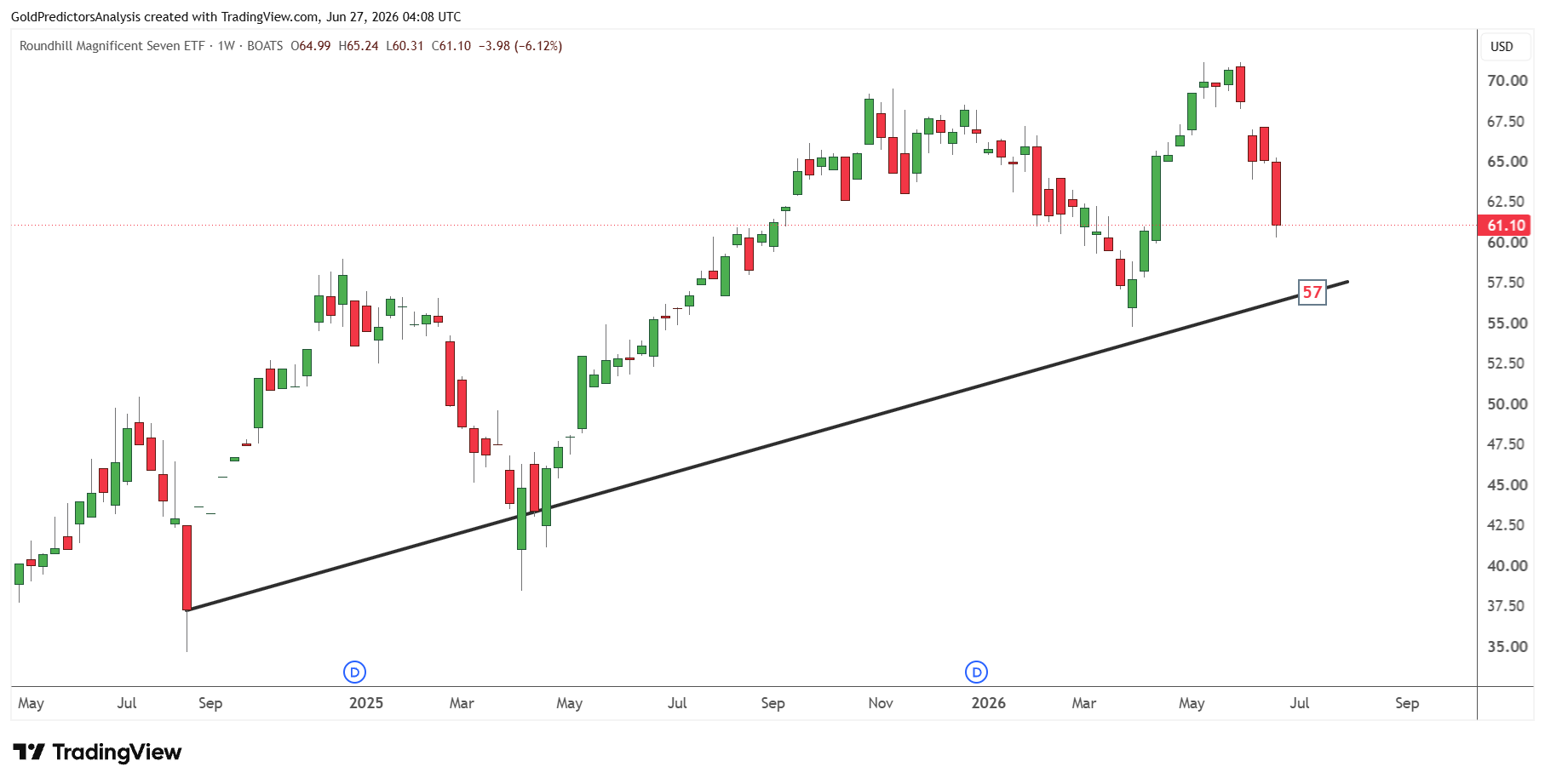
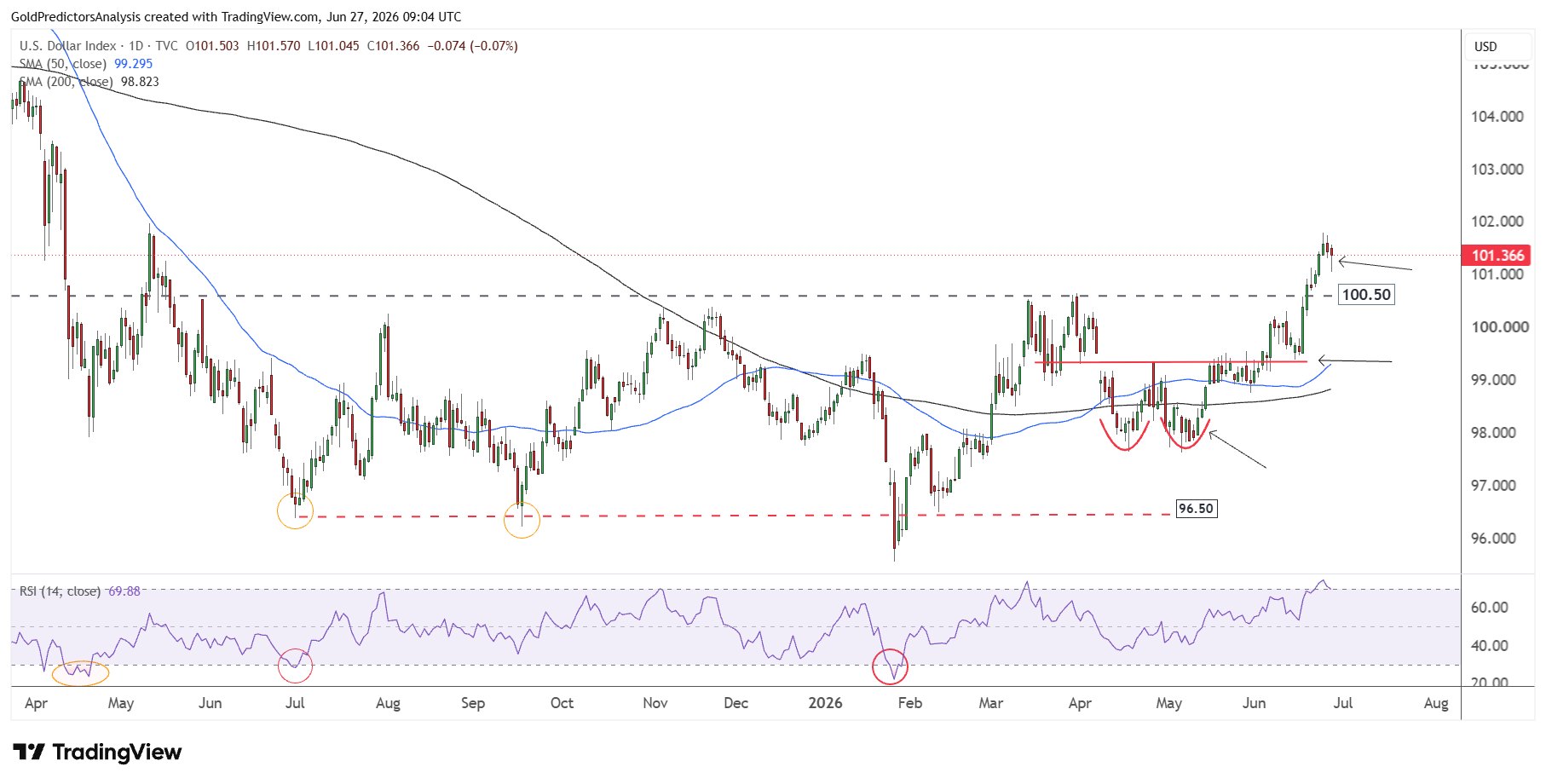
Another major factor is the U.S. dollar. The dollar is getting stronger because traders are expecting higher short-term interest rates under the new Fed Chair, Kevin Warsh. Warsh has been hesitant to establish a definite policy trajectory that creates uncertainty. A rising dollar generally puts pressure on multinationals’ earnings and dampens risk appetite. It can also be a burden on commodities and emerging markets, adding pressure to growth sentiment.
The chart below shows that the US dollar attempted to correct back to the breakout zone of 100.50 on Friday. As long as the index remains above 100, the next move might be higher to the 103 level.
S&P 500 Forecast: Correction Risk Builds Toward 7,000 Support
S&P 500 Faces Selling Pressure as Tech Stocks Lose Momentum
The S&P 500 is beginning to show secondary selling pressure. The index has been in a mild sell-off for the fourth consecutive week. The slowdown indicates that buyers are becoming more selective. This is not yet an indication of a significant bearish turn. But this suggests that the market may need to reset before another strong rally.
The pressure is primarily from technology and high-multiple growth stocks. The Magnificent 7 have begun to lose their luster. That is important for the S&P 500 as these stocks carry a heavy weight in the index. This indicates that investors are reducing their exposure to overcrowded growth stocks in the short term.
Tariff relief will help the S&P 500, but it likely will not be sufficient to secure a high breakout. The trade deal improves visibility for companies around the world. It mitigates the chances of a sudden escalation of tariffs with Europe. However, sentiment could be weighed down by uncertainties regarding metals, aircraft subsidies and tech regulation. Therefore, the S&P 500 could be a bit choppy as traders await more clarity.
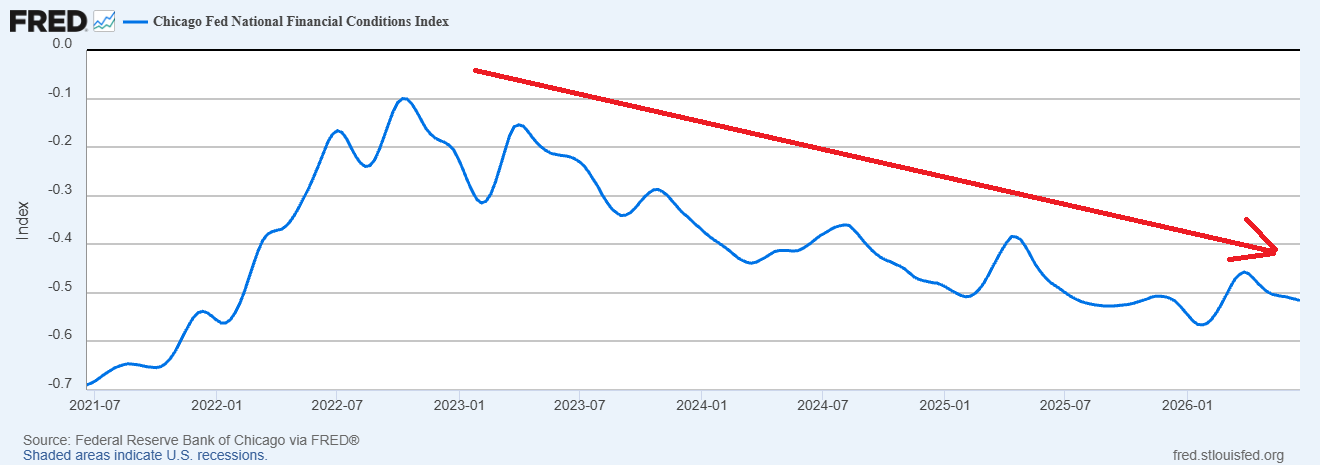
Financial conditions remain easy as the Chicago Fed National Financial Conditions Index stays below -0.50. This supports the bullish outlook for stocks. The easy conditions allow liquidity to stay in the system. But easy liquidity does not prevent corrections when valuations are stretched.
S&P 500 Support at 7,000–7,200 May Trigger Rebound
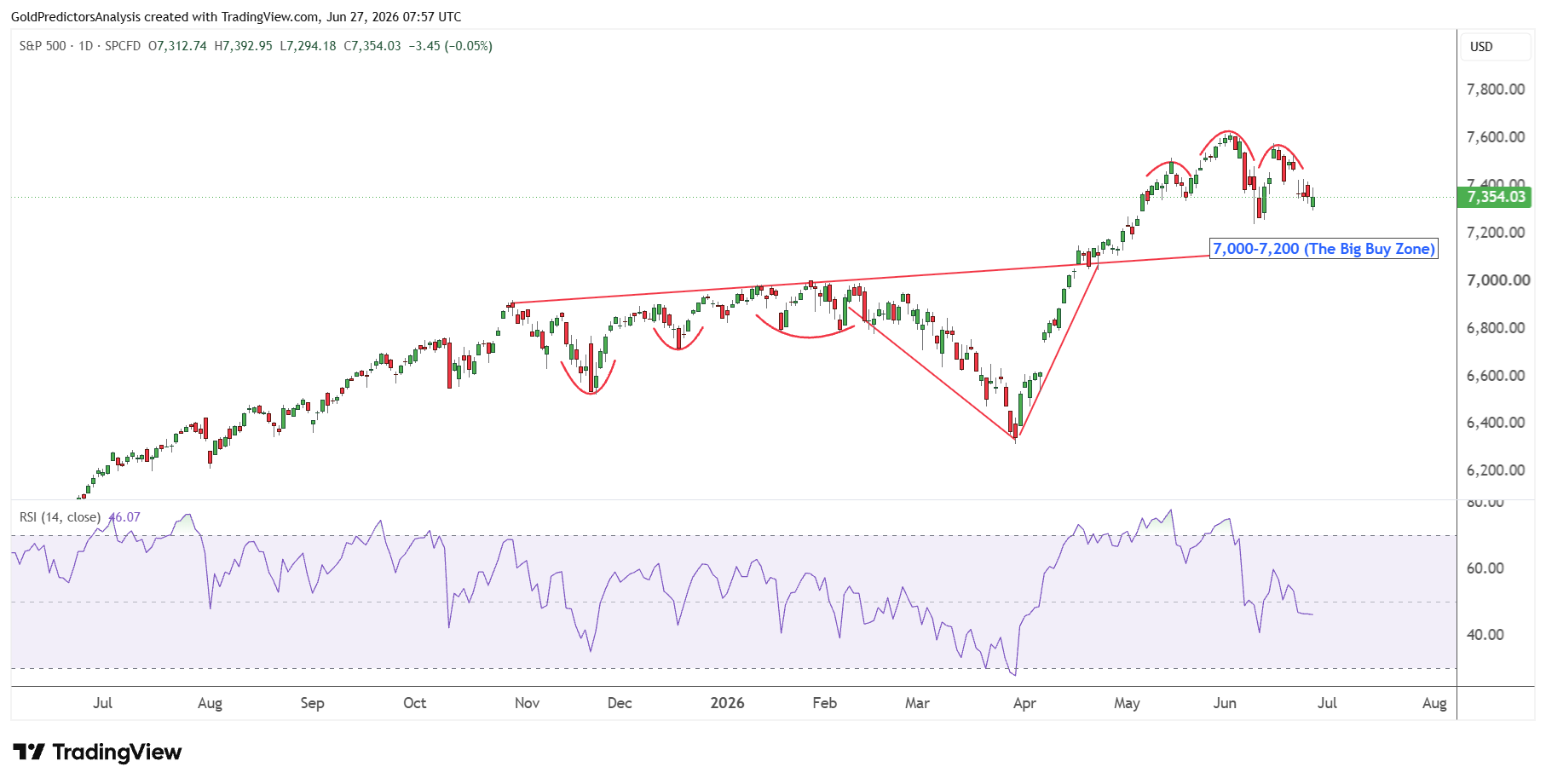
The daily chart for the S&P 500 shows constructive price action within the ascending broadening wedge pattern since 2025. However, the index is now consolidating around the 50-day SMA and looks to find the next move. Any correction back towards the 7,000 to 7,200 area may introduce another rally towards the 8,000 area.
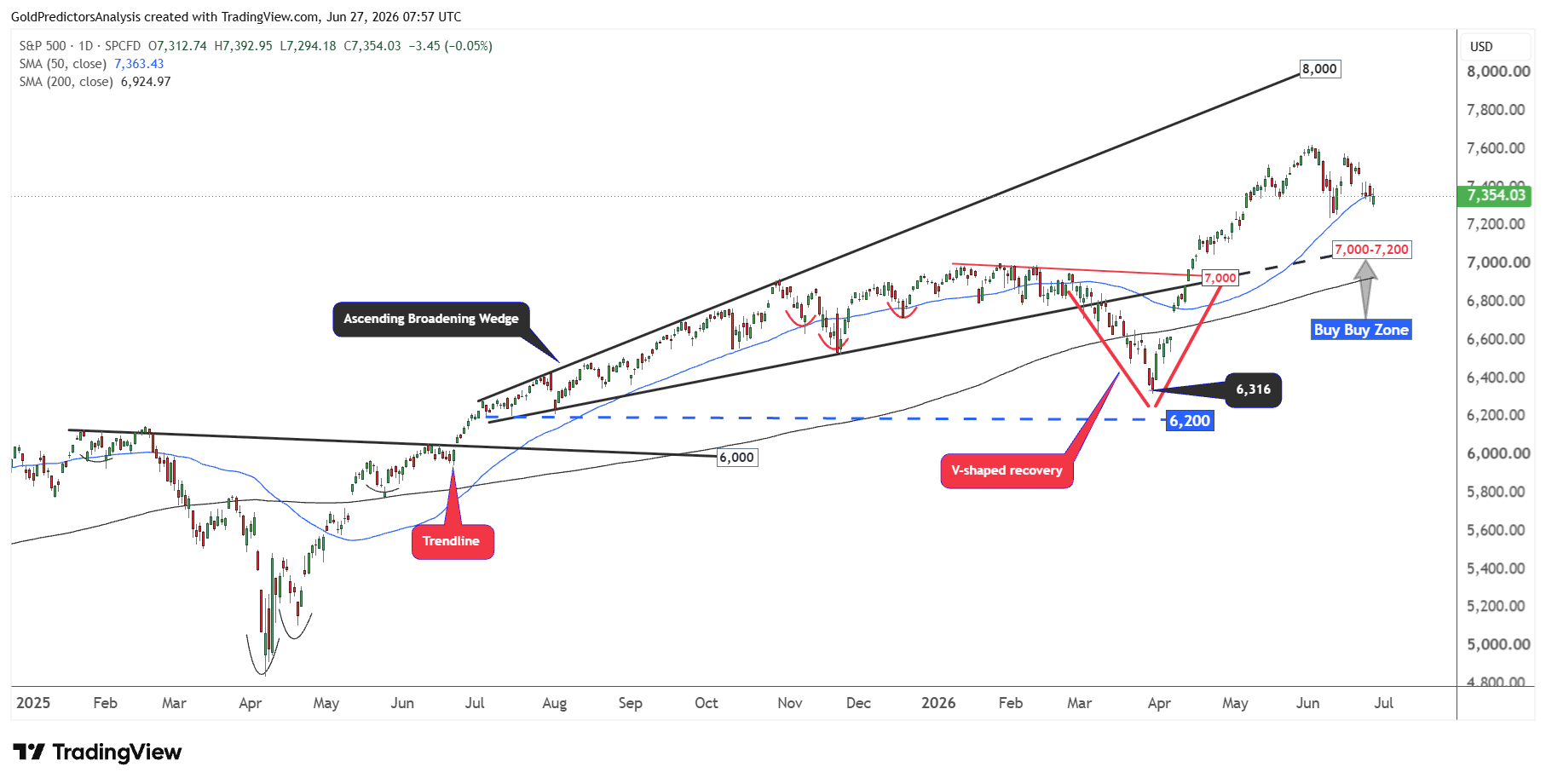
Another chart for the S&P 500 shows very constructive price action as the V-shaped recovery from the 6,200 area is beyond a short-term correction. The short-term correction from 7,600 indicates slight weakness in the S&P 500 and indicates a drop towards 7,000-7,200 before the next big rally. But a break below the 7,000-6,900 region will indicate further downside towards the 6,200 area.
Dow Jones Forecast: Trade Relief Supports Industrials Above 50,000
Dow Jones Gains Relative Strength as Investors Shift from Growth Stocks
The Dow Jones is performing better than the S&P 500 as it has low exposure to high-multiple technology stocks. This adds some relative strength to the index as investors move out of growth stocks. The Dow is also more exposed to value, industrial, healthcare and income-producing stocks. These areas tend to perform better during periods of volatility.
The EU-US trade deal is more supportive for the Dow. A high share of Dow products is related to industrial activity, global trade, manufacturing and supply chains. A tariff ceiling on EU exports and lower EU levies on US industrial goods can reduce uncertainty for large multinational companies. This could give Dow an edge over the S&P 500 in the short term.
But the tariffs on steel and aluminum imports can put strain on businesses that depend on the metals. An increase in input costs can decrease margins. If the US and EU are unable to reach an agreement on the aircraft subsidy matter, industrial stocks could also return to the sell-off mode. This makes the Dow susceptible to each and every new trade headline.
The drop in oil prices can have a mixed effect. Crude oil decline might help the transport, consumer and manufacturing sectors by easing cost pressure. But it may have a negative impact on energy-related stocks if the oil price decline signals weaker demand. So, lower inflation worries could be good for the Dow but only if the decline in oil does not signal a deeper slowdown.
The Dow Jones sentiment remains slightly positive versus the S&P 500. The index may attract defensive flows if investors continue to trim positions in high-priced tech stocks.
Dow Jones Pullback May Set Up Rally Toward 55,000
The long-term outlook for the Dow Jones remains constructive and the index has been trading within broadening wedge pattern since 2024. The emergence of the inverted head and shoulders pattern and then the ascending broadening wedge pattern supports a bullish outlook. But the index produced a sharp shadow candle last week after breaking above the 50,000 area. This indicates that the index may consolidate or correct lower before the next rally.
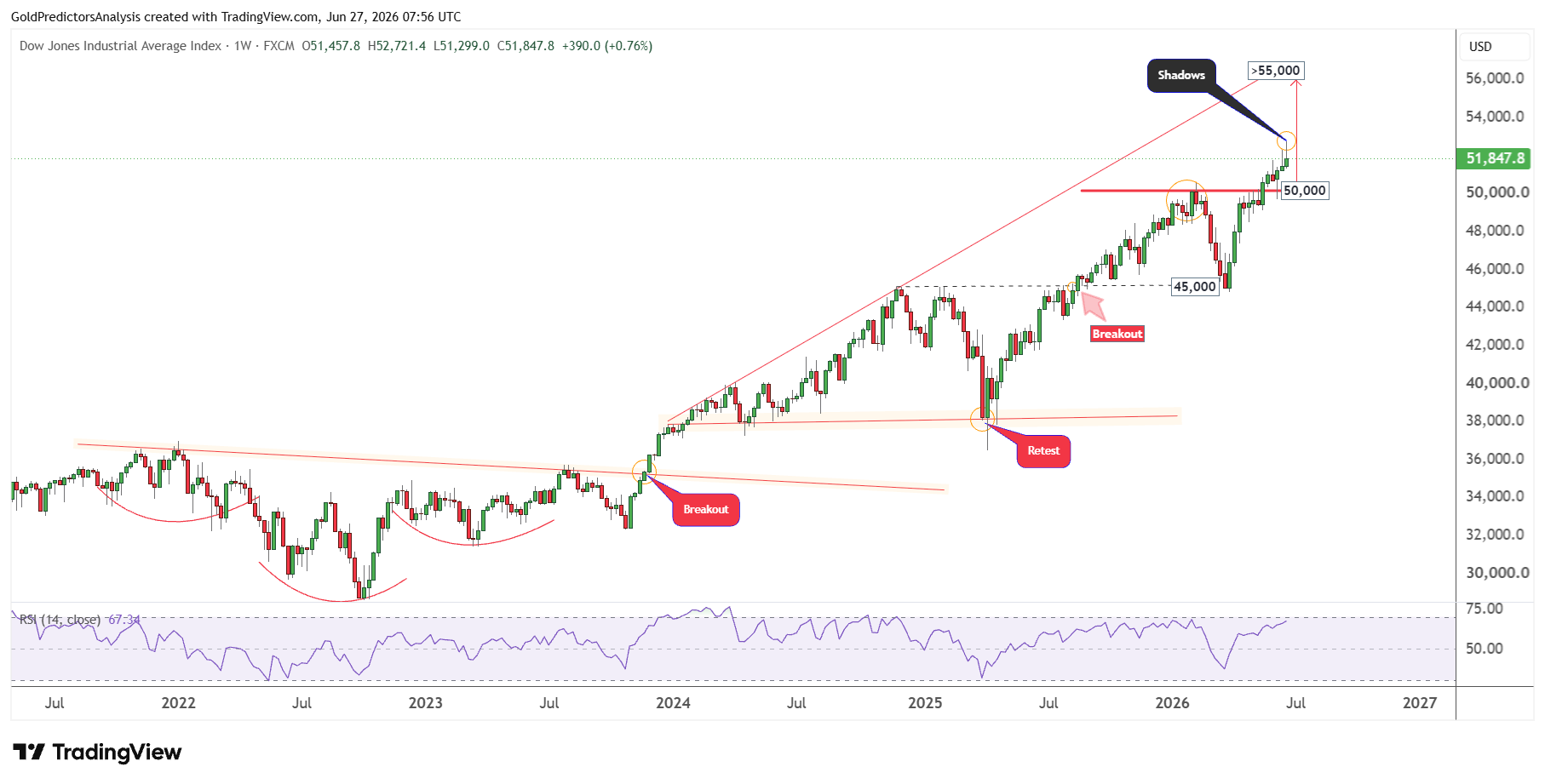
However, the breakout above the 50,000 level indicates a minimum target of 55,000. Therefore, any correction in the index back towards the 50,000 level may be considered a strong buy signal for investors.
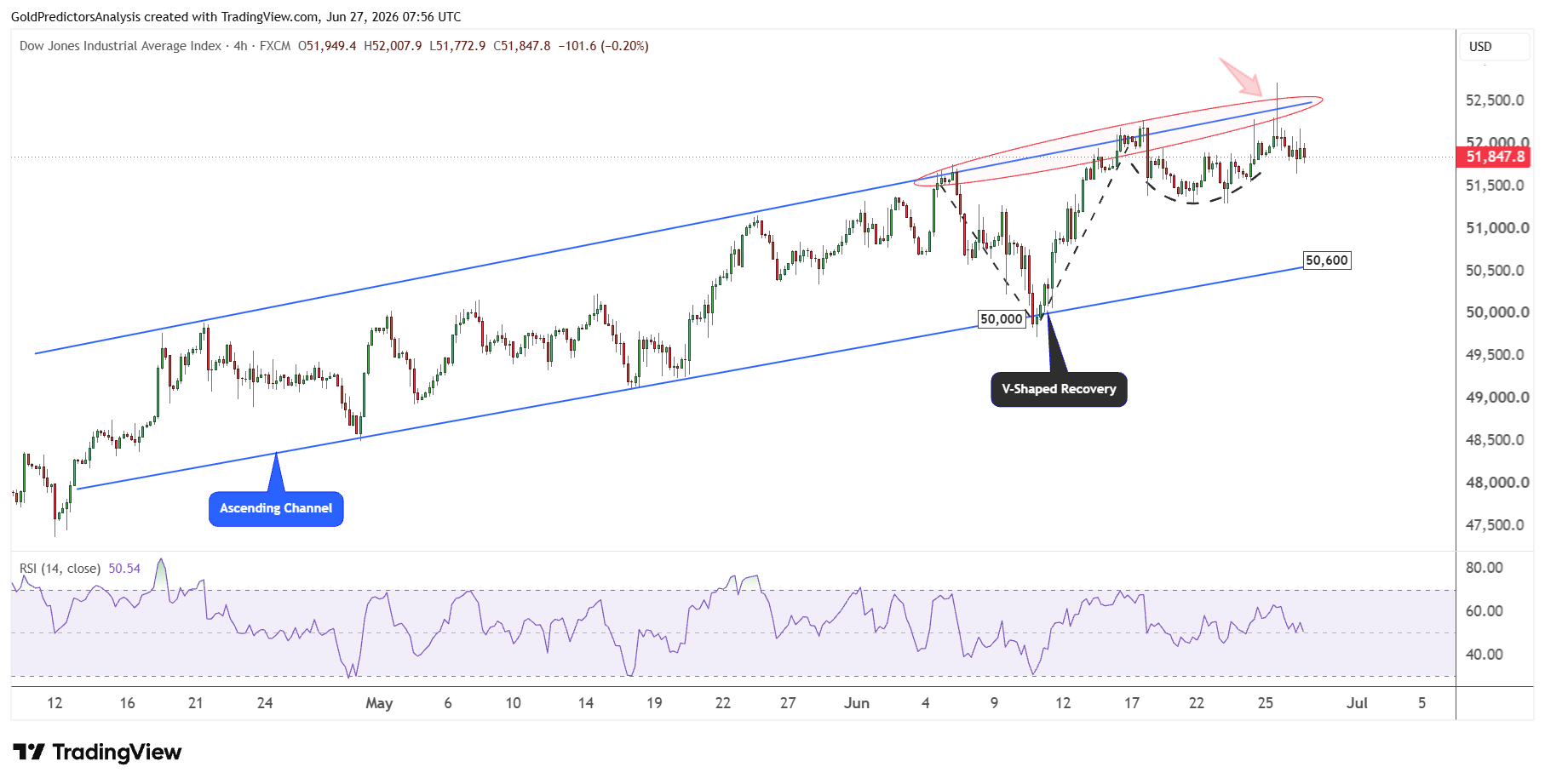
The short-term price action also shows constructive price action as seen by the strong recovery within the ascending channel pattern. This recovery was a V-shaped recovery and the following action from June 17 was a rounding bottom pattern.
But the price must hold above the 51,300 level to avoid a deeper correction towards the 50,600 level. As long as the 50,000 level in the Dow Jones holds, the next move will likely be higher towards 55,000.
Bottom Line
The S&P 500 and Dow Jones present a mixed but constructive setup. The EU-US trade deal has eliminated one major risk and improved the short-term volatility. But the trade risks have not disappeared. There is potential for new volatility from steel, aluminum, aircraft subsidies and digital tax issues. Sticky core inflation and a stronger dollar may cap the upside, while lower oil prices may support the sentiments.
S&P 500 may correct to the 7,000-7,200 support area before a new rally. A break below 6,900 will indicate further decline to 6,200. But a recovery above 7,600 will indicate a move to the primary target of 8,000. The Dow Jones is marginally more robust as it is a heavier blend of industrial and value stocks. The broader trend remains bullish as long as the Dow holds the 50,000 level with the next major target to 55,000.


