Nvidia Sells the Chips. Everyone Else Has to Make the Math Work.
Nvidia ships the GPUs behind every major model. The order book stays full. Margins are near record levels. Guidance keeps moving higher. Microsoft, Amazon, Alphabet, Meta and Oracle are on the other side of those invoices writing checks measured in hundreds of billions.
Michael Burry is looking at that side. He is not betting against AI demand. He is betting the spending cycle has gone too far, too fast and the companies funding it are carrying more risk than the market wants to admit.

Burry Is Short the Buyers, Not the Story
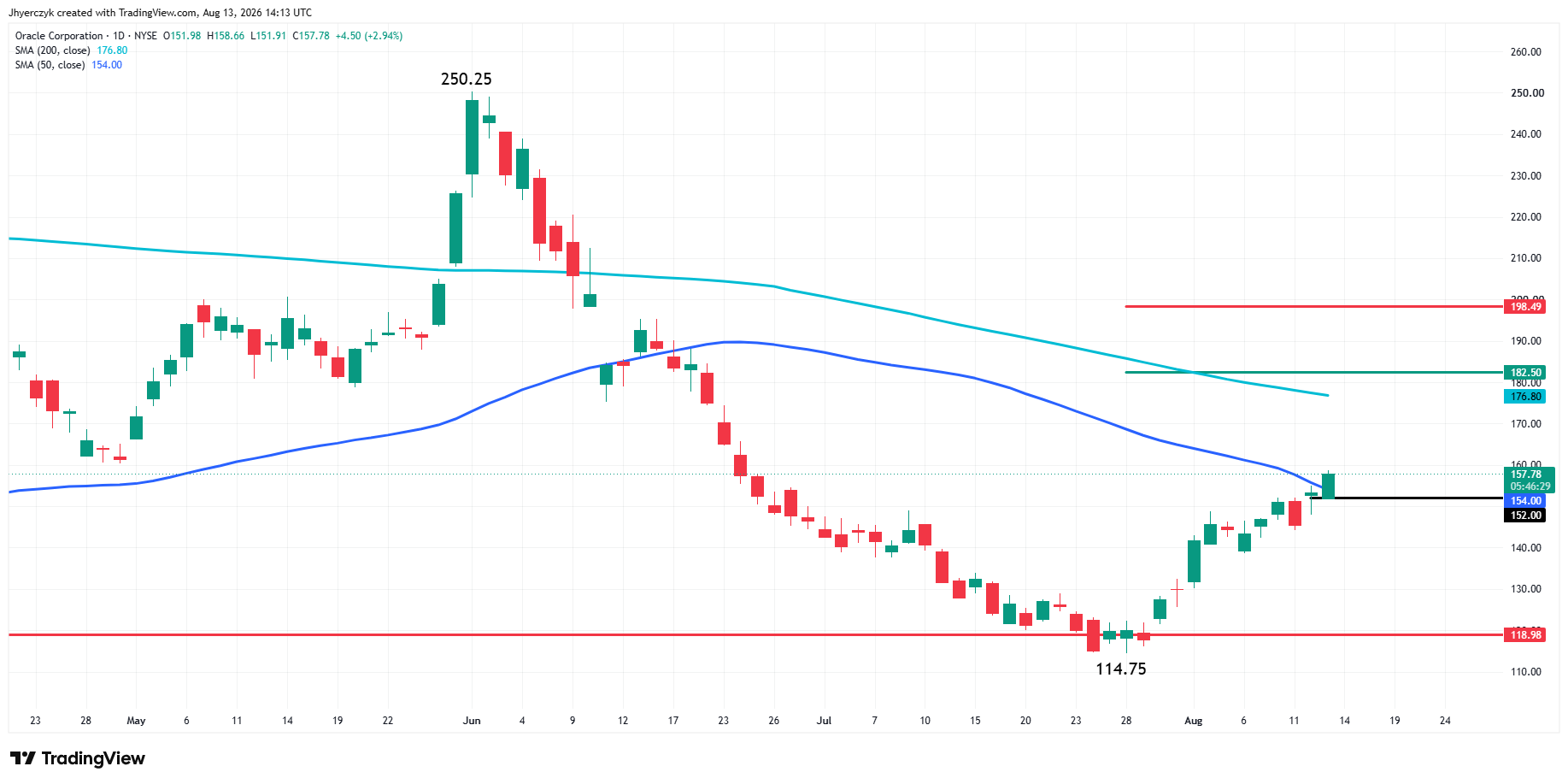
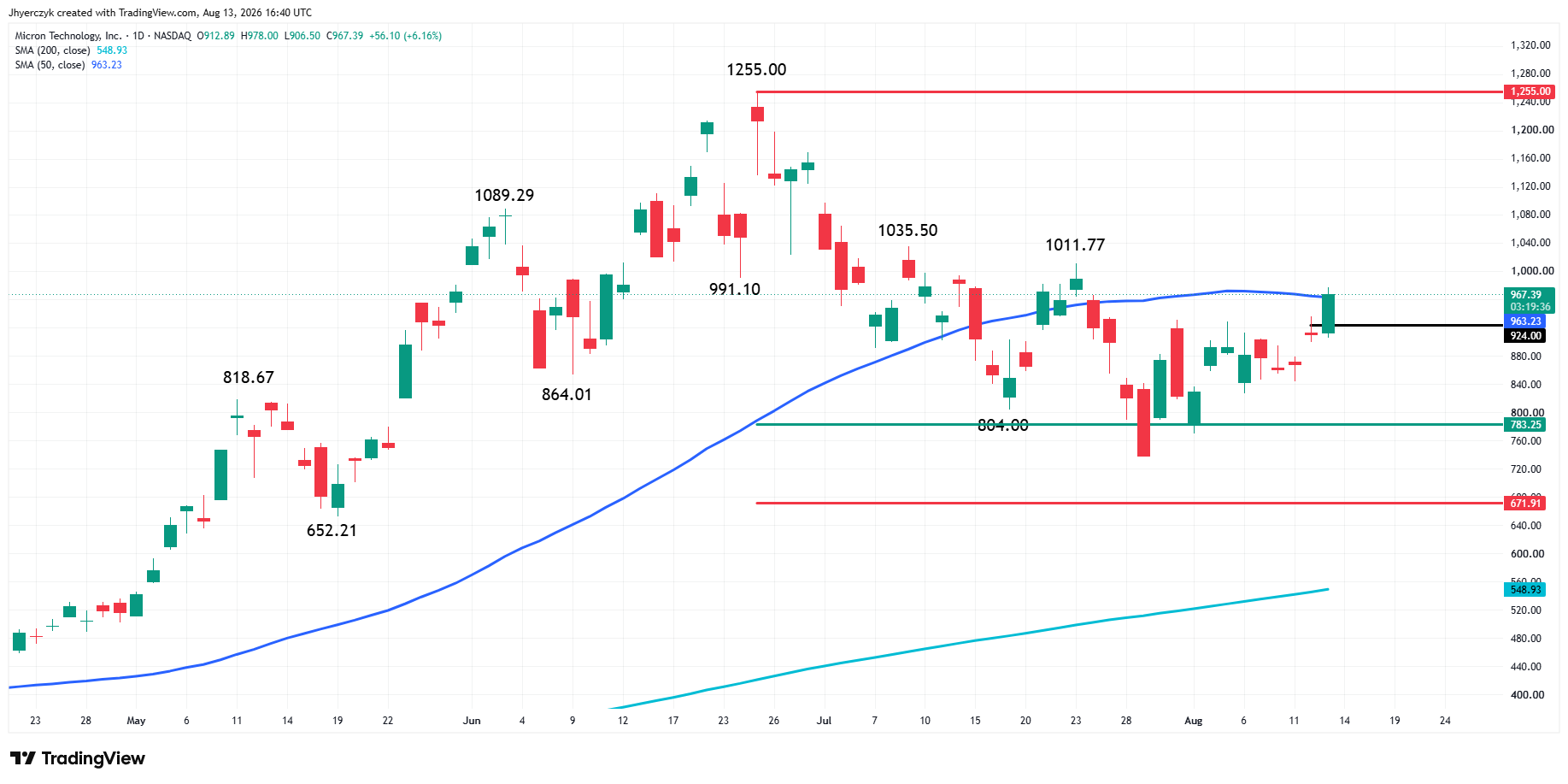
On August 12, Burry added to shorts in Nebius at $247, Micron at $924 and Oracle at $152. He also bought more March 2027 puts on the iShares Semiconductor ETF.
Nvidia gets paid when the chip ships. The customer gets paid later, maybe. Burry thinks the gap between those two events is wider than the market has priced.
Nebius Shows the Problem Burry Sees
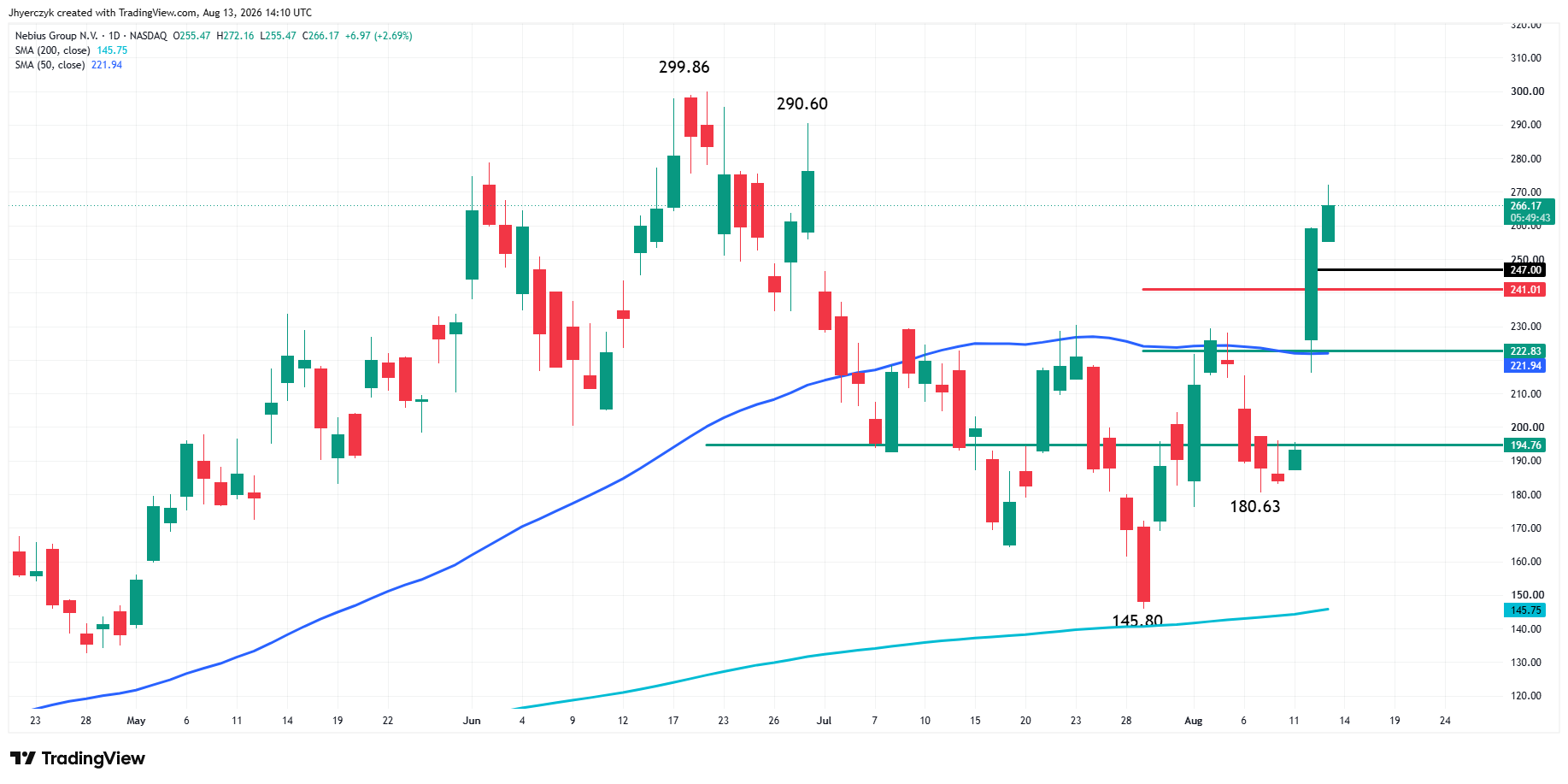
Nebius could lock in every megawatt of its 2027 supply today on one-to-three-year contracts. Instead it is holding capacity back for shorter deals at $40 million to $50 million per megawatt, roughly double the mid-term rate. Burry added to the short after the earnings rally because those premium rates depend on scarcity that is not permanent. More data center capacity is coming online and those short-term contracts roll off into a market with more supply. If the premium compresses, the revenue growth the stock is trading on compresses with it.
$800 Billion in Capex and Nvidia’s $500 Billion Circle
Microsoft, Amazon, Alphabet and Meta are on track to spend close to $800 billion in capex this year. Oracle has joined the race with less cushion and more exposure to the AI cloud story. Microsoft and Amazon can absorb a long spending cycle on the strength of their core businesses. Oracle cannot carry mistakes as long. Some of them are stretching server depreciation estimates to five and a half years, which changes the accounting but does not change what happens to the hardware when a faster chip ships nine months later.
Nvidia has partnerships with Apollo, BlackRock, Blackstone, Brookfield, Goldman Sachs and KKR aimed at mobilizing more than $500 billion for AI infrastructure. Burry sees the money moving in a circle. The financing buys GPUs. The GPU sales support Nvidia’s margins. The final owner of the data center still has to fill it and make the utilization work. The financing moved the risk off Nvidia’s balance sheet. It landed on someone else’s.
The Two-Sided AI Trade
Burry has been early before and the AI trade has real revenue and real money behind it. His bet is not that spending stops. His bet is that Nvidia collects on delivery while the buyers are left carrying utilization risk, power costs, financing costs and depreciation schedules that assume the hardware stays relevant longer than the product cycle suggests. He picked the side with the harder job to short and he has been adding to it on strength, not weakness. That is not a panic trade. That is a trader who thinks the bill is coming due and the wrong people are holding it.
More Information in our Economic Calendar.