
The Bank of Japan faces a harder decision on interest rates after the inflation in Japan accelerated on Friday. The latest business survey gives it room to wait, but strong pressure on prices keeps another increase in view. Meanwhile, weak US hiring supports a possible Fed pause. These developments put the gap between Japanese and overseas rates at the center of the outlook for the yen. In my view, the BOJ may pause in October before considering another hike later this year. This article examines the outlook for the interest rates to understand the next move for USD/JPY, EUR/JPY and GBP/JPY.

BOJ Interest Rate Outlook: Inflation and Fed Pause Bets Shape the Yen
Tokyo Inflation Keeps Further BOJ Hikes in View
The latest Japan inflation report strengthened the case for further tightening by the BOJ. The chart below shows that the core consumer prices for Tokyo increased 2.7% from a year earlier in September. That compares with 1.8% in August. The measure excluding fresh food and energy increased to 3.0% from 2.0%. The part of the jump came from the removal of water bills and childcare subsidies.
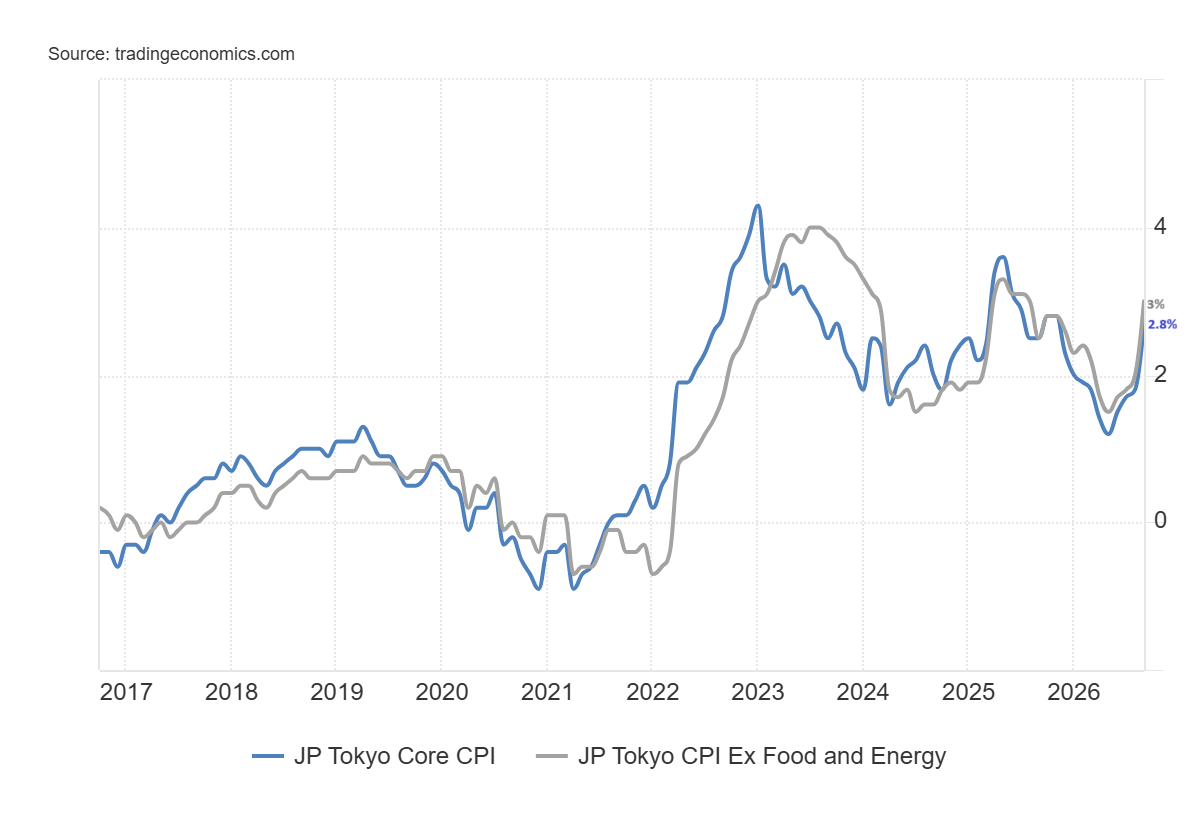
The BOJ needs to judge how much pressure will persist. But higher prices across everyday goods give it a reason to keep another increase in rate on the table.
Mixed Tankan Data Supports a Measured Pace of Tightening
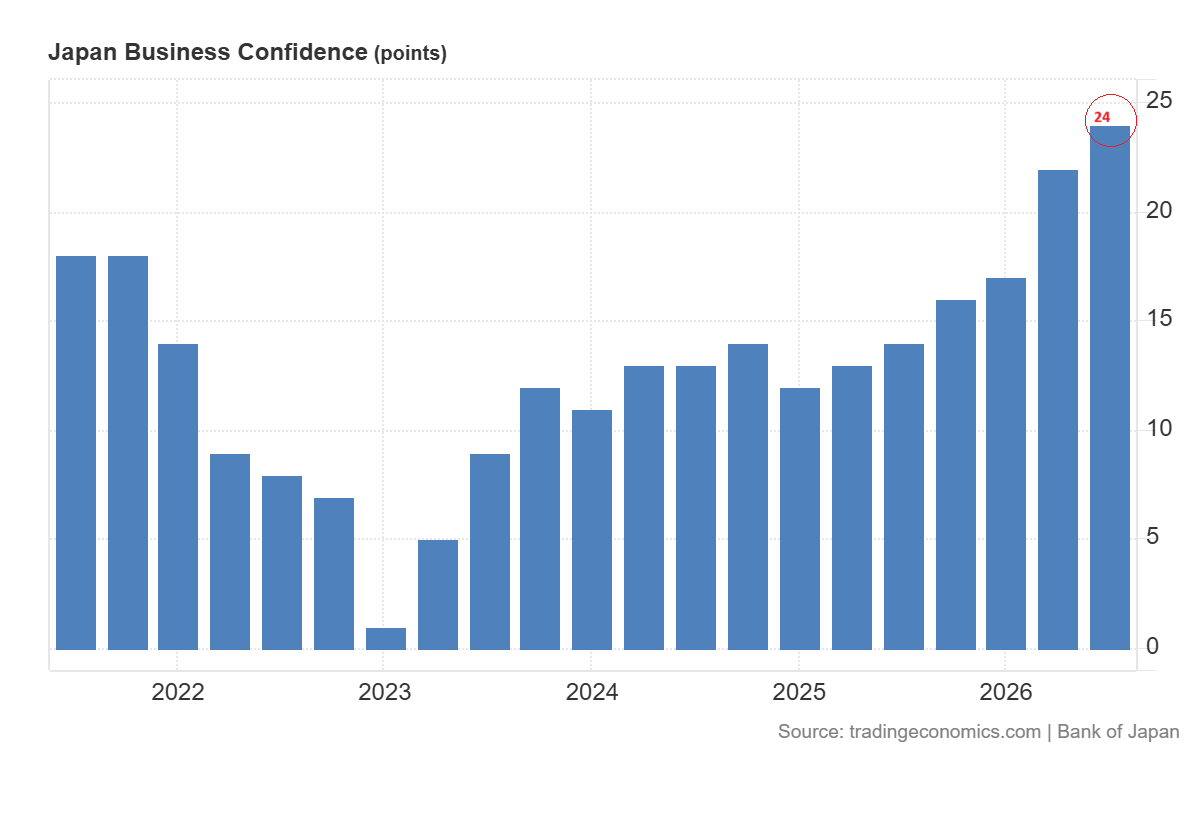
The Tankan survey released on October 1 gives the BOJ a more balanced picture of growth. The confidence among large manufacturers rose to 24 from 22.
But the confidence among large non-manufacturers dropped to 35 from 37.
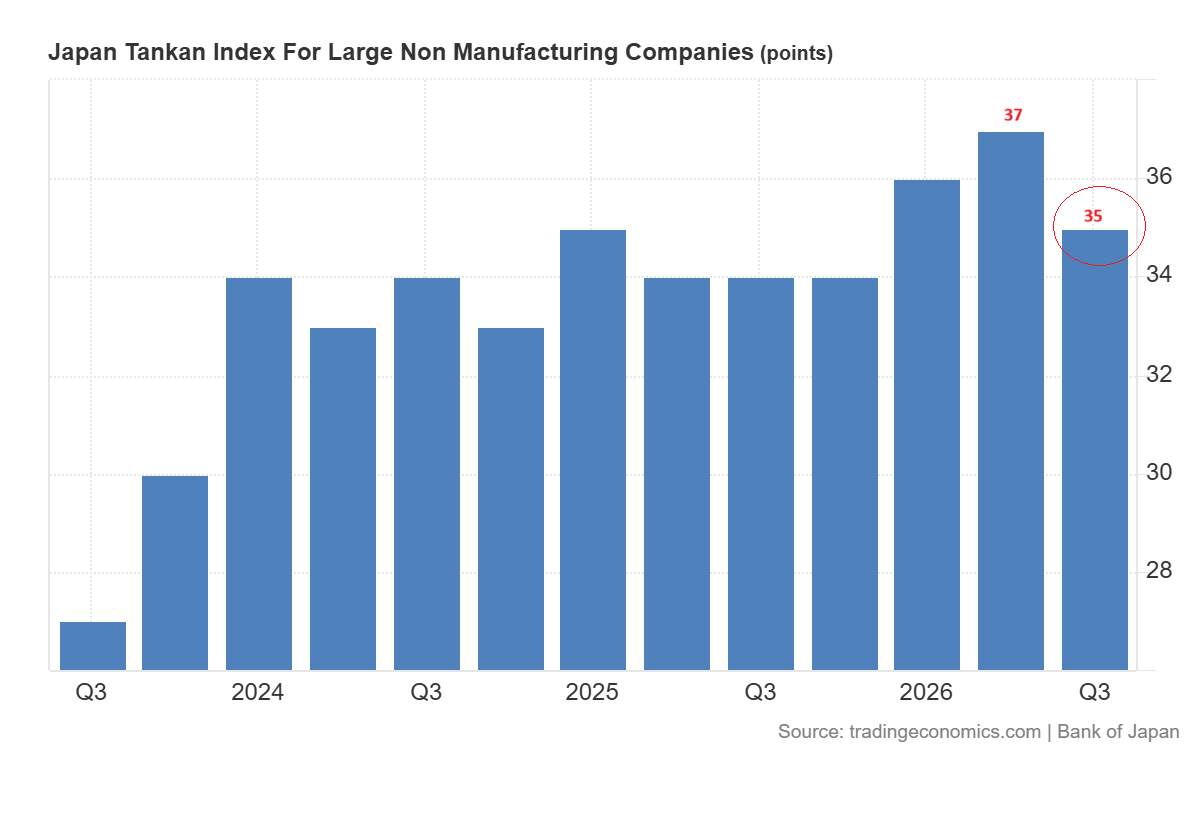
Both groups expect conditions to weaken over the next quarter. Their forecast readings stand at 21 and 30. This matters for interest rates because the BOJ needs demand to remain strong as the cost of borrowing rises. The strong manufacturing supports further tightening while softer conditions elsewhere favor a measured pace.
The Summary of Opinions by the BOJ shows that policymakers disagree over the pace of tightening. Some favor faster increases if inflation exceeds the outlook. Another sees no need for haste. The policy rate currently stands at about 1.25% and the next meeting takes place on October 29-30.
My base case is a pause at that meeting with another increase possible in December if price pressure persists. A stronger inflation outlook could bring the next move forward.
Weak US Jobs Data Supports an October Fed Pause
The US jobs report released on October 2 points toward the slower pace of tightening by the Fed. The employers added just 29,000 jobs in September.
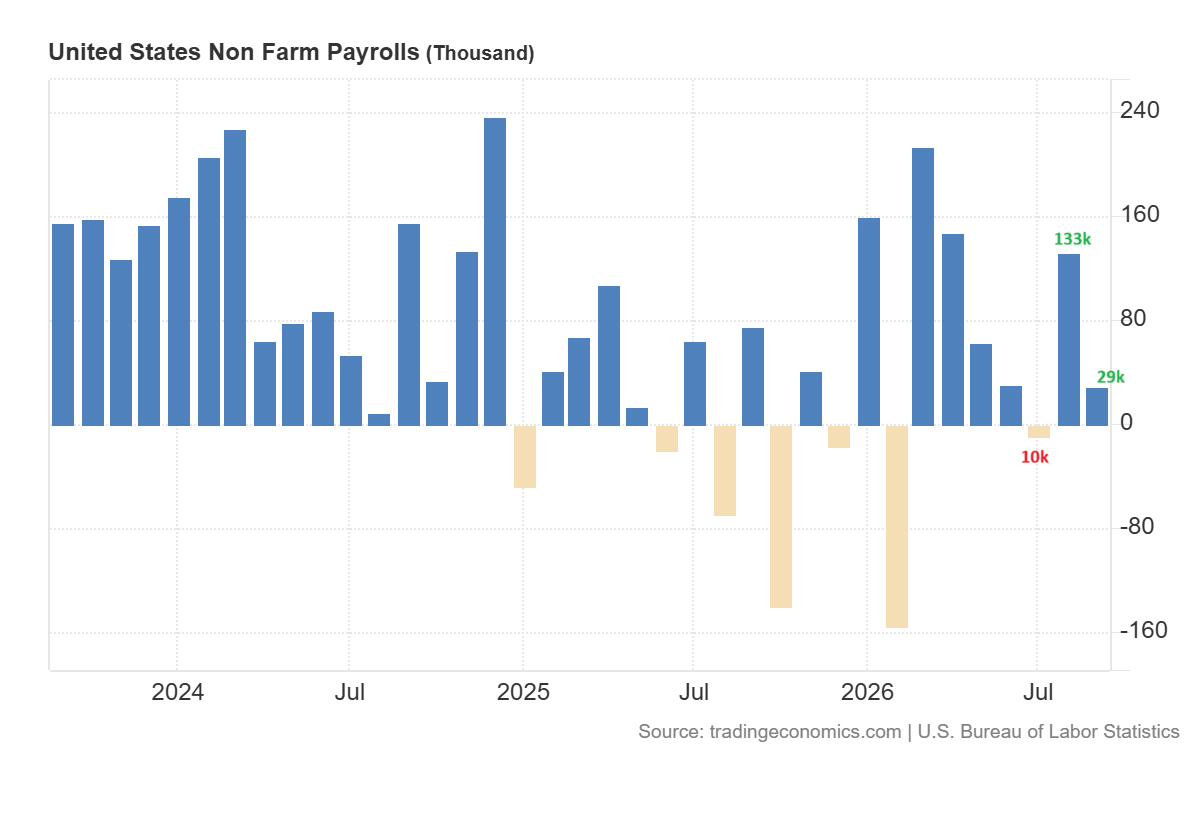
The unemployment rate edged up to 4.2% from 4.1%.
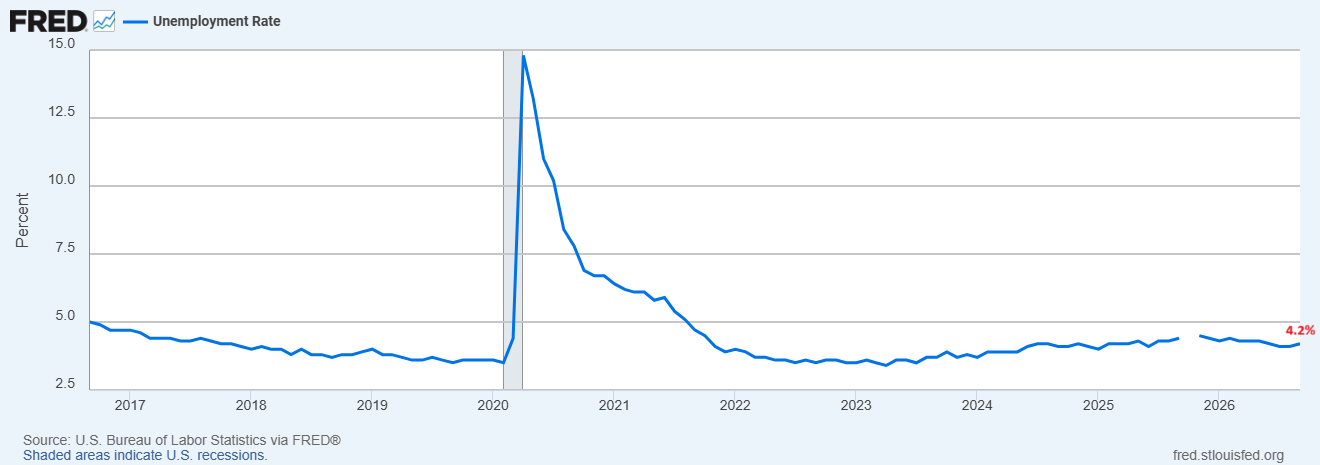
Moreover, the average hourly earnings rose 0.1% during the month and 3.0% from a year earlier. The payroll gains in July and August were also revised down.
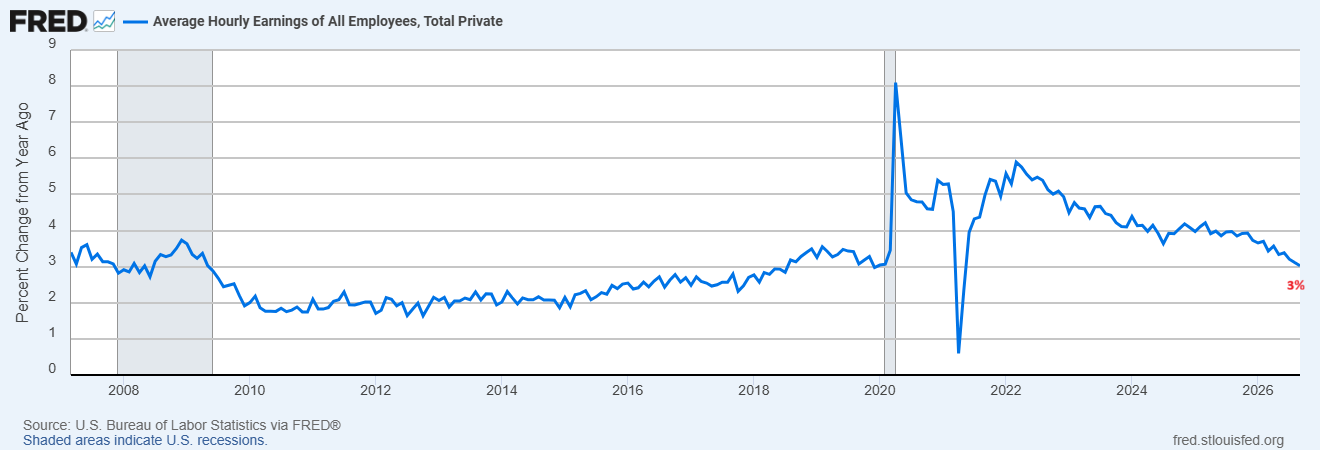
These figures give the Fed more room to assess the impact of the latest increase. They also reduce the risk that faster wage growth will add to inflation. But the small rise in unemployment does not establish a sharp economic downturn.
The target range by the Fed remains 3.75%-4.00%. The expectations of a rate hike in October dropped after the release of US jobs data. That pricing supports a pause at the October 27-28 meeting but it can change before the decision. Cleveland Fed President Beth Hammack also said on Friday that policymakers have time to assess more information.
In my view, an October pause with a further increase later this year is still possible if inflation remains strong. For the yen, the Fed pause helps only if it lowers the expected US rate path relative to Japan.
The bond yields show why the yen may receive only limited relief from lower expectations of Fed hike. The chart below shows that the US two-year yield remains at 4.84% and the Japan two-year yield at 1.925%.
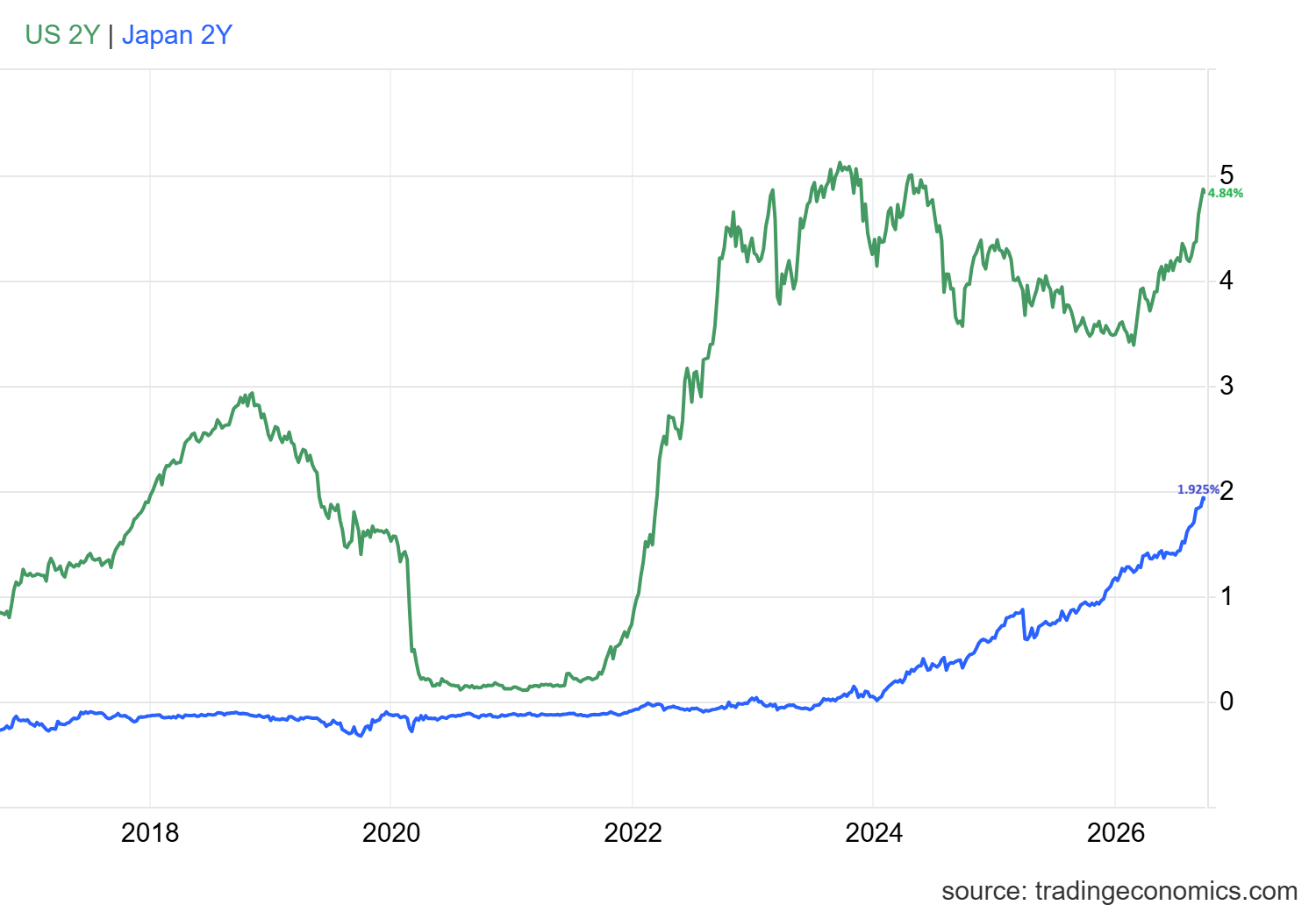
The ten-year yield for Japan stood around 3.1%.
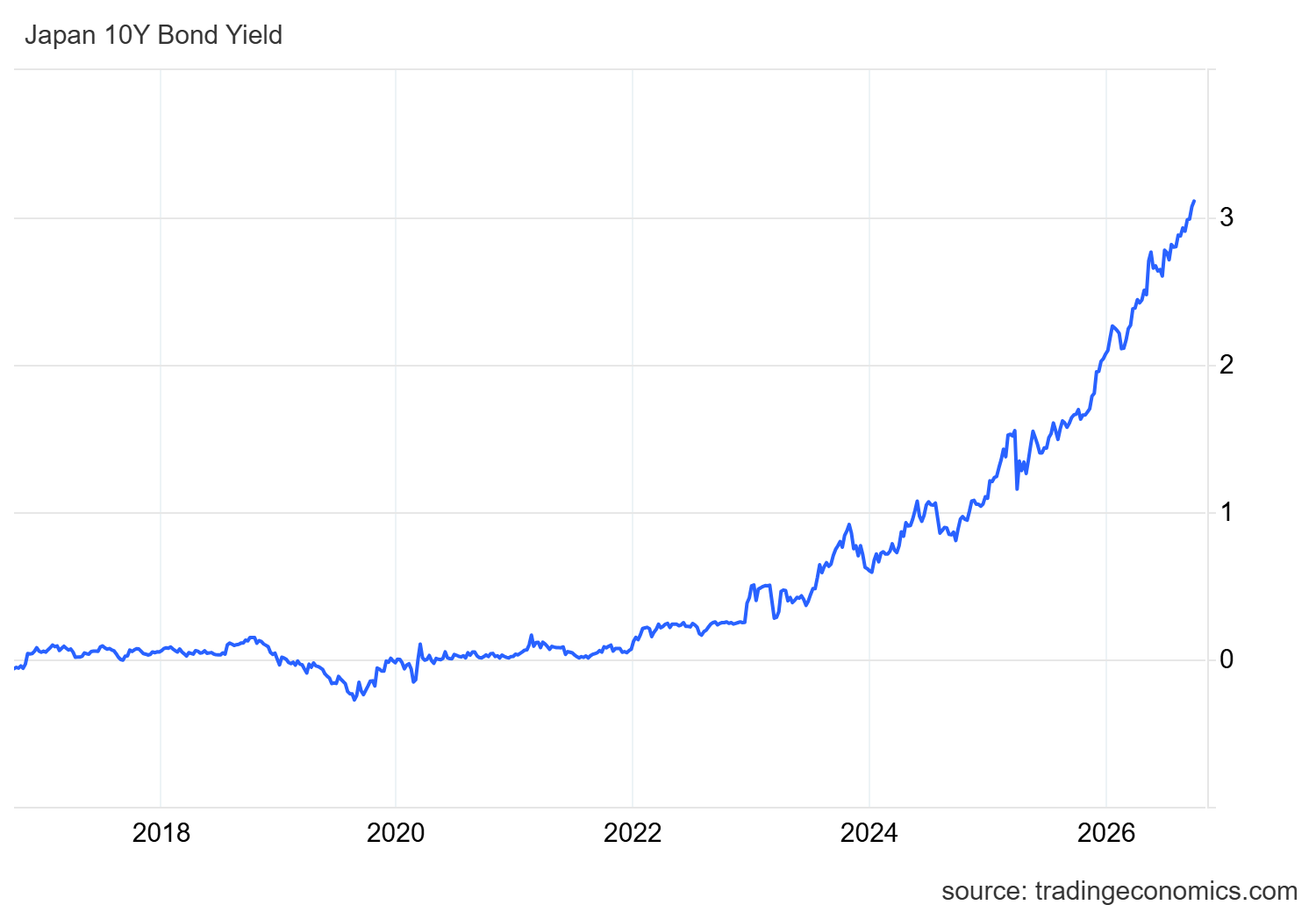
A narrower yield gap would provide more lasting rate support for the yen. The high long-term yields can also reflect the risk of inflation and fiscal policy increases rather than expected policy increases alone.
USDJPY Forecast: 159 Breakout Could Put 162 in View
USD/JPY faces a more cautious outlook after the weak US hiring and slower wage growth on Friday. Those figures support a Fed pause while stronger Tokyo inflation keeps another increase by the BOJ in view. But the current US policy range still sits 2.50%-2.75% above the interest rate of Japan. That gap continues to favor the dollar.
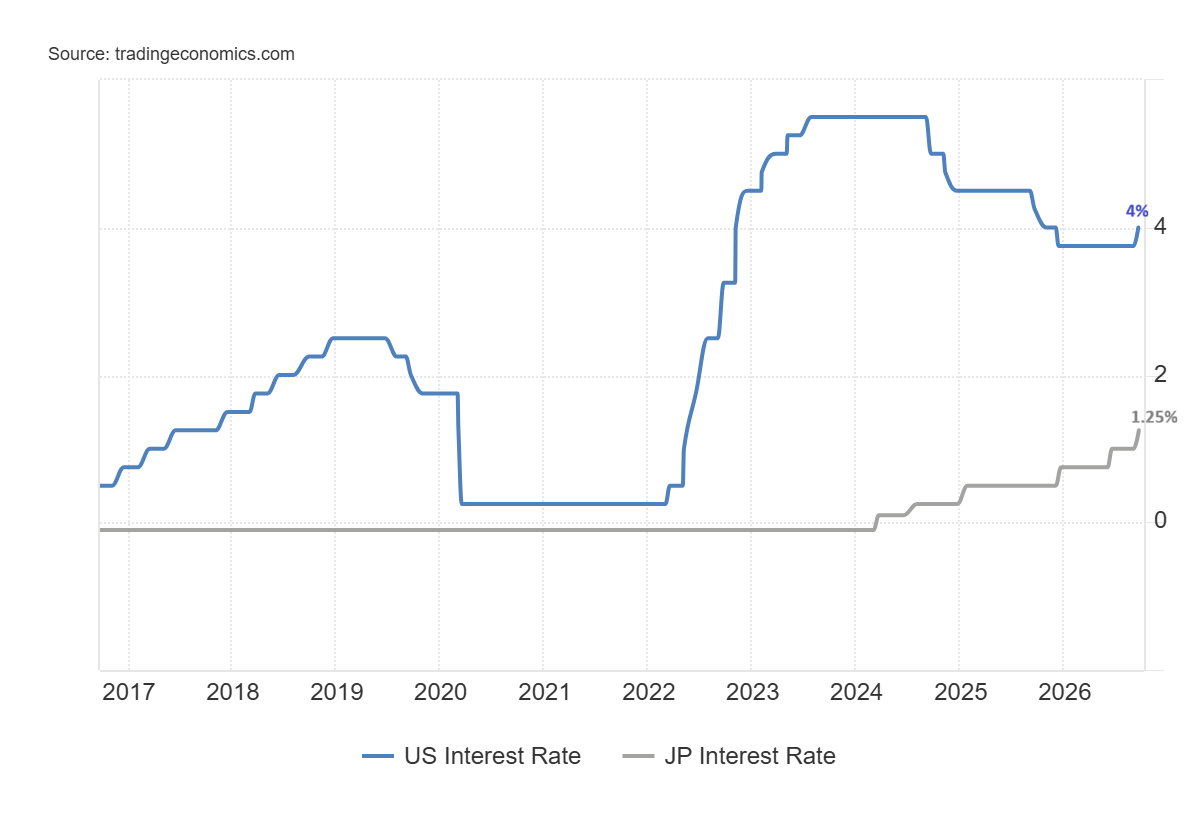
My outlook for USDJPY is uncertain in the short term if US short-term yields fall while Japanese yields remain strong. This situation may challenge the strong bullish trend that the pair has been driving for the past few months.
A pause by both central banks would leave the current policy gap unchanged and could limit the recovery in the yen. The strong US inflation could also revive the expectations for the Fed hike and support the pair.
The daily chart for USD/JPY shows that the pair failed to break above the long-term resistance at 162 and triggered a strong drop toward the support area of 152 to 152.50. After hitting the support, the pair has produced a successful rebound towards a higher level and shows continued strength.
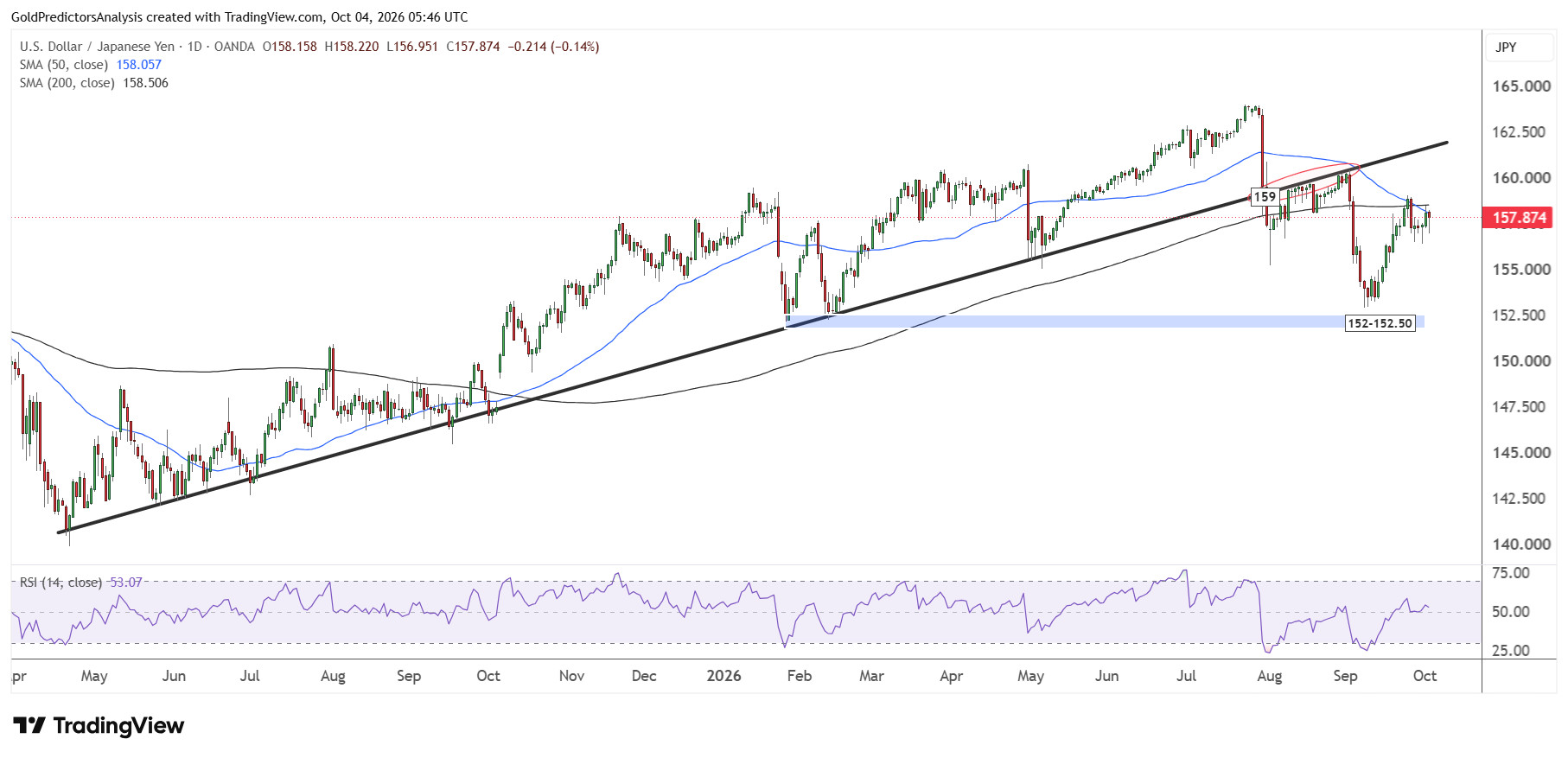
A break above 159 will further push prices towards the long-term resistance between 160 and 162. But a break below 156 will likely open the way for a further drop towards the 152 zone.
As long as the pair holds the 152 level, the possibility of a positive trend is high. The RSI remains above the midline, which also supports a positive trend in the short term.
EURJPY Forecast: 174.50 Support Keeps 187 in View
EUR/JPY receives support from renewed inflation pressure in the euro area. The chart below shows that the headline inflation rose to 3.8% in September from 3.2% in August. The core inflation increased more modestly to 2.5% from 2.4%.
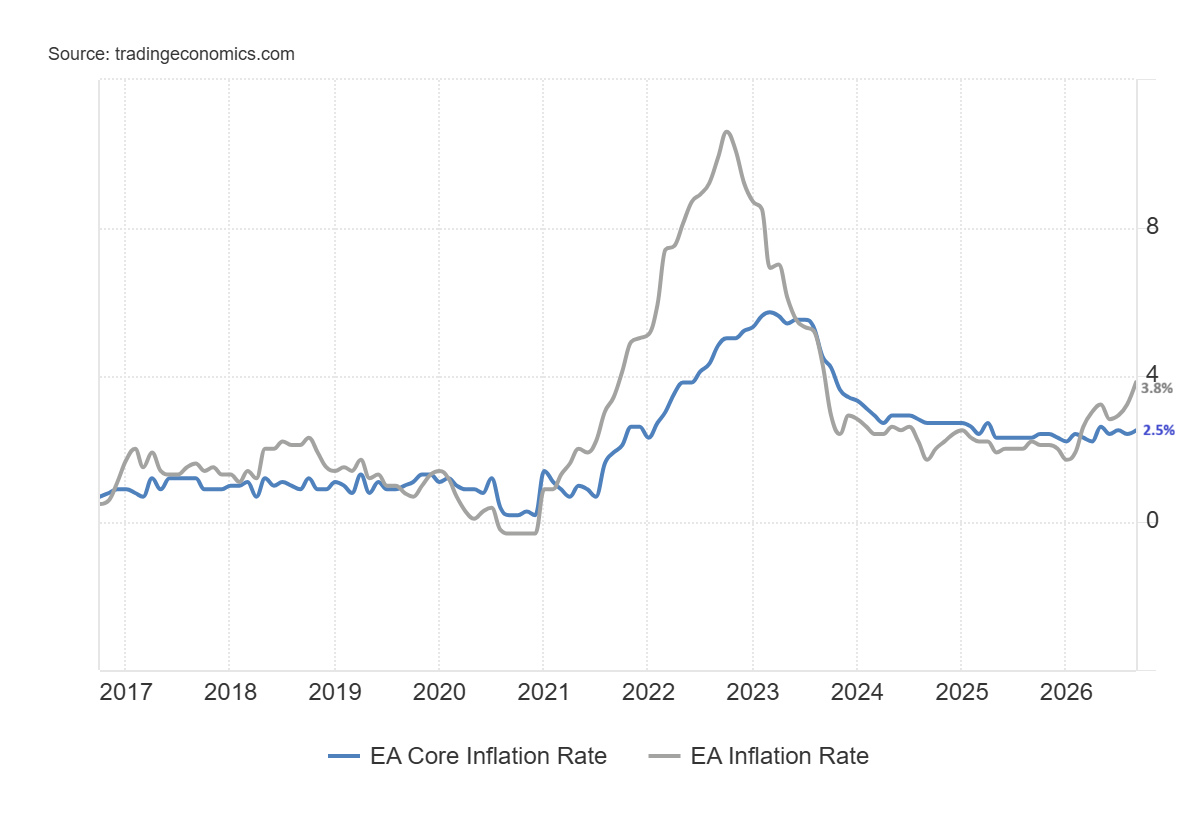
The energy prices drove much of the headline rise but services inflation also moved higher. These figures keep another increase by the ECB in view. The ECB deposit rate stands at 2.50% which gives it a 1.25% advantage over the BOJ rate.
In my view, EUR/JPY may trade positively if the expectations of the European rate increase faster than the rates for Japan. A hike by the BOJ, along with the pause by the ECB would narrow the gap and weaken that view.
EUR/JPY also remains above the ascending trendline, which suggests that the pair holds a positive trend. The immediate support remains at 174.50. As long as this support zone holds, the pair may initiate another rally towards the 187 level. The support at 174.50 is also seen by the July 2024 highs. Therefore, this support is important for EUR/JPY.
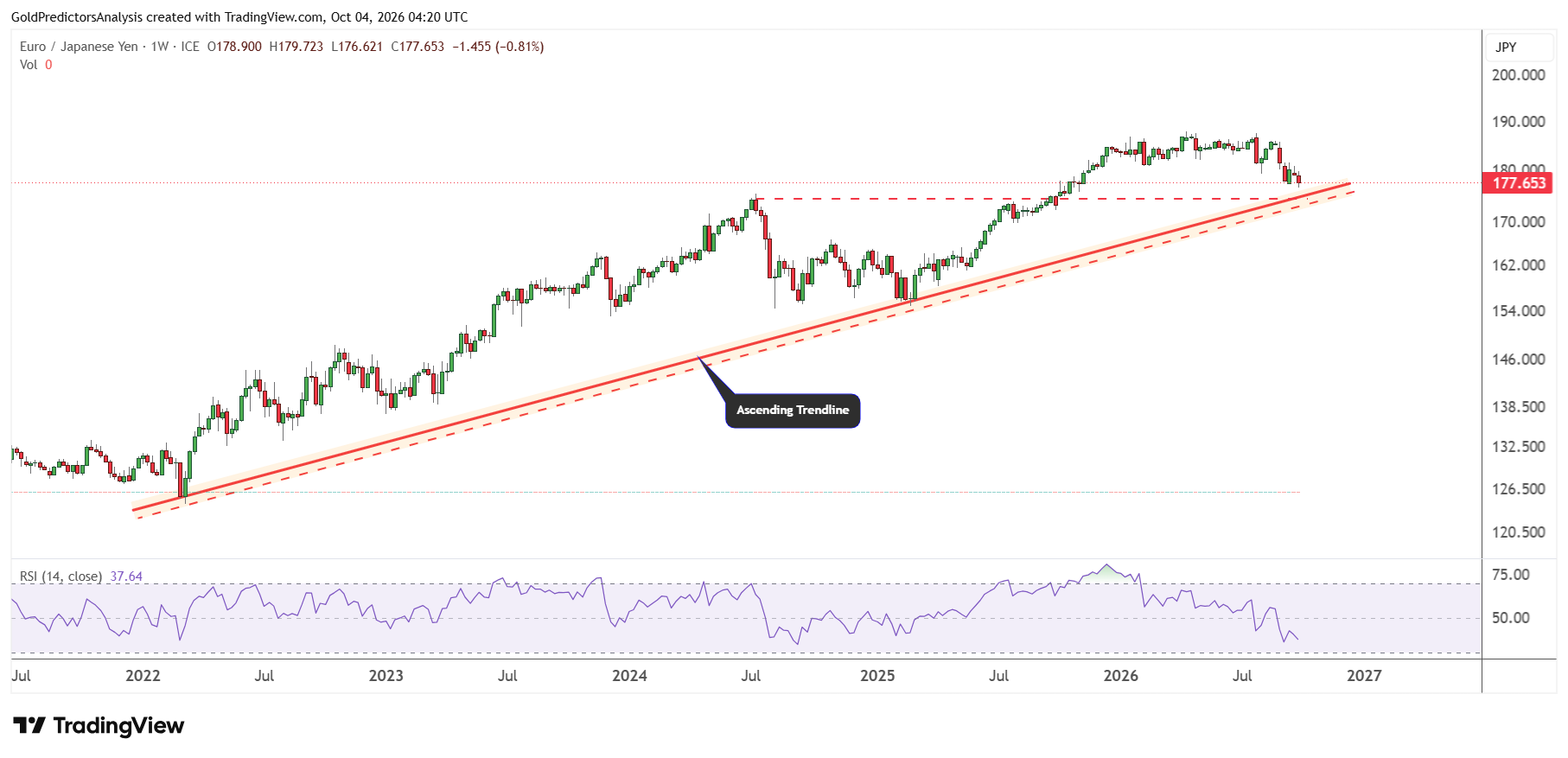
Overall, the pair holds a positive trend in the short term. A break above 187 will likely open the way for further upside towards the 200 level.
GBPJPY Forecast: 207 Support Puts 213 in Focus
GBP/JPY maintains support from the higher interest rates by the UK but the case for faster tightening remains mixed. BOE policymaker Catherine Mann argued that the Bank rate needs to rise to keep inflation under control.
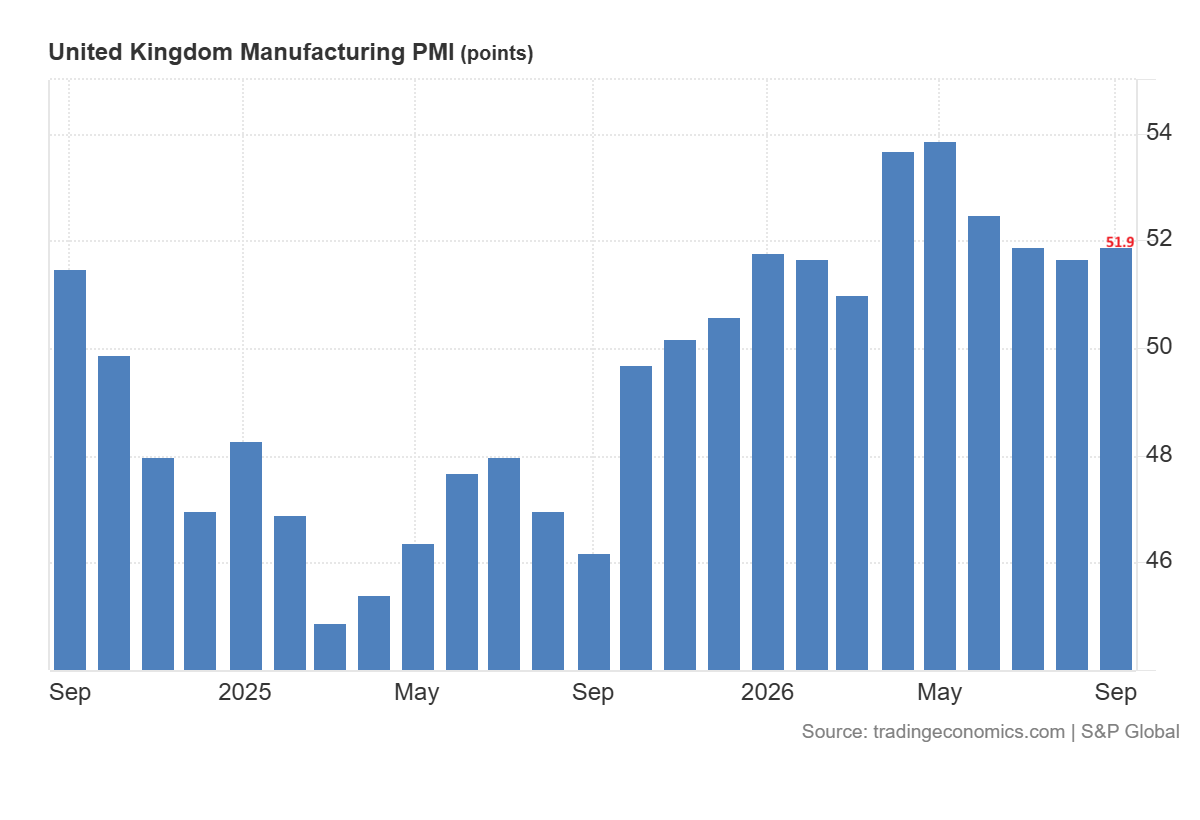
The chart below shows that the final September manufacturing PMI also rose to 51.9 from 51.7 in August as the higher costs put pressure on prices. But the BOE business survey showed expected wage growth unchanged at 3.4% while expected own-price growth eased to 3.7% from 3.8%.
The bank rate remains 3.75% and gives the UK a 2.50% policy advantage over Japan.
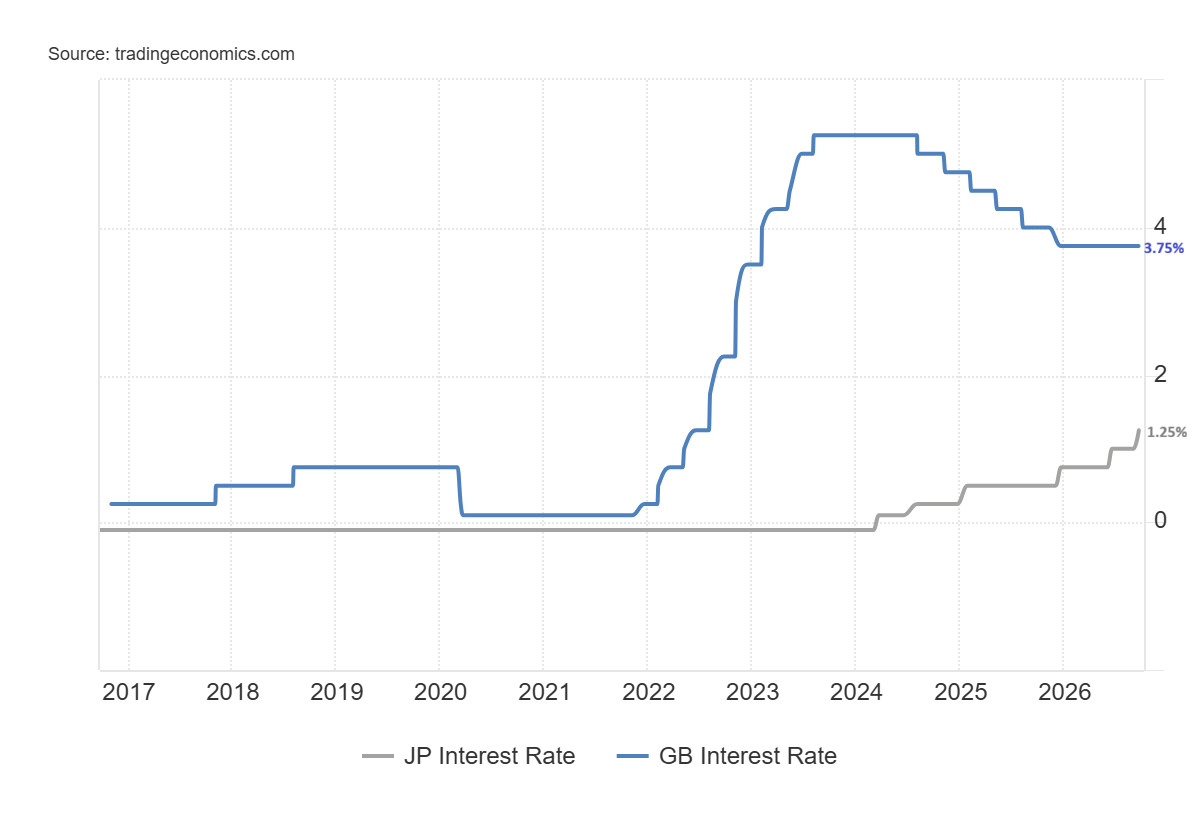
In my view, GBP/JPY will remain positive if the expectations of the UK rates rise relative to the interest rates for Japan. An increase to 4.00% would widen the policy gap if the BOJ pauses.
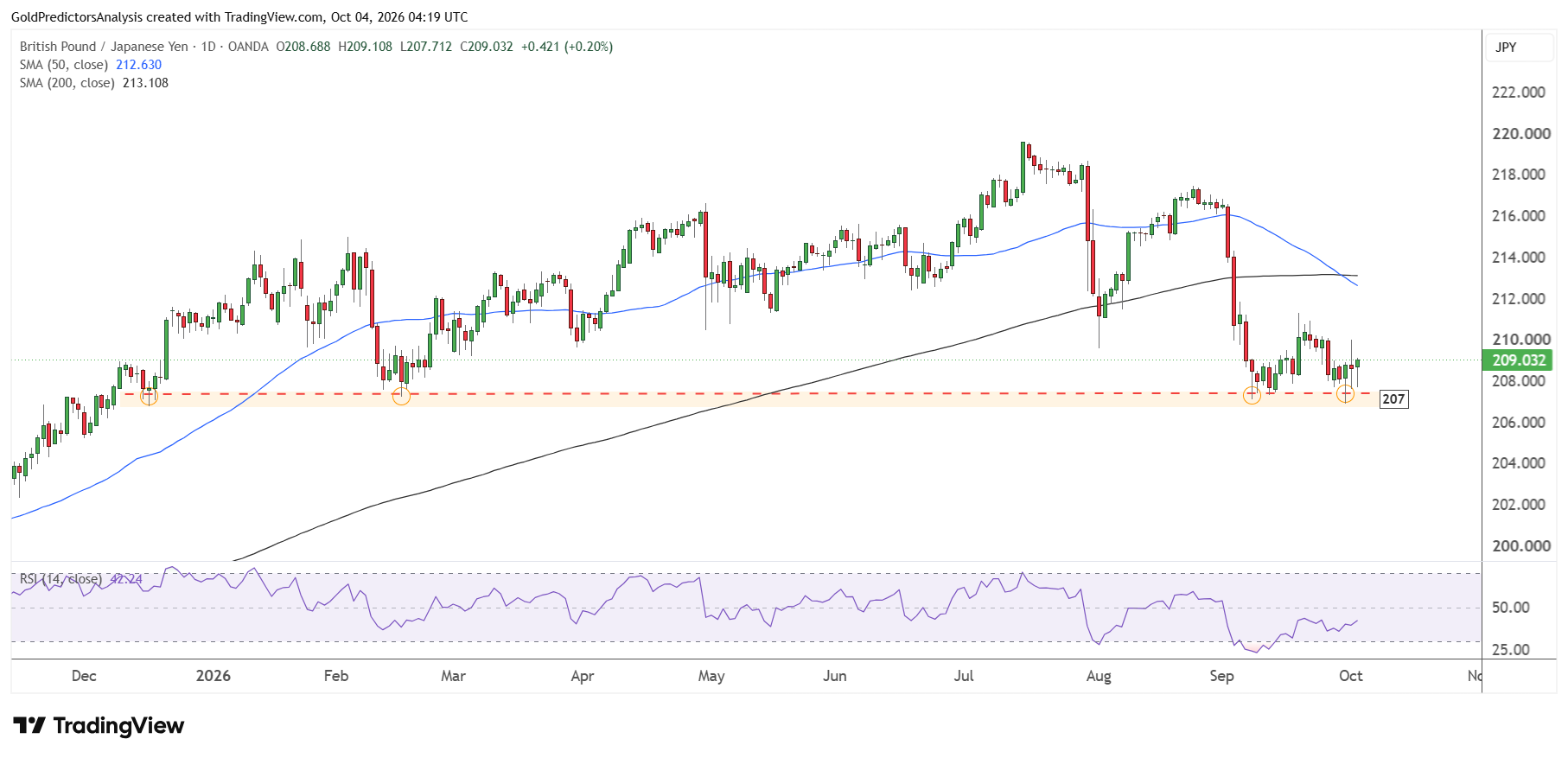
GBP/JPY also remains above the short-term support of 207. The pair has been consolidating above this support in September and has now formed a positive bullish candle above this support.
A failure at 207 will likely offer a strong drop towards the 200 level. But a recovery above the 200-day SMA at the 213 level will indicate further upside towards the 217 level.
Bottom Line
Interest rates remain central to the outlook for the yen. The strong Tokyo inflation keeps another hike by the BOJ in view but mixed business conditions support a pause in October. The weak US hiring also gives the Fed more room to wait. A Fed pause could ease pressure on the yen if US yields fall. But a narrower yield gap would give the recovery in yen stronger support.
The yen pairs retain a positive technical outlook above key support levels. USD/JPY needs a break above 159 to open the way towards 160-162. EUR/JPY could move towards 187 if it stays above 174.50. GBP/JPY needs to defend 207 and reclaim 213 to strengthen the recovery. These bullish scenarios would weaken if support levels fail or the rate hike expectations for the BOJ narrow the rate disadvantage for Japan.
Read more: 35,000 in View in Nasdaq as Weak Jobs Ease Fed Hike Bets