Markets Are Moving in Lockstep — And That’s the Real Story
Everything’s trading together right now. Stocks, metals, crypto — all reacting to the same forces even though their fundamentals are completely different.
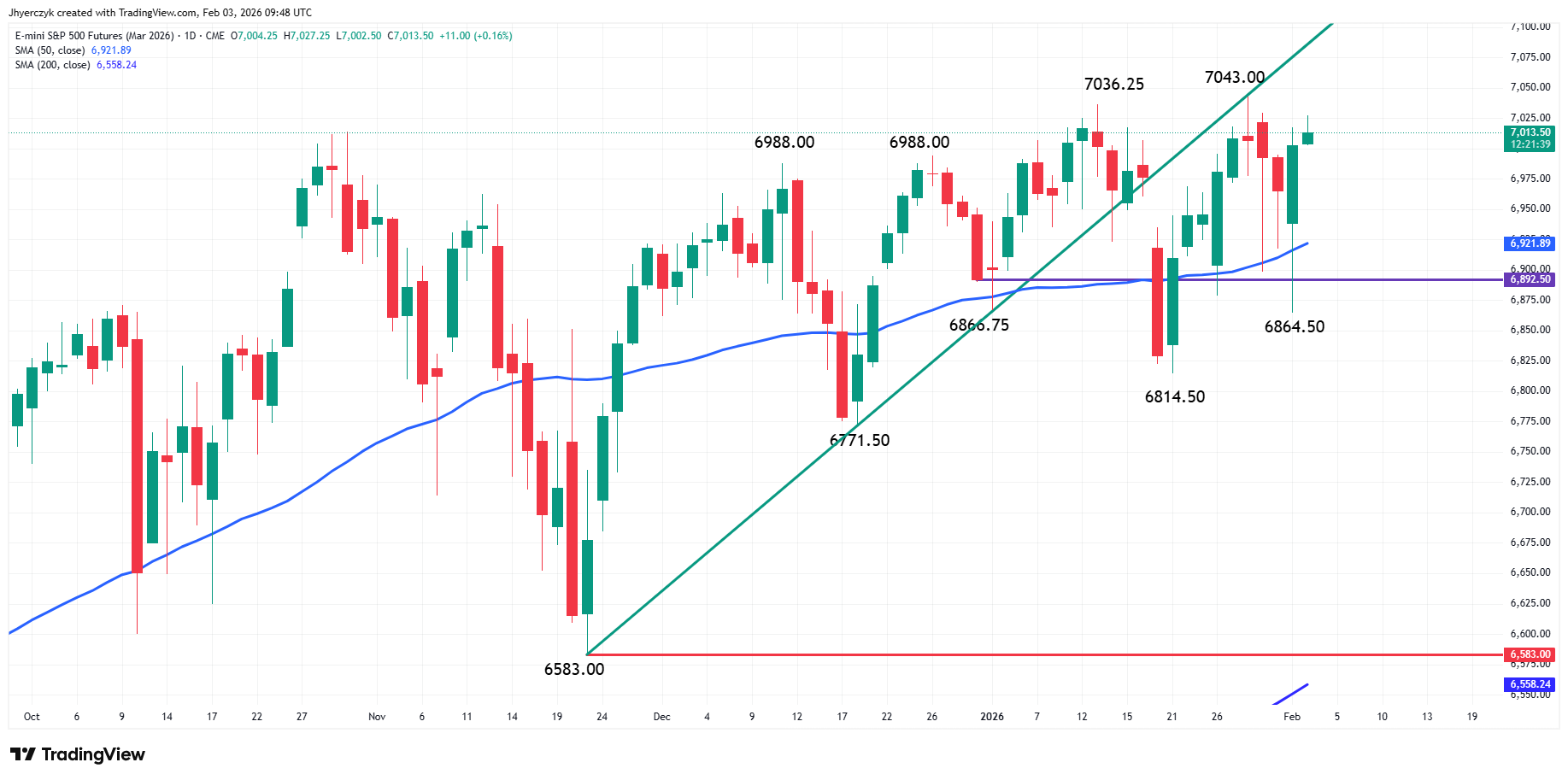
Stock futures drifted higher Monday night. S&P 500 futures up 0.2%, Nasdaq 100 futures nearly 0.4%, Dow futures barely moved. Nothing dramatic. Just momentum carrying forward from yesterday.
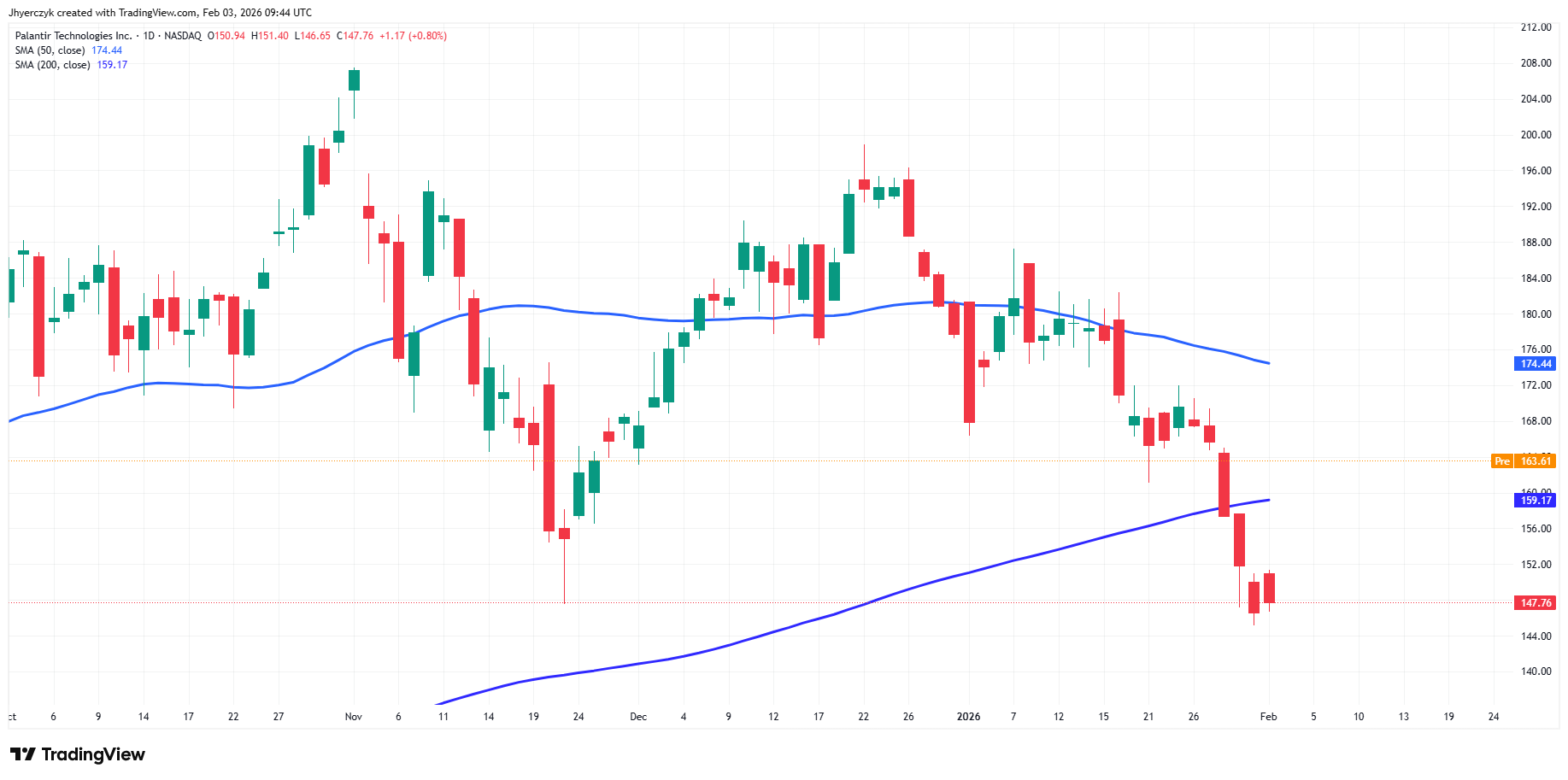
After hours, a few names performed well. Palantir jumped 6% on solid Q4 numbers. Teradyne surged 20% after crushing revenue expectations.
During the regular session on Monday, the Dow climbed over 500 points, S&P 500 added 0.5%, Nasdaq gained 0.6%.
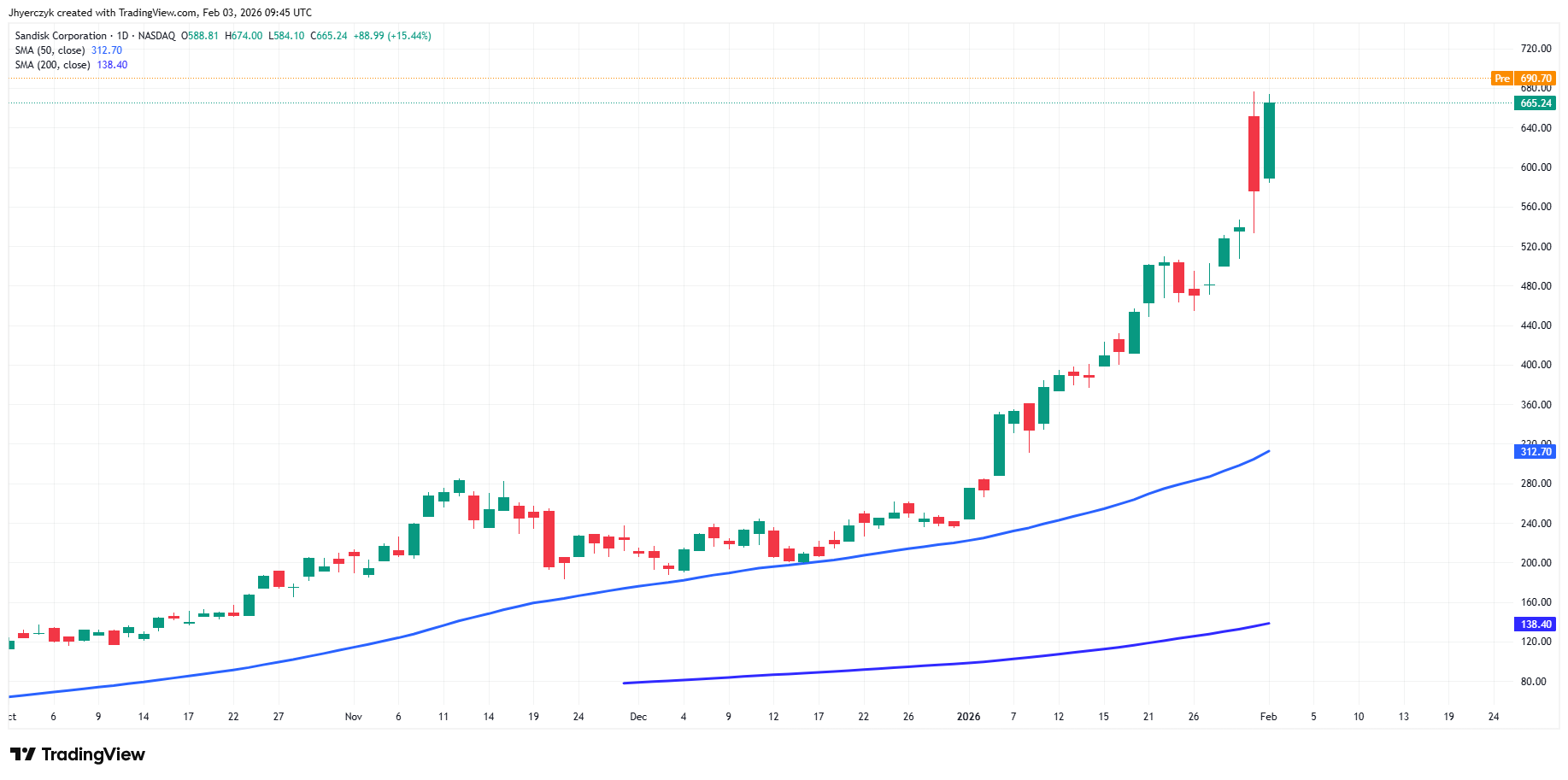
AI infrastructure plays — SanDisk, Western Digital, Seagate — all finished higher. Nvidia was the outlier, down nearly 3% on reports its OpenAI investment stalled. This could actually be a good sign because it could be showing that investors are moving away from chip leadership to infrastructure leadership.

Why Everything’s Connected
Traders are reacting to the same forces across all markets: earnings, rate expectations, risk appetite. Different asset classes, same underlying themes.
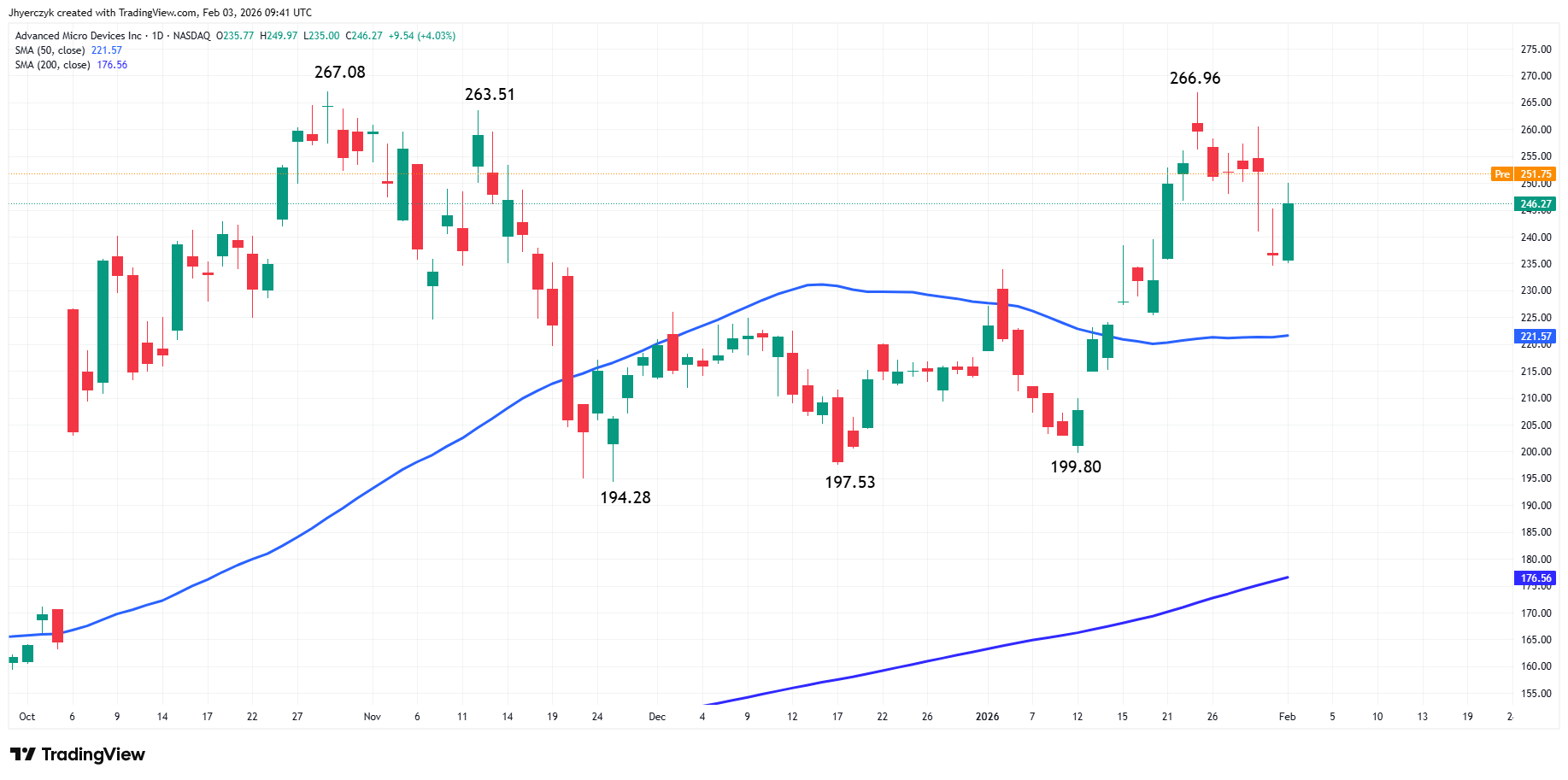
Over 100 S&P 500 companies report this week. AMD and Pfizer go Tuesday. Amazon and Alphabet later. Investors are looking for proof that AI is driving real profits — not just hype. Microsoft got crushed last week despite beating numbers, so the bar’s elevated. Investors aren’t too interested in past performance, but when and where they are going to make money in the future.
Strategist Dan Greenhaus framed it well: the market’s core supports remain intact. No Fed tightening, solid economy, stable tariff picture, AI momentum. February might get choppy, but those drivers haven’t disappeared.
Bitcoin Price Forecast
Every new Bitcoin analysis as it publishes, today's technical signal and key levels, live price — on one page.
See all Bitcoin forecastsMetals Crashed Hard — Then Recovered Just as Fast
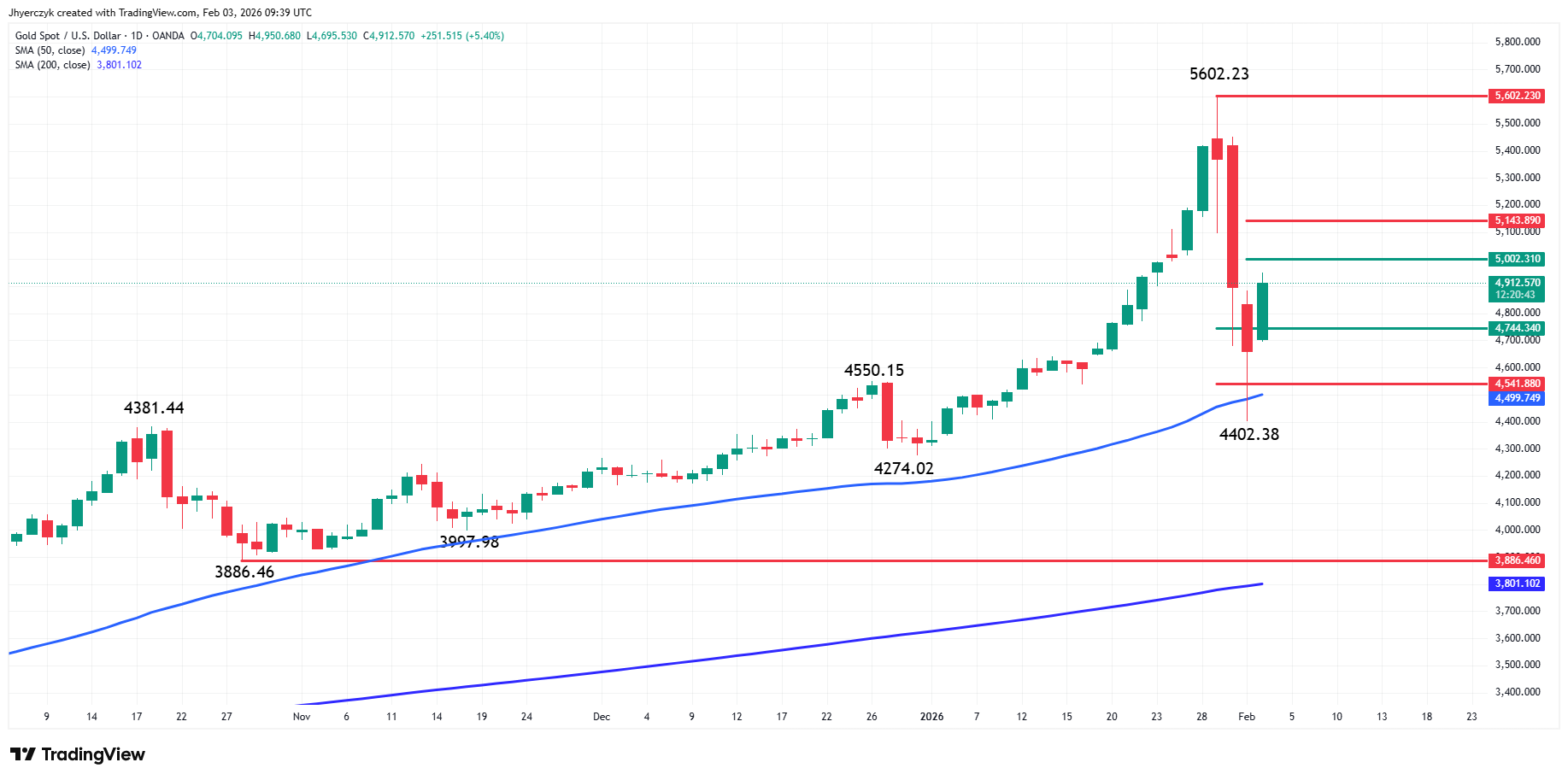
Gold plunged nearly 10% Friday — one of its worst days in decades — then bounced 4% Tuesday. Silver crashed 30% Friday, its biggest drop since 1980, then recovered 7.8%.
Deutsche Bank and Barclays said the selloff was about positioning, not fundamentals. Dollar strength, speculation around Kevin Warsh at the Fed, weekend profit-taking — it all hit simultaneously. But the reasons investors hold gold haven’t changed. Policy uncertainty, geopolitical risk, central bank buying — all still present.
Silver’s smaller market and retail-heavy participation made the swings more extreme. Plus, silver has real industrial demand. A recent study shows demand hitting 54,000 tonnes by 2030 while supply maxes out at 34,000 tonnes. That supply gap didn’t vanish. Overleveraged traders just got flushed out.
Bitcoin’s Pullback Reflects Cautious Sentiment
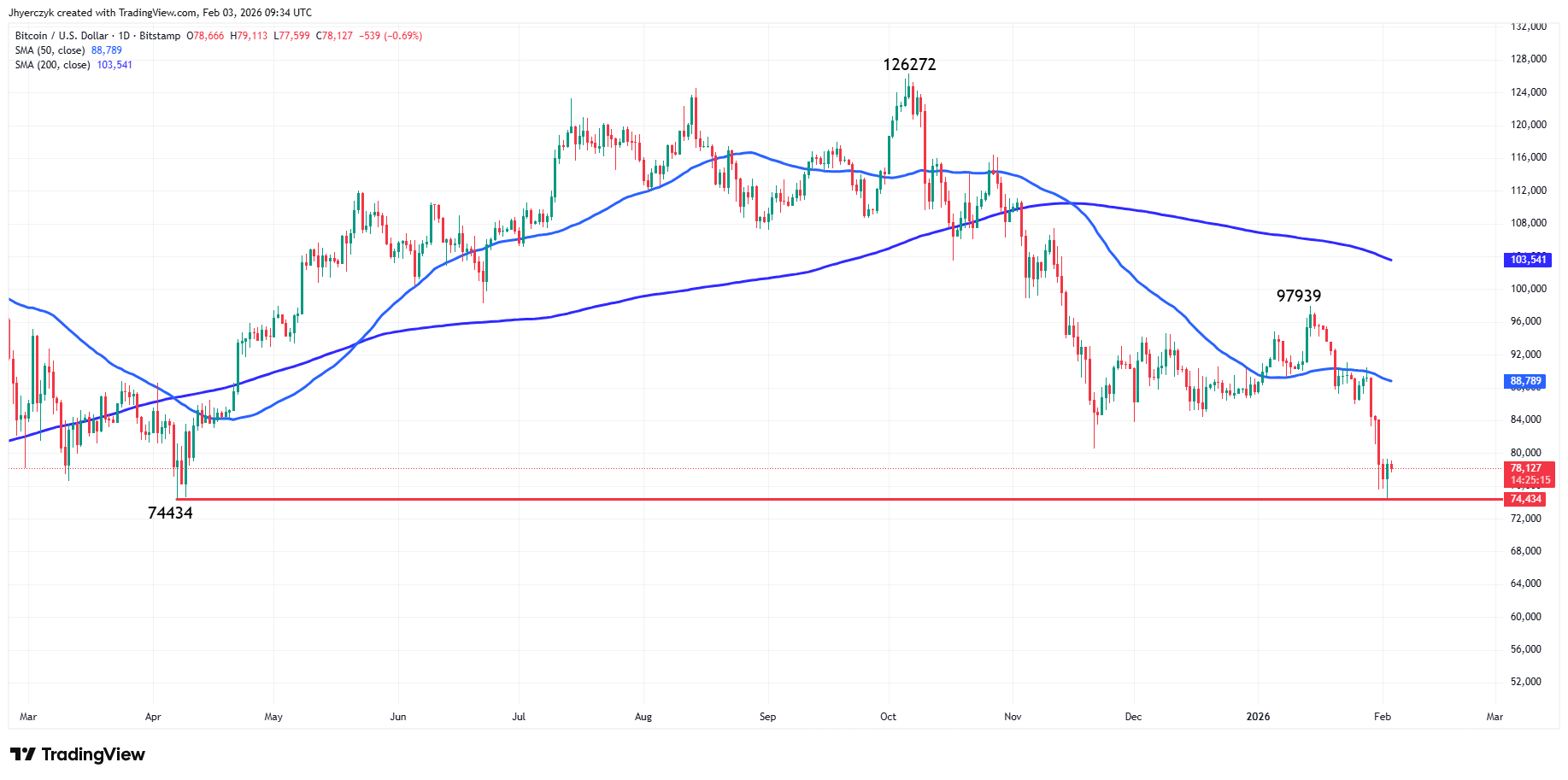
Bitcoin hit its lowest level since April with no major catalyst driving the price action. I see it as a market that’s turned more cautious on risk. Crypto remains the cleanest read on trader sentiment, in my opinion. Strong conviction drives it higher. Hesitation shows up as selling pressure. Will the crypto market re-emerge as a key indicator of investor enthusiasm or is it just part of the broader investment deck reshuffling?
What I’m Watching
Big tech earnings, AI commentary, rate signals, crypto support levels, metals stabilization. Across the board, investors still believe the bullish narrative — they’re just verifying it holds before pushing further. I expect to see slow and steady gains moving forward after the irrational exuberance we saw in precious metals.
More Information in our Economic Calendar.