International markets are facing competing pressures Thursday, with renewed inflation concerns and a retreat from technology shares. Investors have bought government bonds while reducing exposure to equities, with the dollar weakening despite the uncertain Federal Reserve outlook.
Reuters is reporting that South Korean stocks fell almost 8% and the Nikkei lost 5%, with gold gaining around 1% during London trading. This suggests that demand for protection is outweighing enthusiasm for growth-sensitive assets.

Today’s PPI Report Reinforced the Inflation Problem
The BLS said September final demand PPI increased 1.3% from August, seasonally adjusted, its largest monthly advance since March 2022. Prices were 6.3% higher than a year earlier. Energy is still prominent. Final demand energy prices jumped 10.8%, while services increased 0.8%. Even excluding food, energy, and trade services, prices rose 0.5% monthly and 5% annually.
CPI Report
These figures followed Wednesday’s consumer price index release, which showed September CPI rising 0.6% monthly and 3.7% annually. Gasoline increased 9.1% and accounted for more than half of the monthly headline increase. Core CPI, excluding food and energy, advanced 0.3% monthly and 2.6% annually.
These are distinct measures of inflation at different stages of the economy. As PPI increases do not pass mechanically into consumer prices, however, they present policymakers with evidence of renewed price pressure rather than a clean disinflation story, perhaps putting a little bit of pressure on the Fed.
Bond Yields
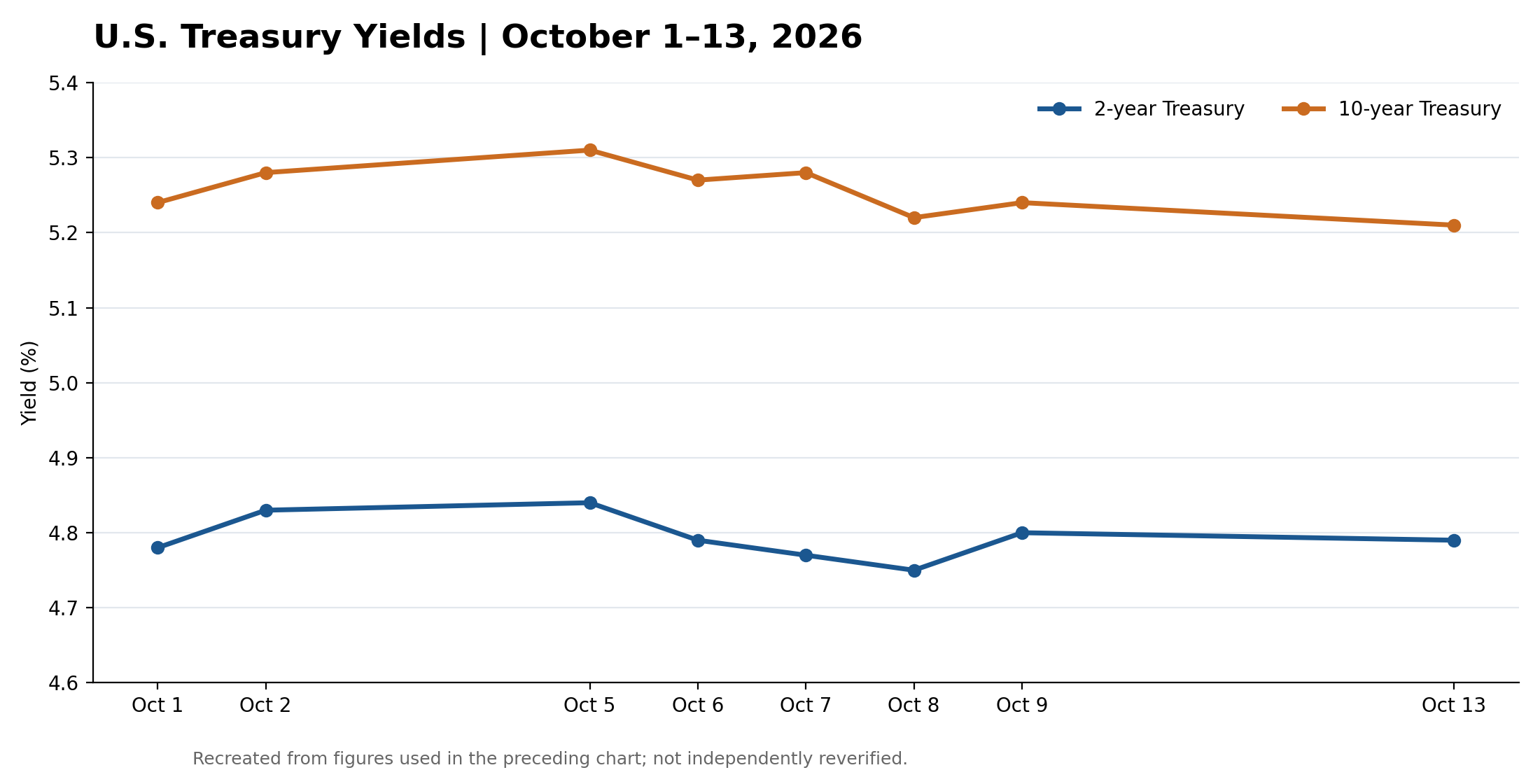
Bond markets nevertheless offered some relief. In early European trading, the Treasury yield was sitting at about 5.8%, and the 30-year yield was at about 5.43%, with Germany’s 10-year Bund at 3.382%. These are a little bit surprising considering that inflation numbers in the United States were all higher than anticipated, but it also suggests that traders are starting to lose a little bit of confidence in other assets as they buy paper.
AUD/USD Price Forecast
Every new AUD/USD analysis as it publishes, today's technical signal and key levels, live price — on one page.
See all AUD/USD forecasts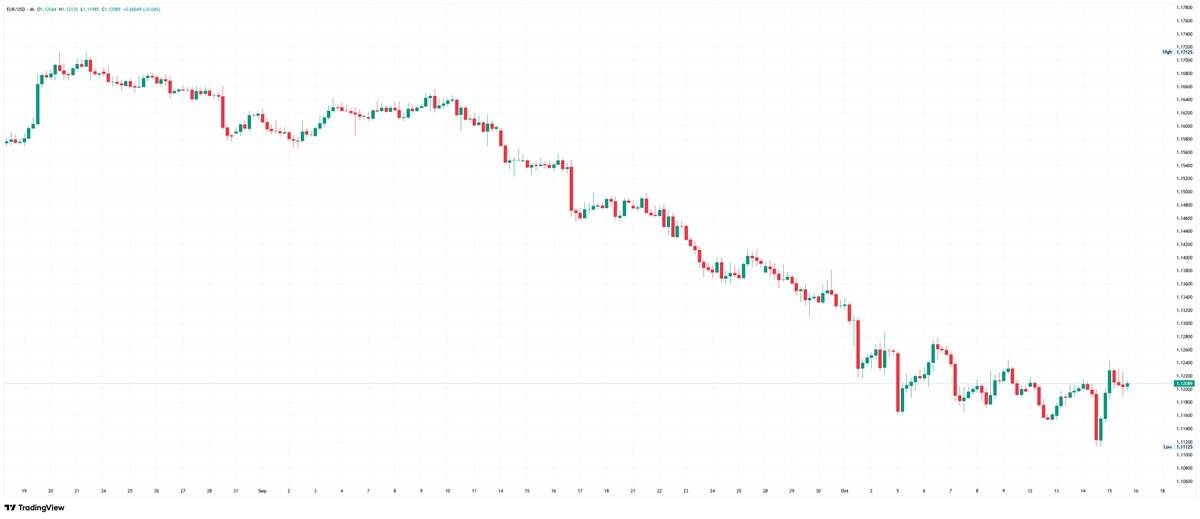
Currency trading reflected tension. The U.S. dollar index is down a little bit, with the euro up about 0.5% and sterling up about the same. These currency pairs are swimming against the tide, though, as the Federal Reserve is likely to have to fight inflation. I believe this is more or less going to be thought of as an oversold bounce more than anything else.
Australian Dollar and Aussie Employment
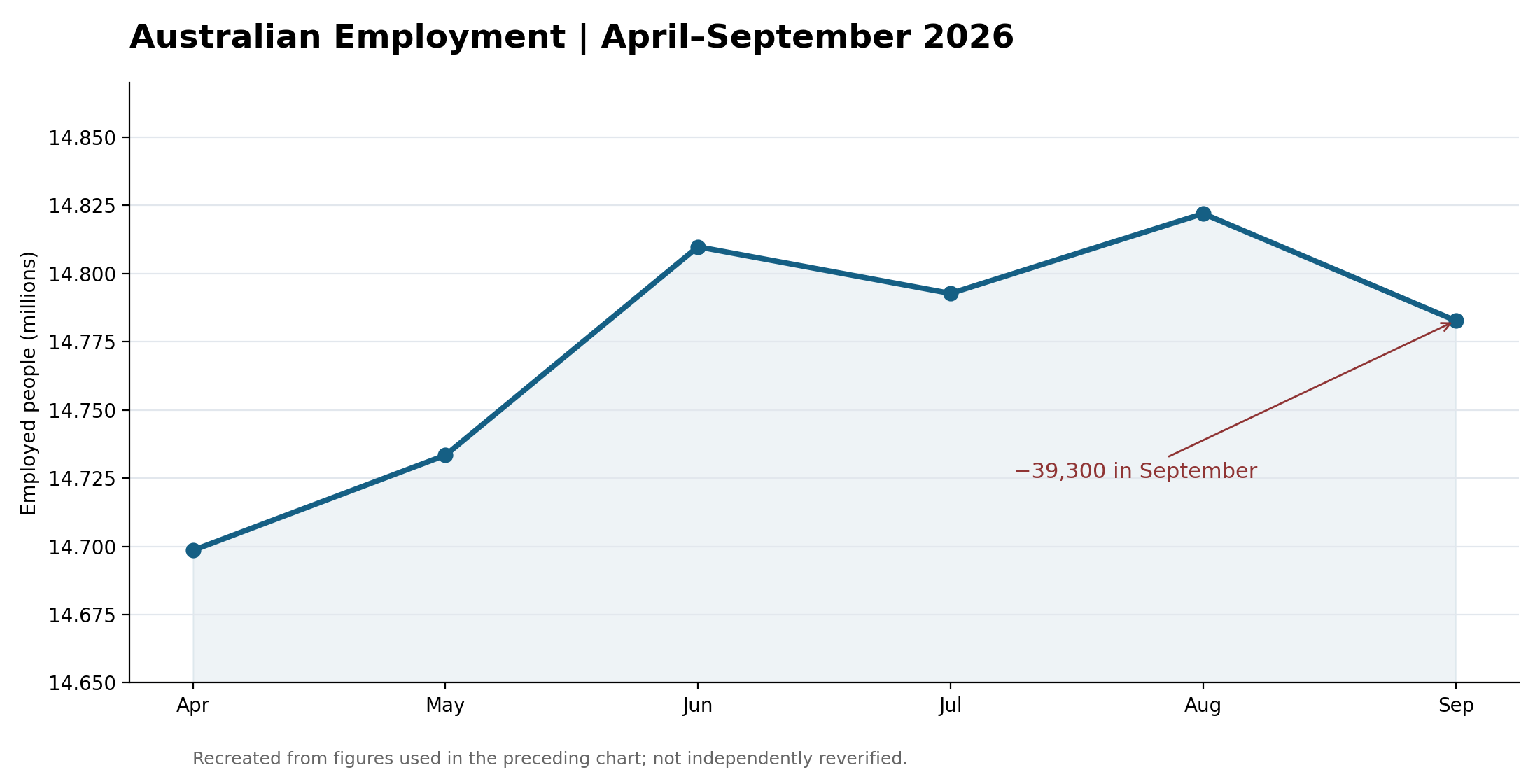
The Australian dollar did fall rather significantly as employment figures that came out of Australia overnight were a huge miss, losing 39,300 jobs instead of the expected gain of 19,600. This has caused chaos in the Australian dollar.
Britain’s growth figures provide another contrast. The Office for National Statistics reported that real GDP increased 0.1% in August and 0.7% over the 3 months to August. Monthly production has risen 0.8%, while services were flat and construction contracted 0.2%. This is a bit of a mixed picture in the United Kingdom, and therefore domestic activity is still to be monitored.
Energy
Energy remains a link between all of these markets. Brent is down early in the session, losing 2%. A restrained retreat could ease inflation pressure and help energy importers, but one session does not erase the increases already recorded in September’s price data.
The next scheduled Fed meeting is October 27 and 28. Until then, the central issue is whether defensive bond buying persists or renewed inflation concerns restore upward pressure on yields.