



Gold (XAU) is doing better than Bitcoin (BTC) as traders brace for upcoming U.S. CPI release and respond to new geopolitical threats. The gold price shows strength near the $4,400 level while the Bitcoin price slipped to $63,500 and consolidates inside the summer range. This divergence pushed the gold to Bitcoin ratio to 0.069 in August. The move shows that investors currently prefer the defensive qualities of gold but the inflation report could quickly change the balance.

US CPI Could Drive Gold and Bitcoin Prices
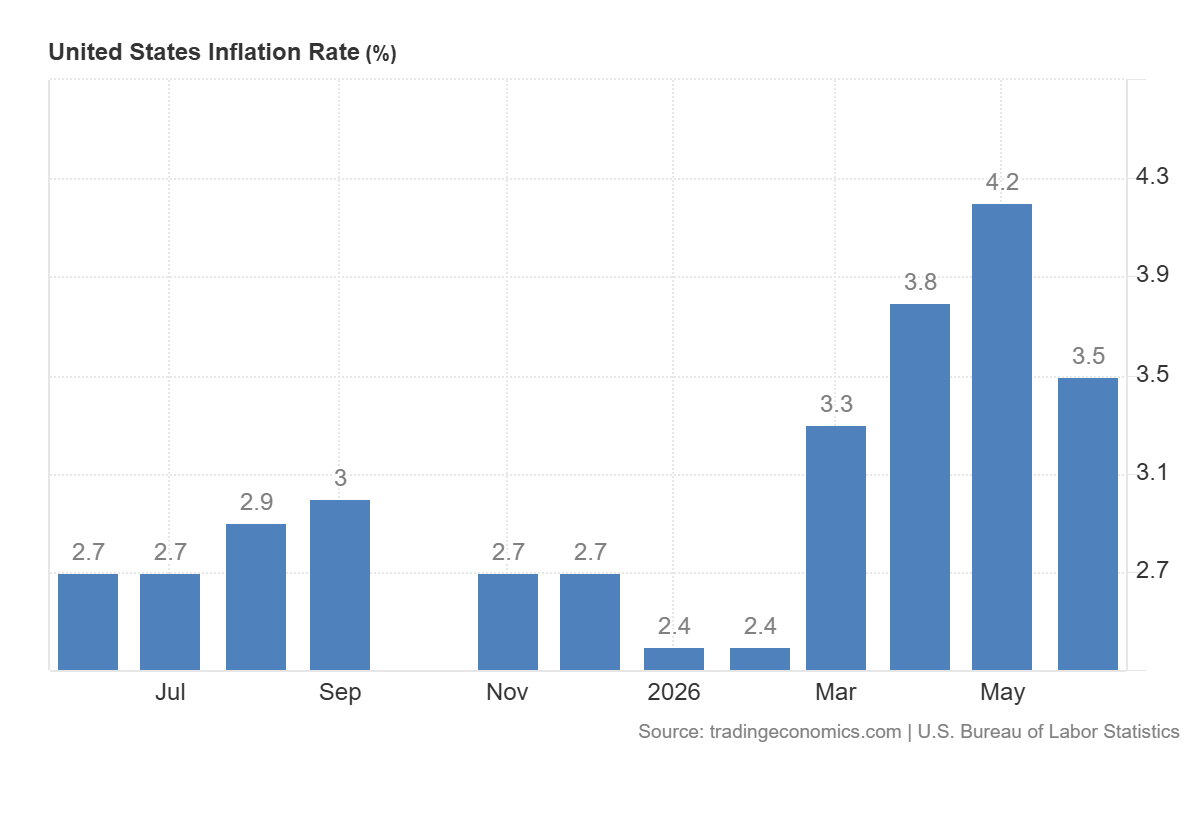
The upcoming US CPI data is the big catalyst for both markets. The annual inflation rate is expected to ease to 3.4% year on year in July from 3.5% in June. The consumer prices are also expected to increase 0.1% following 0.4% decrease in June. A softer report may reduce the expectations for September Fed rate hike. This result would be good for gold and Bitcoin. But a strong inflation report may push the U.S. dollar and bond yields higher and put pressure on precious metals.
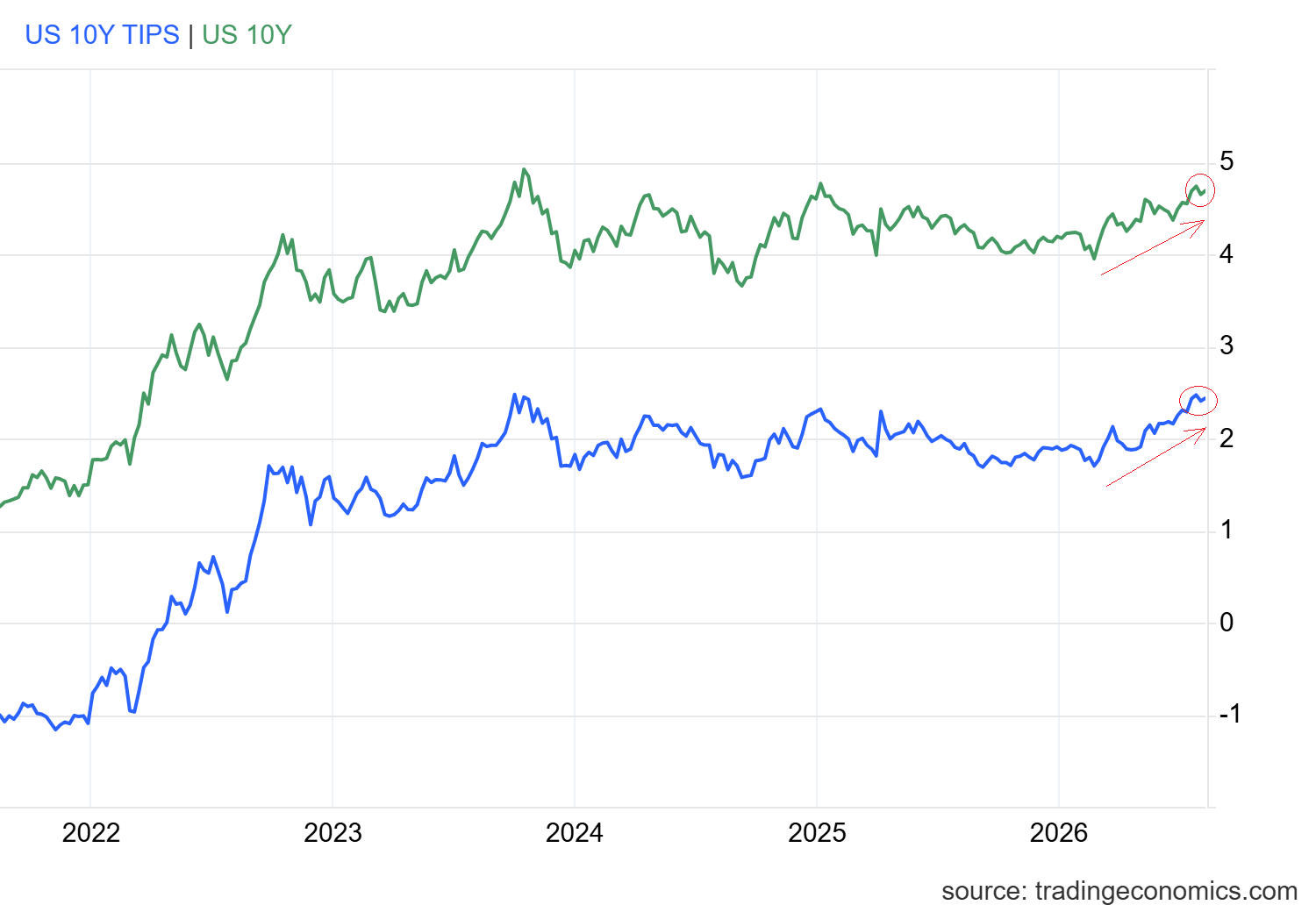
US Treasury yields continue to be the significant challenge. The 10-year yield currently trades around 4.69% on Wednesday and the 10-year real yield remains at 2.43%. The higher real yields decrease the available liquidity for riskier kinds of assets like Bitcoin. The US dollar index trades near 99.9 before the CPI report. A drop in yields and the dollar would improve the outlook for both markets.
The geopolitical risks are making gold look better. Defensive assets remain in demand on Wednesday following fresh attacks on shipping in the Middle East and a North Korean missile launch. Meanwhile, the gold price gained strength while bitcoin was virtually unchanged. The additional uncertainty comes from the rising price of oil. The price of Bitcoin may face challenges in near term if these risks reduce demand for speculative assets.
Gold Price Forecast
Every new Gold analysis as it publishes, today's technical signal and key levels, live price — on one page.
See all Gold forecastsBitcoin Price Forecast as ETF Demand Meets Selling Near $66,000
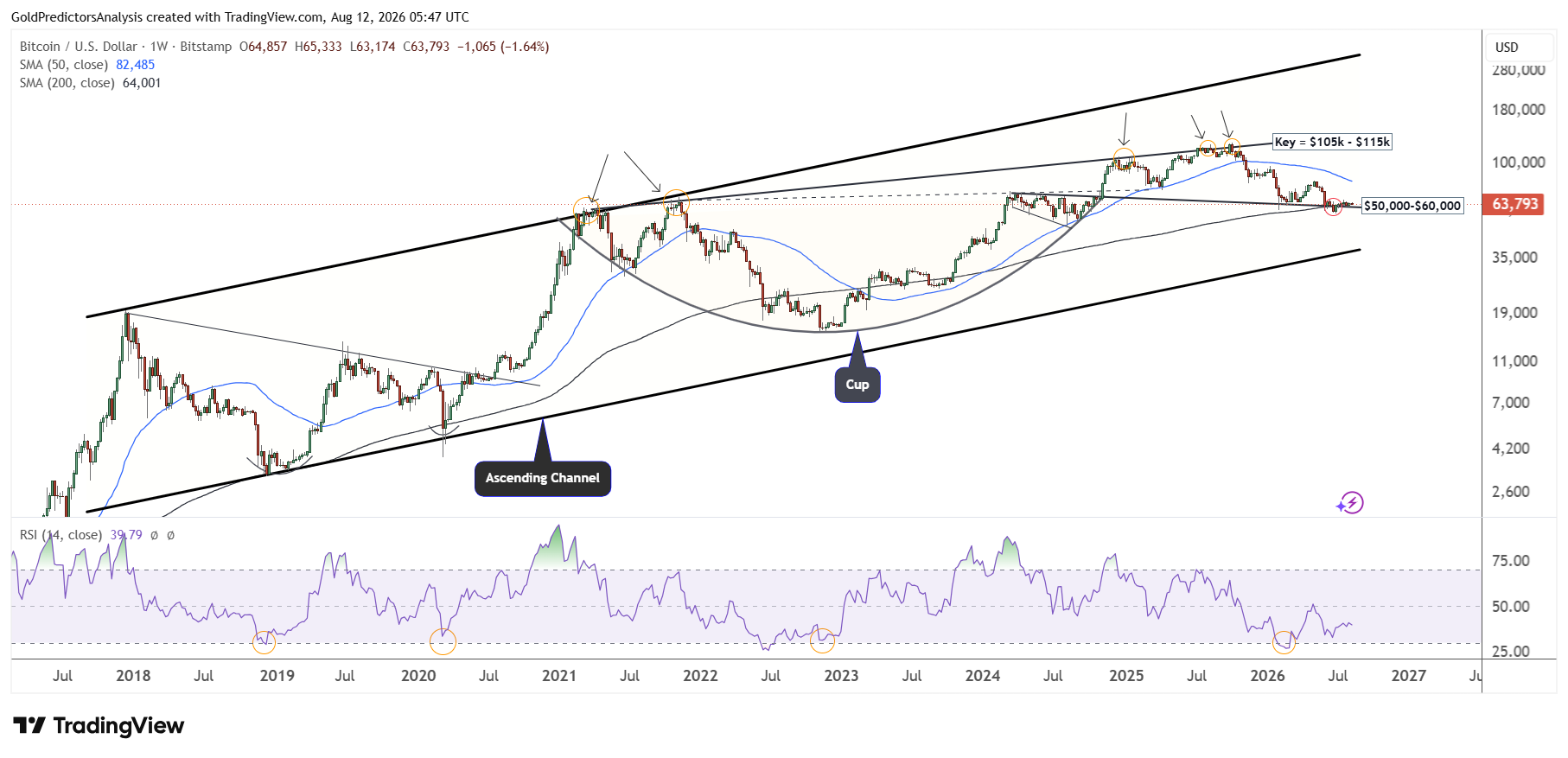
Bitcoin dropped to approximately $63,500 on Tuesday and continued to trade in the $62,000 to $66,000 range for the past few weeks. The price has increased by approximately 2% in the past week despite consistent demand by US spot Bitcoin ETFs. The response suggests that so far there has been no sufficient momentum to trigger stronger recovery from the fresh buying.
The recent ETF demand has met selling from the miners and corporate holders. This supply has absorbed much of institutional buying. The trading volume and implied volatility have also decreased to multi-year lows. When the activity is low, Bitcoin is likely to stay in tight range but it can also be a sign of sharp move once a strong catalyst comes.
There is also regulatory uncertainty. The US Senate pushed plans to further act on the Digital Asset Market Clarity Act into September. The delay took a bit of spring out of the crypto market. The clarity about the timing of broader federal framework for digital assets has been reduced.
The next major Bitcoin catalyst could be the US CPI report. The softer inflation data may weaken the US dollar and reduce the expectations of Fed rate hikes in September. That environment may be able to boost the liquidity and help the Bitcoin price. But if the inflation data is strong, yields would be at risk and selling would resume. But the price of Bitcoin still needs to see more demand in the spot market as ETF inflows have not been enough to drive the breakout.
From a technical perspective, Bitcoin price has been consolidating just above the significant support of $50,000 to $60,000 zone as seen in the chart below. A break below $50,000 will push the price to the long-term support of $35,000-$40,000, where long-term investors may consider accumulation. A break above $67,000 is required to push the price to $75,000.
Gold to Bitcoin Ratio Breakout Puts 0.11 in Focus
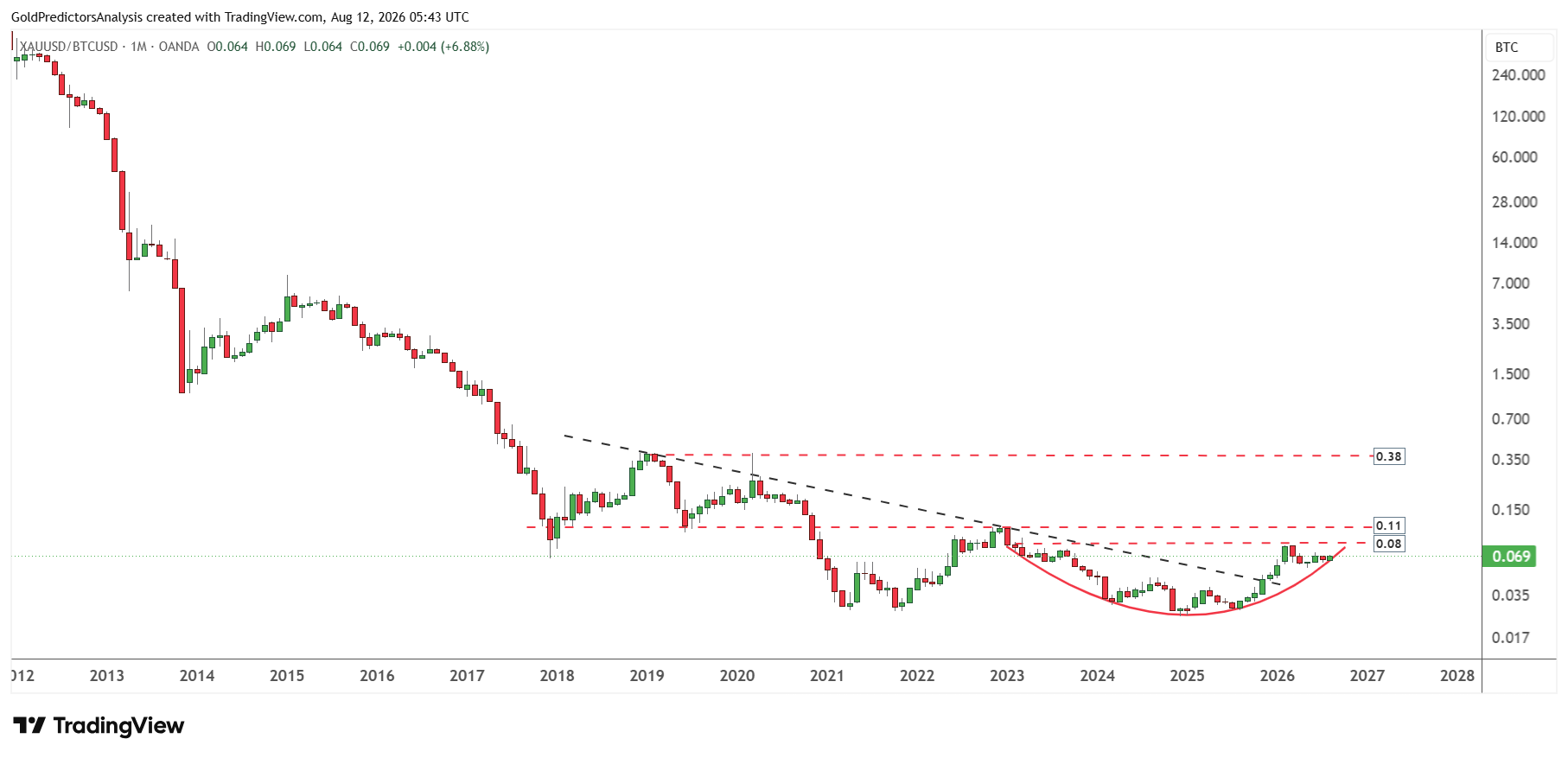
The gold to Bitcoin ratio increased to 0.069 in August and increased by approximately 7.2% sofar in the current month. The higher ratio means that the gold is outperforming Bitcoin.
The chart below shows that the ratio has been in a broad downtrend since 2012. The ratio has formed a low in December 2024 and continues to rally higher. The breakout from the descending trend line indicates that the ratio is attempting to turn higher after forming a base pattern from 2021 to 2025. The base pattern suggests that the ratio must break above 0.11 to confirm the breakout and open the door for a strong move higher.
The major long term resistance in the ratio is at 0.38. As long as the ratio stays below 0.08, Bitcoin will have a long term relative advantage. The next phase will probably be tied to the interest rate expectations as well as demand for safe haven assets. From the technical perspective, a break above 0.11 will indicate a positive shift in the gold momentum, while the Bitcoin price may consolidate further before the next move higher.
Gold Maintains Its Lead Over Bitcoin
Gold currently has the advantage over Bitcoin as geopolitical risks increase demand for safe haven assets. But the US CPI report may change the outlook for both markets. The softer inflation may support gold and Bitcoin while stronger inflation may lift the US dollar and bond yields. Bitcoin remains under pressure despite ETF demand and may consolidate further. On the other hand, the gold to Bitcoin ratio is improving but it must break above 0.11 to confirm a major shift in favour of gold.
Read more: Gold Rallies Above $4,100 as BTC Stays Below $65K


