Producer Prices Climb in January, Signaling Persistent Inflation Risks
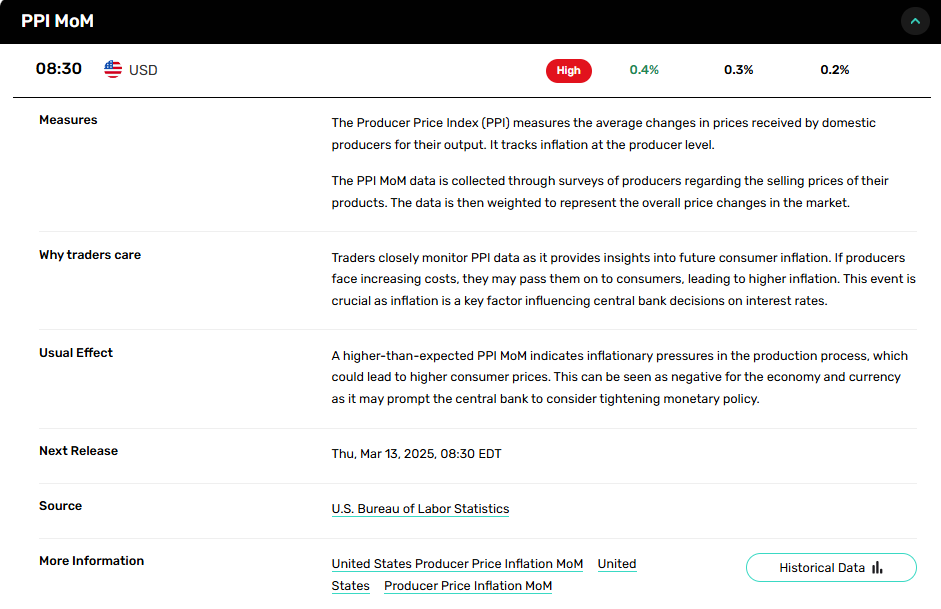
The U.S. Producer Price Index (PPI) rose 0.4% in January, following a 0.5% increase in December, according to the latest data from the Bureau of Labor Statistics. On a year-over-year basis, producer prices advanced 3.5%, reflecting ongoing inflationary pressures in both goods and services. The rise in input costs could influence corporate margins and potentially impact Federal Reserve policy decisions in the coming months.

Goods Prices Lead the Increase, Driven by Energy and Food
Final demand goods prices surged 0.6% in January, with energy costs up 1.7% and food prices climbing 1.1%. Diesel fuel prices soared 10.4%, significantly contributing to the inflationary pressure on goods. Beef, veal, and chicken eggs also posted sharp increases. However, fresh and dry vegetable prices plummeted 22.3%, providing some relief in the food sector.
Core goods, which exclude volatile food and energy prices, edged up 0.1%, indicating that broader inflationary trends remain contained outside of key commodities. The consistent rise in energy prices, however, raises concerns about potential pass-through effects on transportation and logistics costs.
Service Sector Inflation Persists, Led by Accommodation and Retail
The services component of the PPI advanced 0.3%, marking the sixth consecutive monthly increase. A substantial 5.7% spike in traveler accommodation services contributed significantly to the rise, alongside higher retail margins for automobiles, food, and apparel. Transportation and warehousing services saw a 0.6% increase, while trade services posted a modest 0.1% gain.
On the downside, margins for fuel and lubricant retailing dropped 9.8%, and prices for securities brokerage and physician care declined, signaling sector-specific price adjustments despite the broader uptrend in service inflation.
Intermediate Demand Suggests Ongoing Cost Pressures
Prices for processed goods for intermediate demand rose 1.0%, the largest monthly increase in nearly a year, fueled by a 3.5% surge in processed energy goods. Unprocessed goods saw an even steeper 5.5% jump, driven by a 14.8% rise in crude petroleum prices. These cost increases at the production level could translate into further price hikes in consumer goods in the months ahead.
Meanwhile, intermediate services costs fell 0.2%, as business loan rates and investment-related services declined, slightly offsetting inflationary pressures in raw materials and processing costs.
Market Outlook: Inflation Risks Could Stall Fed Rate Cuts
The persistent increase in producer prices underscores the challenges in achieving sustained inflation moderation. The rise in energy and food prices, coupled with ongoing service sector inflation, suggests that cost pressures remain embedded in the economy. If producer prices continue to trend higher, expectations for Federal Reserve rate cuts may be delayed, potentially keeping borrowing costs elevated for businesses and consumers. Traders should closely monitor upcoming inflation data and Fed commentary for further signals on policy direction.
More Information in our Economic Calendar.