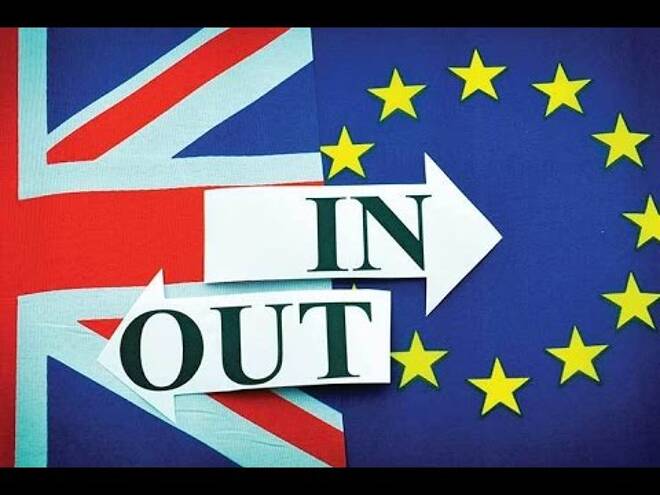
The latest opinion polls in the UK referendum on membership of the European Union (EU) have shown a reverse in recent trends, as most respondents said they wish to stay in the EU.
An ORB poll conducted last night for the Daily Telegraph newspaper, revealed that 53 per cent wished to stay in the EU, as opposed to 46 per cent who voiced that wanted to leave, the same poll a week ago handed the Leave campaign a one point lead.
A YouGov poll for the Sunday Times, placed the Remain support up by 5 points to 44 per cent. While those backing to wrestle the UK away from Brussels was down by three points to 43 per cent.
The pound has reacted by soaring against the dollar, as is now buying $1.47 this morning GMT, as high on the greenback as the pound has been since the third week in May, and has appreciated to a higher value on the dollar compared to what the pound has been for most of this year.

The Pros and Cons of Brexit
There are now just 48 hours to go before the British electorate decides whether to remain in the European Union (EU), or elect to go it alone outside of the EU, the campaign and opinions for both camps have been feisty and occasionally invective.
The pros and cons of leaving the EU are numerous, but here is a review of the main economic arguments facing those who will vote in the referendum, areas which are certain to effect the value of the UK pound in the short to medium term future, and possibly beyond.
Economy and Trade
Free trade in the EU allows British businesses access to 500 million consumers across all of the 28 member states of the EU, with no tariffs, currently more that 50% of the UK’s exports being traded in the bloc.
Trade relations with major global powers are also in place with the EU, and negotiations with the United States over the Transatlantic Trade and Investment Partnership is currently ongoing, in theory creating more access to influential markets.
Conversely, those who wish to leave the EU say that the UK would benefit from the freedom to design free trade deals independently, without having to adhere to what they see as restrictive practices from the EU.
Leading Leave campaigner Boris Johnson alluded to the deal that Canada agreed with the EU, which has eliminated 98% of tariffs, it has yet to be ratified yet by both parties, critics have pointed out the seven years it has taken to reach this point.
According to think tank Open Europe in case of a Brexit, by 2030 the best case scenario is that the level go GDP in the UK increases by 1.6% if free trade agreements are put into place, and the worst case scenario is that the economy declines by 2.2%, if the UK fails to strike a trade deal with the rest of the EU, or reverts to a more protectionist system.
Fitch ratings in a recent paper, have expressed their concern about the level of willingness and flexibility that the rest of the EU would have towards the UK in terms of trade, in the event of a UK walkout.
Currency
If the UK decides to vote out of the EU, the level of upheaval provoked by ‘Brexit’ would be certain to lead the pound into a fall in value, that would be good news for exporters, but would result in a huge leap in prices for imports.
Although professor Brian Sturgess the Managing Editor of World Economics who once advised the European Commission, has said that the euro area is on the verge of collapse.
He described the strains within the single currency area as “crippling”, and opined that while the euro is undervalued in Germany by eight per cent, ands is overvalued in France by a significant 13 per cent.
Inflation and Interest Rates
If sterling was to plummet as is widely expected, then consumer price inflation could rocket upwards, Citibank predicted earlier this year that inflation could jump up by as much as 4%.
A huge rise in inflation would have the capacity to trigger rises in interest rates, at a time when the UK and world economy is in a precarious position, leaving mortgage payments higher, and a hike in borrowing costs for businesses.