U.S. Producer Prices Stall in February, Softening Inflation Pressures
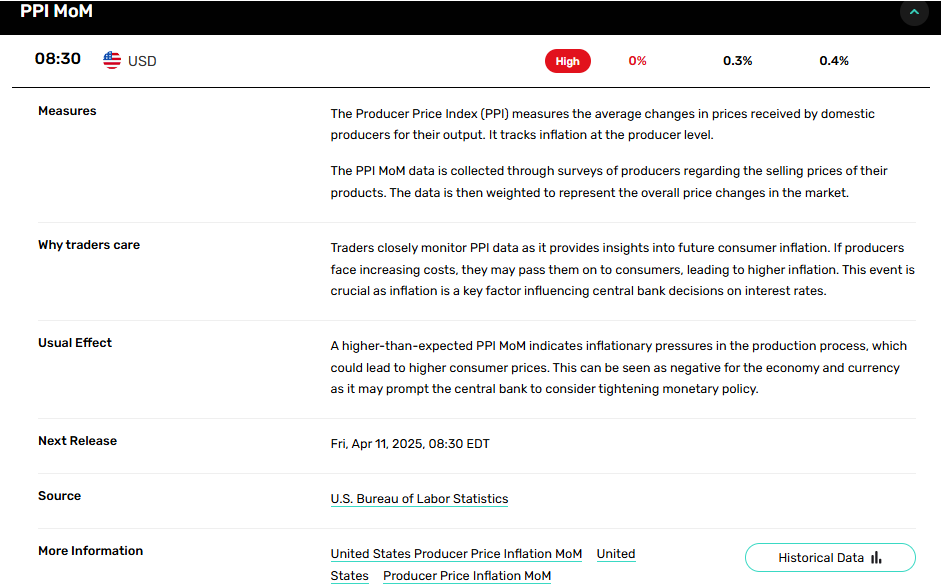
The U.S. Producer Price Index (PPI) for final demand was flat in February, signaling a potential easing in inflationary pressures, according to the Bureau of Labor Statistics (BLS). This follows increases of 0.6% in January and 0.5% in December. On a year-over-year basis, producer prices advanced 3.2%, slightly lower than the previous 3.7% increase.
Goods Prices Rise, Services Weaken
The stability in February’s PPI was driven by offsetting movements in goods and services. Prices for final demand goods rose 0.3%, marking a fifth consecutive monthly increase, while final demand services fell 0.2%, the largest drop since July 2024.
Final demand food prices surged 1.7%, led by a 53.6% spike in egg prices. Other commodities, including pork, vegetables, and tobacco products, also saw higher costs. However, energy prices fell 1.2%, with gasoline prices dropping 4.7%. Excluding food and energy, final demand goods rose 0.4%.
On the services side, wholesale and retail margins declined 1.0%, pulling the index lower. Machinery and vehicle wholesaling saw a notable 1.4% drop, alongside lower retail margins in food, apparel, and automobile sales. In contrast, prices for hospital outpatient and inpatient care increased.
Intermediate Demand Trends Show Mixed Inflation Signals
Prices for processed goods for intermediate demand rose 0.5% in February, while unprocessed goods jumped 1.3%, largely due to a 5.1% increase in foodstuffs and feedstuffs. However, unprocessed energy materials declined 3.1%, led by a 2.4% drop in crude petroleum.
Services for intermediate demand continued their downward trend, falling 0.2% for the second consecutive month. This decline was attributed to lower prices for business loans, advertising, and real estate rents, though warehousing costs edged higher.
Market Outlook: Slower Inflationary Pressures Could Support Fed’s Stance
The stagnant PPI in February suggests a potential softening of inflationary pressures, which could support expectations for a Federal Reserve rate cut later in the year. While goods prices remain firm, the decline in service costs could signal weakening demand. Traders will closely watch upcoming inflation data and Fed commentary for further signals on policy direction.