


Global Markets Stabilize as AI Sell-Off and Inflation Concerns Persist
International markets have steadied on Friday as investors weigh the damage from this week’s technology sell-off against persistent inflation pressures. The immediate tension is between expensive borrowing costs and the ability of heavily financed artificial intelligence businesses to generate sufficient returns. European shares have recovered while the dollar headed toward a weekly decline as government bonds regained some appeal.

S&P 500, Nasdaq and Dow Jones Diverge as European Stocks Recover
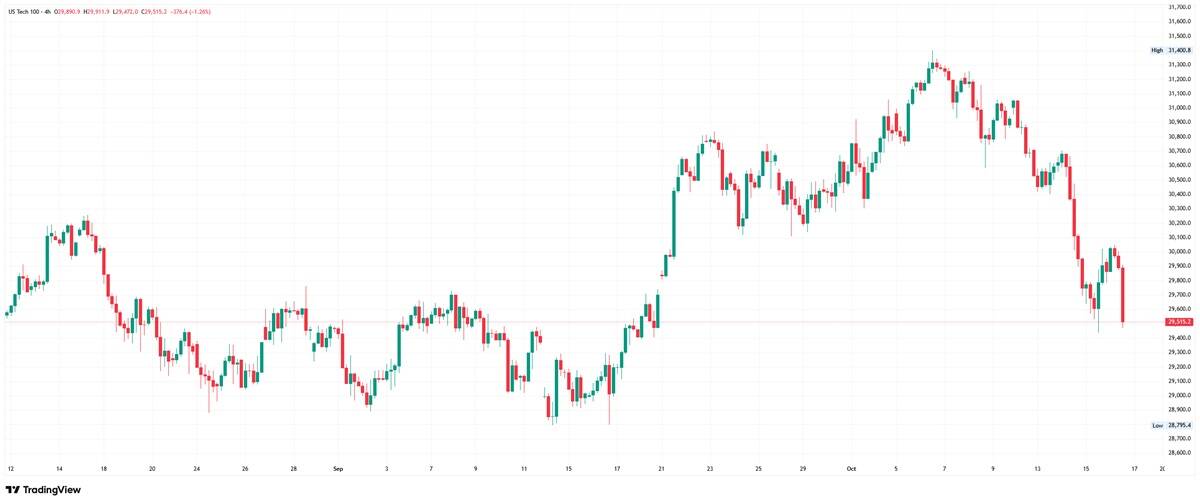
In early Wall Street trading, the S&P 500 is edging higher, but the Nasdaq is falling, while the Dow Jones seems to be the winner of the three. The 10-year Treasury yield is rising slightly, but it is still a far cry from what we had seen earlier in the week. Europe has shown firmer gains as markets are at least trying to find value in some bigger names in Germany and France.
US Inflation Remains Elevated as CPI and PPI Exceed Expectations
Wednesday’s BLS release showed consumer prices rising 0.6% on the month and 3.7% from a year earlier. Core CPI increased 0.3% monthly and 2.6% annually. Thursday’s PPI report reinforced the inflation concern, with final-demand PPI rising 1.3% in September, the largest monthly increase since March 2022, and increasing 6.3% over the year.
US Industrial Production Rises as Manufacturing Growth Lags
Fresh data on Friday has offered a more resilient picture of activity. The Federal Reserve reported September industrial production up 0.7%, following a revised 0.1% August increase. Manufacturing gained 0.3%, while utilities output jumped 3.5%. Capacity utilization reached 76.9%, still 2.5 percentage points below its long-term average. The composition matters. The headline gain was accompanied by a much smaller manufacturing increase.
US Dollar Weakens as Treasury Yields and Currency Markets React
Foreign exchange reflected competing growth and interest-rate risk. The dollar index has fallen again, with the euro rising slightly. The Swiss franc is heading for a weekly gain against the dollar. Treasury yields had fallen earlier in the week, and that is in spite of inflation. Perhaps it is traders running toward safety if they think they can find it.
Brent Oil Price Forecast
Every new Brent Oil analysis as it publishes, today's technical signal and key levels, live price — on one page.
See all Brent Oil forecastsEuro and Swiss Franc Outlook Hinges on Growth and Funding Risks
For currency analysis, the implication is conditional. An investment slowdown concentrated in the U.S. could weaken the dollar through lower expected growth and yields. A broader funding squeeze could produce a different reaction. Meanwhile, France’s fiscal risk remained a concern in Friday’s reporting, limiting the case for interpreting euro strength as anything more than a bounce.
Bond Yields, Oil Prices and Fed Policy Keep Markets on Edge
Bonds face a similar conflict. German 10-year yields are around 3.44%, higher on Friday but lower overall for the week. Brent futures continue to show strength against Middle East supply concerns. The analytical tension is straightforward. Weaker investment can support government bonds, while expensive energy can sustain inflation and constrain central banks.
The next major U.S. policy decision comes at the October 27–28 FOMC meeting. But until then, the key question is going to be whether cooling enthusiasm for AI investment changes the growth outlook enough to counter persistent price pressures. Friday’s stabilization will provide some relief, but the combination of resilient production, costly energy, and financing concerns leaves the international market outlook finely balanced.


