
The euro is currently facing an increase in selling pressure from traders, as the Federal Reserve are meeting today, where a policy statement will be released.
This morning the euro has peaked at buying $1.088 after 6AM GMT, before falling to $1.086 against the greenback.
Although it is unlikely that the Federal Reserve will increase interest rates at their gathering later today. Especially due to the weak inflation figures, where official figures revealed that the consumer price index had fallen by 0.1% for December.
Since the turn of this year, the euro has climbed against the dollar, with precipitating oil prices one of the major factors why, even though NASDAQ say that then price of Brent Crude has now slightly recovered to commanding $31.19 per barrel.
An improvement on prices that have fallen almost irrationally below the $30 per barrel level.
The euro has also appreciated against the UK pound this year so far, although has slightly fallen this morning GMT to buying £0.76 from £0.766 yesterday morning.
Worries are continuing over the pound, due to the ‘Brexit’ from the European Union (EU), with an referendum on the UK’s membership of the EU expected this year.
Conflicting US Economic Data for Euro
Financial services information company Markit have released business activity figures for the beginning of 2016, which show that the United States economy has suffered an inauspicious start for this year.
The flash United States composite PMI Output Index registered 53.7 this month, down slightly from 54.0 in December.
Even though the report highlighted a solid rise in private sector output, the rate of acceleration was the lowest since December 2014.
The manufacturing sector may have risen to 54.0 in January, a month on month increase of 1.5 from December , but the growth rate remained below what was witnessed throughout last year.
This was due to serious headwinds such as weak overseas demand, and the rising dollar.
Markit’s figures also showed that the services sector is also struggling, as it slipped to 53.7 this month, from 54.3 in December, matching the private sector output figures, as the lowest since December 2014.
In contrast, The Conference Board’s consumer confidence index improved in January, even though it was at a moderate pace.
The index for this month stands at 98.1, up from 96.3 that was recorded in December.
Consumers’ optimism about the short term outlook improved in January. The percentage of consumers expecting business conditions to be better over the next six months rose from 14.5% to 16.2% of respondents, while those expecting business conditions to worsen edged down from 10.8 percent to 10.3 percent.
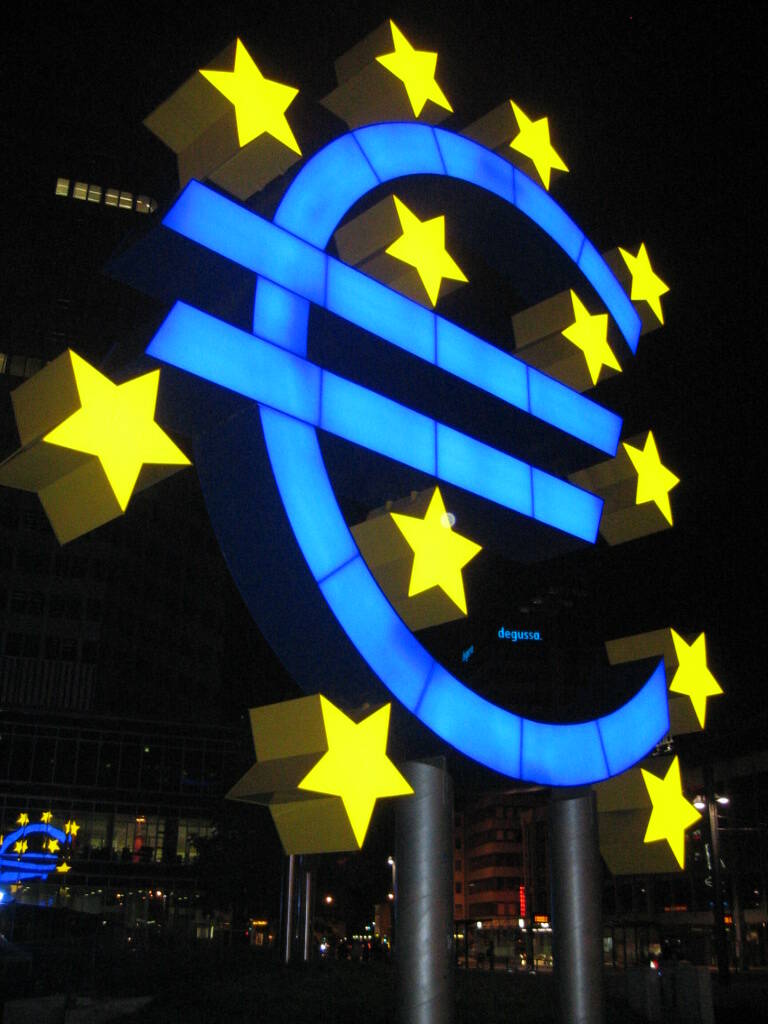
Households Confidence Improves Slightly in France
US Dollar Index Price Forecast
Every new US Dollar Index analysis as it publishes, today's technical signal and key levels, live price — on one page.
See all US Dollar Index forecastsAccording to the latest figures from the National Statistics and Economic Studies in France, there is a slight increase in confidence from households over the state of the economy.
For this month, opinions on personal finances were stable month on month. Although more of those questioned said that it was a suitable time to make major purchases, and was the most positive response to that question since September last year.

Households view of their saving capacity fell slightly for January so far, with fewer respondents believing that it was a suitable time to save.