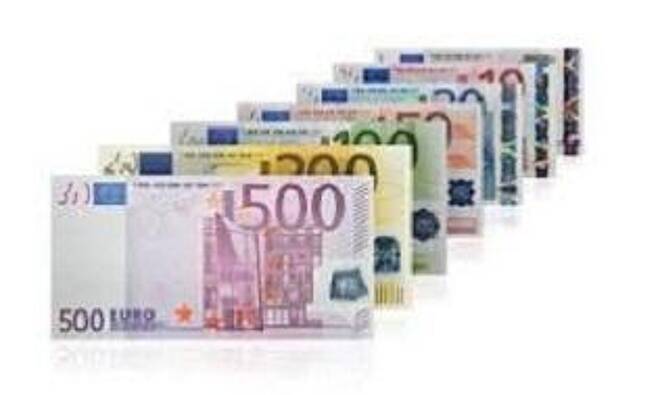
The euro has fallen against the US dollar over the past 24 hours, losing some of the gains it has made versus the greenback since the beginning of the year.
After reaching just below buying $1.094 in the early hours of yesterday morning, the euro fell to around $1.085, and is currently buying $1.087.
The euro is likely face more downward pressure against the US dollar, especially after the announcement by the US Department of Labor, that 292,000 more jobs were created in December.
Even though the department said that wages are only growing modestly, they are still rising.
Coupled with increasing spending power as the jobs total rises, there may be pressure for another rate rise, even though the Federal Reserve said last year that interest rates would only increase slowly and gradually.
The China situation remains a concern for the euro, even though the Shanghai Composite rose by 0.20% at the close today, trading is still thought to be choppy.
At 3.026, the mainland stock market is still at the lowest point it has been at for a year. As foreign investment is very low in the mainland stock market, the Shanghai Composite is thought to reveal a lot about the true state of the Chinese economy.
As China is the euro area’s second largest export market, this could have a negative effect on the euro.
The euro has fallen to buying RMB 7.14 this morning GMT, in the early hours of yesterday morning GMT, the euro had climbed to buying just over RMB 7.22.
Although the euro has performed better against the yuan since the turn of this year.
Industrial Production Decreases in the UK for November
The UK’s total production output has decreased by 0.7% month on month, between October and November last year, according to official figures.
All of the main sectors of the economy suffered a fall in productivity, with manufacturing, mining & quarrying and electricity and gas, contributing the most to the decrease.
Manufacturing output was also reduced in November by 0.4% from the previous month. This pharmaceutical industry was the biggest culprit, as this sector declined by 4.9%.
There was more positive news when November was compared to the three previous months, total production and manufacturing output increased by 0.2% and 0.5% respectively.
Compared to the first quarter of 2008, before the financial crash, the figures were more damning as production is still down by a huge 9.l%, with the manufacturing sector following with a 6.1% fall.
The pound has fallen against the US Dollar over the past 24 hours GMT, and is currently buying $1.44, from a peak of $1.46 in the early part of yesterday afternoon GMT.
Since the Federal Reserve announced the 0.25% rate rise on December 16 last year, the pound has gradually declined from buying around $1.49 against the dollar.
The euro has also gained on the pound since the beginning of this year, the pound is now buying EUR 1.33, falling from over EUR 1.36 in the first week in January.
Business Insolvencies in Germany Down by 6.1%

Official federal figures revealed that business insolvencies in Germany for October last year, were down by a year on year 6.1%.

The last year on year increase in bankruptcies was recorded in July, with a rise of 3.6%. Since November 2012, in only four months has the data shown insolvency increases.