



Are Record-Highs in U.S. Stocks Here to Stay?
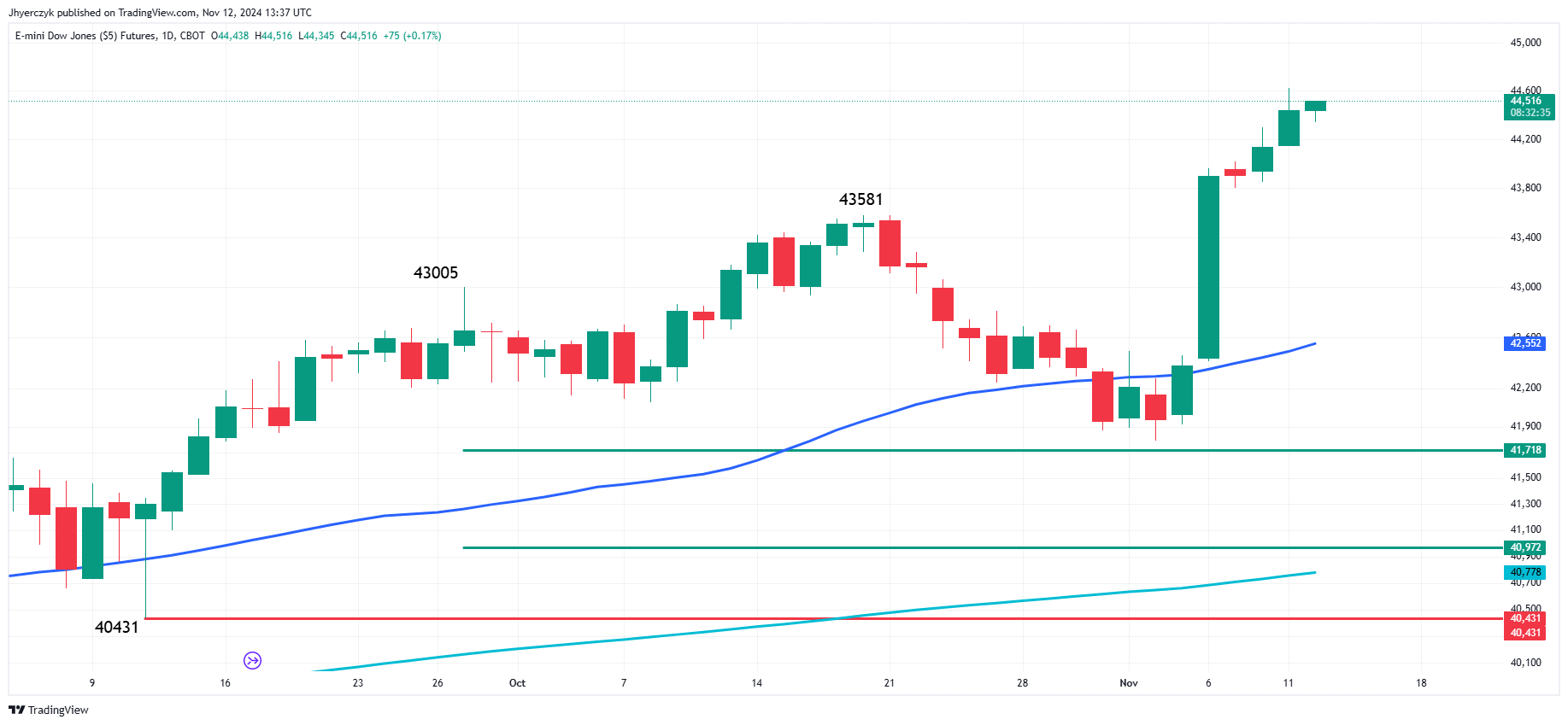
U.S. stock futures traded slightly lower on Tuesday as Wall Street reassessed sector opportunities following recent record-breaking highs. Futures on the S&P 500 and Nasdaq-100 were down 0.08% and 0.03%, respectively and Dow futures gained 76 points, or 0.1% at 13:38 GMT.
Monday’s gains marked historic milestones, with the Dow closing above 44,000 and the S&P 500 surpassing 6,000 for the first time—highlights of a rally driven by optimism over anticipated policy shifts under President-elect Donald Trump.

Which Sectors Are Gaining Investor Interest?
U.S. indexes are showing strong momentum across multiple sectors. The Nasdaq Composite reached an all-time high for the fourth consecutive session, fueled by robust tech performance. Meanwhile, the small-cap Russell 2000 climbed 1.5%, reflecting confidence in domestically focused firms likely to benefit from Trump’s pro-U.S. policy stance.
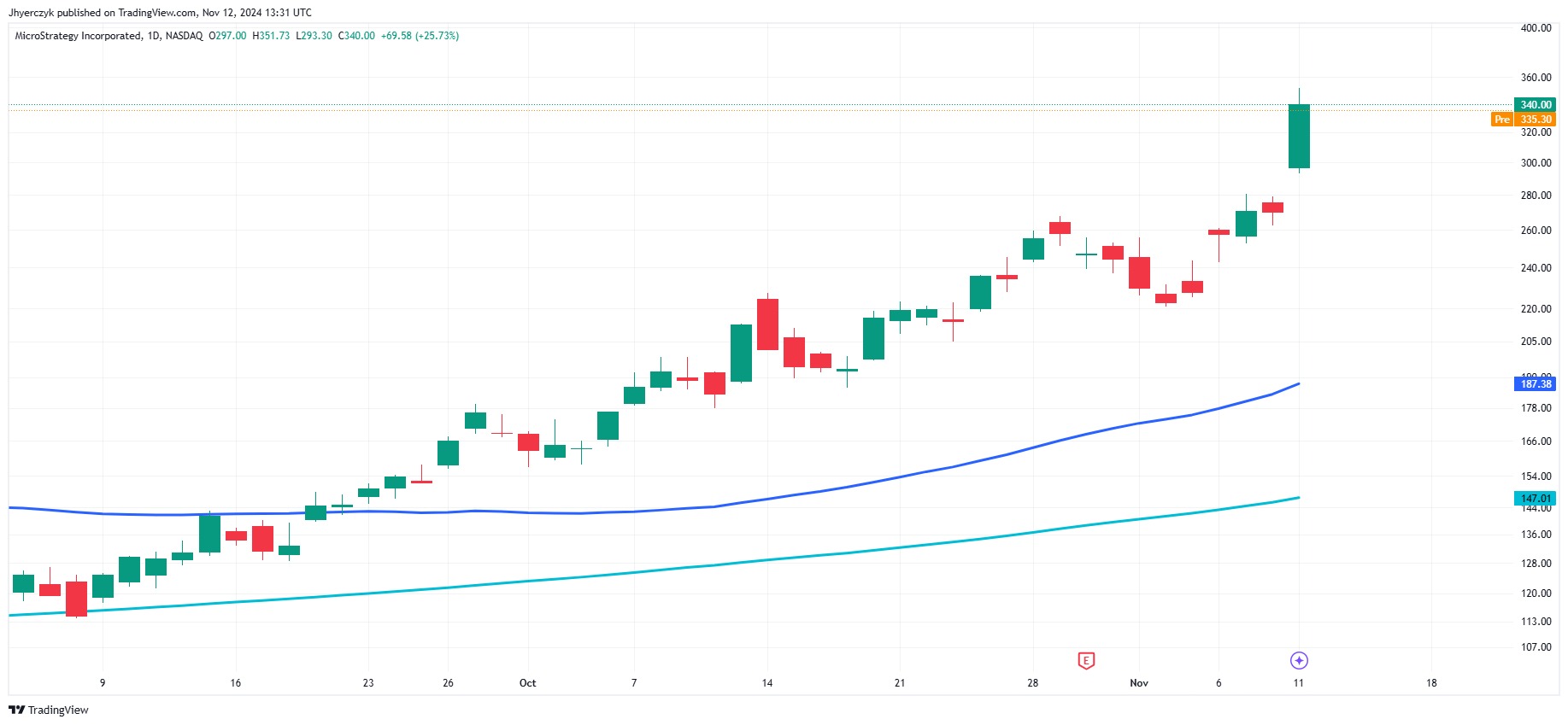
Cryptocurrency stocks saw mixed performance after Bitcoin hit a record above $89,000 on Monday; Coinbase and Robinhood dipped over 1%, while MicroStrategy rose by 2% on its substantial Bitcoin holdings.
What’s Moving in Pre-Market Trading?
Several companies are attracting attention before the market opens. Shopify surged 14% on strong quarterly results, reporting $283 million in operating income—up from $122 million last year—and revenues above estimates at $2.16 billion.
Home Depot gained 1.7% after beating earnings estimates and raising its annual outlook, driven by a 6% year-over-year sales increase. Live Nation Entertainment climbed 5% following a positive earnings report, while Twilio advanced 1.7% on a Wells Fargo upgrade, citing its potential to benefit from growth in AI and communications technology markets.
Dow Jones Price Forecast
Every new Dow Jones analysis as it publishes, today's technical signal and key levels, live price — on one page.
See all Dow Jones forecastsWill Economic Data Affect Market Sentiment?
Investors are now focused on Tuesday’s small business sentiment data and commentary from Federal Reserve officials, including Fed Governor Christopher Waller and Minneapolis Fed President Neel Kashkari. Key inflation data this week—Consumer Price Index (CPI) and Producer Price Index (PPI)—are also in the spotlight. Given the importance of inflation, the Fed’s recent rate cut decision could be under further scrutiny if economic data suggests ongoing price pressures.
Could Tariffs Influence the Fed’s Rate Cut Plans?
Former Cleveland Fed President Loretta Mester indicated that Trump’s proposed tariffs might lead to fewer rate cuts next year than previously anticipated. Markets initially expected four cuts, but Trump’s plans to impose tariffs of 10-20% on imports and potentially higher rates on Chinese goods introduce inflationary risks that may limit the Fed’s flexibility. Projections currently suggest a Fed funds rate around 3% by late 2025, but any inflation increases could prompt policy adjustments.
What’s the Short-Term Market Outlook?
Investors remain cautiously optimistic as the potential for fiscal stimulus supports market momentum, though inflation concerns persist. With upcoming CPI and PPI reports, any significant inflationary surprise may push traders toward a more defensive stance.
JPMorgan analysts note that a “hot” CPI reading may not immediately curb risk appetite, but persistent inflation above 3.5% could drive investors toward caution, especially if the Fed signals policy shifts. For now, the outlook remains bullish, though inflation data could be pivotal in sustaining this momentum.


