The Federal Reserve enters the September meeting with mixed economic signals. Softer CPI and PPI, weak job growth and falling retail sales support another pause in interest rates. However, the PCE inflation remains above the Fed’s target and consumer inflation expectations have increased. This uncertainty keeps the possibility of rate hike at the end of the year and leaves the U.S. dollar waiting for clear direction.

U.S. Inflation Data Supports a September Fed Rate Hold
Cooling CPI and PPI Reduce Fed Rate Hike Pressure
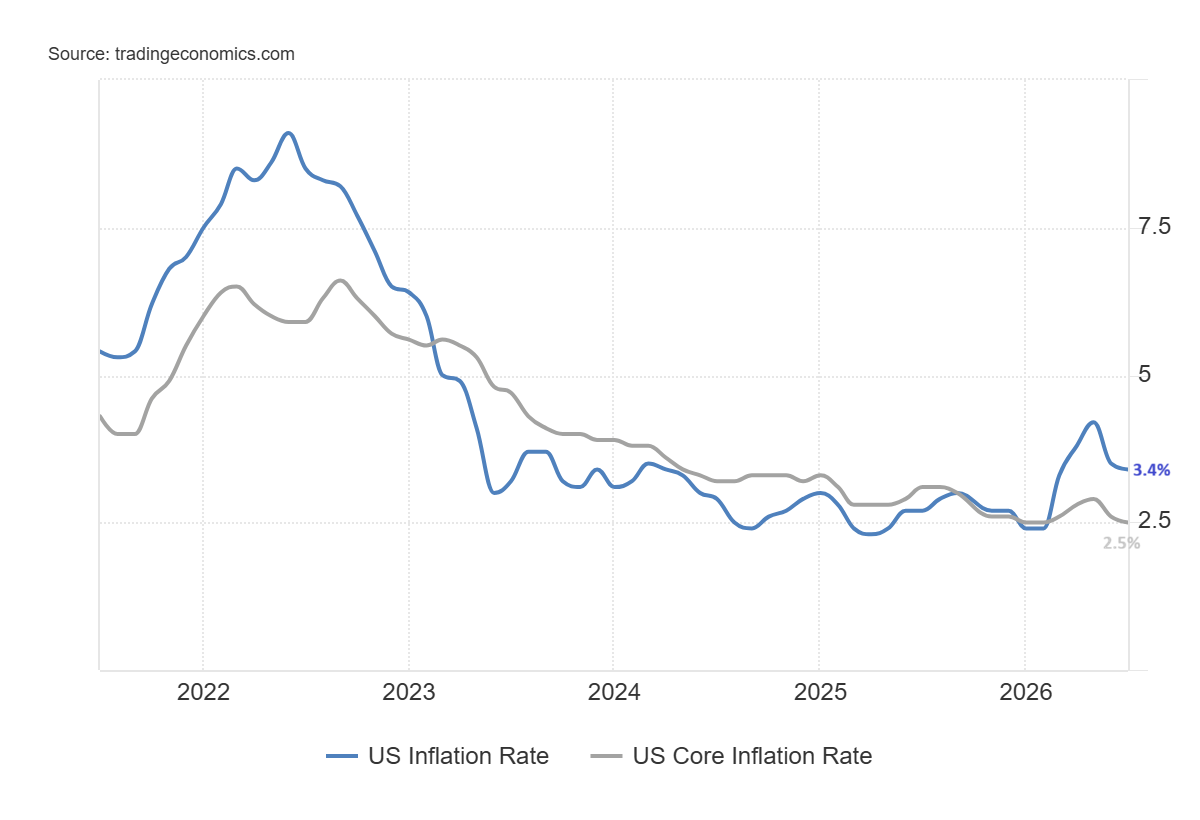
Consumer inflation in the U.S. decelerated in July. The headline CPI rose 0.1% in the month following a 0.4% drop in June. The annual inflation rate slowed down to 3.4%, down from 3.5%. The core CPI recorded a 0.2% rise during the month and the annual inflation dropped from the 2.6% to 2.5%. The price of energy dropped 1.5% and shelter costs increased 0.1%. The numbers indicate that the recent surge in inflation is waning. This data provides the Fed with further margin to maintain the rates at 3.50% to 3.75% in September meeting.
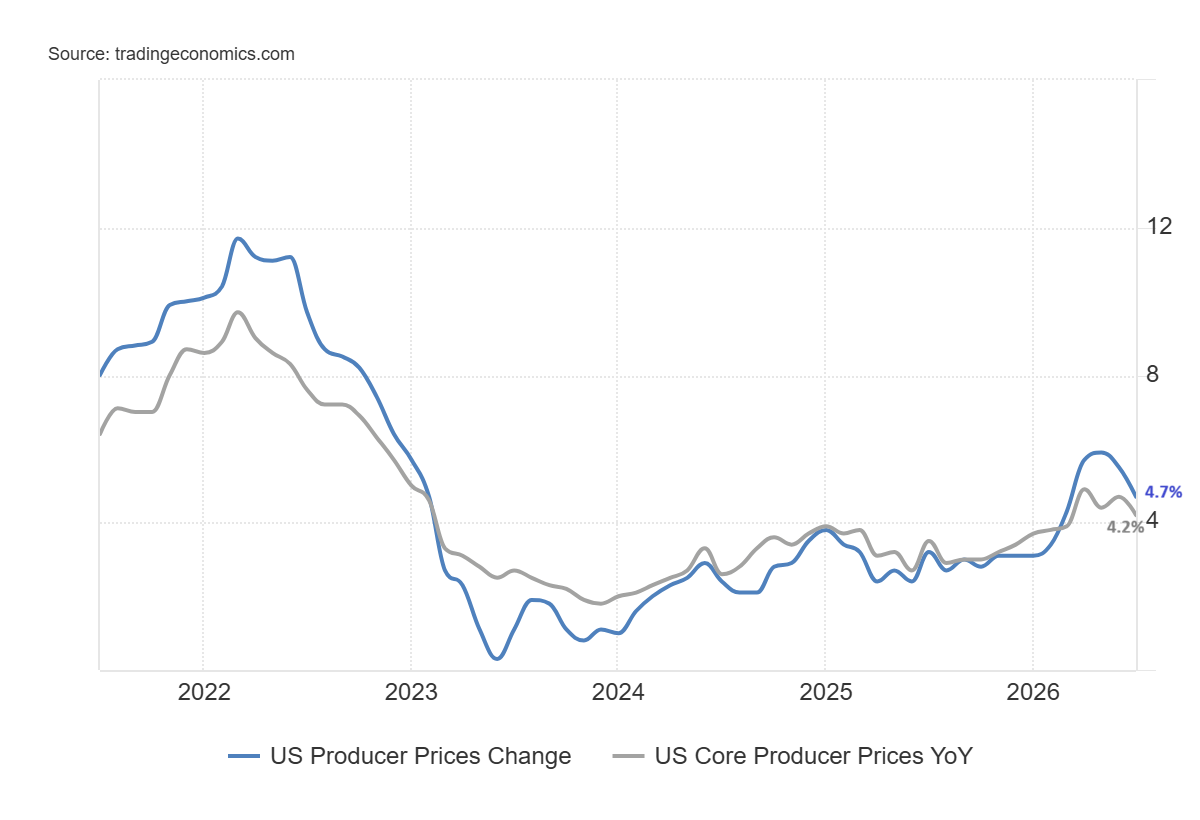
Producer inflation was also lower than expected. The headline PPI was unchanged in July, where an increase of 0.2% was expected. Its annual rate also decelerated from 5.5% to 4.7%. The core PPI rose 0.2% for the month and 4.2% year over year. The price of goods decreased by 0.7% mainly due to a decrease in energy prices. But the services prices rose again by 0.2%. That further indicates that the inflation is cooling, but the pressure in the services has not disappeared.
The Fed’s preferred inflation gauge also sends the similar message. The rate of inflation for core PCE eased to 3.3% in June, down from 3.4% in May. But it is still well above the target of 2%. The GDP implicit price deflator grew by approximately 4.3% over the past year.
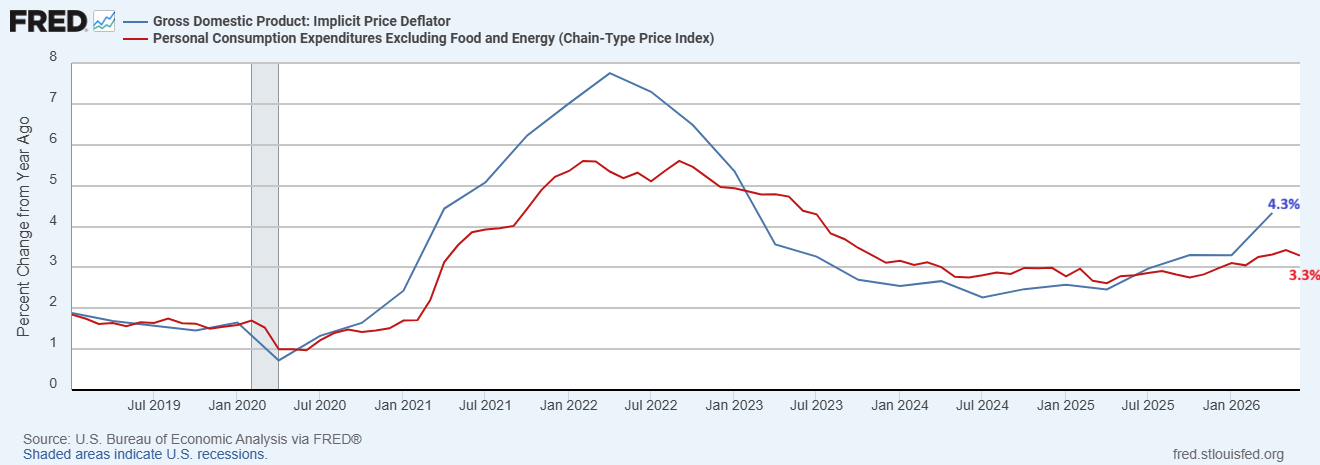
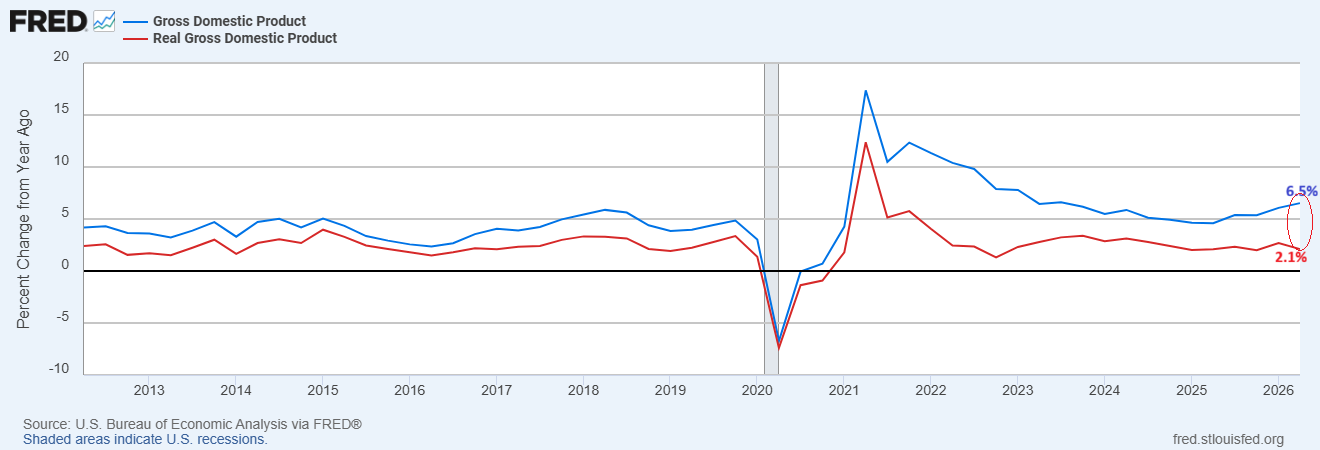
The chart below shows that the GDP has grown by 6.5% while the real GDP has grown by only 2.1%. The difference between nominal and real growth indicates that substantial price inflation made significant contribution to expansion.
US Dollar Index Price Forecast
Every new US Dollar Index analysis as it publishes, today's technical signal and key levels, live price — on one page.
See all US Dollar Index forecastsCore PCE and Elevated Inflation Expectations Keep Rate Risks Alive
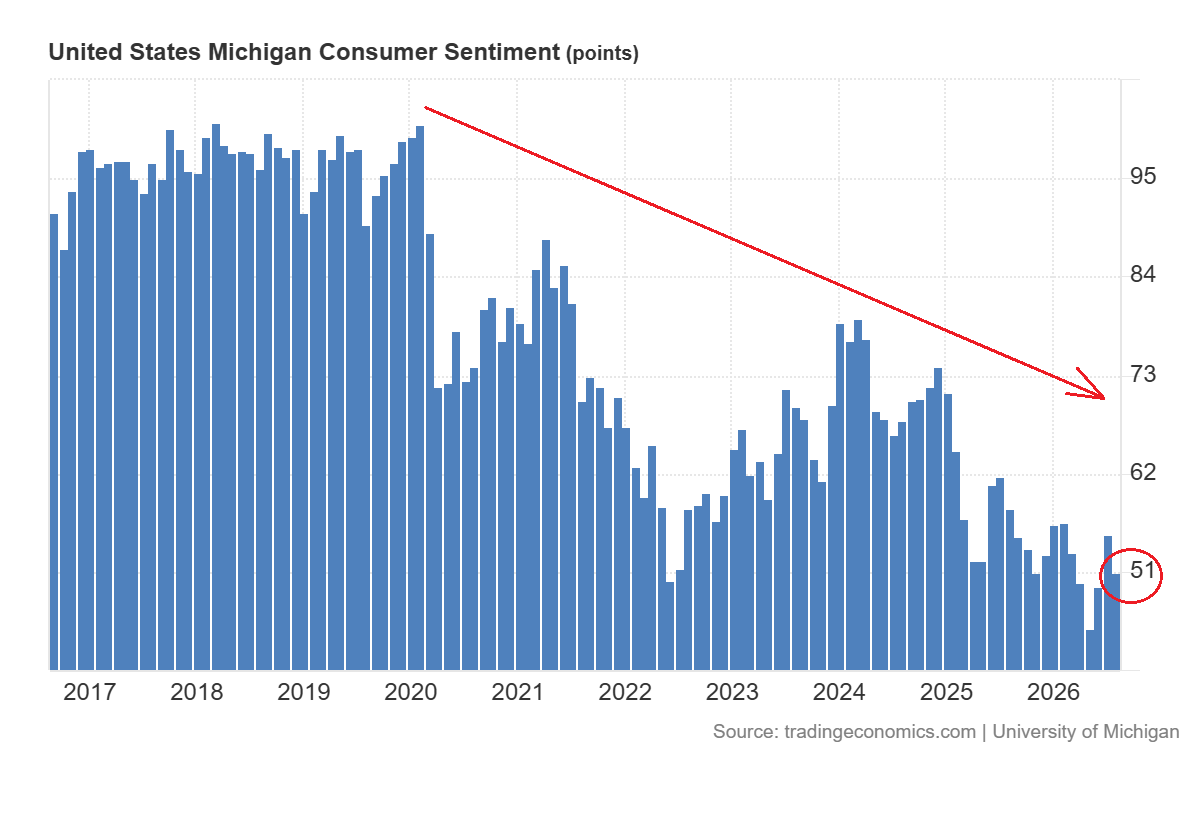
There was an additional complication with the preliminary survey from the University of Michigan. Consumer sentiment fell in August to 51.0 from 55.2 in July. The market was anticipating a smaller drop to 54.5. The current conditions index decreased to 51.8 and the expectations index decreased to 50.6. This weakness indicates a growing prudence of households and economic growth.
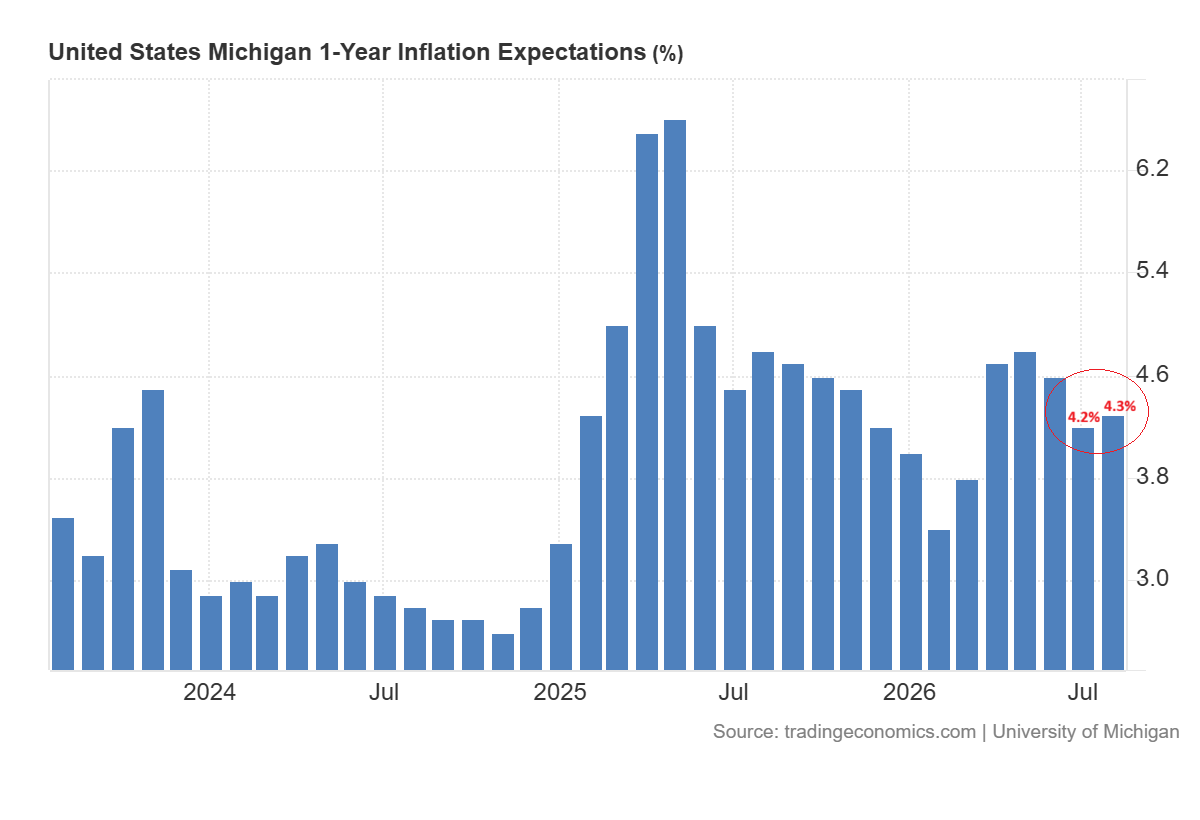
But the survey’s inflation numbers weren’t so good. The 1-year inflation expectations rose from 4.2% to 4.3%. But the five-year expectations were unchanged at 3.3%. While the reading has been stable in the long term, it is still too high for the Fed. These expectations can have an impact on wage claims and business pricing decisions.
Fed Rate Outlook Hinges on Jobs, Inflation and Consumer Spending
Weak Retail Sales and Fed Divisions Support a September Pause
The latest data have changed the short term interest rate outlook. The market now expects only 33% of possibility of a rate hike in September. But the chances of a rate hike in December are still 45%. That suggests that the Fed may hold back for more data before the next move.
The odds are that the Fed will hold again in September and then perhaps raise by 25 basis points in December, if the inflation rate does not continue to decline in August and September. Therefore, the situation now depends on the escalating crisis in the Middle East and the energy supply concerns.
The retail sales data for July also declined, which supports the argument for patience. The sales declined 0.6% from a 0.2% increase in June. The core retail sales, which contribute to GDP estimates, also dropped to 0.4%.
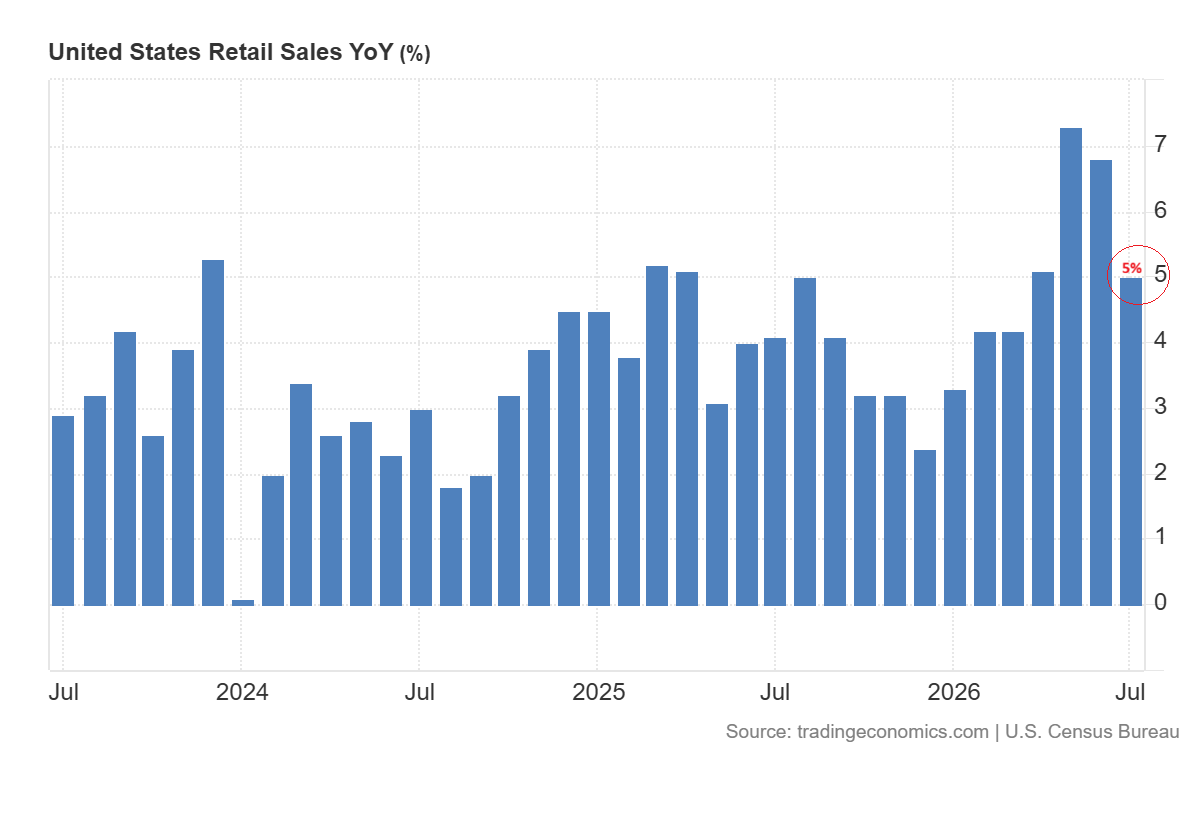
The weak consumer demand can reduce the ability of businesses to raise prices. It can also contribute to a slower economic growth rate. This data, combined with the weak jobs data, makes it more difficult to justify a rate hike.
The Fed officials also remain split. Fed President Thomas Barkin has said the current level of interest rates could be sufficient to reduce inflation. He also believes that tariffs, oil prices and the AI investment surge will dissipate over time. Cleveland Fed President Beth Hammack is less dovish. She thinks that the Fed should be more aggressive in raising rates to make sure that inflation does not become entrenched in consumer and business expectations. Three policymakers were in favor of 25 basis point increase at the July meeting.
Jobs and Inflation Data Will Shape the December Fed Decision
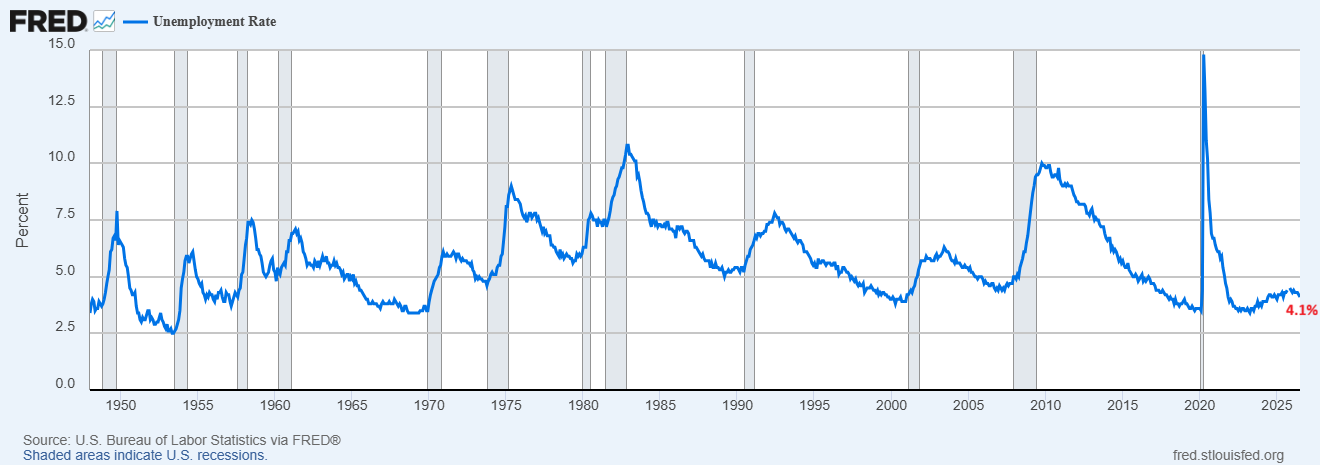
The Fed is also receiving mixed messages from the labor market. Growth in employment has slowed and employers surprisingly reduced their workforce in July. But the unemployment rate is still at the historical low of 4.1%.
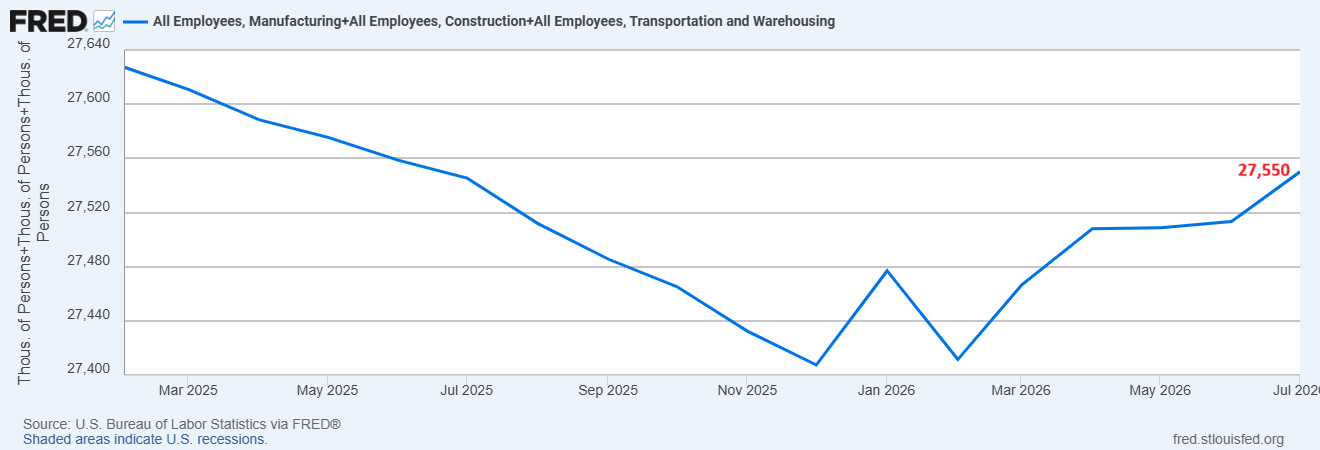
Some cyclical areas of the economy continue to generate jobs. That is a sign that the labor market is cooling, but not yet in severe weakness to suggest the rate cuts.
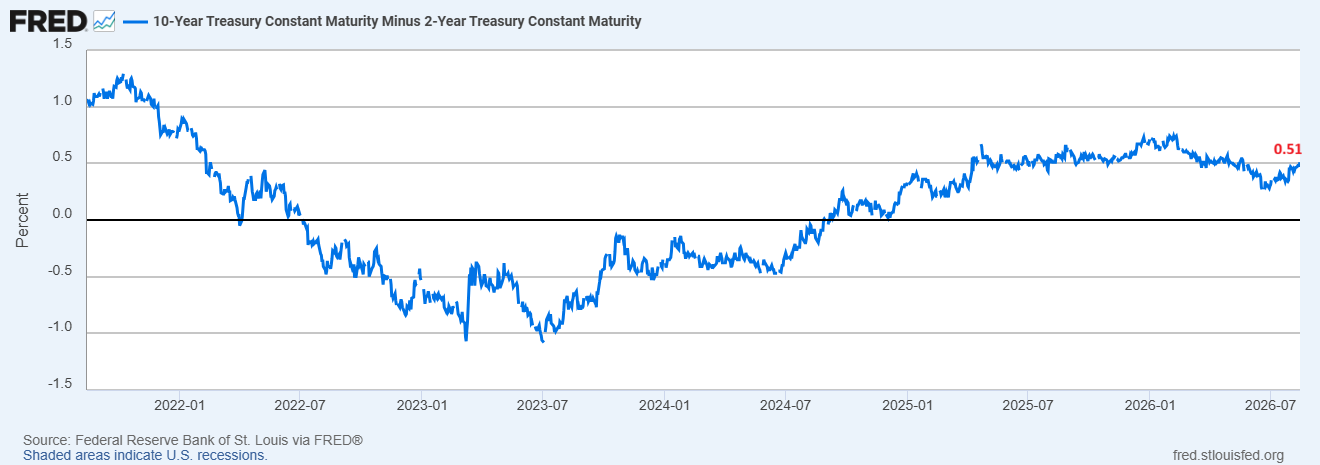
This uncertainty has resulted in a flatter yield curve in the Treasuries. The short term yields have dropped as traders cut back on the prospects of a rate hike soon. But the longer term yields still remain elevated as investors continue to be concerned over inflation, oil prices and government borrowing. So the bond market suggests that the Fed can take a break in September, but it may not have the room to begin sustained easing cycle.
The year end interest rate decision will depend on the PCE, CPI and PPI reports for August. A fresh round of soft readings would give the Fed the opportunity to leave rates at the same level for longer. But a strong inflation reading in August would support a 25 bps increase in December.
U.S. Dollar Forecast: Fed Rate Outlook Keeps DXY Under Pressure
Lower September Rate Hike Odds Weigh on the U.S. Dollar
The U.S. dollar dropped following the inflation and retail sales data as the market reduced the expectations of rate hike in September. The US dollar index dropped to 99.67 on Friday.
The near term sentiment on the dollar is still slightly bearish as the markets are reducing the possibility of September hike. But the downside may be limited. The inflation remains above the target level and markets still maintain the expectation of a rate hike before the end of the year. The demand for U.S. assets is also boosted by high long term Treasury yields. If the next inflation and employment reports remove the rate hike expectations, it will further weaken the US dollar. But an upswing in the inflation numbers may keep the dollar strong in the short term.
U.S. Dollar Index Faces Key Support at 99 and 96
The U.S. dollar index failed to break above 101.80 in June 2026. After consolidation in June, it dropped back below the key level of 100.50. After closing below 100.50, the index has been consolidating slightly above the 50-week SMA and looks to show uncertainty in the short term.
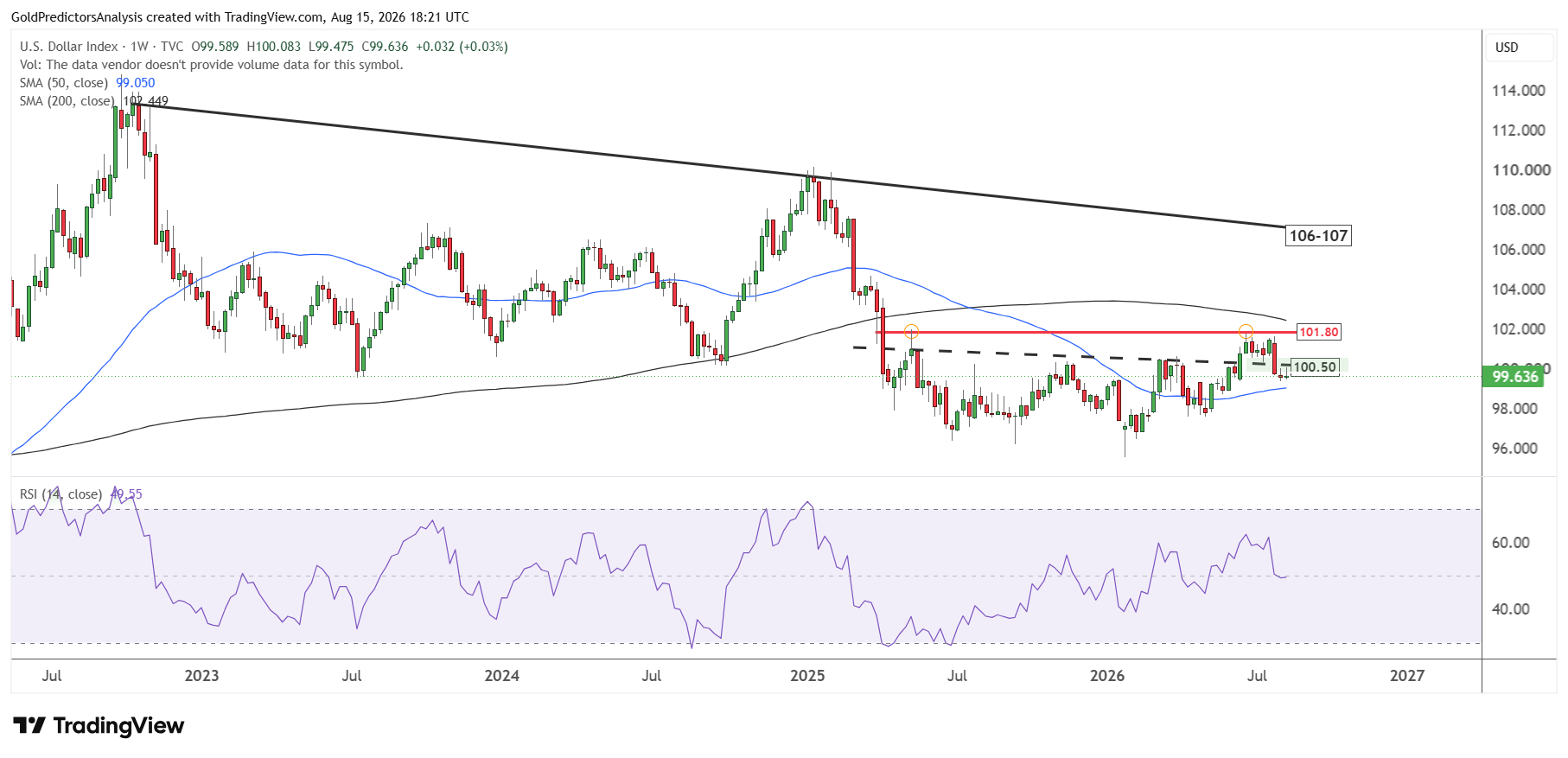
The index remains between the 50- and 200-week SMAs, while the RSI remains above the midline. A break above 101.80 will open the door for strong rally toward the 106-107 level. On the other hand, a break below the 99 level will open the door for a strong drop toward the 96 level.
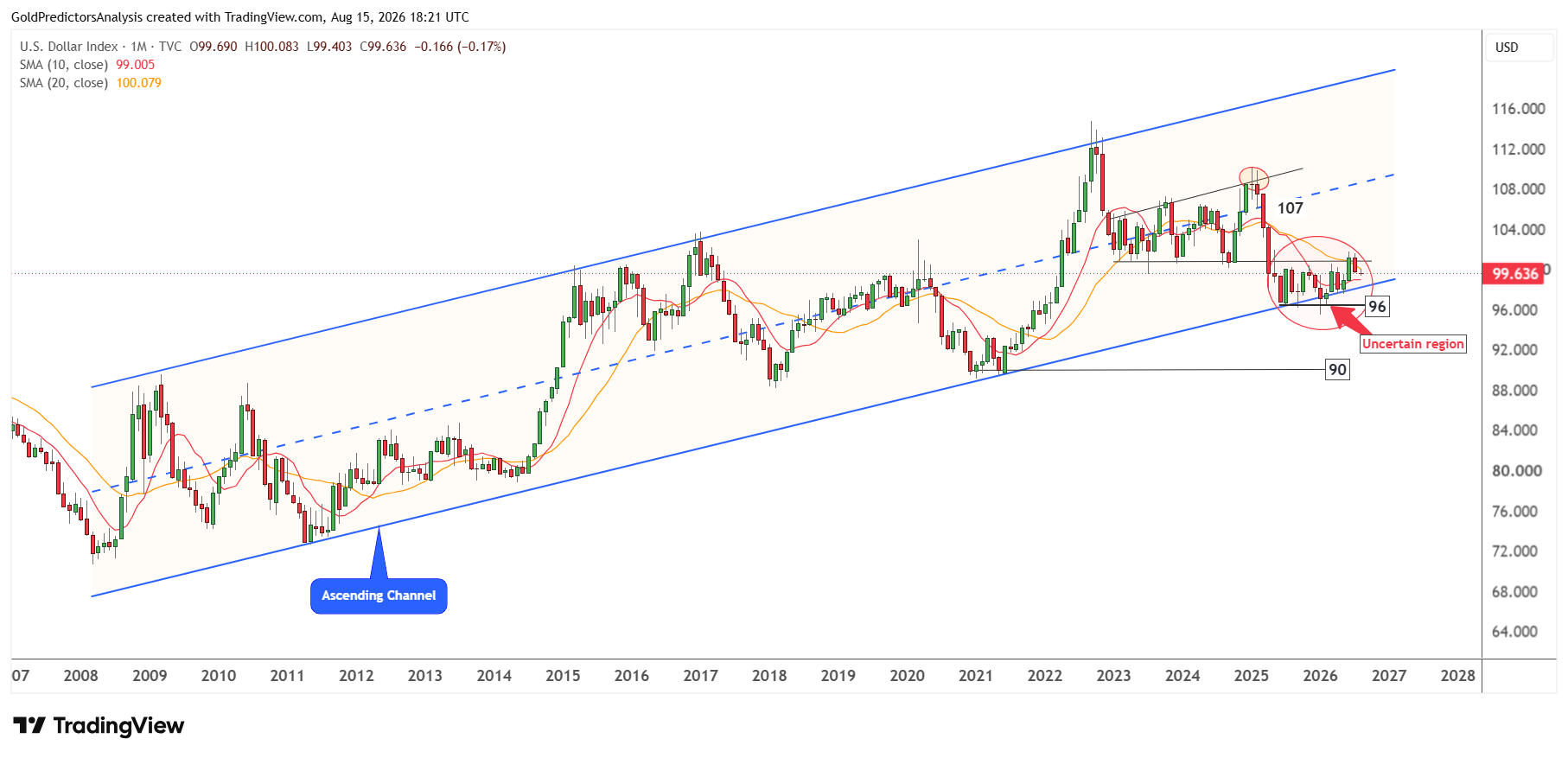
The uncertainty in the U.S. dollar index is also observed on the monthly chart. The chart shows that the index closed back below the 20-SMA in July 2026. But the index has been consolidating between 96 and 100.50 since July 2025. A break of either of these levels will define the next move. However, the break above 100.50 in June failed. Now, if the index breaks below 96, it will likely open the door for a strong drop toward the 90 area.
What to Watch for the Fed and U.S. Dollar
The Fed is likely to keep interest rates unchanged in September. Softer inflation, weak job growth and lower retail sales support a cautious approach. But the inflation remains above the 2% target and consumer expectations remain elevated. The inflation data for August is important. If the inflation strengthens in August, it will increase the expectations of a 25 basis point hike in December.
The U.S. dollar may remain under pressure in the near term as markets reduce expectations for September hike. But the high long term Treasury yields and the possibility of a year-end hike may limit the decline. The US dollar index needs to break above 100.50 and 101.80 to regain bullish momentum. A break below 99 could push the index toward 96, while a drop below 96 would expose the 90 area.
Read more: Weak Jobs Cut Fed Hike Odds Ahead of CPI