EUR/USD Technical Analysis
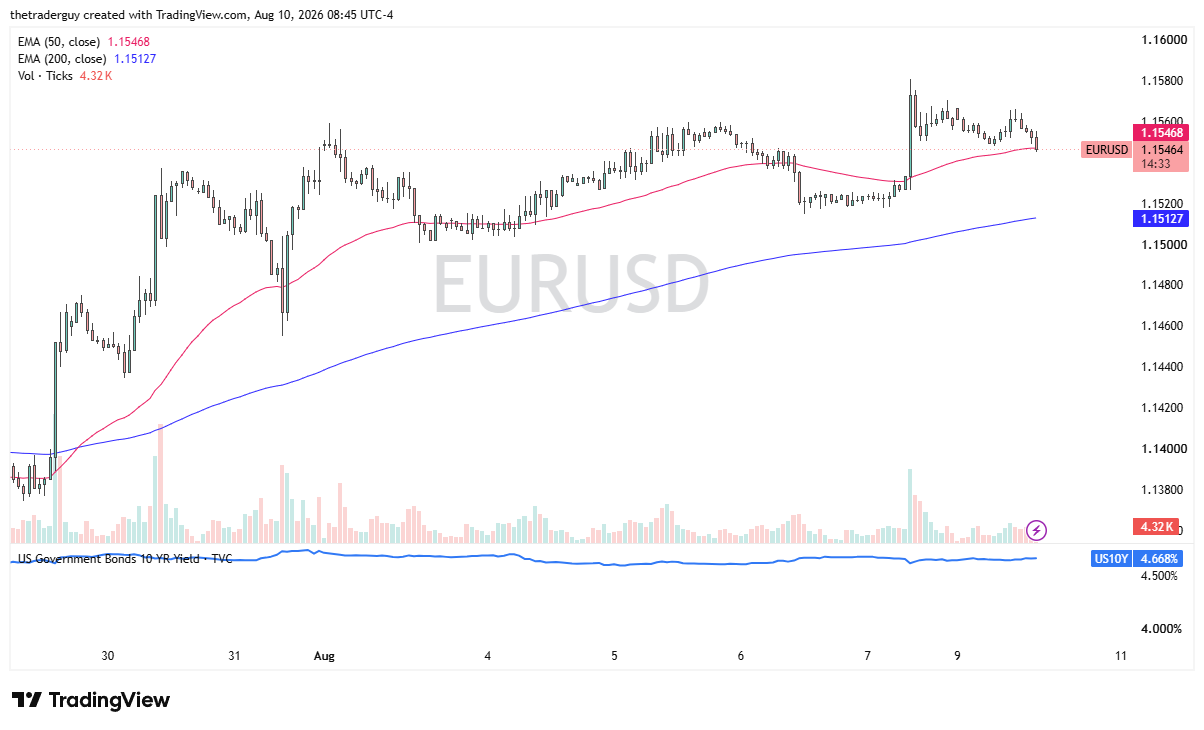
The Euro finds itself a little bit soft on Monday as we head into the New York session. I’ll be watching the 1.1520 area for potential support. We’ll have to wait and see. A little bit of a bounce would be compelling, for me at least, to start thinking about the upside, but if we break down below there, then we could see a deeper correction.
As usual, we’ll have to watch the interest rate situation in the United States vis-à-vis Europe, and at this point, it looks very much like a market that is trying to turn things around from a longer-term standpoint, but one could also make an argument for a little bit of a rising wedge. We’ll just have to wait and see.

GBP/USD Technical Analysis
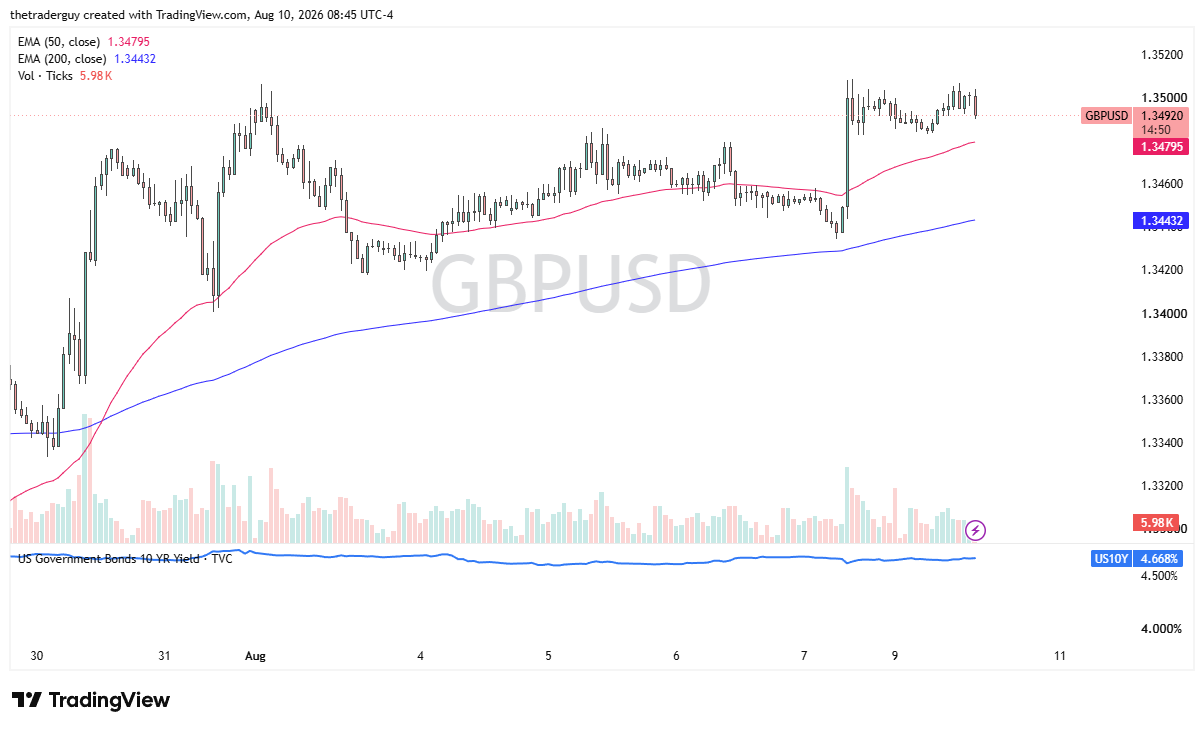
The British pound has found itself a little bit soft as well, not horribly so, as we are still very much in consolidation near the 1.35 level. If we were to break down below the 1.3475 level, then we could start to think about challenging that explosive candlestick after the non-farm payroll announcement on Friday.
Nonetheless, this is a market in which the pound has fared better against the U.S. dollar than many other currencies over the last couple of years, due to the fact that the interest rates in the U.K. are elevated. So, if I get an option between buying Euros or pounds today on a bounce, for myself, I may actually favor the pound.
USD/CAD Technical Analysis
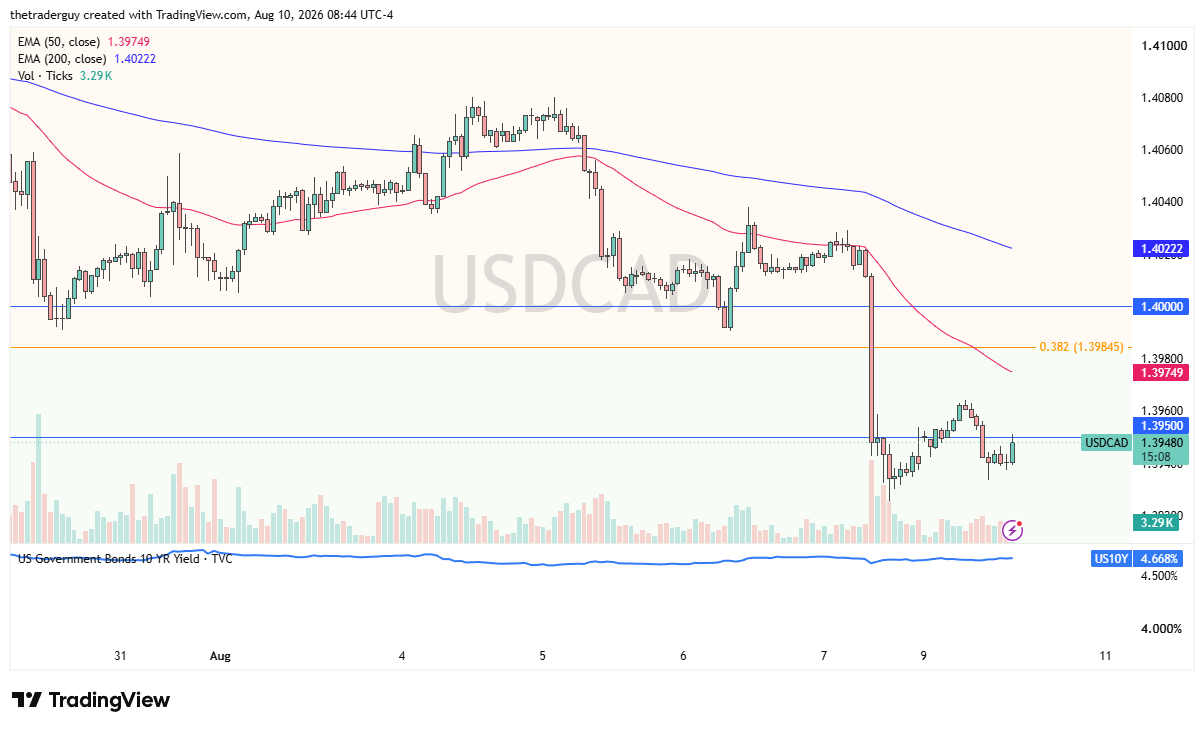
The U.S. dollar is rising a bit against the Canadian dollar after forming a bit of a double bottom. This is a market that has been rounding from a huge move to the upside. We are currently at the 38.2% Fibonacci retracement level, followed by the 50% retracement level, trying to find some type of floor. Ultimately, this is a market that is an interest rate differential play as well. There are some traders out there that are off to the races when it comes to the idea of the U.S. employment situation dropping, but one errant report really doesn’t make a trend.
Furthermore, unfortunately, the Canadian jobs numbers, although really hot this month, are notorious for being horribly wrong and corrected the next time. So, we can’t read too much into one report, and I think we’re starting to see people question that. The interest rate differential pays traders to hold the U.S. dollar versus the Canadian dollar. I think eventually that comes back into play, especially with a 55% chance of the Federal Reserve raising rates in September.
EUR/USD Price Forecast
Every new EUR/USD analysis as it publishes, today's technical signal and key levels, live price — on one page.
See all EUR/USD forecastsIf you’d like to know more about how to trade forex, please visit our educational area.